

You are standing at the rail, the label says ‘Autumn/Winter 2026’, the jacket arrived in store in September, and the person who designed it announced in spring that they were leaving. Do you put the hanger back or take it with you? It is the most worthwhile question of the season, and nobody at the till will ask it.
The label tells you about the past, not the future
A collection does not appear when you first see it. In practice it is often designed months before it reaches the shop floor: fabrics are ordered, prototypes adjusted, orders placed long before the public sees the first photograph. In other words, what is on the rail today was signed off by the hand that is leaving — not in a panic, but at a point when the studio was working at full tilt.
So it is not a ‘final collection’ in the solemn sense. It is the last one where their signature shows without dilution: the proportions they championed, the drop of the shoulder, the sleeve length, the detail that came back season after season. Two people at the same rail will not see the same thing; you are looking for the signature, not the trend of the moment.
Try this: read the label like an ID card. Season first; then the line (main collection, capsule, limited edition); then the composition. A mainline wool piece, cut generously and lined, tells a different story from a capsule accessory made in a short run. And it is often in foundation pieces — coat, suit, bag — that the departing designer’s signature remains most legible.
The real shift comes later
The departure itself does not change much in the short term. What changes everything is the successor’s first collection: that is when proportions, fabrics, the light in the photographs and sometimes even the way accessories are worn begin to shift. Should you rush out? Not exactly — but you should know that the window is closing. There are often several months, sometimes a good year, between the official arrival and the collection actually reaching shops. In between, the studio carries on with transition collections, often more cautious and sometimes very good, because no one is looking for a break with the past.

Hence the simple rule: if a particular silhouette speaks to you, the window to catch it is now. In two seasons the same rail will offer another silhouette, another drape, another idea of elegance. That is not a loss; it is a change of chapter — and you do not have to follow it.
What you can buy now
The pieces that do not depend on fashion’s mood swings: a cotton trench, a clean-cut wool coat, a suit whose jacket falls just right, boots with a stable heel, a structured bag. These are the pieces where the cut does everything, the ones that survive changes of direction without dating. If the label shows a high proportion of wool, a decent lining and clean finishing, you have a piece with a good chance of lasting several years.
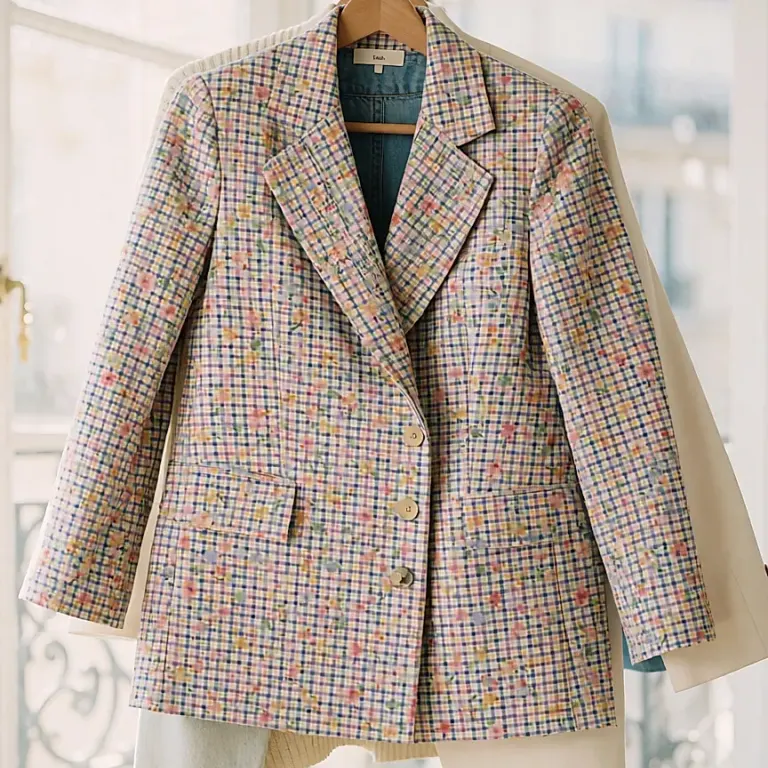
The mistake to avoid? The most spectacular piece of the season. A bold print, a very strong colour, a statement piece at full price: these are exactly the pieces that mark a period, and therefore date fastest when the period changes. Buy it if you genuinely love it and the budget is comfortable, not to tick the box marked ‘I’ve got the last collection’.
Three questions before the till. Does the cut work on me without major alterations? Will the fabric last three winters? Read the composition, not the marketing story. And above all: would I have loved it even without the name on the label?
What can wait, without missing out
Purchases that commit your silhouette for several years — the big-budget coat, the suit you wear to the office — are worth waiting for until the successor’s first proper collection. You will then see whether shoulders narrow, skirts lengthen, whether the wardrobe moves towards more ease. Buying just before, at full price, means paying for a look that is no longer theirs.
On the other hand, there is nothing to stop you watching for unsold pieces from the departing designer’s last collection. They often reach the second markdown, including in mid sizes, and that is where value for money becomes genuinely good.
Budget
As a rough guide in the UK, a decent wool coat often sits between £180 and £550 at mid-market, and rises above £800 at luxury houses: the wool content, lining, country of manufacture and where you buy all affect the bill. A cotton trench is usually between about £130 and £350, and a well-cut blazer between £100 and £300.
Second-hand changes the calculation: expect £35 to £130 for a piece a few seasons old on resale platforms or in consignment shops, plus £20 to £55 for alterations to adjust sleeves or a hem. A well-altered second-hand piece often hangs better than a new piece bought in a hurry. Boutique, outlet, consignment shop, online resellers: the same budget does not buy the same thing depending on where you go, so compare before you commit.
The smart move
Nothing expires the second a press release lands. A good piece remains a good piece, even if the person who designed it has already moved on; what does expire is buying it for the wrong reasons. Notice what you like in the current look — the cut, the fabric, the colour — and buy that, not the signature.
The day the new name is on everyone’s lips, your coat will already be yours. So, a foundation piece now or a patient wait? Both, if the budget allows: the basic straight away, the piece that commits your silhouette for the next chapter.

Comments
Your opinion matters: rate the article, react and reply to comments.
Comments are moderated; AI-assisted comments are flagged. Text emoticons (8-), :-), <3…) are automatically shown as images.