

It's 7.42am, the coffee is going cold, and your phone is suggesting a linen midi skirt that 'would work really well with your trench'. It isn't wrong. Which is exactly what niggles.
What the machine remembers about you
In practice, an online styling service starts by asking you to declare a lot about yourself: size, measurements, stated shape ('hourglass', 'H', 'V' and so on), colours you dare to wear, colours you avoid, budget. Then it learns on its own by watching what you keep and what you send back. Your returns history can be more telling than your purchases: a blazer that was too narrow across the shoulders and went back twice says a lot about the cut you need.
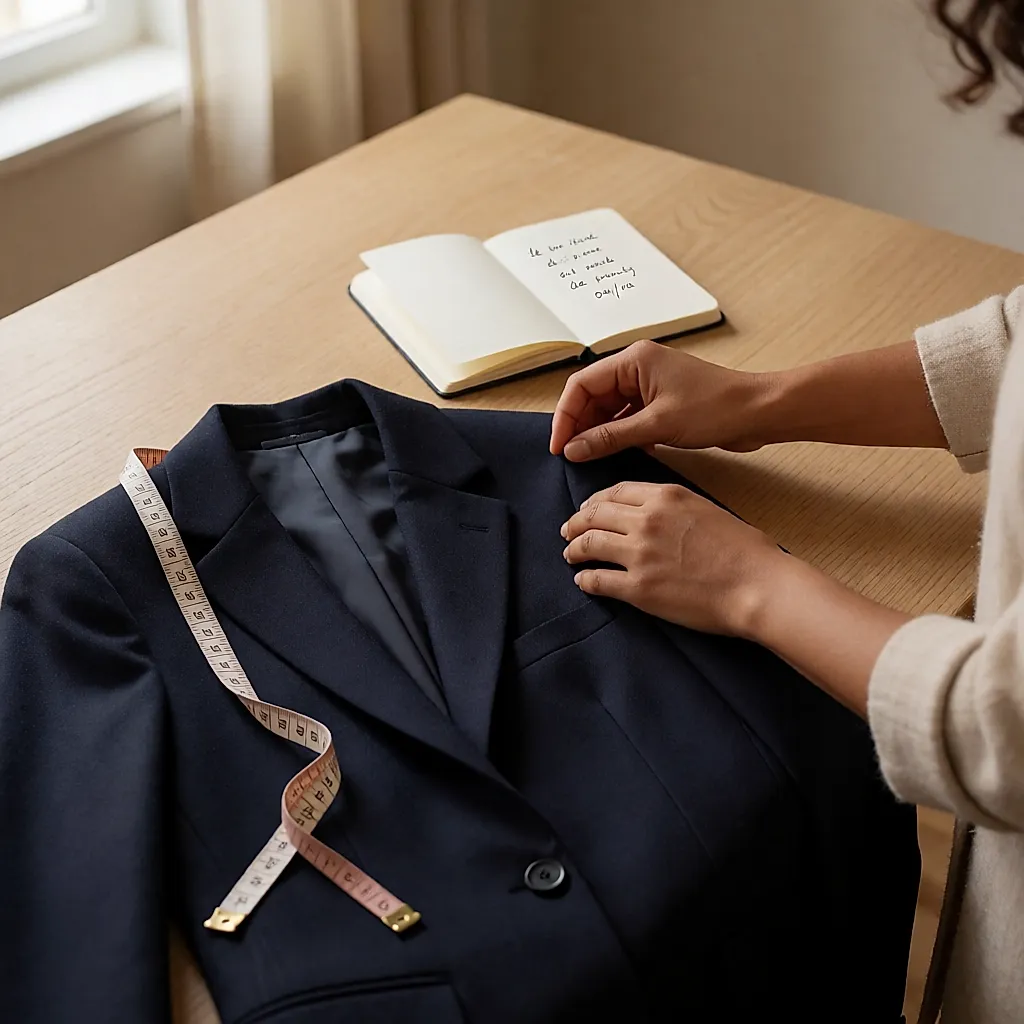
The real question is what you actually gain by declaring all of it. Often not much, unless it unlocks a size guide. What matters are the measurements that decide whether a piece falls well or hangs badly: shoulder width, inside leg, across the back. The rest the machine extrapolates, sometimes badly.
Where the algorithm actually earns its keep
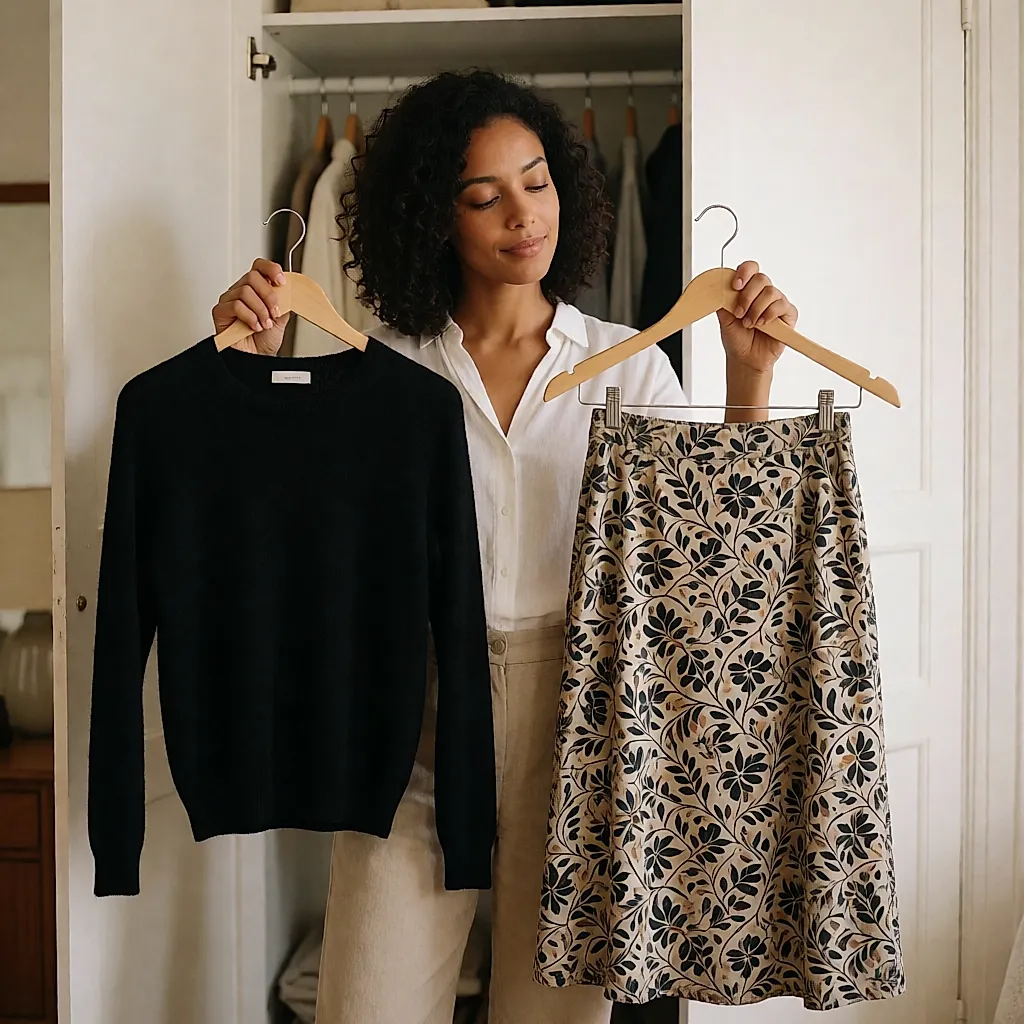
The real luxury is time. Spending a rainy November Sunday flicking through 300 pieces to keep eight, while the ironing waits and the cat has taken over the ironing board: not your idea of fun. The machine does that edit in advance, and it dares combinations you wouldn't have tried: a fine knit over a slip dress, that layering you see everywhere and never dare put together yourself.
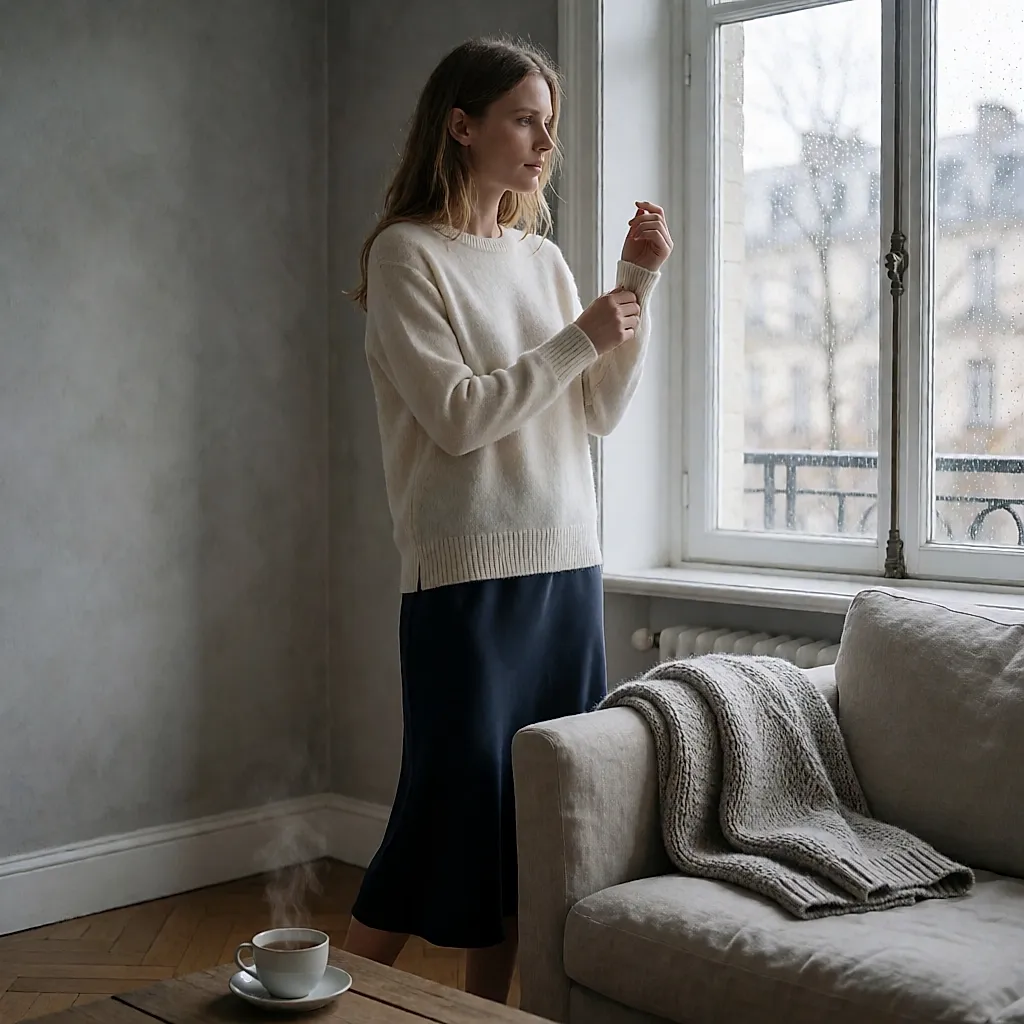
Another gain, less easy to admit: it makes the call when you've been circling a statement piece for three weeks. The 'do I take it or leave it?' becomes a simple yes or no, with a returns window as a safety net. A good call for stepping outside your comfort zone; less good for the thrill of the find.
What you give up without noticing
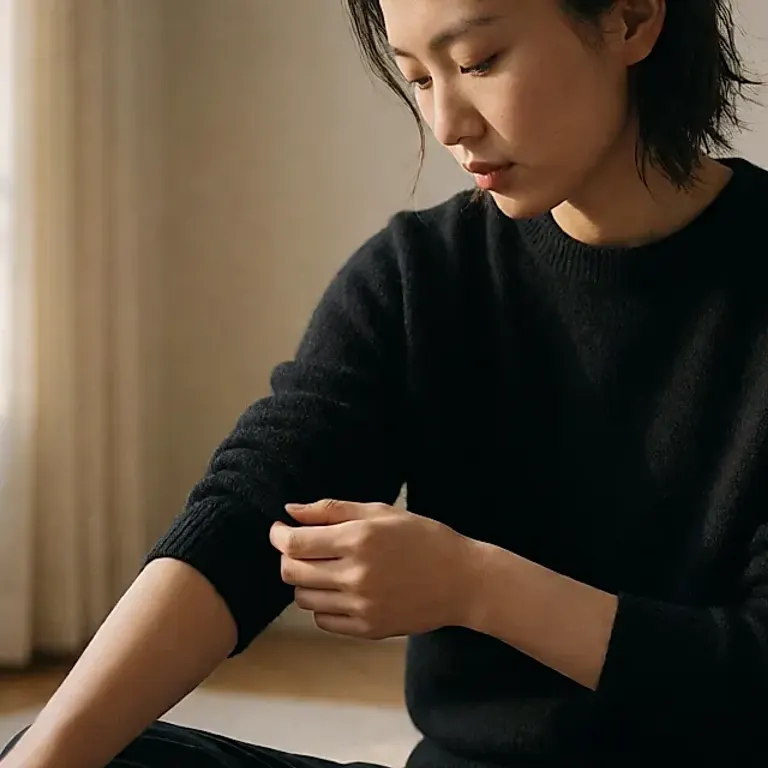
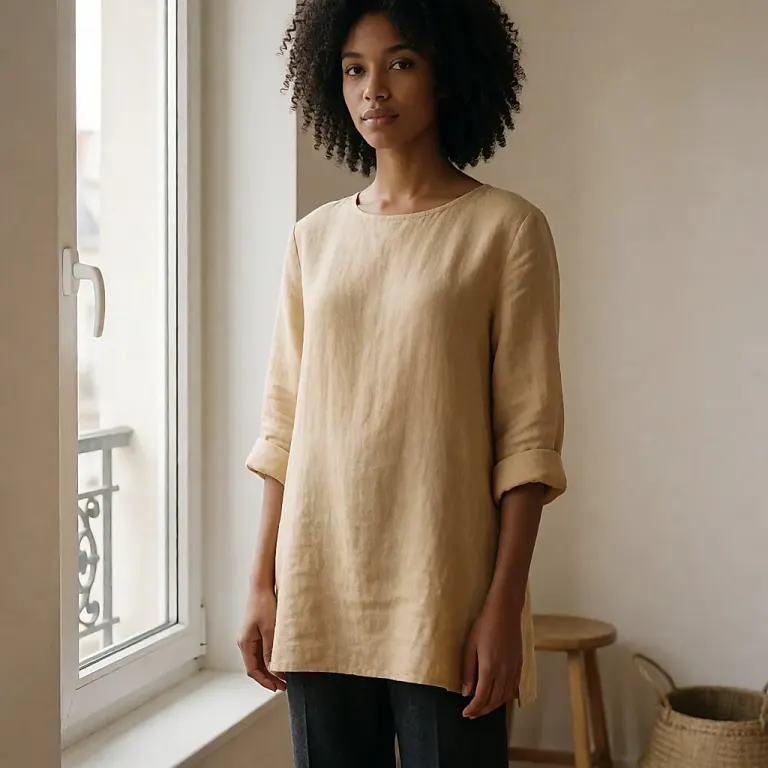
First, touch. A photo can convey colour but not texture: it won't tell you whether the wool itches, whether organic cotton has that slightly dry grain that holds its shape when worn, or whether crumpled linen will make you look like a Sunday by the water or a badly ironed sheet. The way a fabric falls is hard to capture in a photograph.
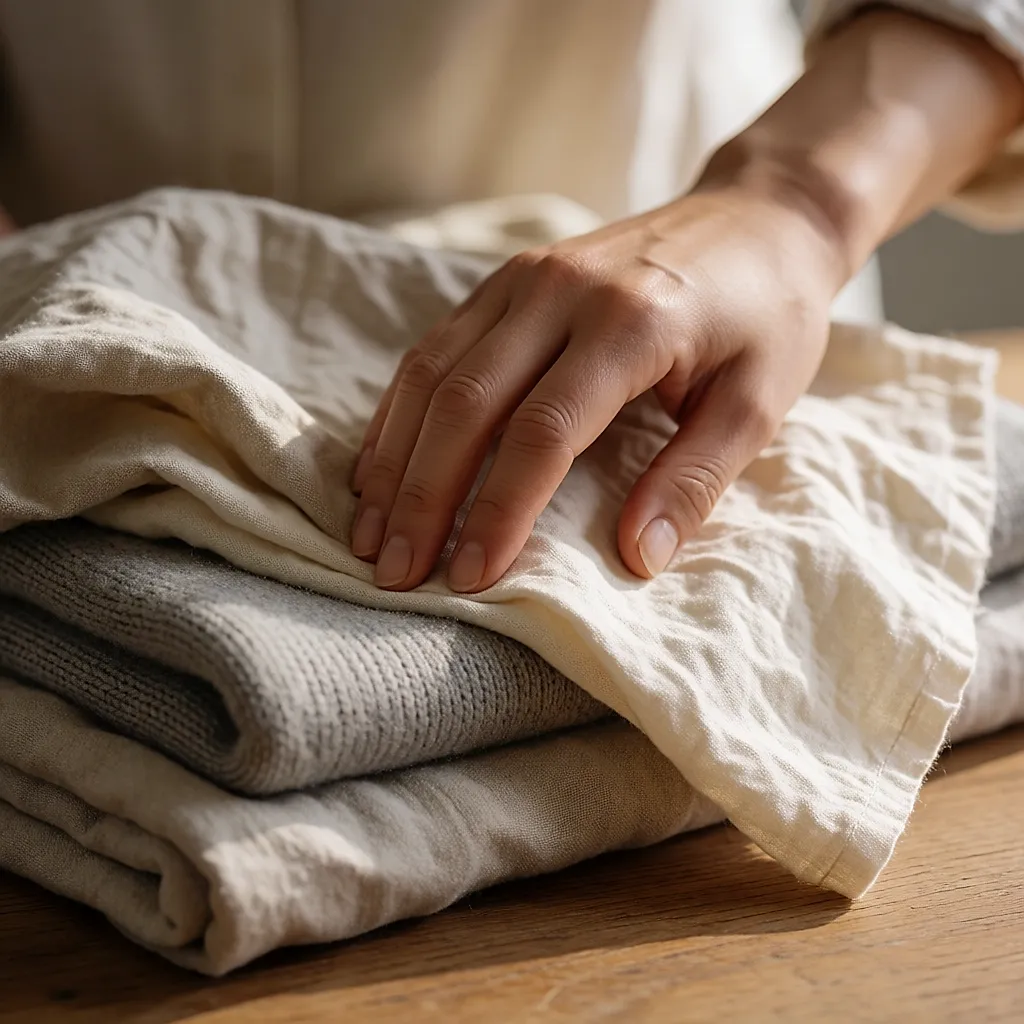
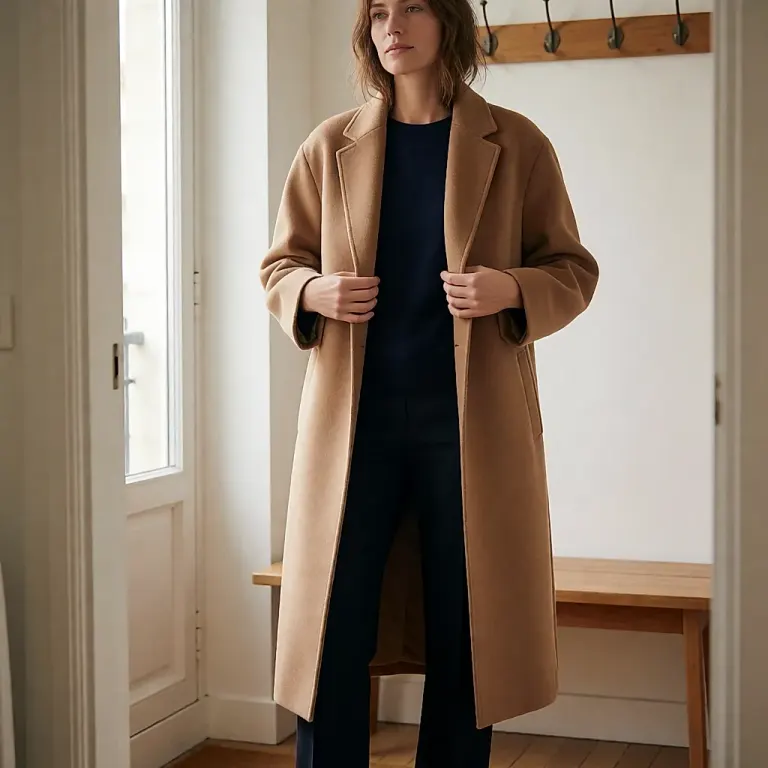
Then chance. Your best basic is often something you grabbed because it was hanging on the wrong rail in a shop, not because it ticked a box. An algorithm optimises; it rarely wanders. And it quickly learns to serve up more of what you already like: three striped pieces, two roll-necks, yet another trench, until your wardrobe looks like a single outfit in several versions.
Taking back control without throwing everything out
Three moves are enough. Feed the profile like a notebook: note what you send back and why ('shoulder too narrow', '5 cm too long'); the reason matters more than the rating. Then set yourself a rule: make a habit of limiting the machine's share of each selection, and leave the rest to your own eye, in a shop or buying second-hand. Finally, try pieces on again at home with your own shoes and bag: take the time to move and see how the piece behaves, rather than settling for a quick turn in front of the hall mirror.
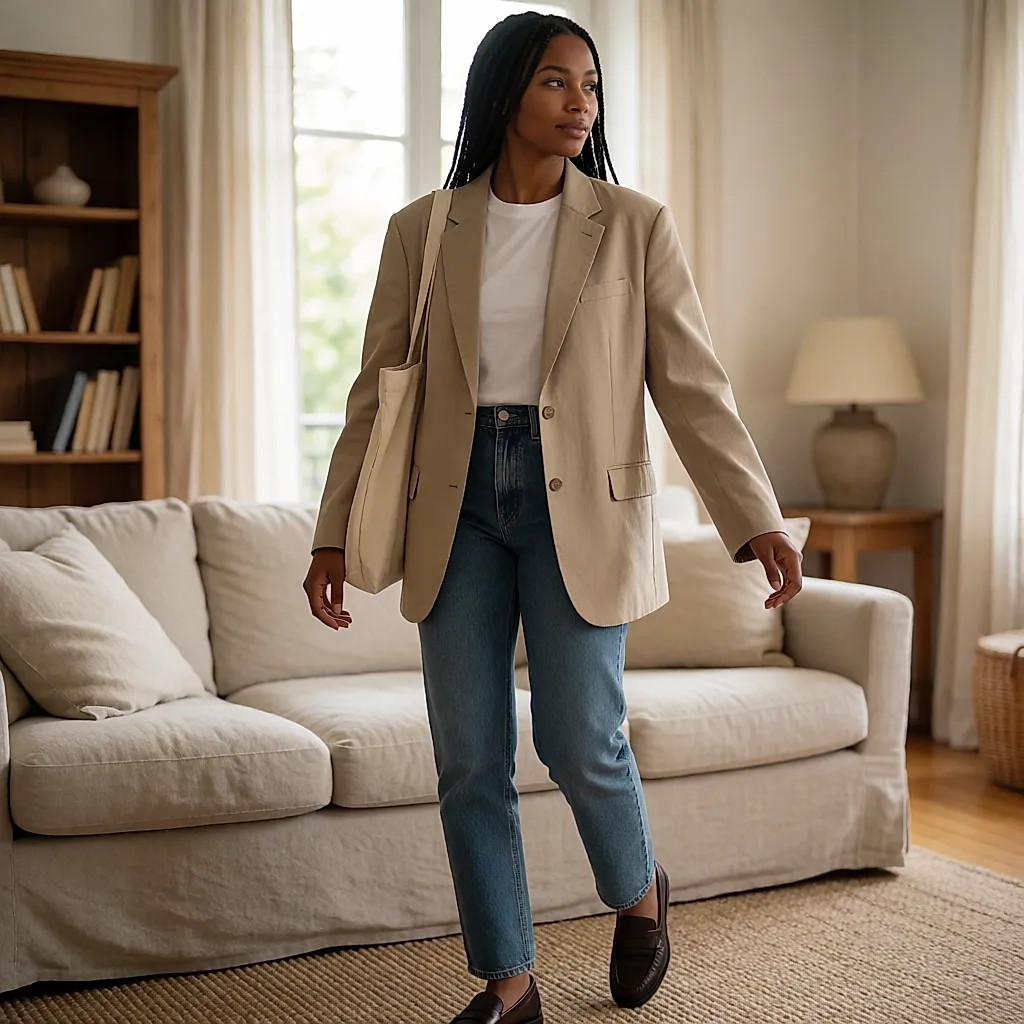
And check the label: synthetic fibre content, actual composition, provenance when it's given. A wool piece that holds its shape, a knit you can darn and a basic worn for three winters are worth more than five hastily approved purchases.
Before you check out a suggested basket, ask three questions: can I wear this piece with three things I already own? Would I have noticed it in a shop? And if returning it costs a lot, would I keep it anyway? Three firm yeses and you can go ahead.
What it costs
Styling fees are usually around £15–£40 per box depending on the plan, sometimes deducted if you keep a piece, with the clothes themselves on top. A session with an independent personal shopper is more likely to cost £60–£150 in a major city, and more for full support; some department stores offer a free appointment. Styling apps are mostly free, with paid versions around £5–£10 a month. The real smart move is still the fitting room, with a list on your phone.
The right balance
Delegate the shortlist, yes. Delegate the final choice, no. The machine is excellent at sorting, suggesting detours and getting you out of a rut; it cannot feel the fabric, and it doesn't know your Monday morning or the way you push up your sleeves. Keep the last touch—and the final word.
Comments
Your opinion matters: rate the article, react and reply to comments.
Comments are moderated; AI-assisted comments are flagged. Text emoticons (8-), :-), <3…) are automatically shown as images.