
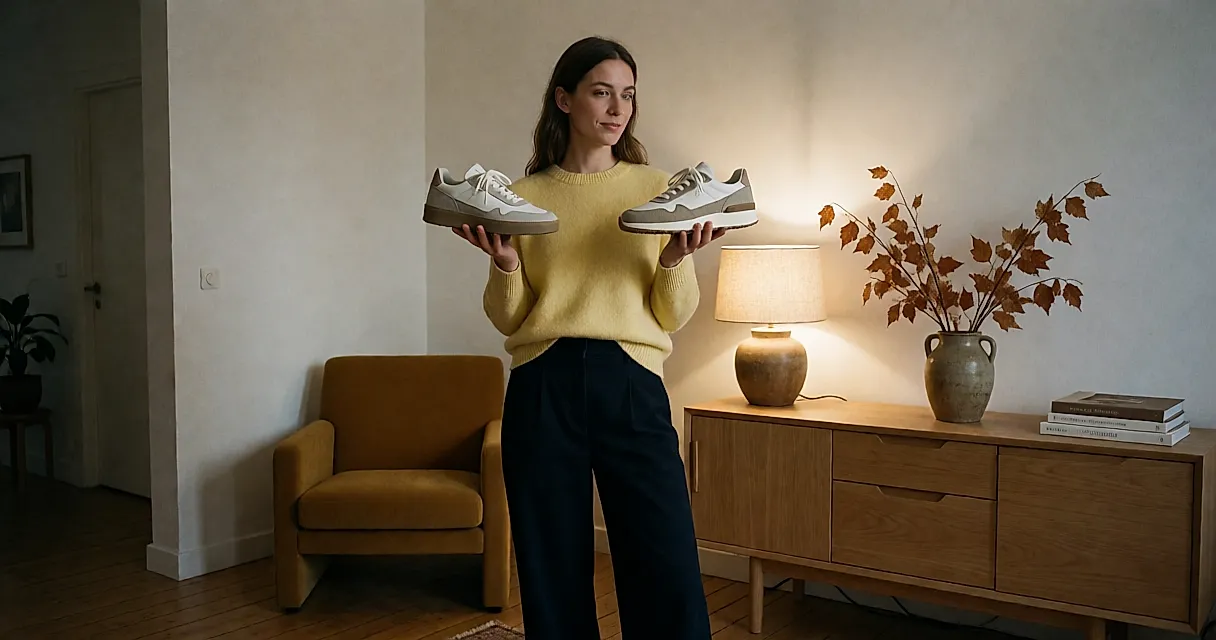
A city trainer is judged from underneath first: a low, quiet sole on one side, a translucent air window on the other. Lately the bubble sole has been gaining ground, climbing out of the archives and onto the pavement. Hardly surprising — the flat sole has been everywhere for so long that it has started to look like a uniform.
A detail you can spot from across the street
For years, the city shoe played it discreet: a fine upper, a sole flush with the ground, a logo you could barely read. Elegant, comfortable and not especially talkative on the style front. The bubble, by contrast, speaks up — a volume you clock in profile, a translucent material that catches the light, a detail visible from three metres away.
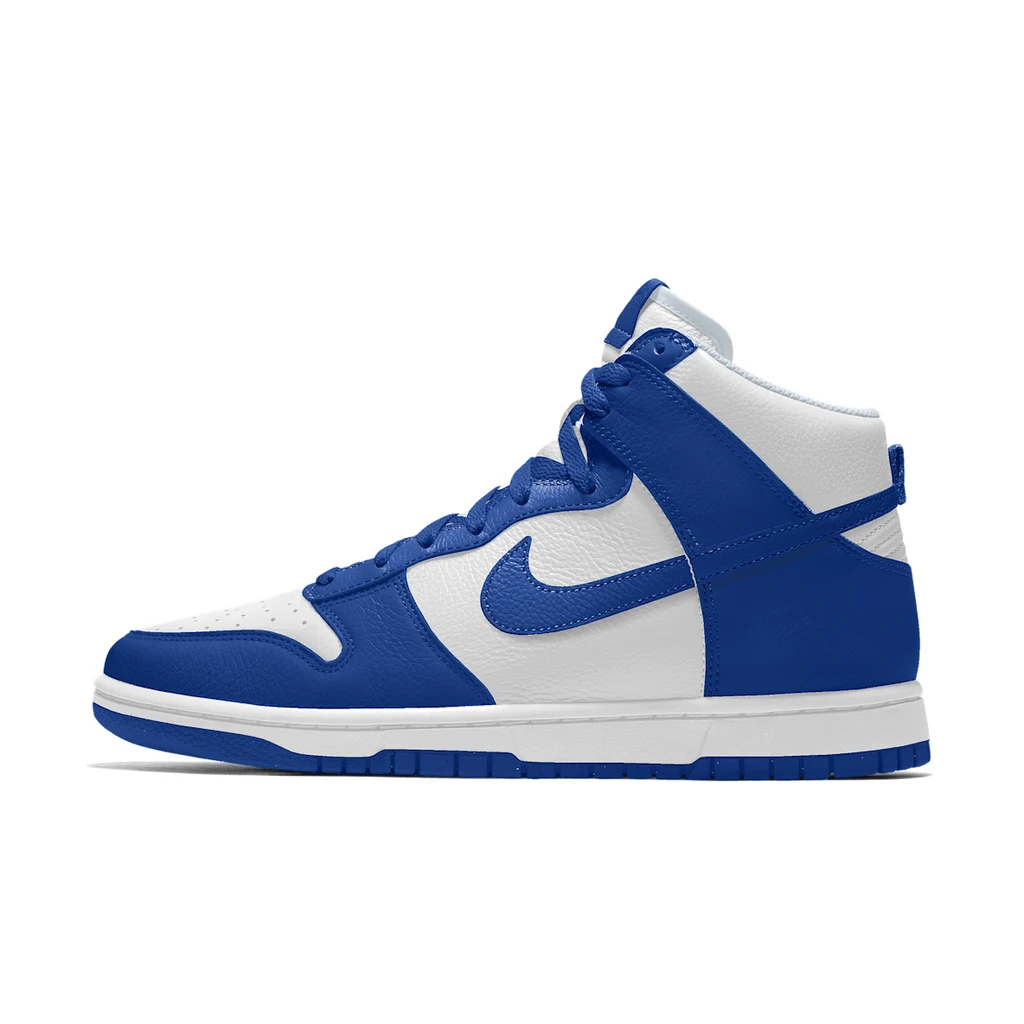
The comeback didn't come from nowhere. Nike never really put its Air Max away; we simply watched the line slide from the sports field to the changing room, then from the changing room to the back of the wardrobe. What has changed is how they are worn: raw denim, a trench, a wool skirt, and the bubble becomes part of the silhouette rather than a piece of sports kit.
What a couple of centimetres does to the line of your leg
Two to three centimetres under the heel, and everything follows: the ankle lifts, the calf is defined, the leg reads longer. The trade-off is that the foot gains volume, and that is where it all gets decided. The same pair lengthens a silhouette under jeans whose hem breaks on the sole, and cuts it in two under trousers that stop too short.
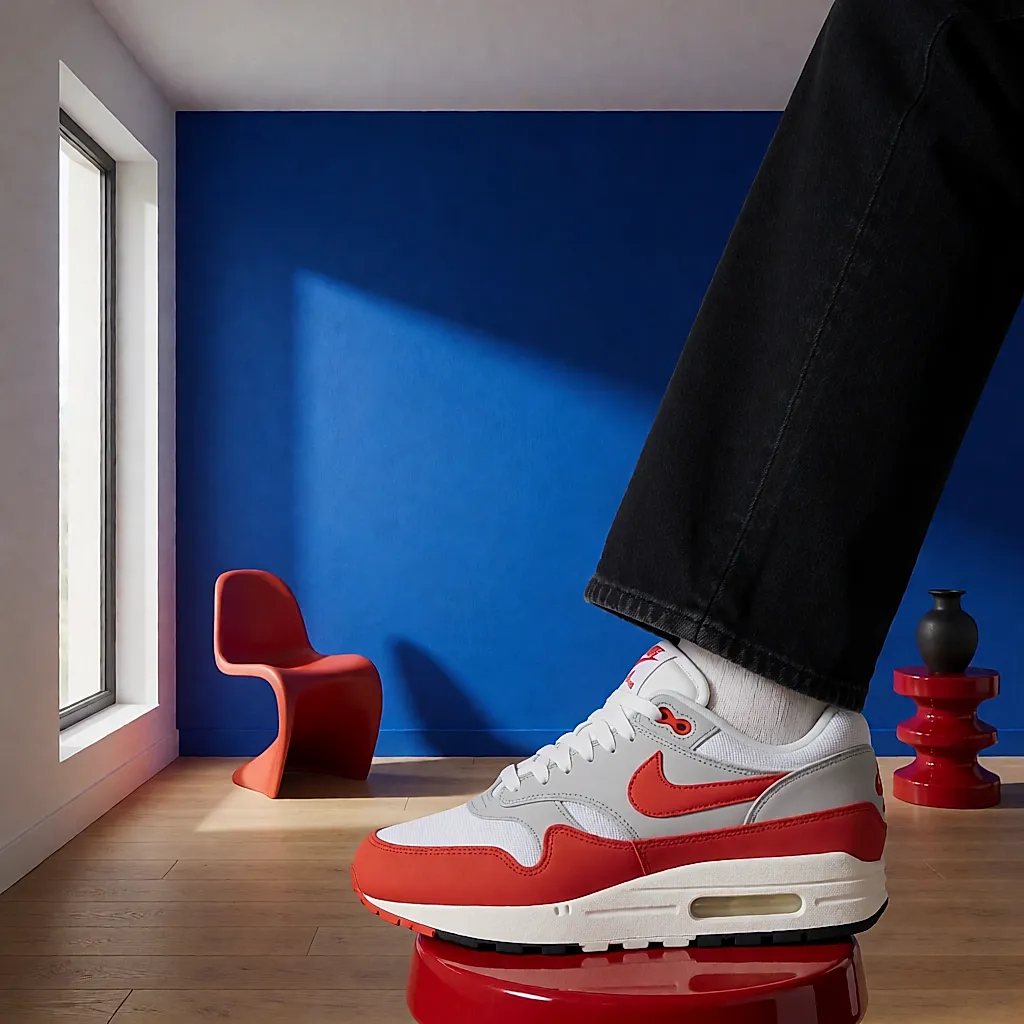
So do you wear it, or watch it go past? If you want a shoe that disappears in the office, be aware that a visible bubble is talkative: go for a thick but opaque sole instead, or keep the bubble for weekends. If you are happy to own the volume, go all in — ankle on show, or wide trousers covering half of it. It is the half-measures that drag a look down.
Sizing: what to plan for before you buy
Try them on at the end of the day, when your feet are at their true size. And don't count on any give: a bubble is a rigid shell; it will not soften the way leather or mesh does. In other words, if it pinches in the shop, don't expect it to loosen up later.
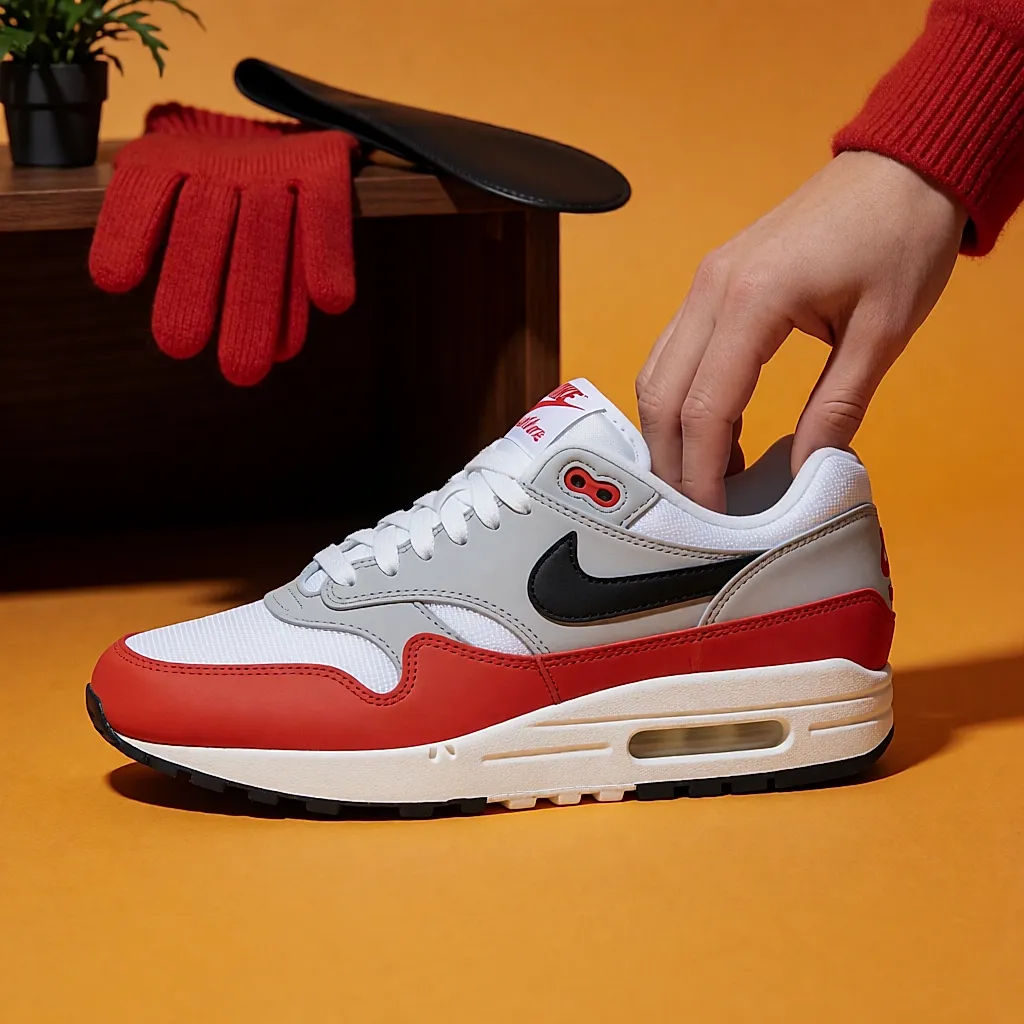
In practice, plenty of bubble-soled models come up a little narrow. Wide feet or a high instep? Go up half a size rather than hoping for a softening that will never happen. Check the insole too: some are thick and eat up the space, others lift out. And weigh the pair in your hand — a shoe that already feels heavy in the shop will make itself felt after a day of walking.
The trouser break is the real story
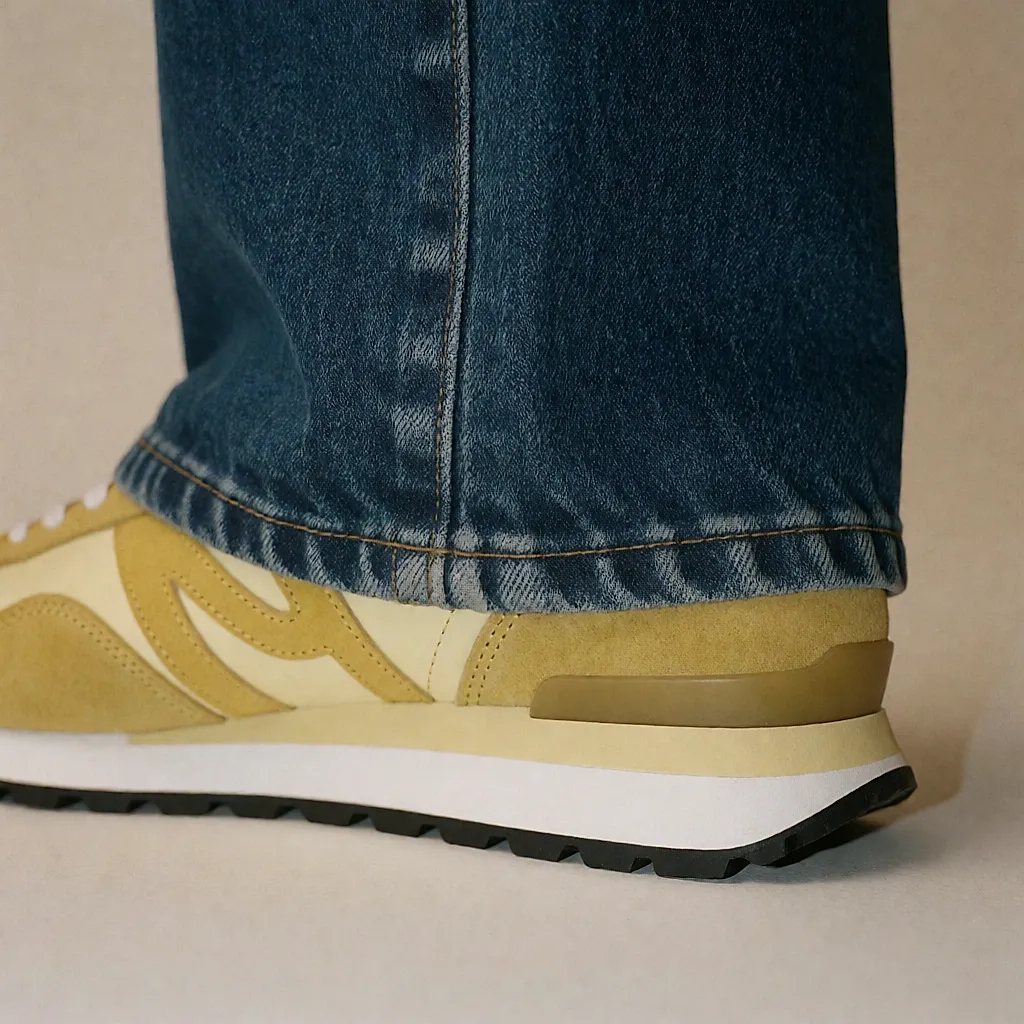
It is your trousers that decide whether the bubble flatters you or swamps you. A straight or wide jean whose hem breaks on the top of the sole: perfect, the air chamber acts as a plinth. Trousers that are too long, that trail and catch on the heel: the bubble disappears, and the look goes with it. A cropped, ankle-length cut frees the ankle and turns the shoe into an anchor point — as long as you quite like showing your socks.
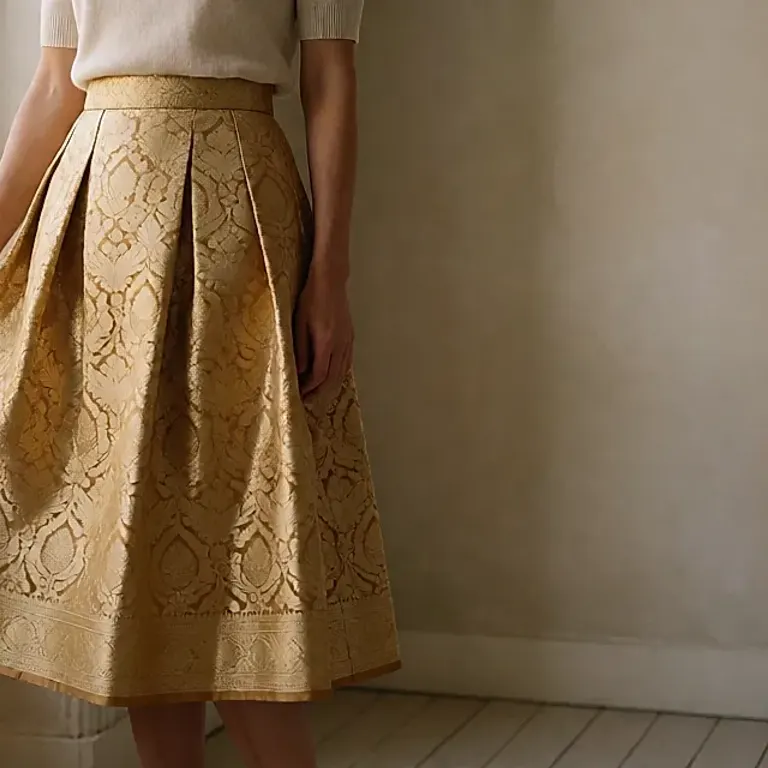
Skirts and dresses take to them better than you might think. A wool midi skirt falling over a bubble-soled pair creates a very neat contrast of materials: something soft above, architecture below. What you want to avoid is piling up soft volumes everywhere: baggy joggers, an oversize coat and a bubble leave no silhouette at all.
A bubble creases; it does not glue back
Here is the bit nobody mentions at the till: a damaged air chamber cannot be repaired the way leather can. When the bubble creases or punctures, it is the sealed envelope that has failed, and glue will not hold it. Reaching for the superglue will not seal anything: you will just set the material around it and damage the sole on the way.
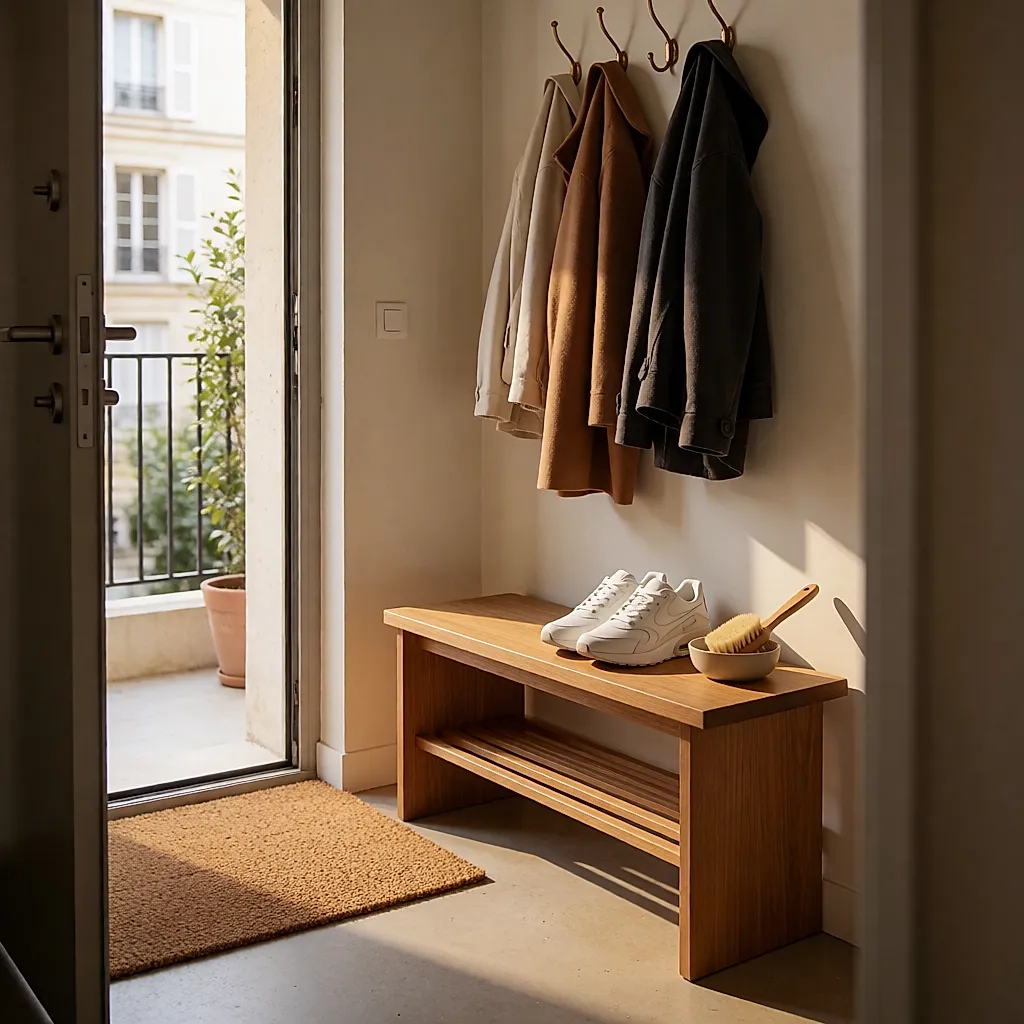
Prevention, on the other hand, does work. Use a soft brush and warm soapy water for pavement dirt, air-dry them, and never use a radiator or a tumble dryer, both of which soften the adhesives. Store them flat rather than stacked, and keep them out of a hot car boot in high summer. A bubble that has yellowed isn't dead, either: regular cleaning helps keep it looking its best, though it won't bring back the original clarity.
What it costs
Expect somewhere in the region of £90 to £160 for a new pair with a visible bubble from a high-street or specialist trainer retailer, and £60 to £90 in the sales or at end of line. Limited editions and collaborations push the price up; classic colourways bring it back down. Second-hand, a pair in good condition tends to sit between £35 and £80: check the clarity of the bubble and the wear under the heel, two areas far less forgiving than the upper.
On the heavier repair side, a cobbler can sometimes redo the outsole and the heel: budget £40 to £80 depending on the model. On an air-cushioned shoe it isn't always possible — ask before you commit, and remember a quote costs nothing.
Before you pay: take the time to actually walk around the shop, look at the bubble in profile to check it isn't sitting crooked, and flex the shoe at the toe. If the sole will not move a millimetre, a whole day in them is likely to feel much the same.
Which leaves the real question, the one you ask in front of the mirror: does this height feel like you? If you want a pair to wear for three years without a second thought, a flat, well-maintained sole remains a good choice. If you want one detail to wake up a pair of jeans and a blazer, the bubble does the job, and the advantage is that it registers immediately. Over to you — knowing that one of each is a perfectly legitimate position.

Comments
Your opinion matters: rate the article, react and reply to comments.
Comments are moderated; AI-assisted comments are flagged. Text emoticons (8-), :-), <3…) are automatically shown as images.