
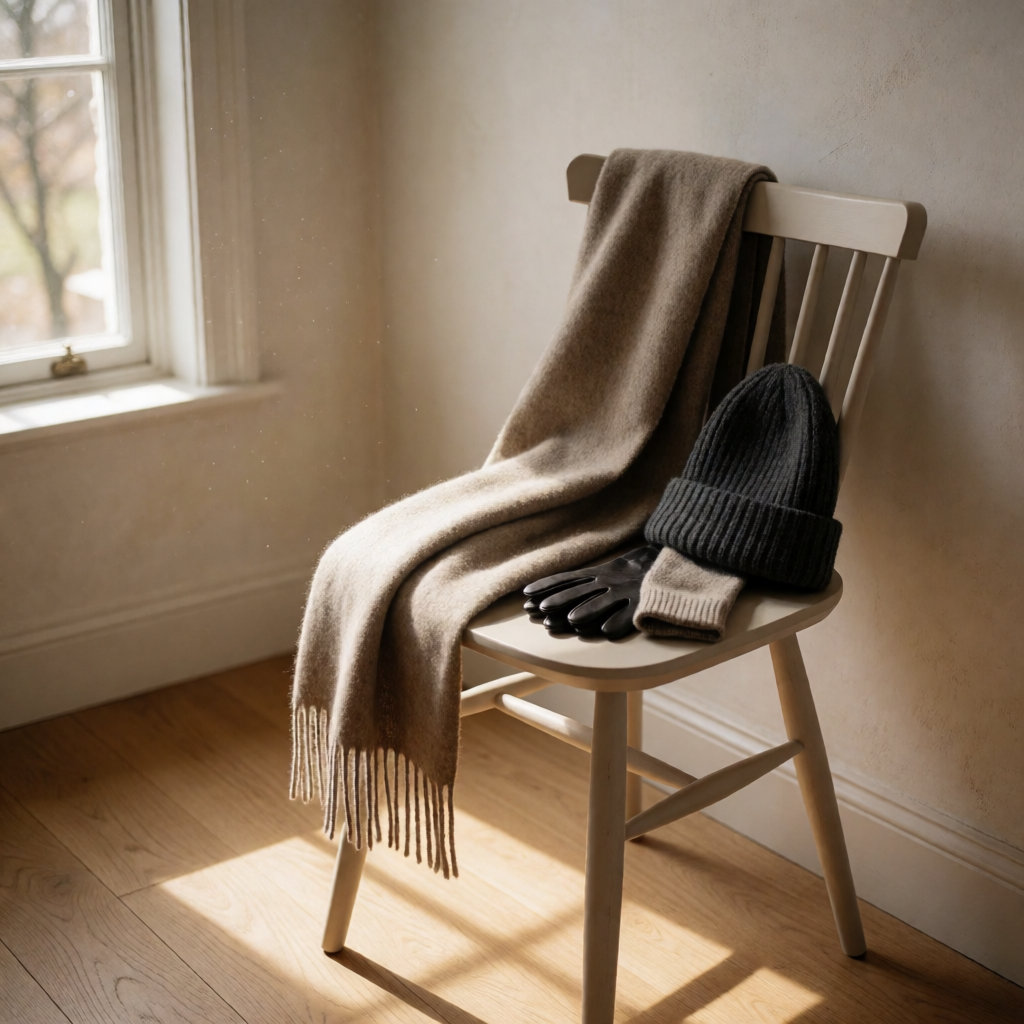
There's that moment in January when you push open the front door, walk ten metres, and realise your coat won't be enough! The wind finds the back of your neck, your fingers stiffen around your keys, your ears burn within two minutes. And yet it's never the big pieces that save you in those moments: it's the accessories you slipped into your pockets the night before. Scarf, hat, gloves, socks: that's the little squad that changes everything. We're running through the plan, from the most visible to the most intimate — but be warned, some details bite!

Scarves and hats: start at the top
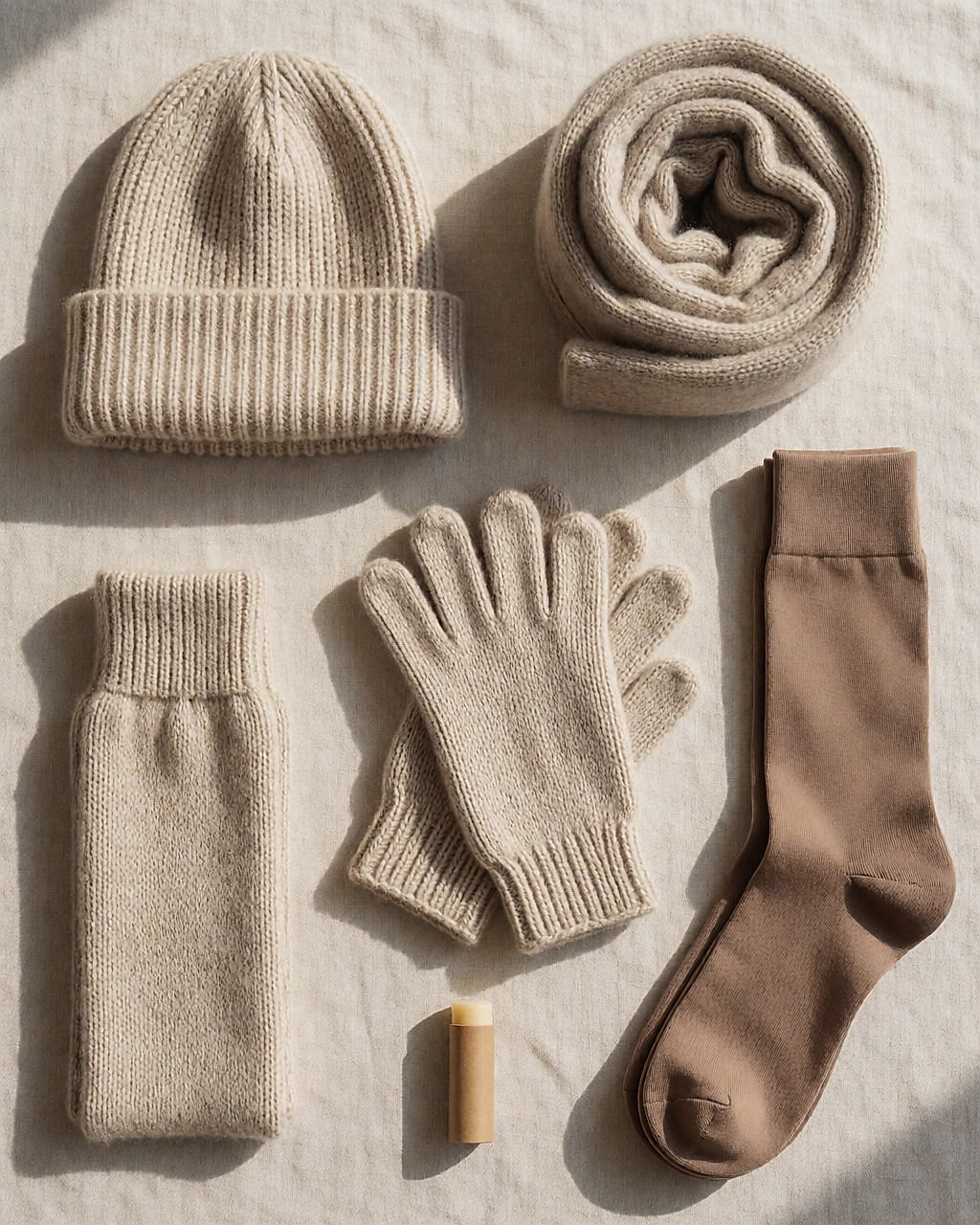
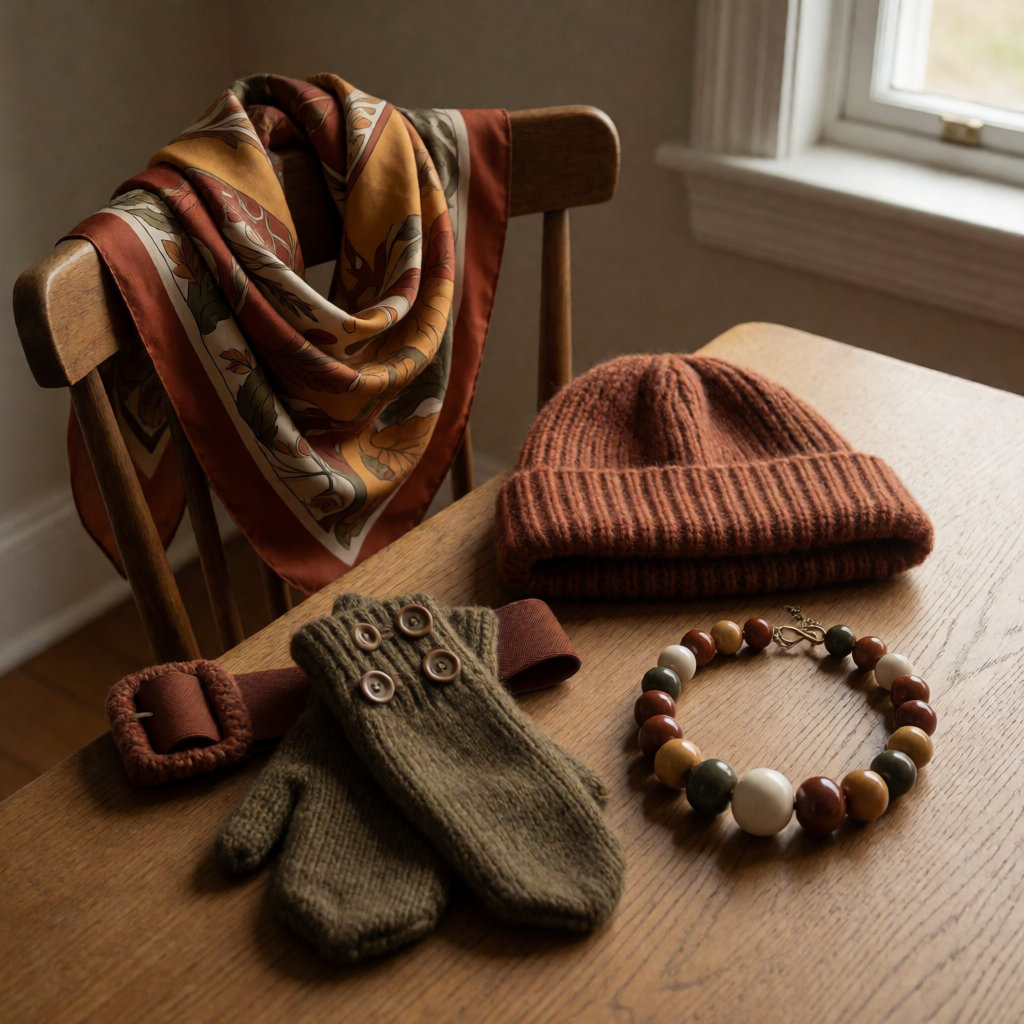
Cold gets in through the head and neck, as everyone knows, and it's also the area people notice first. So it makes sense to style the silhouette from the collar up. With a scarf, the material matters more than the colour: a wool-viscose blend gives a soft drape that won't bulk you up under a coat, whereas acrylic alone loses its shape and pills within weeks. If you fall for a print, keep it to the scarf: it becomes your statement piece, and everything else in your wardrobe stays neutral.

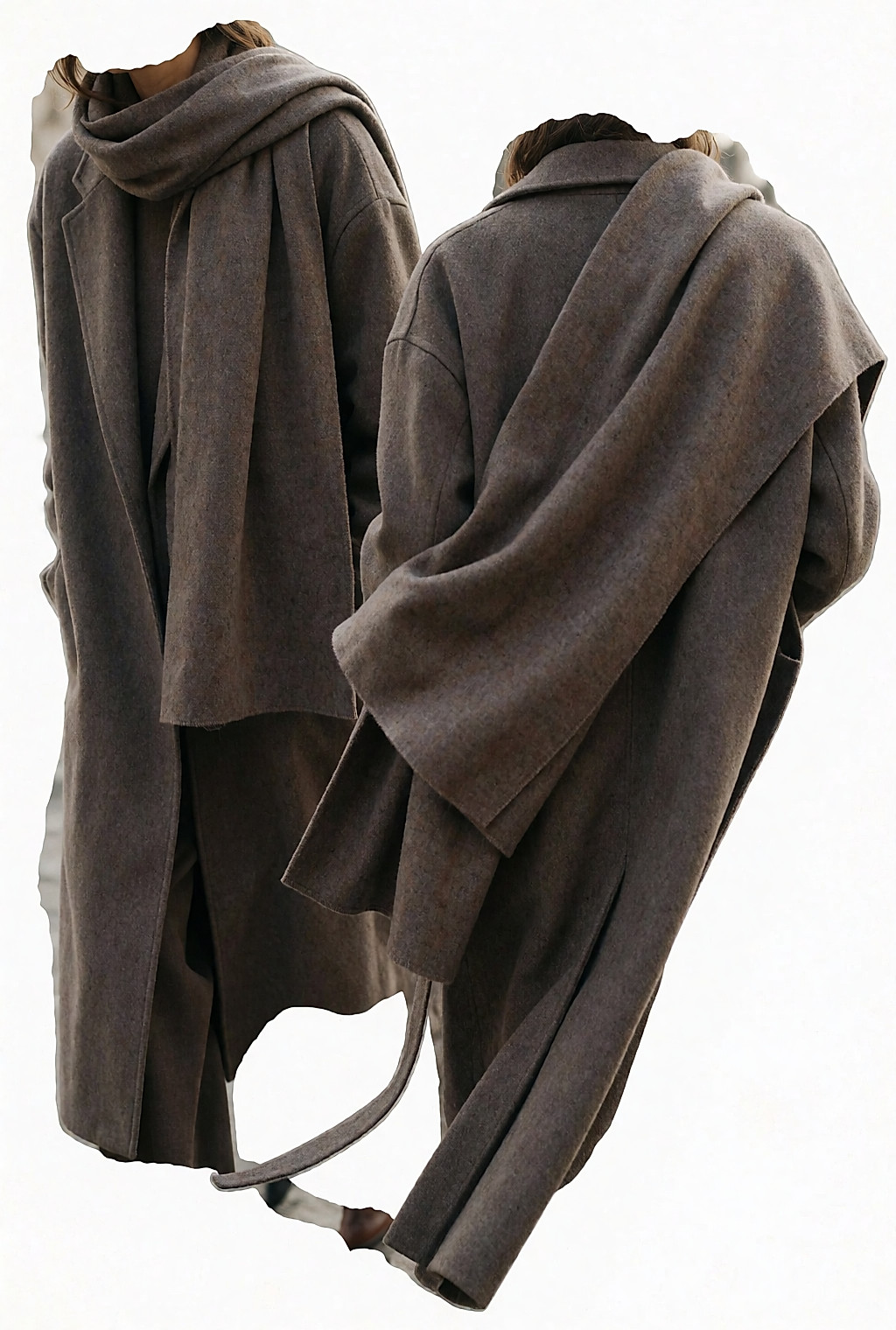
When it comes to wearing it, there are two schools. A wide scarf can be thrown over one shoulder without a knot — the coat's line stays clean. A fine scarf, meanwhile, takes a tight knot and slips under a turned-up collar, perfect for layering. It's up to you and your hero piece.

A hat, then, is all about cut. Tight knit to hug the skull; generous knit to add volume and balance a long coat. The pom-pom, long considered naff, now signals a fully committed look — as long as you don't pair it with a pom-pom scarf, unless you want to look like a Christmas tree!

Two labels are worth a look if you want a slightly more ethical piece. GOTS covers organic cotton throughout the chain, from field to finished garment, with chemical and social criteria. RWS, run by Textile Exchange, covers sheep welfare and wool traceability. Neither promises an eternal piece, but both are verifiable: no greenwashing here.
Gloves, earmuffs and socks: the details that matter
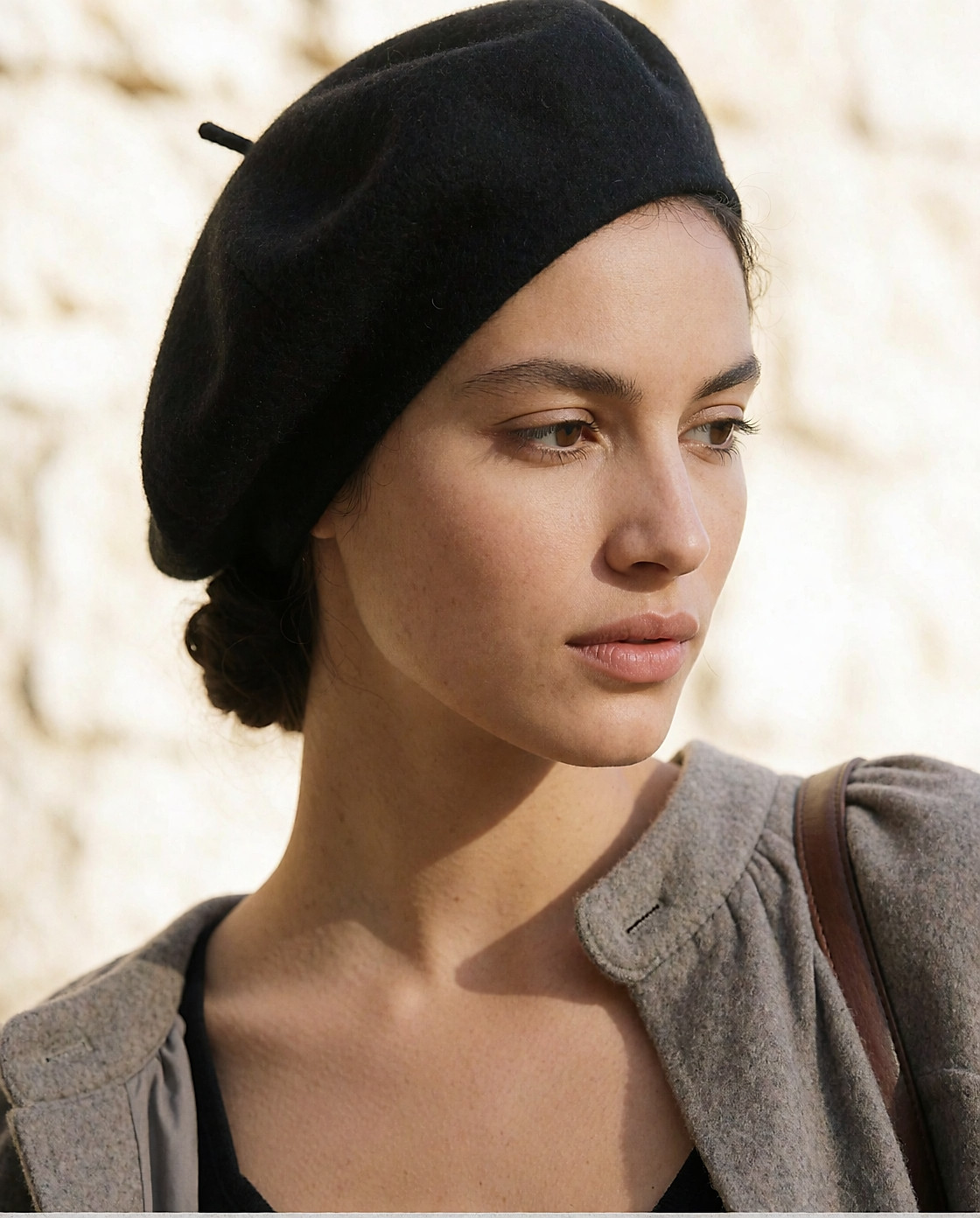
Let's be honest: leather is expensive, and it's worth it mainly if you look after it. A short lambskin pair, nourished once a season, will see you through several winters without complaint. If the budget won't stretch, recycled wool or a wool-polyester blend does the job very well, provided you accept a knit that relaxes a little over time.
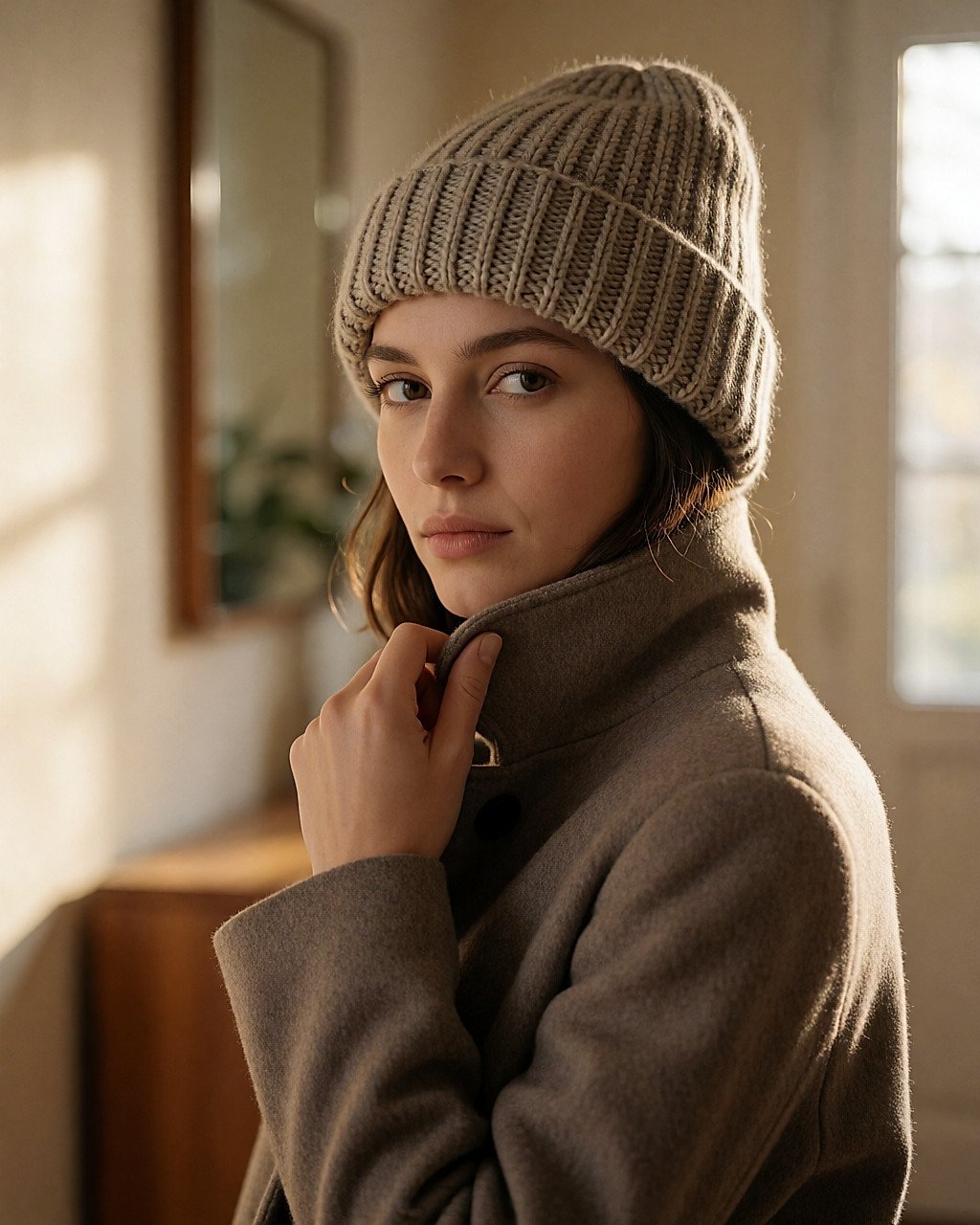
Earmuffs have a bad reputation, yet they solve a real problem: ears that burn in the wind! As a knitted headband, they sit over a bun without crushing your hair. Choose a material that doesn't itch — otherwise you'll leave it at the bottom of your bag after the first outing, promise.

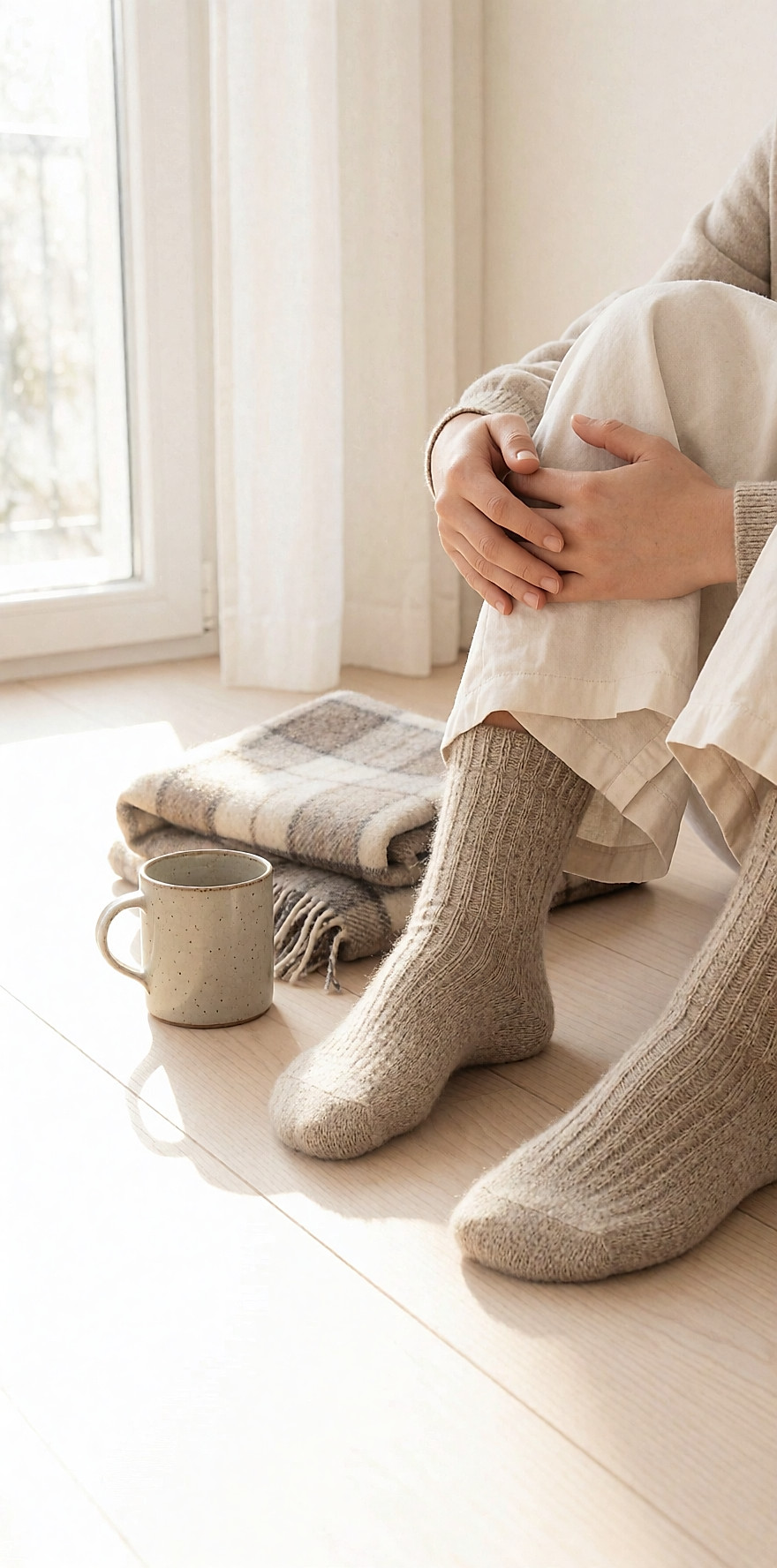
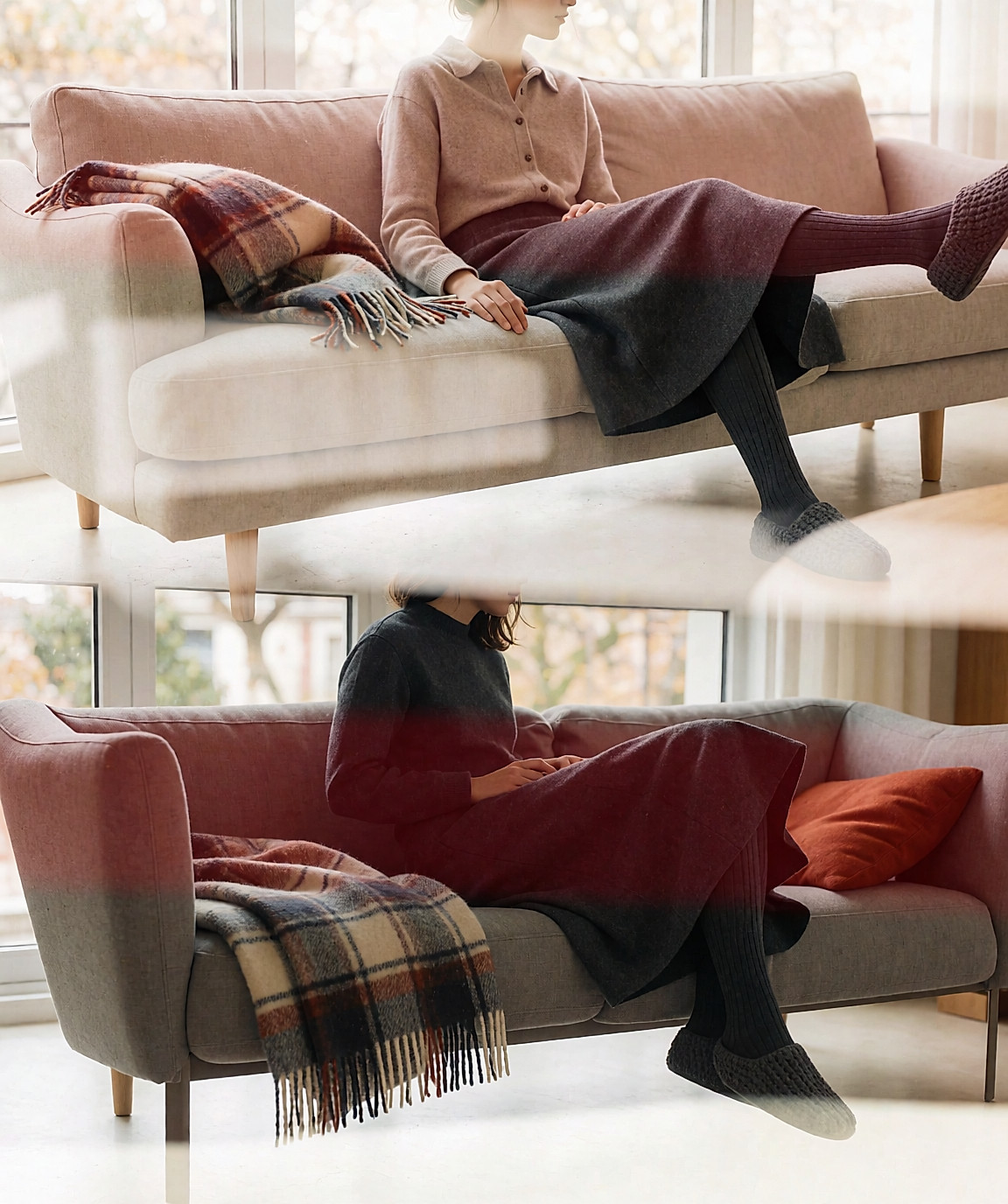
At home, merino wool socks change the game: the fibre regulates moisture, which limits damp feet when you're curled up under a throw for hours! The move that makes it all last? Wash at 30°C, inside out, dry flat. ADEME recommends this for textile lifespan, and honestly, it's not much to ask for socks you want to keep for years.

Tights and leggings: what happens under the skirt
A skirt in winter is no challenge: it's a question of texture. A ribbed 80-denier opaque tight looks dressier than a plain legging, and a lined tight remains the most discreet solution when the frost sets in. For the overall look, think total outfit: charcoal tights, wool midi skirt, flat boots. And if you add a print, keep it to one element — the golden rule.

Leggings, meanwhile, belong to the cosy camp. A thick knit with a little elastane holds its shape; a 100% acrylic knit eventually sags at the knees. It's not the end of the world, but it's good to know before you snap up a £5 pair.
Lips and hands: the skincare side
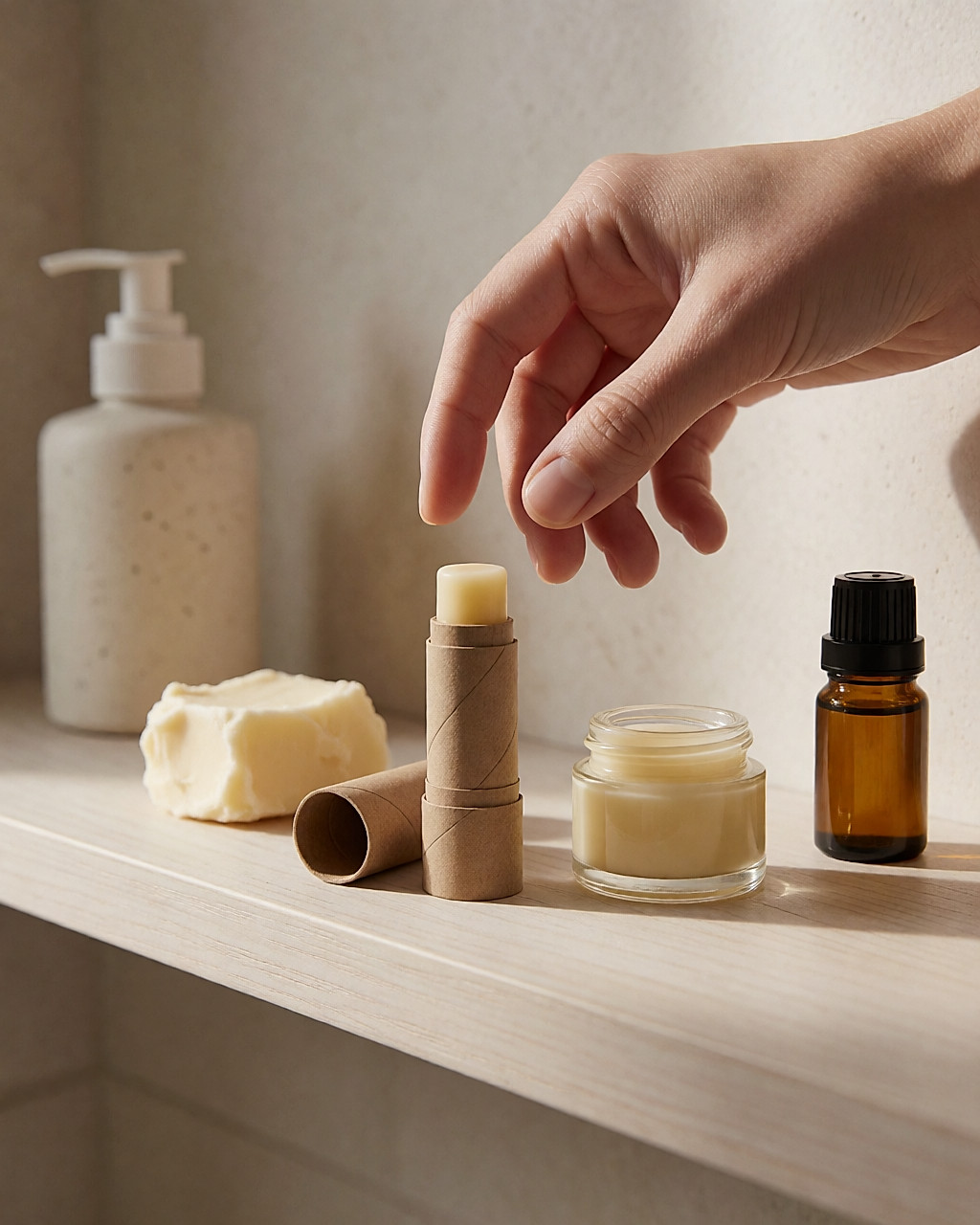
Lips are the first to feel tight when temperatures drop, because the skin there is very thin and has no sebaceous glands. A balm with beeswax, shea butter and sweet almond oil does the job: it limits water loss without a heavy occlusive effect. I haven't tested every balm on the market — I'm giving you criteria, not a selection.
The smart move is the format. A cardboard stick or a refillable glass jar can be kept and refilled; a soft plastic tube gets thrown away as soon as it's finished. It's not a detail: packaging can weigh heavily in a product's environmental footprint.
The step that makes the difference: at night, a thin layer of balm on your lips and on the backs of your hands. You sleep, it works, and you wake up without that tight feeling. And apply before you go out, not after: once the skin is chapped, balm soothes but doesn't repair.

Budget
Indicative UK price ranges:
- Scarf in wool or a blend: £25 to £70. Beyond that, you're often paying for the brand or a noble fibre such as cashmere.
- Hat: £12 to £35.
- Gloves: £12 to £30 in knit, £35 to £110 in leather.
- Earmuffs or headband: £12 to £35.
- Merino socks: £10 to £22 a pair.
- Opaque tights: £8 to £22.
- Lip balm: £4 to £12, often cheaper as a refill.
What changes the price: the material, whether it carries a label (GOTS, RWS, GRS), European manufacturing and the distribution channel. Supermarkets and fashion chains for entry-level, charity shops and second-hand for leather and wool at half price, designer-makers and specialist brands for longevity. Balms can be found in pharmacies, beauty halls and online.
Cold is never a reason to dress badly. A colour you love, a material that falls well, a controlled volume — and that small pride, in the morning, of stepping out knowing nothing will sneak down your neck. The real luxury in January is this: feeling good in your scarf.



Comments
Your opinion matters: rate the article, react and reply to comments.
Comments are moderated; AI-assisted comments are flagged. Text emoticons (8-), :-), <3…) are automatically shown as images.