
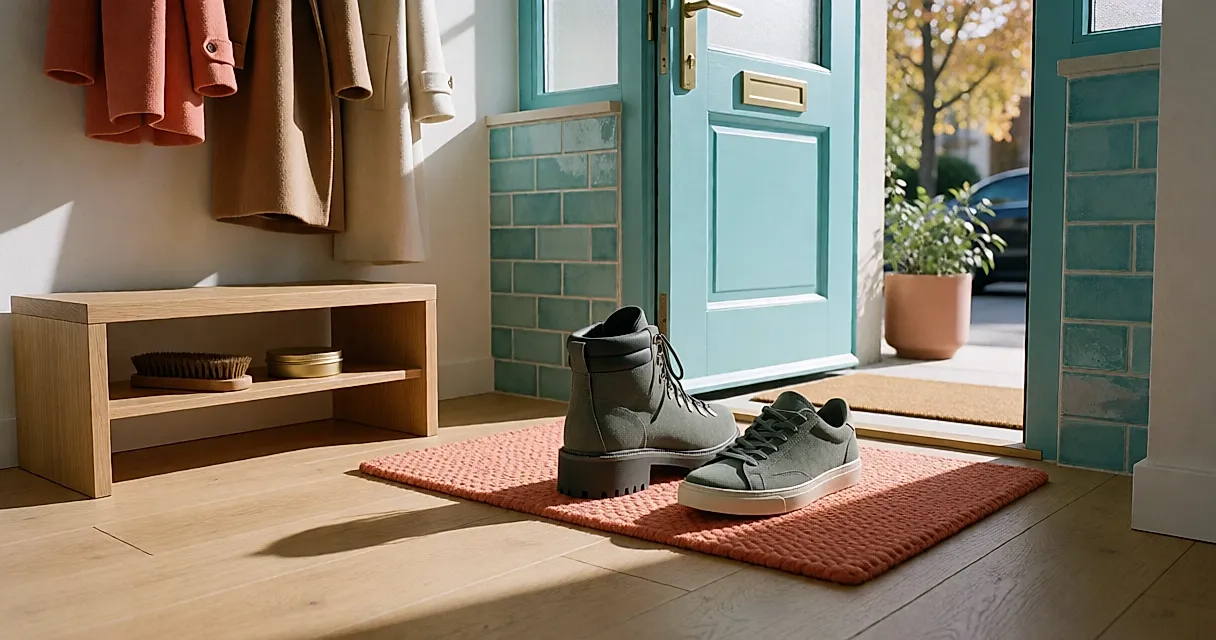
Turn a hiking sole over and it looks like a miniature tractor tyre: deep lugs, grooves running in every direction, a block of rubber that looks ready for anything. It is reassuring, almost comforting — and it is exactly what becomes complicated once the shoe meets paving. On the soft earth of a trail, those lugs bite; on a hard, smooth surface, only the tops of the lugs make contact. On wet paving or polished tiles, grip can be less predictable than on earth, and the rubber can wear faster on hard ground: that is where the lifespan of the pair is largely decided.
How wet paving changes grip and wear
Grip often comes as a surprise. On wet paving or polished tiles, a hiking sole is not magic: its tread is designed for soil, not stone, and traction there can be less predictable. Hard ground can also wear the rubber down faster — concrete, asphalt and paving slabs blunt the lugs over time. In practice, if you walk in the city every day, the pair can lose its tread more quickly, and with it some of its grip; that is a factor to weigh before buying. And stability? The broad base feels reassuring when you are standing still, but a higher foot position and a firm sole make themselves felt on station stairs and when you change direction quickly. Nothing dramatic; your foot just works a little differently.

Another city giveaway: on tiled floors, the lugs clack. It is a sharp, very recognisable sound that follows you from the open-plan office to the coffee machine and gives you away before you have even arrived. It is not a deal-breaker, just something to know: a hiking shoe does not do discreet.
What a hiking sole is built for, and what gets harder in town
A hiking shoe is not designed to look pretty under a skirt. It answers to shifting ground: the lugs seek purchase in soil, mud and loose stones; the cushioning absorbs the bumps of uneven ground and the kilometres of descent; the upper, higher and firmer, holds the ankle when the foot threatens to roll. Three answers to three trail problems.
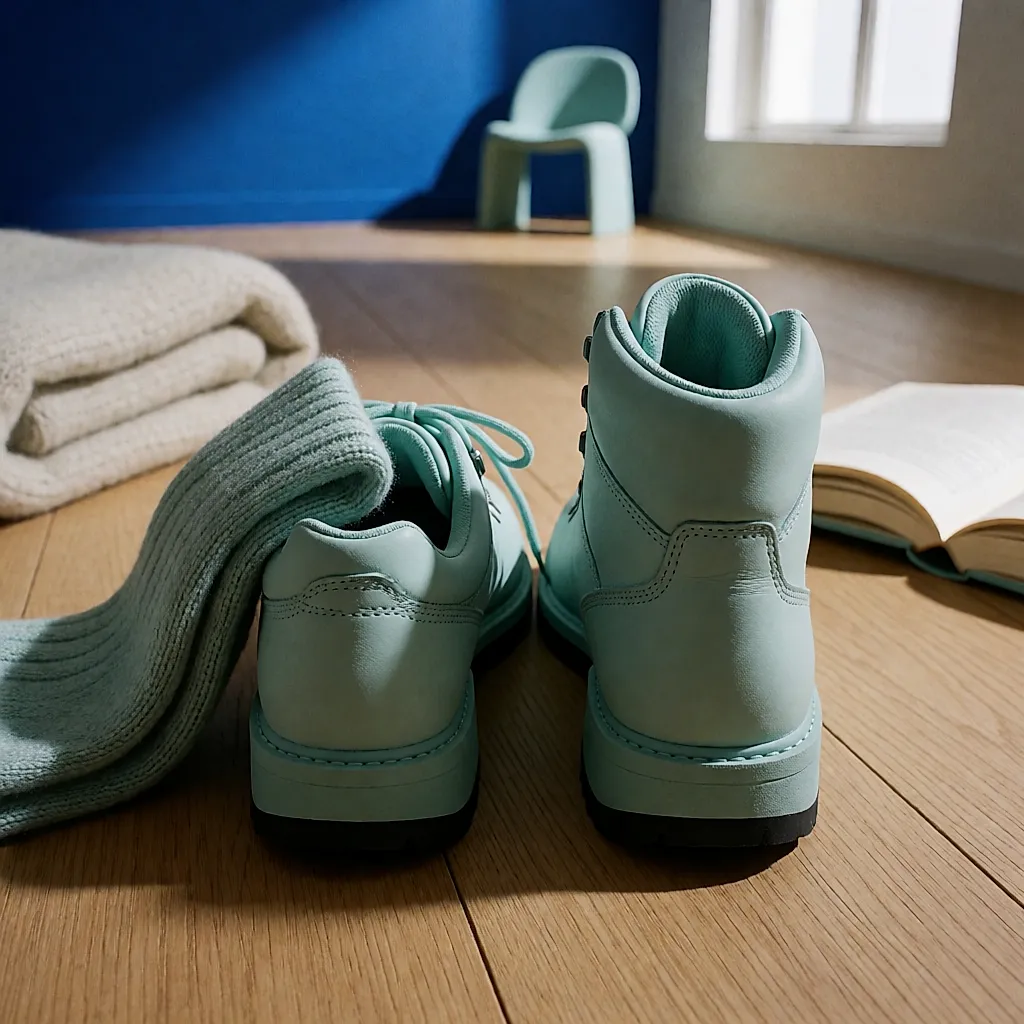
In the city, those problems change nature. The ground is flat, regular, sometimes made slippery by rain — but it does not give way underfoot. You end up with a shoe that protects you from things that do not happen, and asks for a short period of adjustment in return. The foot sits higher, and the sole filters out more of the bumps. Comfortable, yes. But you also lose some feedback from the ground, and some people like to know exactly where they are placing their feet.
What a pair of hiking shoes costs for city wear
Expect to pay roughly £80–£140 for an entry-level all-round hiking pair, and £140–£215 for more technical, lighter or better-cushioned models. A classic city trainer tends to sit between £50 and £110: the price difference is less about style than about the work that goes into the sole and upper. You will find these shoes in specialist outdoor shops, on brand websites and, increasingly, second-hand — a lightly worn hiking pair is often a good find.
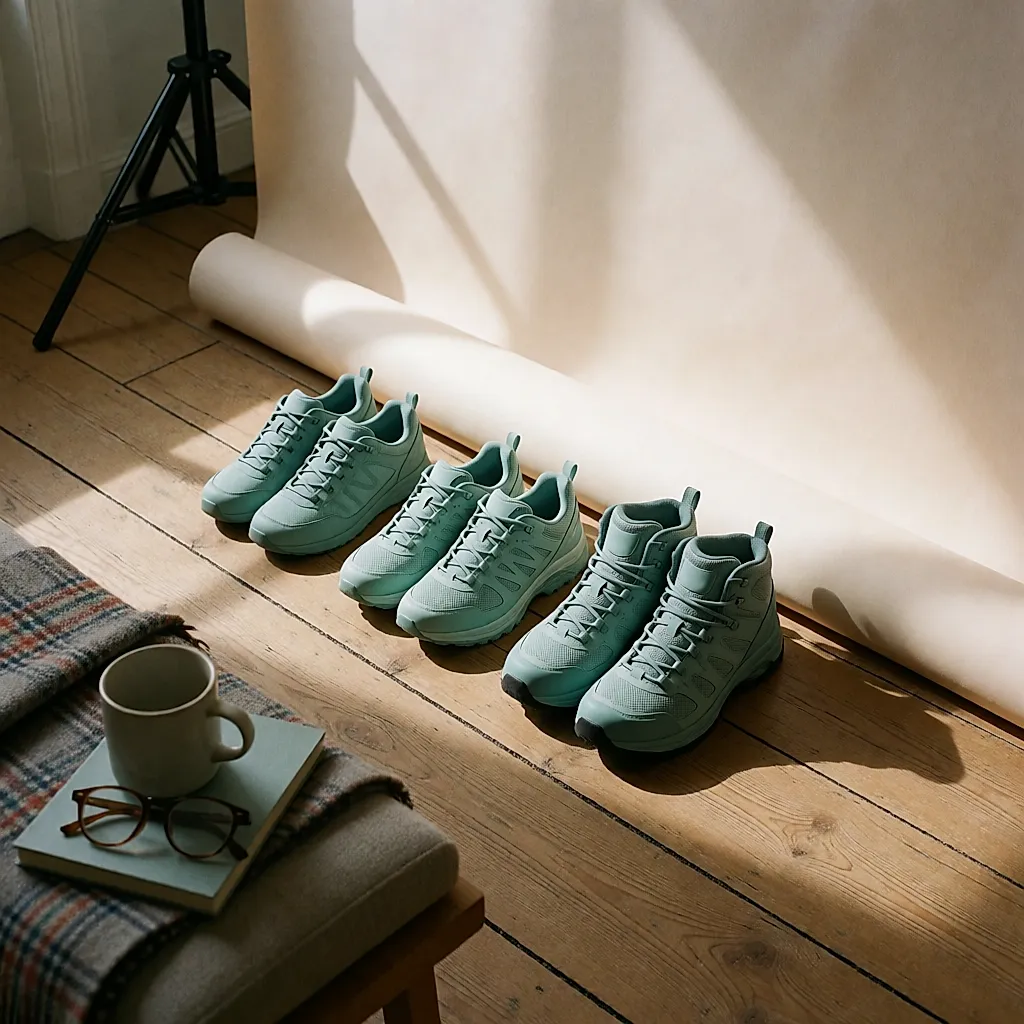
Think about aftercare, too: a shoe that can be brushed, washed and kept for several seasons can cost less than a pair replaced every year. Some brands offer repair or take-back schemes: it is worth asking before you pay.
How to wear them without tipping into fancy dress
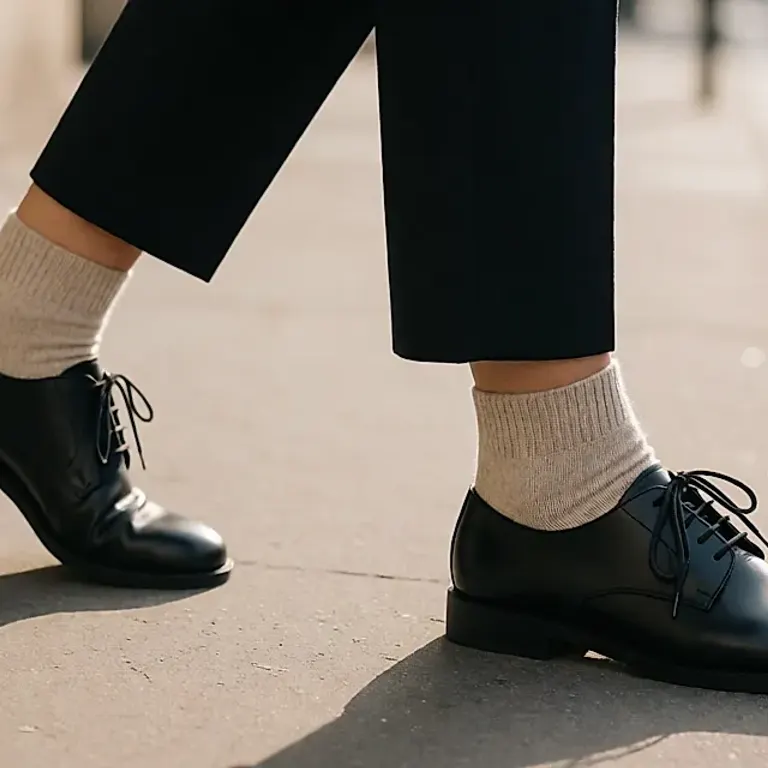
Silhouette-wise, an outdoor shoe brings volume. A lot of volume. That is exactly what makes it interesting: with wide-leg trousers that break over the shoe, straight jeans or a wool midi skirt with a good fall, it creates a contrast that works. A full head-to-toe look, however, needs restraint: one technical piece, and the rest in natural materials — wool, cotton, leather — otherwise you tip quickly into Sunday-hiker fancy dress.

And who is it not for? If you want a neat, discreet foot, look elsewhere: the thick sole and padded upper are not exactly delicate. Same if your daily life is very dressed up — a client meeting in trail shoes is a choice, not a given.
Three checks before you buy
- Try them on with the socks you will actually wear, at the end of the day, when your feet are a little swollen.
- For city wear, choose a low-cut upper: same volume, less restriction at the ankle.
- Look at the composition of the upper and lining, and check the proportion of synthetic fibres: it affects comfort and how well the shoe holds up over time.
That leaves a simple decision. If you walk a lot and comfort comes first, a soft low-cut hiking pair will do the job perfectly well on paving. If it is the look you are after, a city trainer with a lugged sole gives the same spirit without the clack in the corridors. And if you are still unsure, keep the proper trail pair for the trail: it will thank you, and so will your ears.

Comments
Your opinion matters: rate the article, react and reply to comments.
Comments are moderated; AI-assisted comments are flagged. Text emoticons (8-), :-), <3…) are automatically shown as images.