

On the main street of a ski resort, between the cheese shop and the ski shop, a window you would not expect. Inside: a deep armchair, a rug and nobody rushing you. You push the door out of curiosity and leave with a cashmere scarf and a fierce urge to come back in February.
The money has moved to a different street
For years, a house would open in Paris, New York or Milan and the world would come to it. The pattern has shifted. Grand fashion houses now have a presence in ski resorts and on the coast, where their customers spend their holidays: addresses that would have looked odd fifteen years ago. Not for the shopfront. For the woman who walks past three times a week on her way to buy bread.
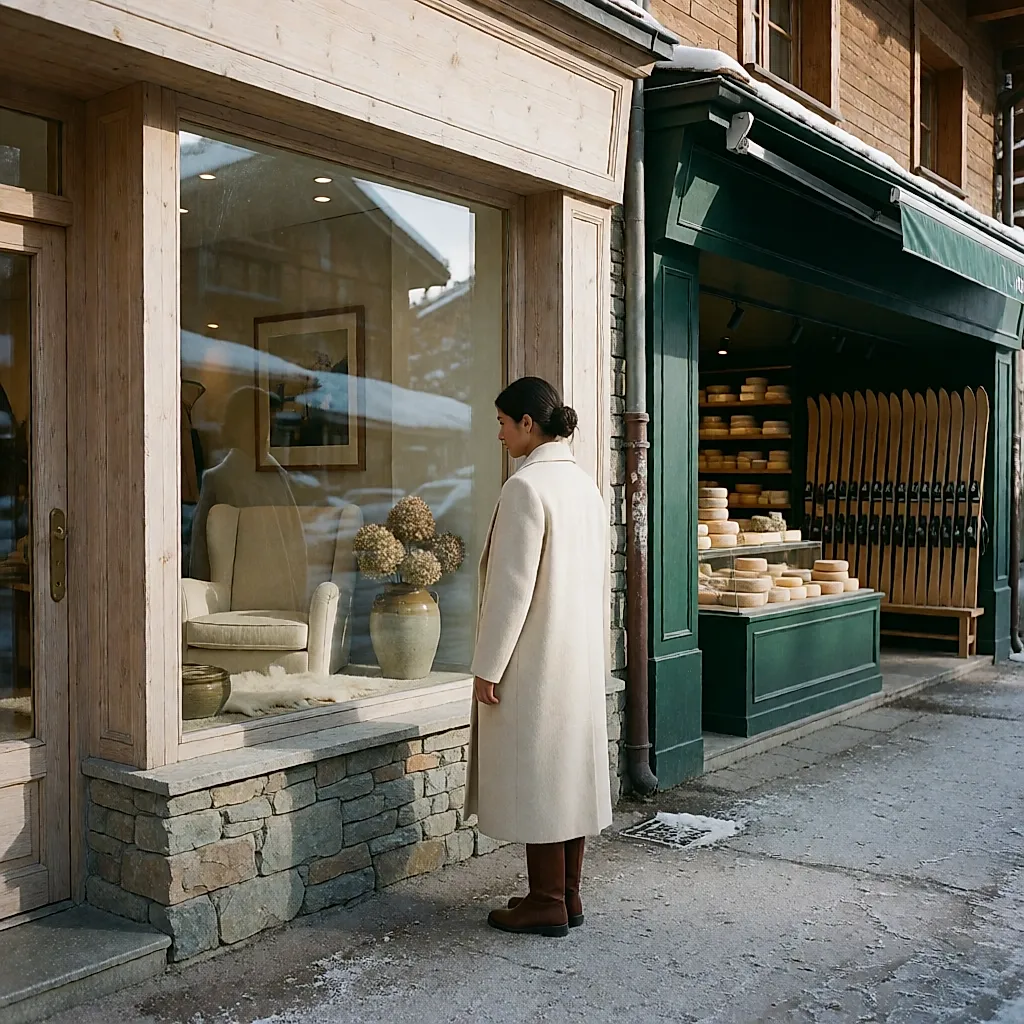
The shift does not stop at resorts. Regional cities, with their corporate headquarters and pedestrian centres, are welcoming boutiques that would have stayed inside Paris ten years ago. The logic is simple. A customer who lives and works there does not need a return train journey to try on a jacket; she needs the jacket to be twenty minutes from her office.
And that changes what the shop is for: the boutique is no longer about conquest; it is a local service. You do not go in to discover a brand; you go back because you already have your habits there.
Less theatre in the window
You may have noticed: the stock is not the same as on Avenue Montaigne. In a resort, the selection leans towards things that keep you warm and work with what you already own — cashmere, merino wool, leather, silk. Fewer statement pieces to admire for a season, more well-cut basics that you wear until they are threadbare.
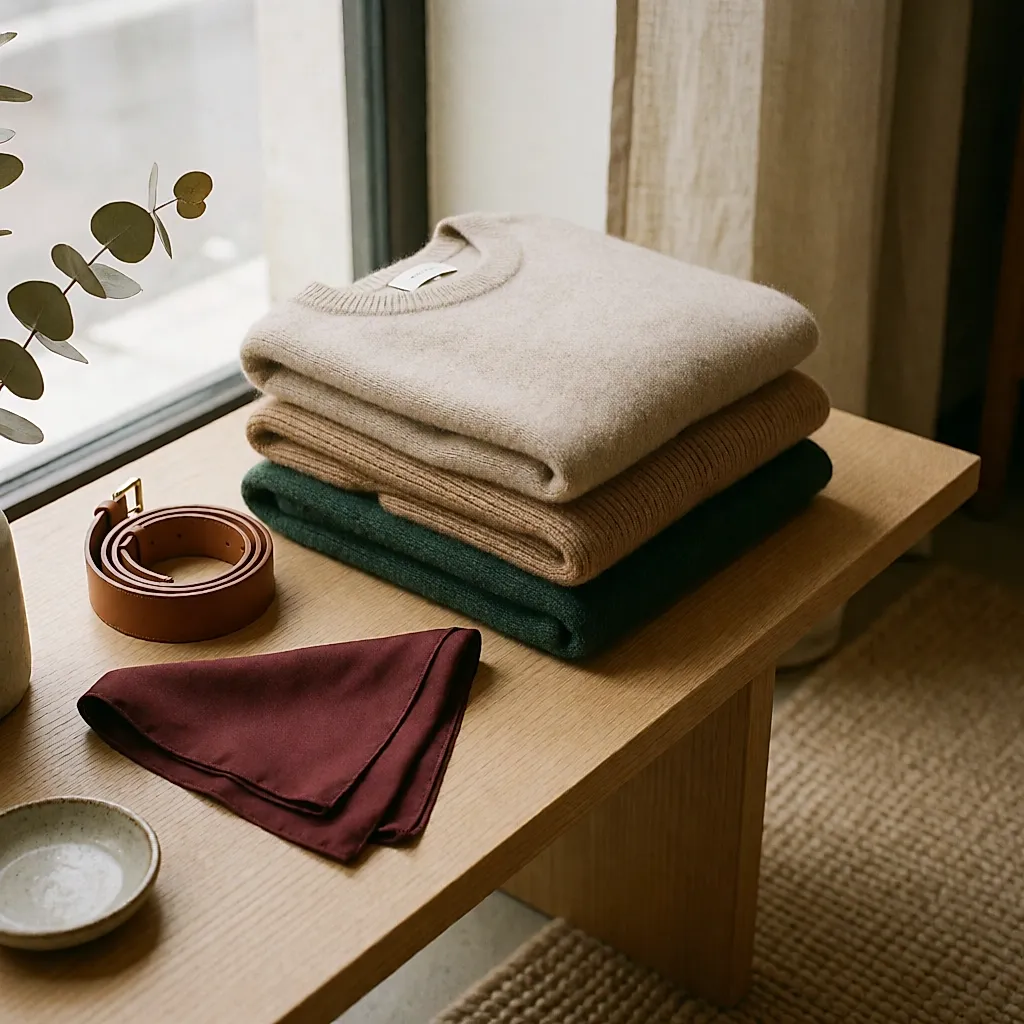
The result? A shop that feels less like a jewel box and more like a well-kept wardrobe. And the real luxury in these addresses comes down to a detail nobody advertises: sizing. A sales assistant who has looked after the same customer for five years knows she prefers soft shoulders and straight cuts. In practice, that means tighter buying, colours chosen for the local clientele, and far fewer 'sorry, we only have a size 6 left'.
What the counter does for you
This is where the difference lies, and it is not about the decor. Holding a piece until the weekend, reserving something before a collection lands, alterations, a fitting booked early in the morning or after 7pm: these are the gestures that bring people back. Not to mention the sentence you will not hear anywhere else — 'I'll call you as soon as your size comes in.' On its own, that is worth the trip.
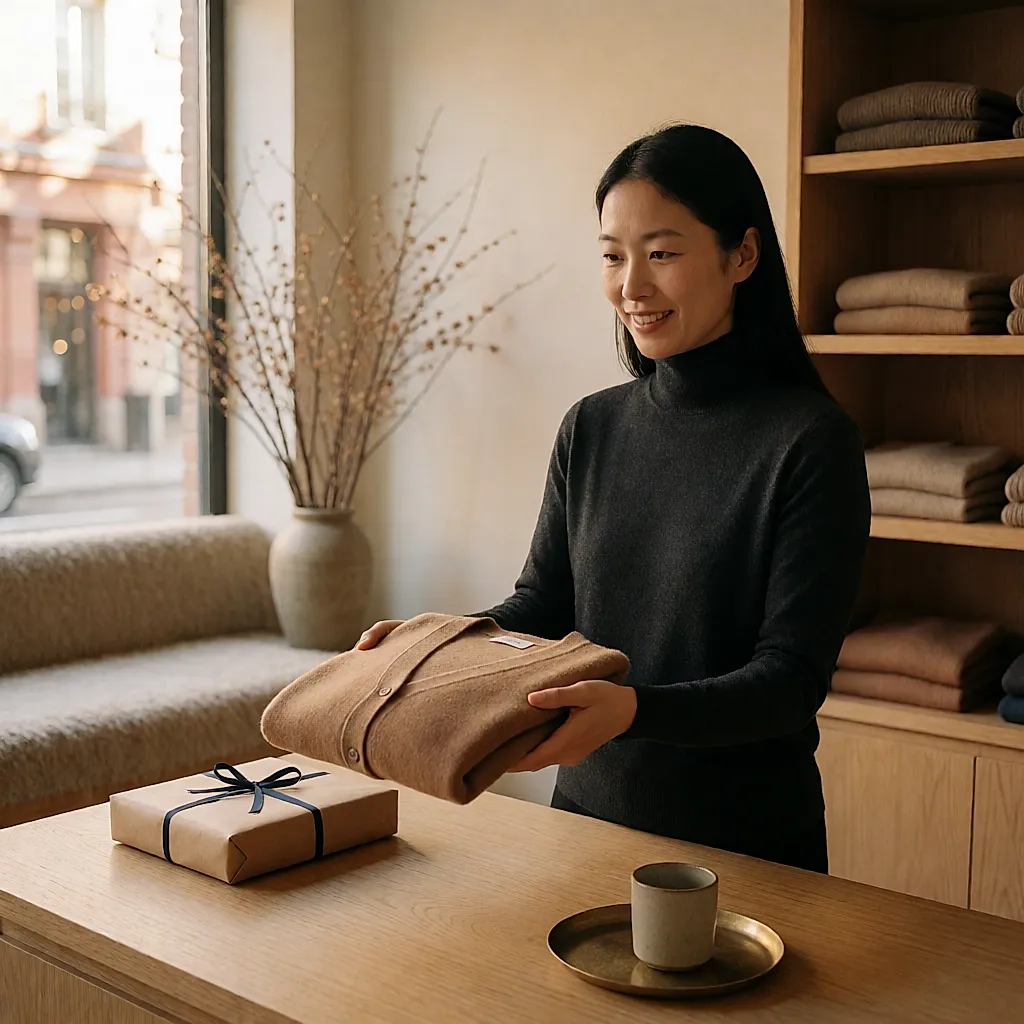
But a reality check: proximity does not mean a discount. These boutiques do not go into sale any faster than anywhere else, and the service included does not soften the price tag. It is a comfort, not a bargain. And if you are after the flagship department-store experience — fittings with music, decor designed to impress — you will be disappointed: here everything is quieter, quicker and more practical.
Budget
On price, these houses stay in their familiar territory. As a guide rather than a promise, think around £200 to £450 for a silk square, £350 to £900 for a cashmere jumper depending on the fineness of the knit, and £300 to £500 for a leather belt. What changes the bill? The material, the finish and the location — a resort often charges a little more than a city-centre boutique.
Where should you buy, then? The house's own boutique remains the best place to try, have alterations done and keep a relationship; the official website often shows the same prices, with less service; and second-hand, through consignment or specialist resale platforms, often turns up the classics at a much lower price. Alterations are frequently included with a purchase: ask at the till, not three weeks later.
Three habits for getting better service
- Go on a weekday, early in the afternoon: that is when there is time to show you the fabrics and look for a size in the stockroom.
- Ask for a hold before you decide — it is often possible for a few days, but ask in store.
- Check exactly what is included (alterations, packaging, returns between stores): the answer varies from one address to another.
Underneath it all, this shift says something simple: luxury is no longer only about the flagship you visit once in a lifetime, but about the one you pass without thinking, on a Tuesday morning, between errands. You do not need a train ticket to see a beautiful piece up close. You just need to know where it is waiting for you — and, if possible, to keep an excuse to go back.

Comments
Your opinion matters: rate the article, react and reply to comments.
Comments are moderated; AI-assisted comments are flagged. Text emoticons (8-), :-), <3…) are automatically shown as images.