
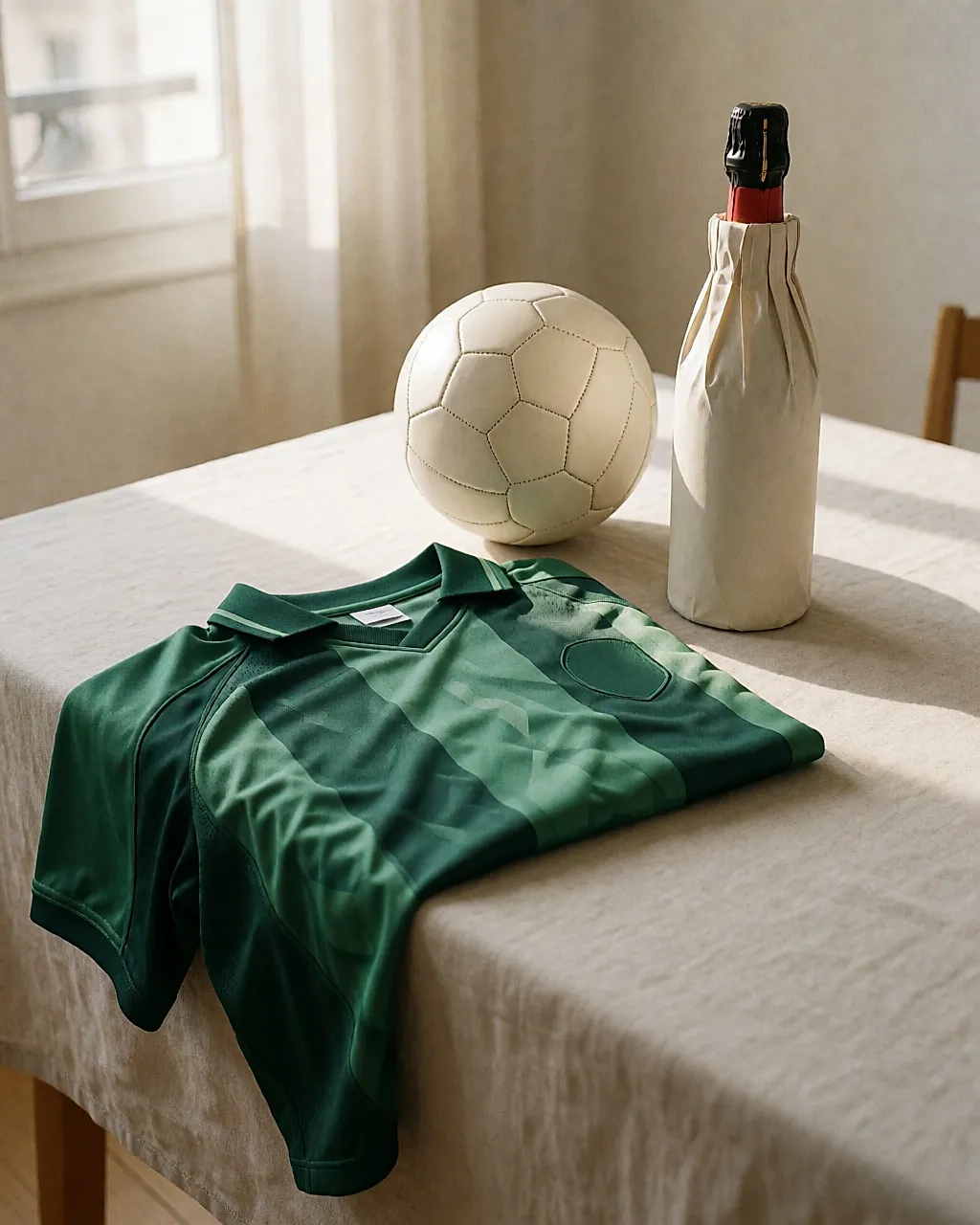
You will have seen these images on repeat since the tournament began: stadiums across the United States, Canada and Mexico, and a sea of football shirts in the stands and on the streets. The tournament is in full swing, but its wardrobe is still evolving. Slim-cut shirts, a ball that has become a design object, mascots in every size, and a special cuvée to toast a win. So we are reopening the World Cup wardrobe: what to keep, what to hunt down, and what to replace when it no longer works?
The football shirt: a statement piece for the supporter's wardrobe
Once again this year, the big kit makers — Adidas, Nike and Puma among them — supply many of the national teams. The cut remains fitted, the fabric technical, with ventilation zones positioned to follow the body. The football shirt changed status long ago: it is no longer just a T-shirt, it is the supporter's standout piece. On match day, but also in a relaxed head-to-toe look, it carries the outfit on its own.
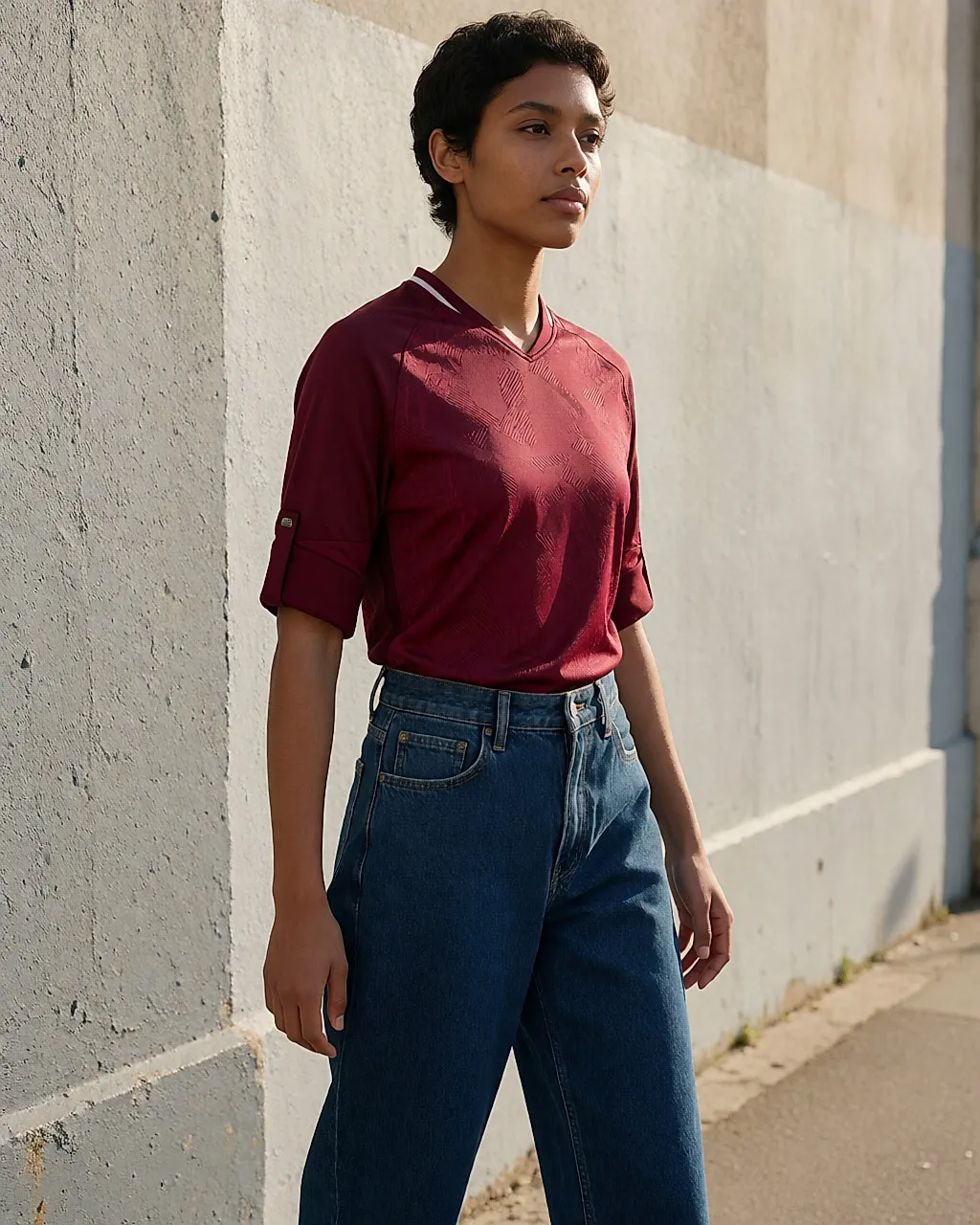
Many recent replicas rely on recycled polyester: lighter, with a drape that is often softer than it used to be. Budget-wise, expect around £75 to £95 for a 'stadium' version, a little more for a closer-fitting 'authentic' cut. But the smartest move is still second-hand: a shirt from a past tournament sourced on a resale platform is a wardrobe piece you will not see elsewhere, often £20 to £50.
A vintage shirt looks better slightly oversized, sleeves rolled up, with raw denim jeans or cotton shorts. When layering, one branded piece is enough to accessorise the look: piling on logos ages badly.
The ball: the object that changed the game
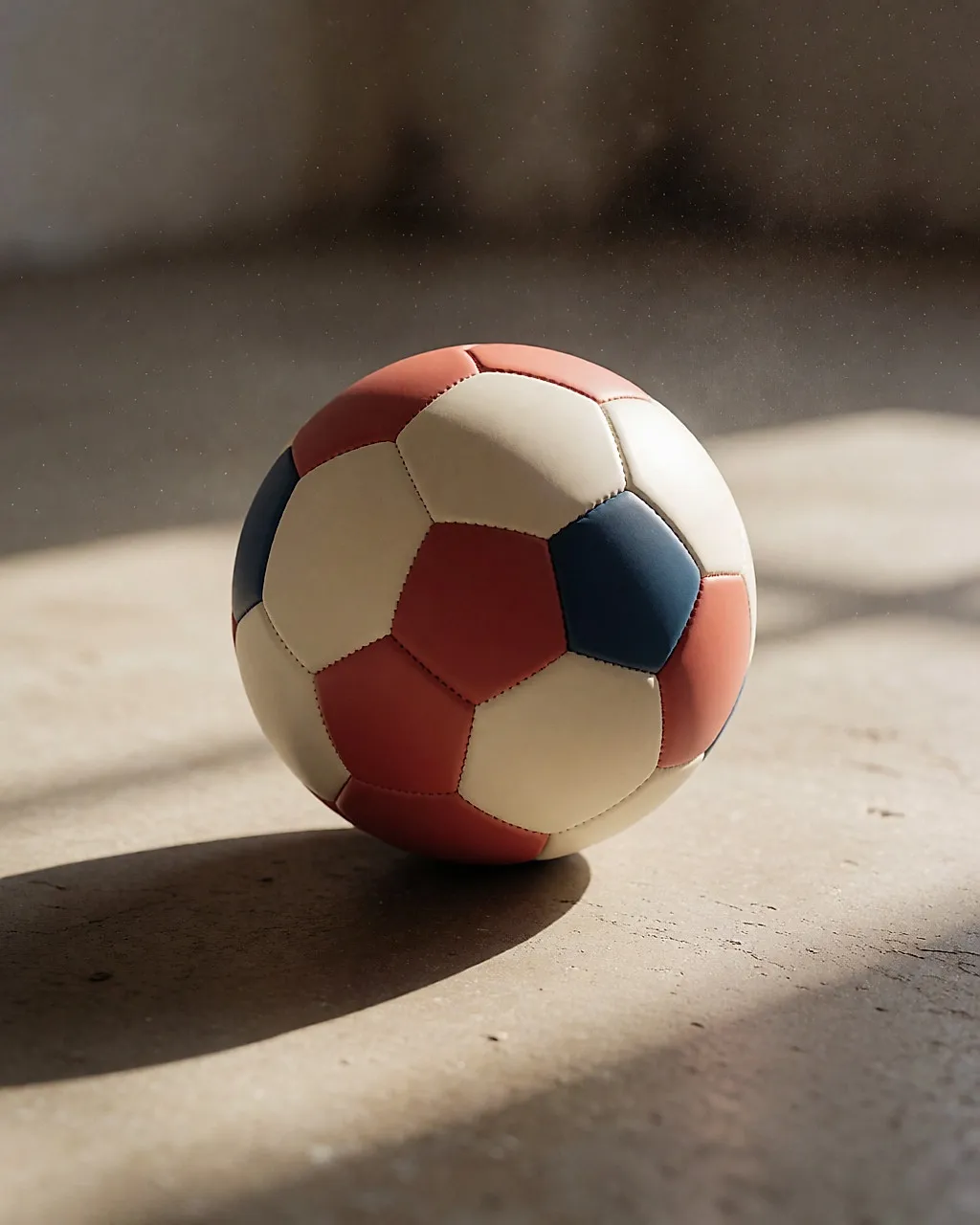
The official tournament ball, also made by Adidas, stands out, according to the brand, for its construction: heat-bonded panels joined to create an almost smooth surface. The stated aim remains the same — a more stable flight and better penetration through the air. For a recent match ball, expect £35 to £130, depending on whether it is a replica or a competition model. Official examples quickly become collector's pieces.
Champagne: the celebration in a glass
To celebrate a victory, commemorative cuvées remain a classic — the idea is simple, and it has been copied everywhere. If you want to stay in the same spirit today, look to producers with credentials: organic viticulture, environmental certification, lighter glass bottles. These are concrete cues on the label, provided you know what they really guarantee: an organic label covers how the vines are grown, not necessarily the absence of sulphites. A non-vintage brut cuvée is often around £25 to £45 in supermarkets. The trade-off is that a branded bottle remains more of a souvenir than a wine for keeping.

The referees' watch
Sports timing watches often work with a dual countdown and a vibration alert to signal the end of the forty-five minutes. Functional, not exactly fashion. This type of sports watch still exists, and its look has not changed: it is not the piece you would associate with a polished silhouette — unless you embrace a sport-chic contrast, pairing it with a fluid fabric to break up the technical feel.
The mascot: the souvenir that lasts
Tournament mascots usually come in every size: keyrings, pins, giant soft toys. A full wardrobe of merchandise, some of which ends up with collectors. Their status has changed: they are decorative objects, rarely accessories to wear, and even less so capsule wardrobe pieces.
Budget
| Item | Typical UK price range |
|---|---|
| Current replica shirt | £75 to £95 |
| Second-hand shirt | £20 to £50 |
| Match ball | £35 to £130 |
| Brut cuvée (supermarket) | £25 to £45 |
| Sports timing watch | £45 to £170 |
| Soft toys and merchandise | £13 to £25 |
The differences come down to material (recycled or not), finish (heat-bonded, embroidered) and where you buy. Official shops and wine merchants for new items; resale platforms and second-hand shops for pre-loved pieces. In stores and online, prices move quickly after a tournament: that is often when unsold stock and returns hit the second-hand market.
And if you want your piece to last, put your money into a shirt rather than a piece of merchandise: it is the only item on this list you will still wear well after the final whistle.
Sources
- Hosts, schedule and official tournament information: FIFA website (fifa.com).
- Official balls and manufacturing innovations: Adidas press office (adidas.com).

Comments
Your opinion matters: rate the article, react and reply to comments.
Comments are moderated; AI-assisted comments are flagged. Text emoticons (8-), :-), <3…) are automatically shown as images.