

We all know the pair you pull on in the morning for the office and keep on after work for an impromptu run. The two worlds overlap more and more, true, but a pair that does everything by halves does nothing well. Before you buy, look at your week: your dominant use should guide the choice, not the colour of the sole.

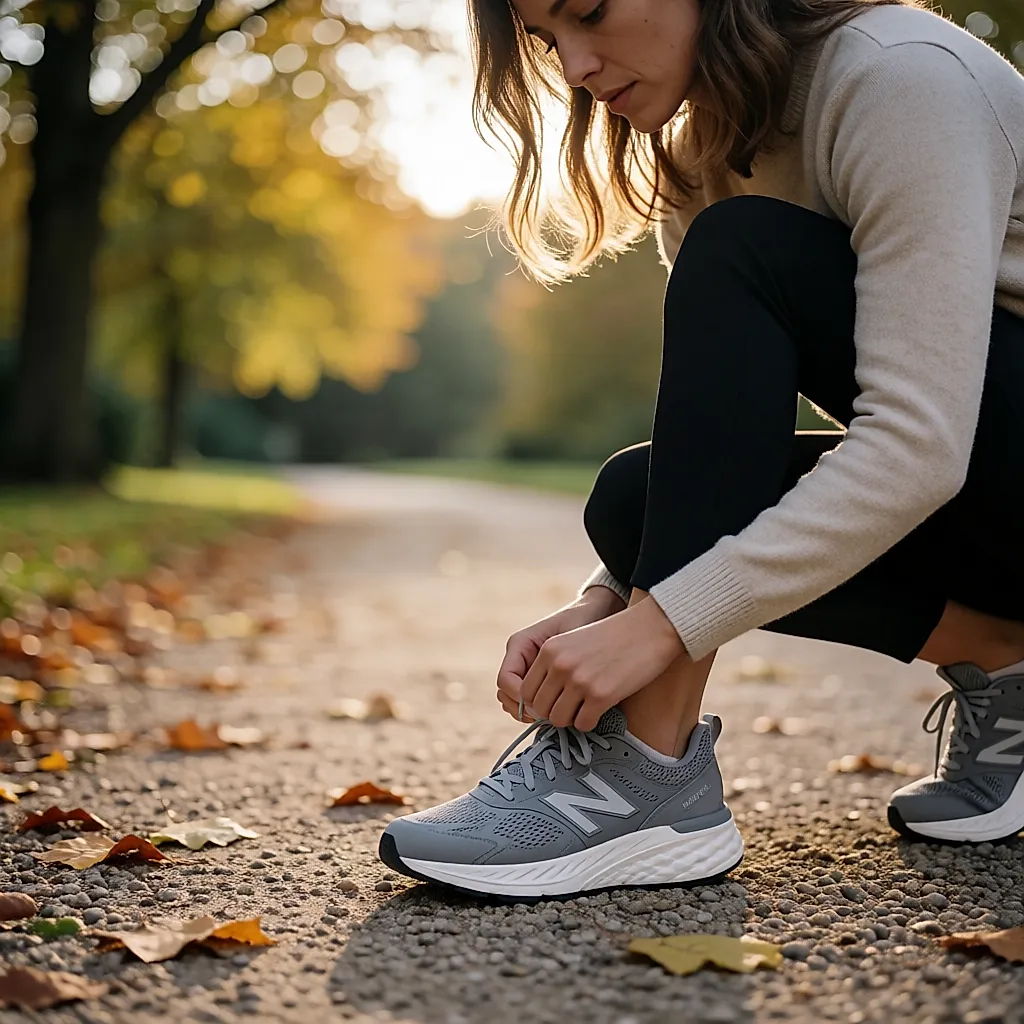
Pure sports trainers and city trainers demand different things, and the trap is believing one pair will solve everything. So we have looked at the families that still hold their own today, the ones you see on pavements and running tracks alike, and the ones that are genuinely worth the money. Budget matters, of course: you don't need the most expensive pair to look sporty without actually being sporty.
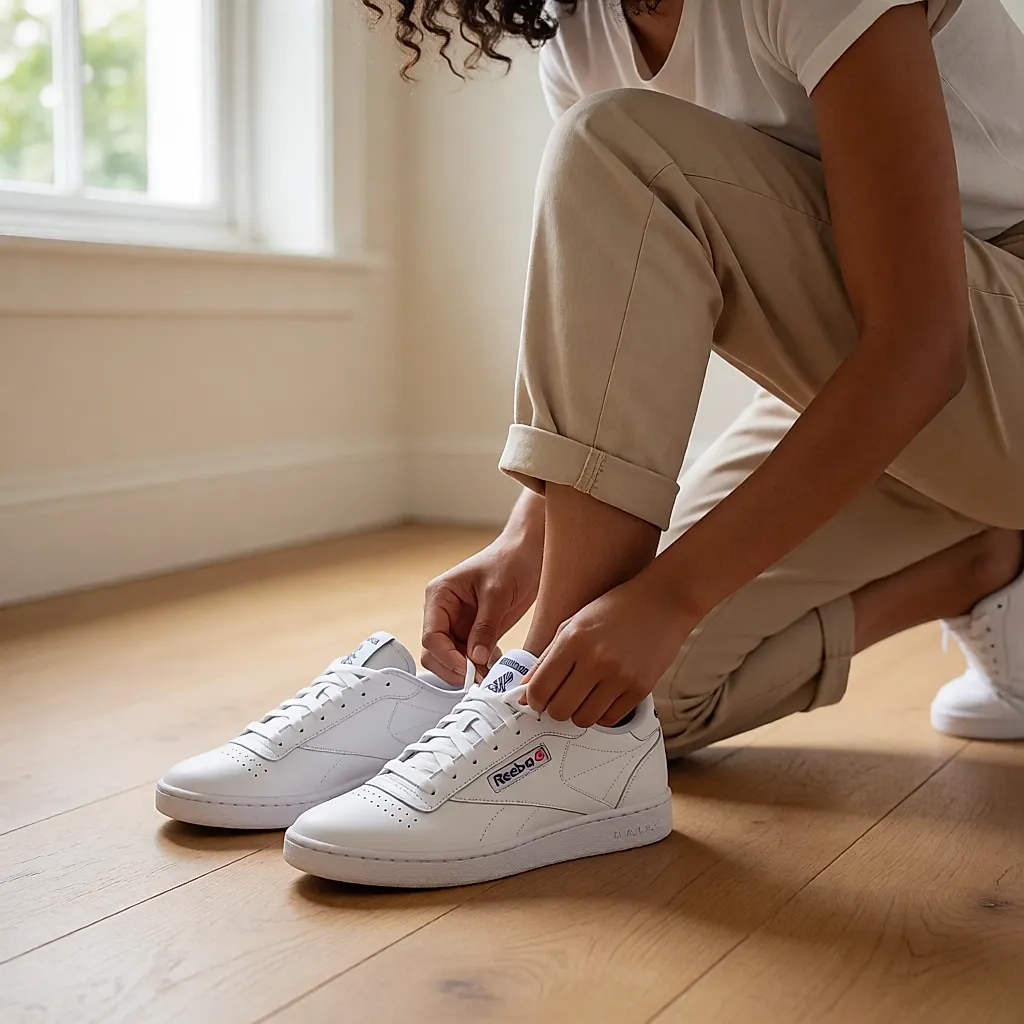
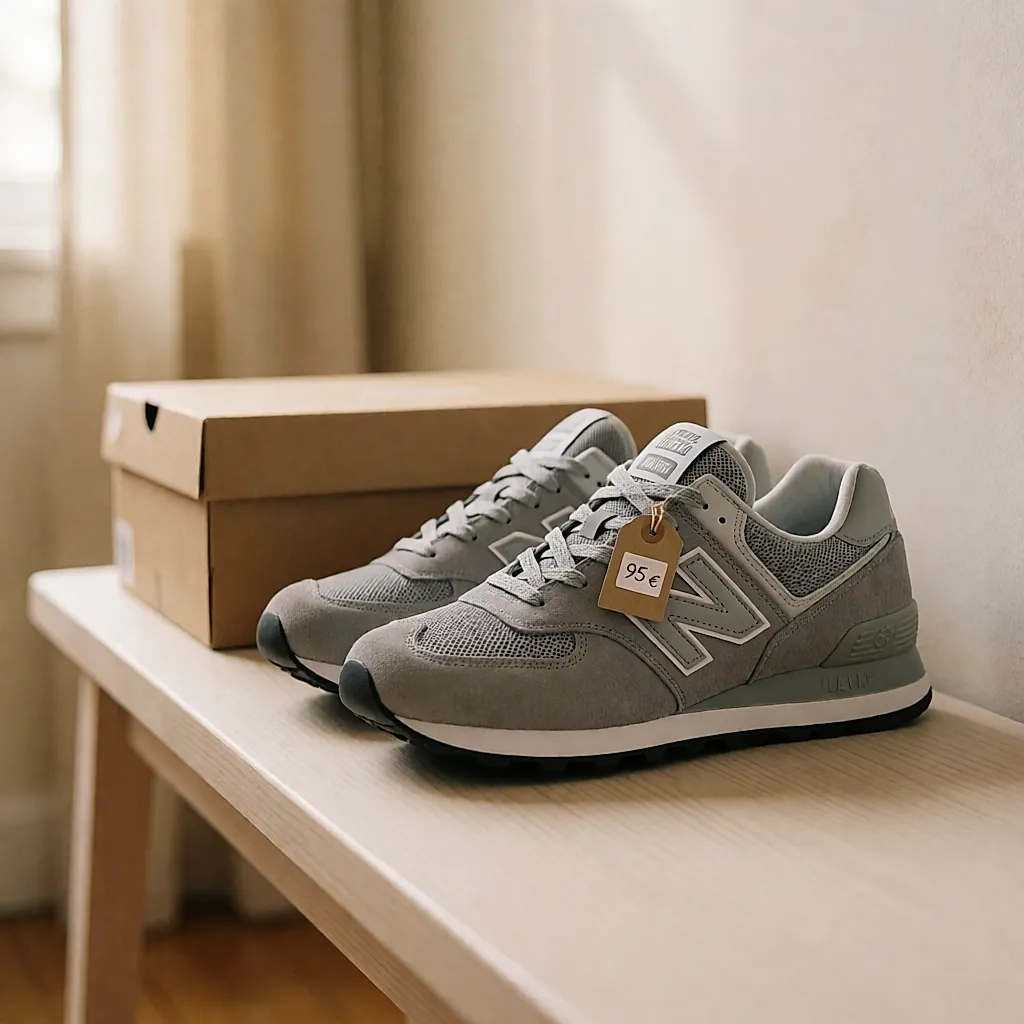
At Adidas, the Stan Smith and the Samba have survived decades without looking dated. The Reebok Club C 85, meanwhile, is a tennis shoe that became a walking shoe: understated and sturdy. At New Balance, the 574 relies on foam cushioning and, often, on several width fittings: a real comfort for long days on your feet. For the Stan Smith, expect to pay around £90–£110, and around £100–£130 for a New Balance 574. And do consider second-hand: you can find good pairs for £40–£60 on resale platforms, provided you check the wear on the sole.

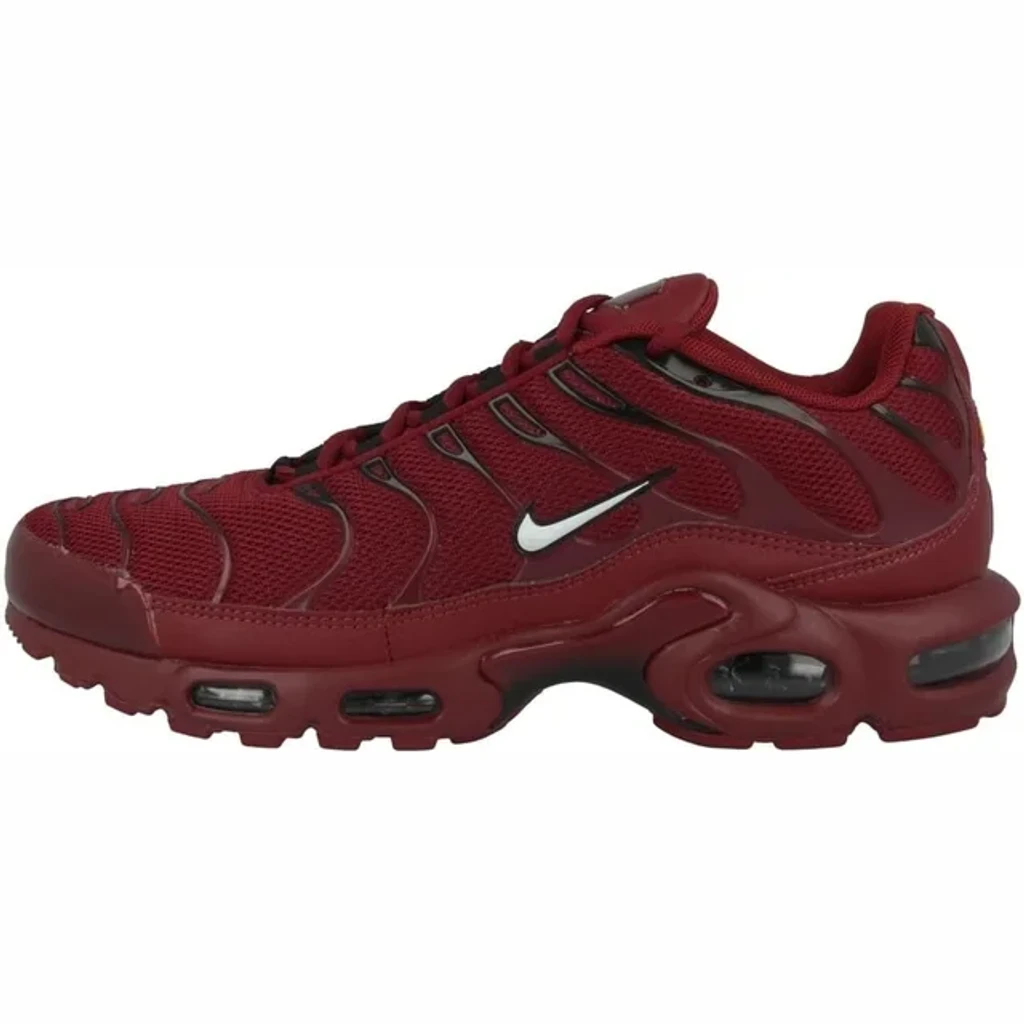
If you really run, though, you need to make peace with buying a proper running shoe. The Asics Gel-Kayano is designed for that. Expect to pay £140–£180 for a serious pair of running shoes; a running shoe wears down over the kilometres and gradually loses its cushioning, so it is not something you keep for ten years like a pair of city trainers.
Comfort is where people often go wrong: a well-chosen city trainer can be worn all day without a second thought; a running shoe is built for effort, not for standing up for eight hours straight. The right question isn't 'which is more comfortable?' but 'comfortable for what?'. A city pair and a sports pair each have their own territory, and that is already half the decision made.
For care, suede and mesh should be cleaned by hand with a mild soap and a toothbrush. Above all, keep them out of the machine: the glue and cushioning won't thank you for it. To make them last longer, alternate between two pairs; they will stay cleaner for longer.




Comments
Your opinion matters: rate the article, react and reply to comments.
Comments are moderated; AI-assisted comments are flagged. Text emoticons (8-), :-), <3…) are automatically shown as images.