
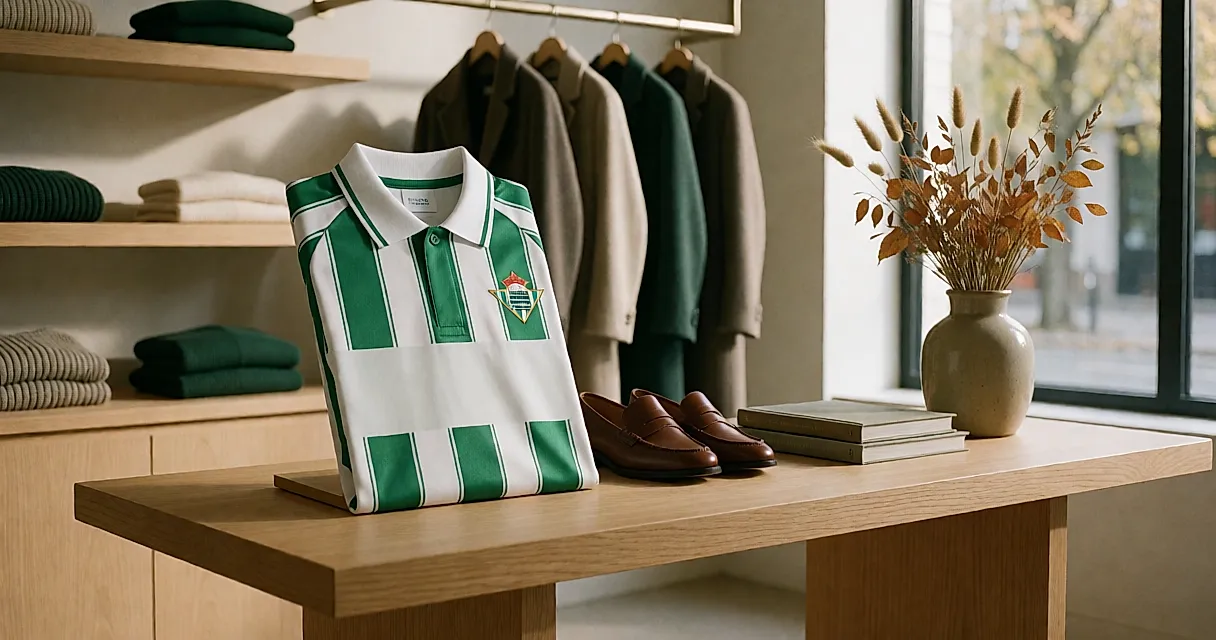
A club shirt no longer asks you to run; it asks you to step outside. Vertical stripes, an embroidered crest, a clean collar, a sponsor printed across the chest — the most identifiable piece in football has crossed from the stadium to the high street without warning. For a decade, the technical jacket held that role in our lives, from the office to the local café. But sportswear appears to be losing momentum, and that shift says something about our wardrobes.
What this shift says (and what it doesn't)
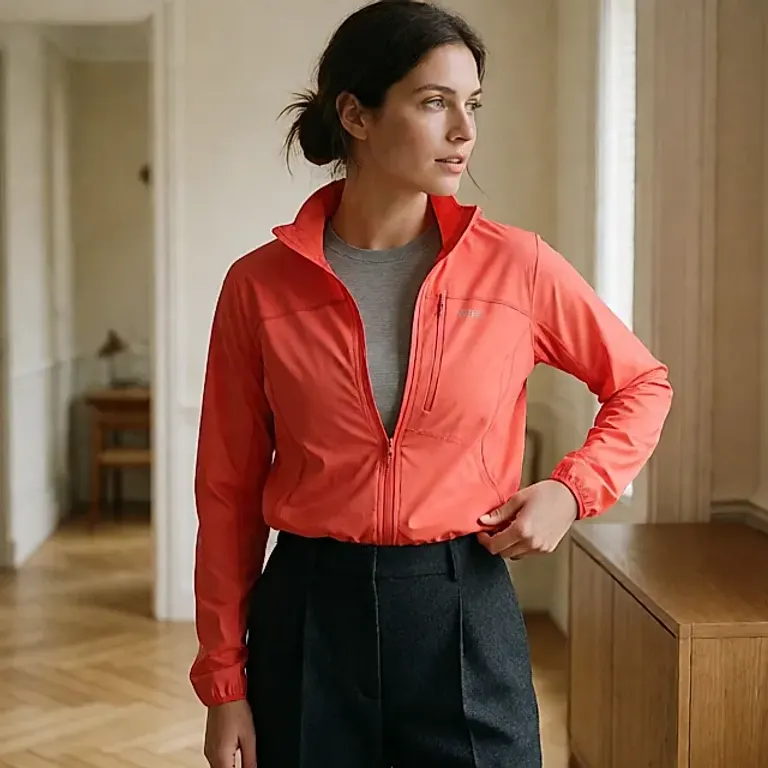
Sportswear has served us well: comfort, easy care, a dynamic silhouette without effort. The trouble is that, by being everywhere, the technical fleece has lost its main selling point. A performance garment has to justify its price with a function — running, sweating, drying quickly. Take it out of the gym and all it has left is its cut.
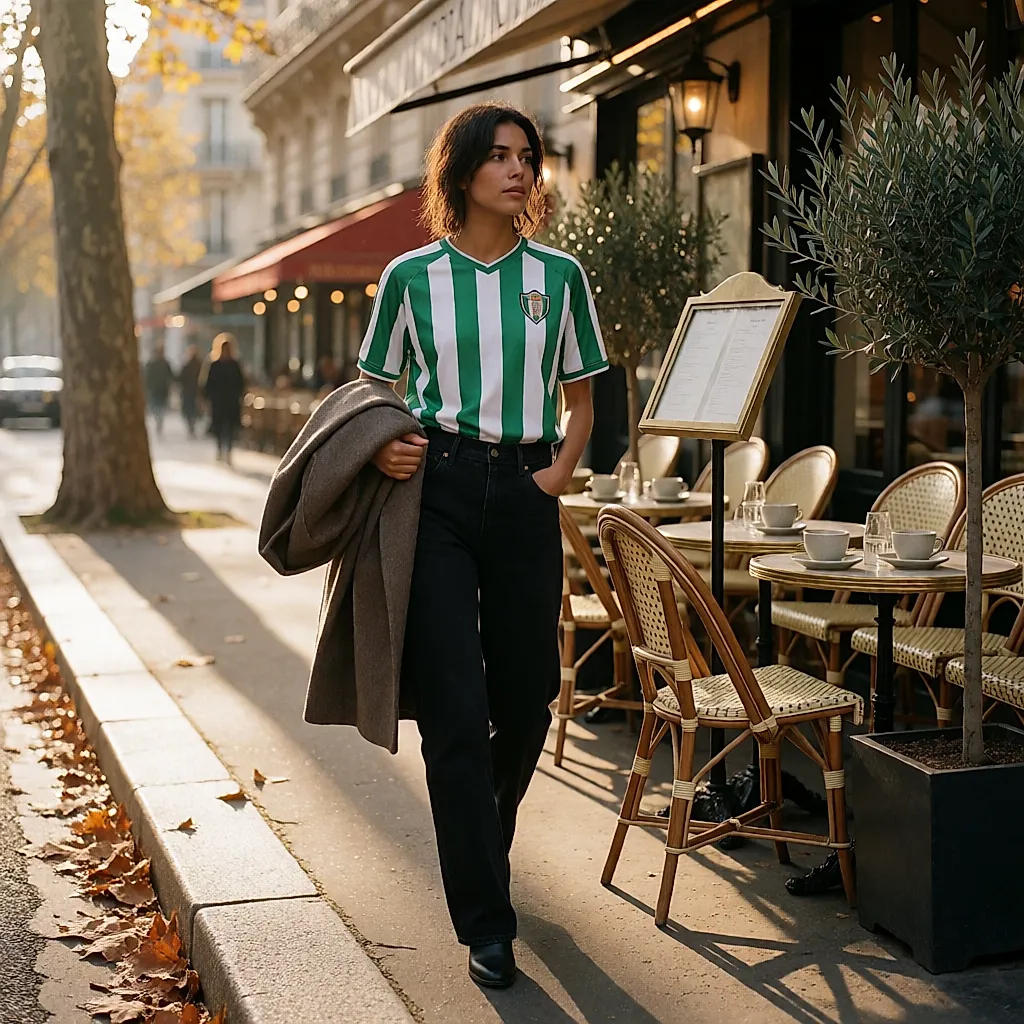
The club shirt, by contrast, has a story: a club, a city, a season, a colour you didn't really choose but make your own. That's why a club shirt is moving back into everyday rotation — it brings the history and emblem that the sporty wardrobe lacked.
Let's not take the shortcut, though. Context also covers stock levels, prices and the mood of the market; it doesn't prove that we've all switched to club shirts. What matters here isn't cause and effect, but where desire has moved.
Real Betis, stripes and smarter dress codes
Real Betis, the Seville club, has a very clear crest and those green-and-white stripes you can spot from 20 metres. That's the kind of visual identity the smarter wardrobe can borrow from.
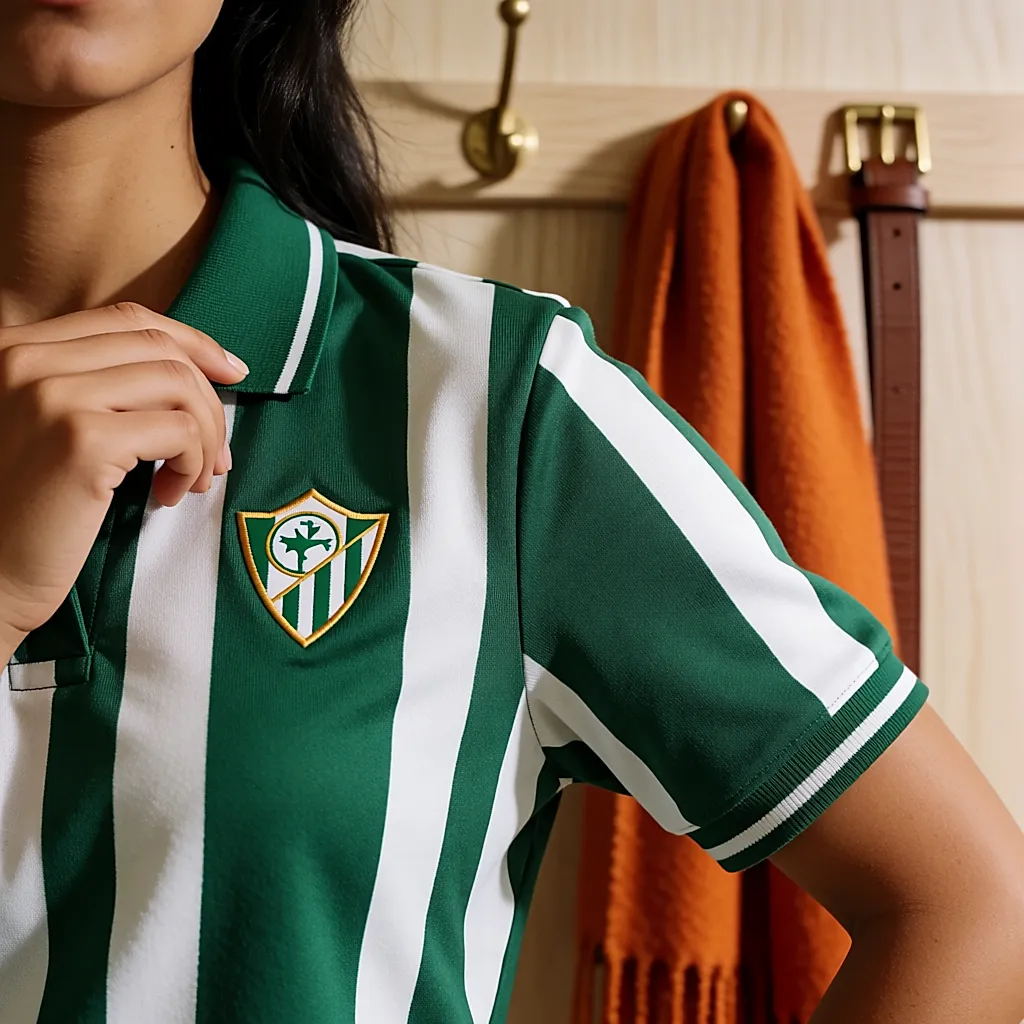
So what happens when smarter dress codes meet football ones? A closer cut, heavier fabrics, an embroidered crest treated as an emblem rather than a logo, and a collar that behaves like a collar again. Smarter dress codes don't replace football codes; they clean them up.
And the sponsor? It can tip the whole thing either way: too large and it sends the shirt back to the stadium; discreet and it lets the shirt out into the world. You're no longer buying technology; you're buying a look.
How to wear it without looking like fancy dress
A club shirt falls straight and stops at the hip: it's a boxy piece, and that's exactly what makes it easy. With wide-leg high-waisted trousers it balances the silhouette; half-tucked into the waistband, it reads less like gym kit and more like a summer piece. For layering, two options work: under a tailored blazer, or with an open shirt over the top when the stripes feel too bold.
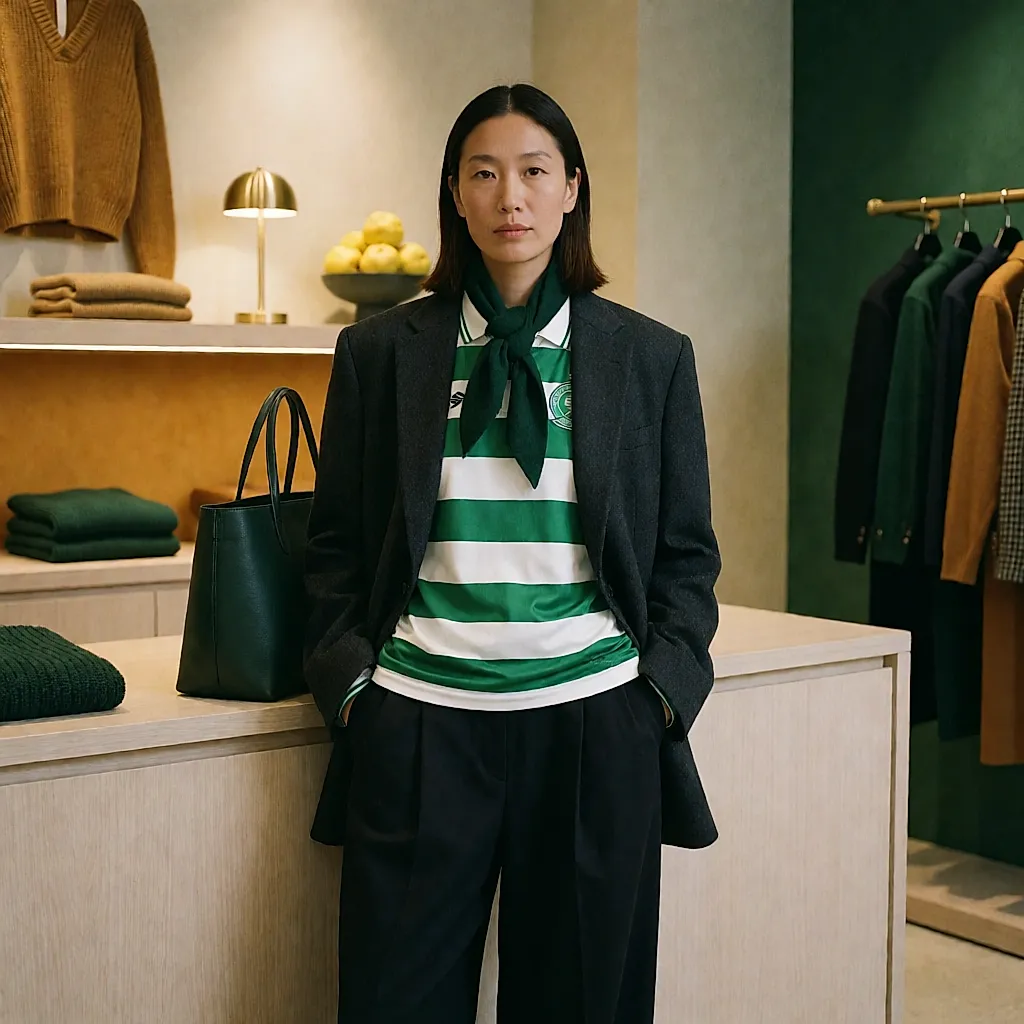
Let's be honest: a high-contrast striped shirt won't suit you if you're after a very understated look — a plain or faded version is a better bet. And for a very formal meeting, best to skip it. A word on fabric: modern replicas are often mostly synthetic, so check the fibre content on the label; if cotton matters to you, vintage second-hand is still the best way in.
Budget
Expect to pay roughly £70–£90 for a new replica shirt from an official club shop, and a little more for an 'authentic' version; prices vary by league, season and any name-and-number printing. Previous-season shirts, often reduced at the end of their cycle, tend to drop to around £35–£50.
In charity shops and specialist second-hand stores, a vintage cotton shirt can be found for around £20–£50. A piece from a fashion collaboration sits more like £100–£260: that's the price of a fashion garment, not a football shirt.
Three checks before you buy
- Always try it on: shirts often run small, and the shoulder seam needs to sit correctly.
- Check the composition on the label, not the promise on the website.
- Wash at 30C, inside out, without fabric conditioner: embroidered crests and printing don't like tumble dryers or a hot iron.
In the end, the choice is simple. For style and weekends, a well-cut club shirt does what a technical jacket no longer does. If money is tight, try charity shops and end-of-season sales. And if the idea still puts you off, start with a plain sweatshirt with a small crest: it's the gentlest way into a wardrobe that, frankly, has plenty of swagger.
Comments
Your opinion matters: rate the article, react and reply to comments.
Comments are moderated; AI-assisted comments are flagged. Text emoticons (8-), :-), <3…) are automatically shown as images.