

A winter coat and a spring trench have one thing in common: neither of them covers the weeks when you no longer know what to put on. Between the end of heavy wool and the point where mild days genuinely arrive, there's a gap in the calendar — and in the wardrobe. That gap is exactly what pre-collection is designed to fill. And no, it isn't a trailer for spring.
A collection designed for the neither-here-nor-there months
Pre-collection — also labelled cruise or resort, depending on the house — lands in store well before the main collection, often from late autumn. Its purpose isn't to keep you waiting: it's built for weeks when winter drags on without biting and spring promises without delivering. In other words, for real life. Marketing device or genuinely useful idea? Look closely at how the pieces are made: the answer is in the construction.
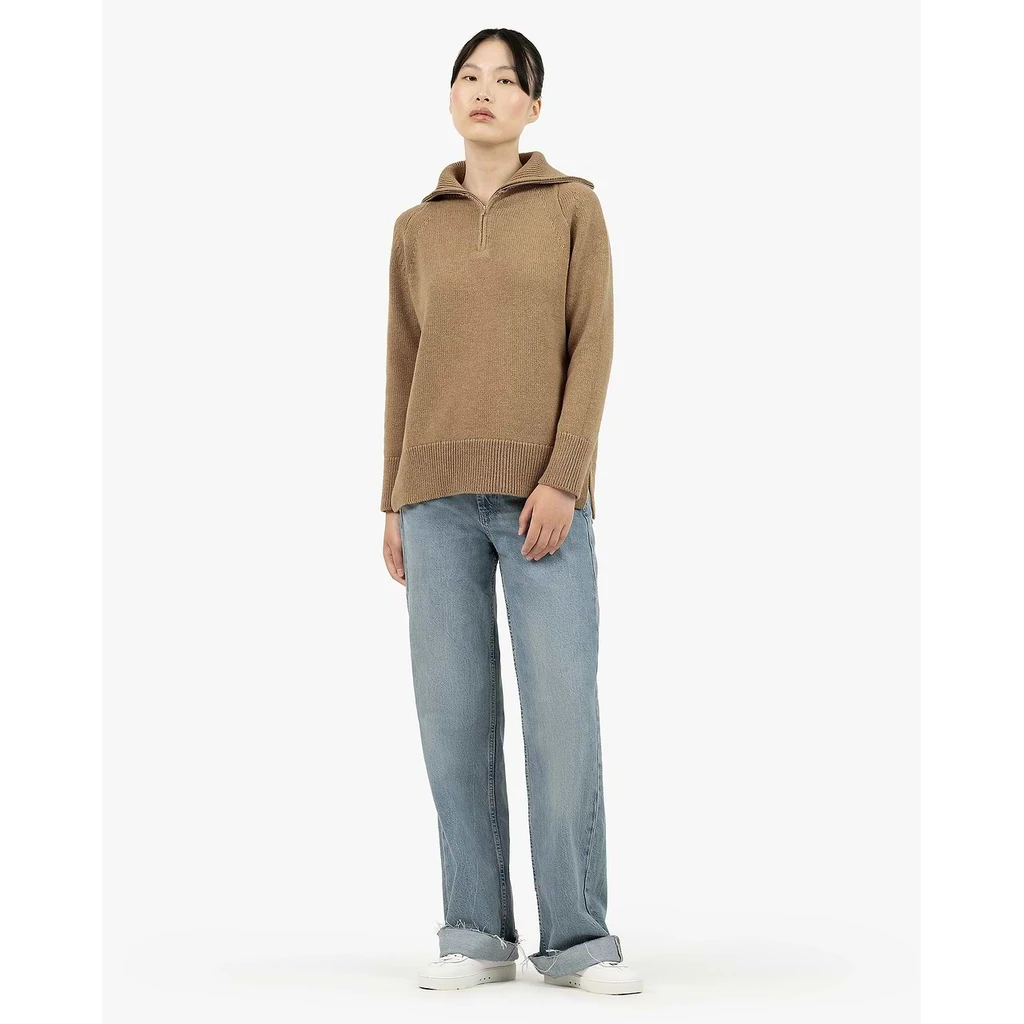
In practice, this changes how the clothes behave. Knitwear is finer, linings lighter, cuts softer so they layer. You'll find jackets you can keep on under a trench, knits you can pull over a shirt without overheating by lunchtime, fabrics that cope with indoor heating and a cool terrace. Layering — the instinctive stacking of layers you do in February without thinking about it — is already built into the cut.
What to read on the label
First move in a shop: look for the wording. Labels often say "pre-collection", "cruise", "resort" or "between-seasons collection", sometimes alongside an early delivery date. It isn't a decorative detail: it tells you the piece was calibrated for the in-between, not for hard frost or the first warm spell.
Second move, and more decisive: composition. A knit with a decent proportion of fine wool — merino, say — will last the day without running too warm. Conversely, some non-breathable synthetic fibres can feel damp against the skin, depending on the knit and the finish; one glance at the composition label is enough to sort them. Also feel the weight of the fabric between your fingers and check the trench's lining, removable or not: that's what decides the temperature range in which the piece actually works.
Tailoring, knitwear, trench: the trio that earns its place
Tailoring is the most cost-effective buy in these collections: jacket over a T-shirt during the day, over a shirt for a meeting, matching trousers or separates for variety. Drape matters more than the trend-led cut — an over-structured shoulder tires quickly if you don't like the armour look.

Fine knitwear, next, is layering's best friend: crew or V-neck, long fine sleeves, a fibre that doesn't pill too quickly. The trench, finally, sums up the whole pre-collection idea: warm enough for a chilly morning, light enough to wear open at three in the afternoon. And if you're only making one purchase, it's probably the one.
This trio won't suit everyone, let's be honest. If you dislike structured pieces, a soft, straight blazer will serve you better than a nipped-in suit. And if you already own a trench you love, there's no need to buy a second: pre-collection is also there to complete a wardrobe, not to stack up duplicates.
In the changing room, three moves are worth more than ten try-ons: raise your arms (the sleeve should follow), sit down (the back shouldn't pull) and layer the piece over what you're already wearing that day. If it fights with your usual jeans, it will fight with the rest of your wardrobe too.
Budget
Expect to pay somewhere in the region of £50 to £130 for a fine wool knit, £100 to £300 for mid-market ready-to-wear tailoring and £80 to £260 for a trench, depending on fabric and lining. These bands shift a lot with city, brand and timing: pre-collection pieces often end up in the second round of markdowns, and that's where the best finds are.
Where to look? Department stores and multi-brand boutiques to see the fabrics in person, high-street labels for standard sizing, charity shops and resale platforms for trenches and wool tailoring that don't date. One tip worth remembering: a well-cut vintage suit sometimes costs less than a new jacket, and it ages better.
Ultimately, pre-collection asks one thing: that you treat it as a wardrobe, not a preview. With £150, go for the fine knit that will carry you through winter. With £300, the trench or tailoring jacket that can stay with you for several seasons, depending on how you wear and care for it. And on a tight budget, head for second-hand — that's often where the in-between season looks best.

Comments
Your opinion matters: rate the article, react and reply to comments.
Comments are moderated; AI-assisted comments are flagged. Text emoticons (8-), :-), <3…) are automatically shown as images.