
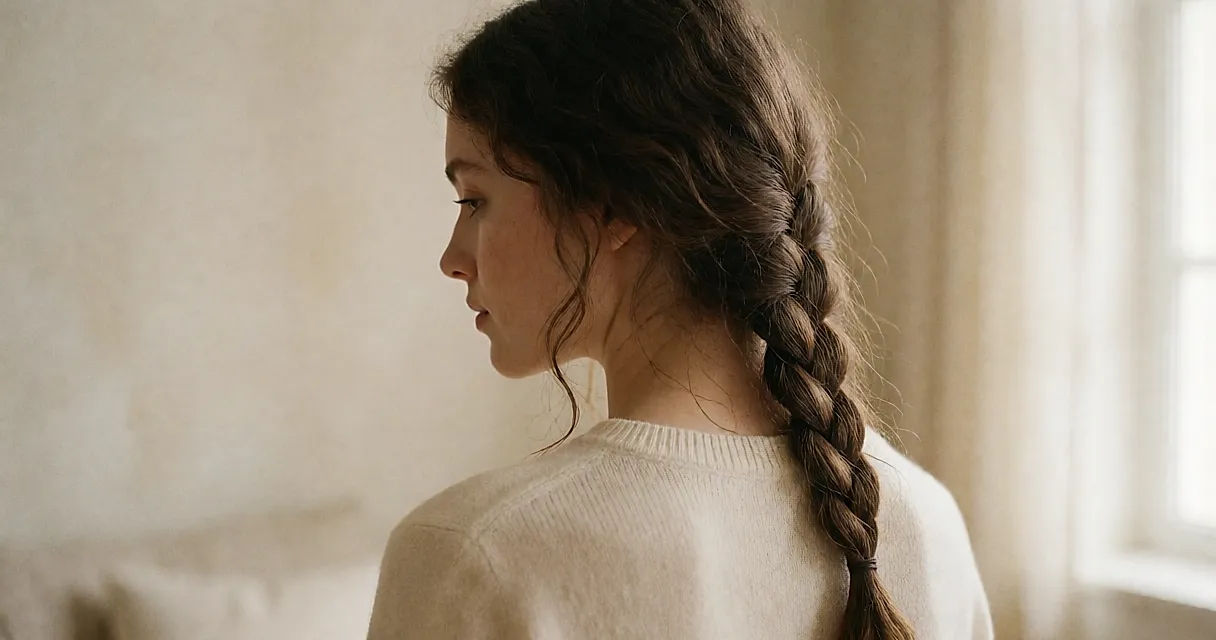
By now you’ve probably got the memo: braids are more in than ever. Boho, romantic and feminine, they come in all sorts of shapes and remind us that there’s life beyond the basic three-strand plait. Fishtails, cornrows, African braids, crown braids, braids worked into a bun… there’s plenty to experiment with if you fancy adding a little originality and a change of mood to your hair. The trouble is, once you move beyond the basic three-strand plait, things get tricky: cornrows, fishtails and crown braids all need a bit of dexterity and plenty of patience. So here are some lovely styles and genuinely useful tutorials to give you ideas and set you on the right track.
You don’t have to make it complicated: a simple braid with a fringe, or slightly curled face-framing pieces, and you’re done. It looks considered and it’s easy.
For a more natural finish, leave a few loose strands framing the face. The move that makes all the difference? Braid it a little loosely, then gently pull each loop between two fingers to break the stiffness. A light mist of flexible-hold hairspray is enough to hold it for the day; there’s no need to drench the hair.
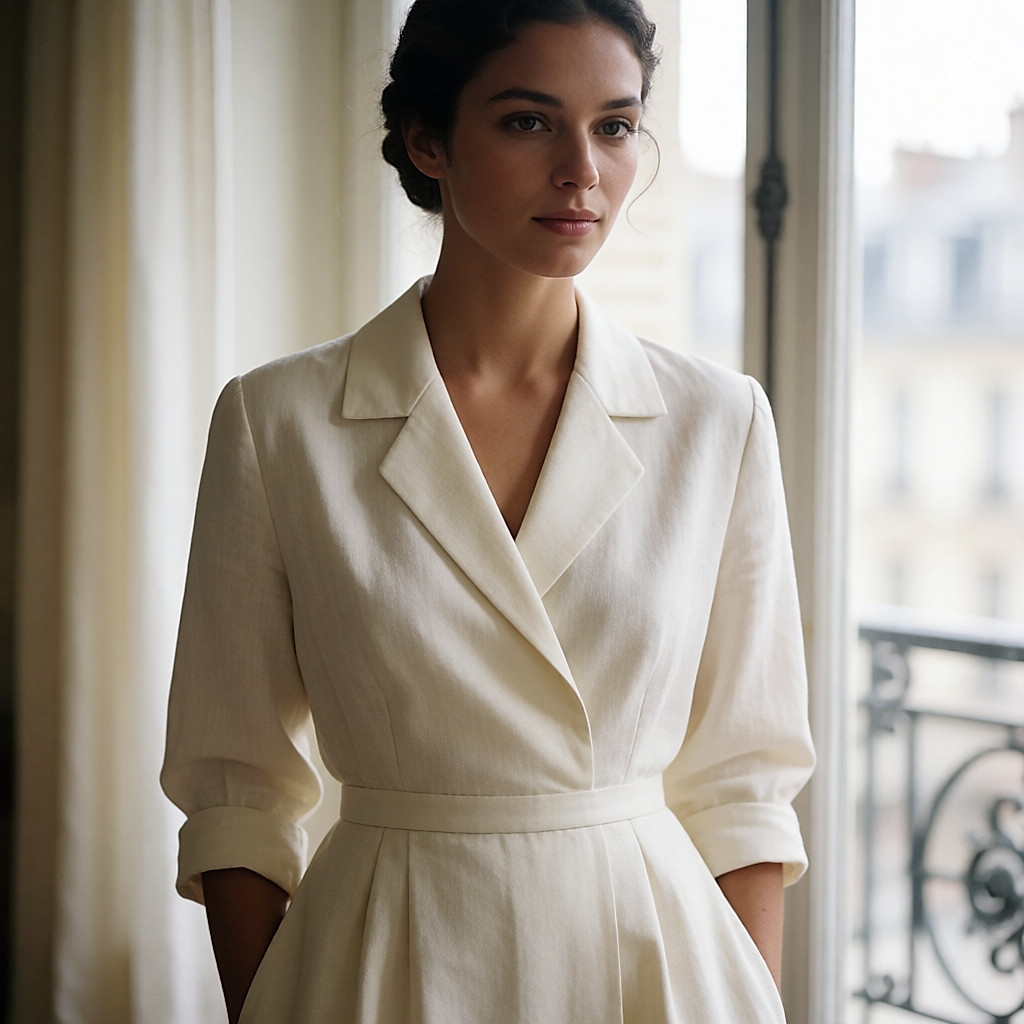
But if you want to style it up a little, you can also go for a side braid, basic or fishtail, with a nice brushed section sweeping across the forehead.
For a prettier finish, avoid leaving the hair tie visible: wrap a strand of hair around the band. In practical terms, don’t leave the tie dangling: a fine strand wound around it, or a tie that matches your hair colour, and the detail disappears. It sounds tiny, and yet it shows in every photo.
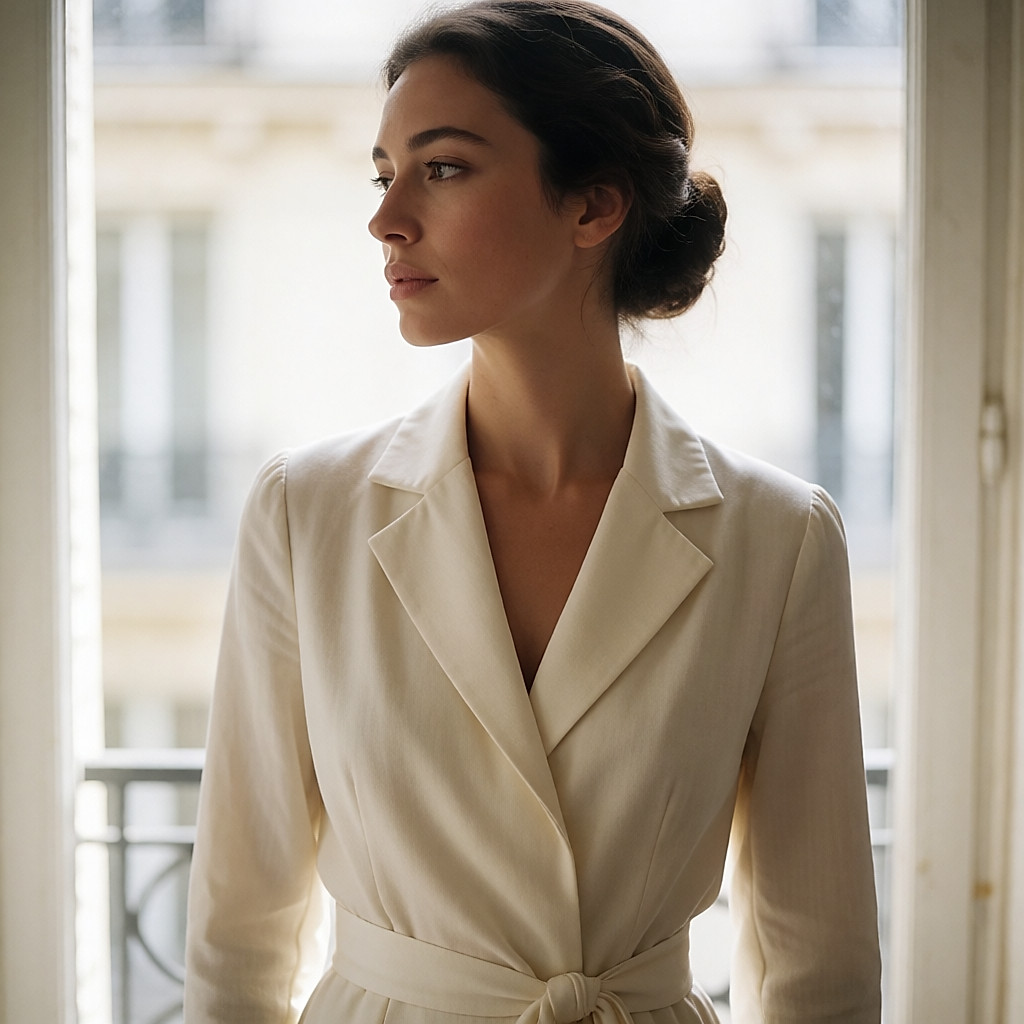
Very popular over the past few seasons, cornrows or African braids can be a real challenge for anyone who isn’t handy with a comb; we feel for you.
Even within this one style, there are plenty of variations: thicker or thinner, loose or tight, neat or deliberately undone, worked as a single braid or across the whole head… getting exactly the result you want isn’t always straightforward.
The crown braid, meanwhile, gives an angelic look and a slightly romantic charm that works just as well every day as it does for an occasion.
As for the braided bun… well, either you get someone to help or you’re a pro. That said, if you’ve got cornrows down, you can always finish with a simple messy bun.
Putting braids into practice: here are a few tutorials from young women who really know what they’re doing. They explain in detail how to create various braids. Slow the video down, pause on each step, and film the back of your head using two mirrors: that’s how you get the hang of the movement. Pinterest is still useful for sectioning diagrams when you’re starting out.
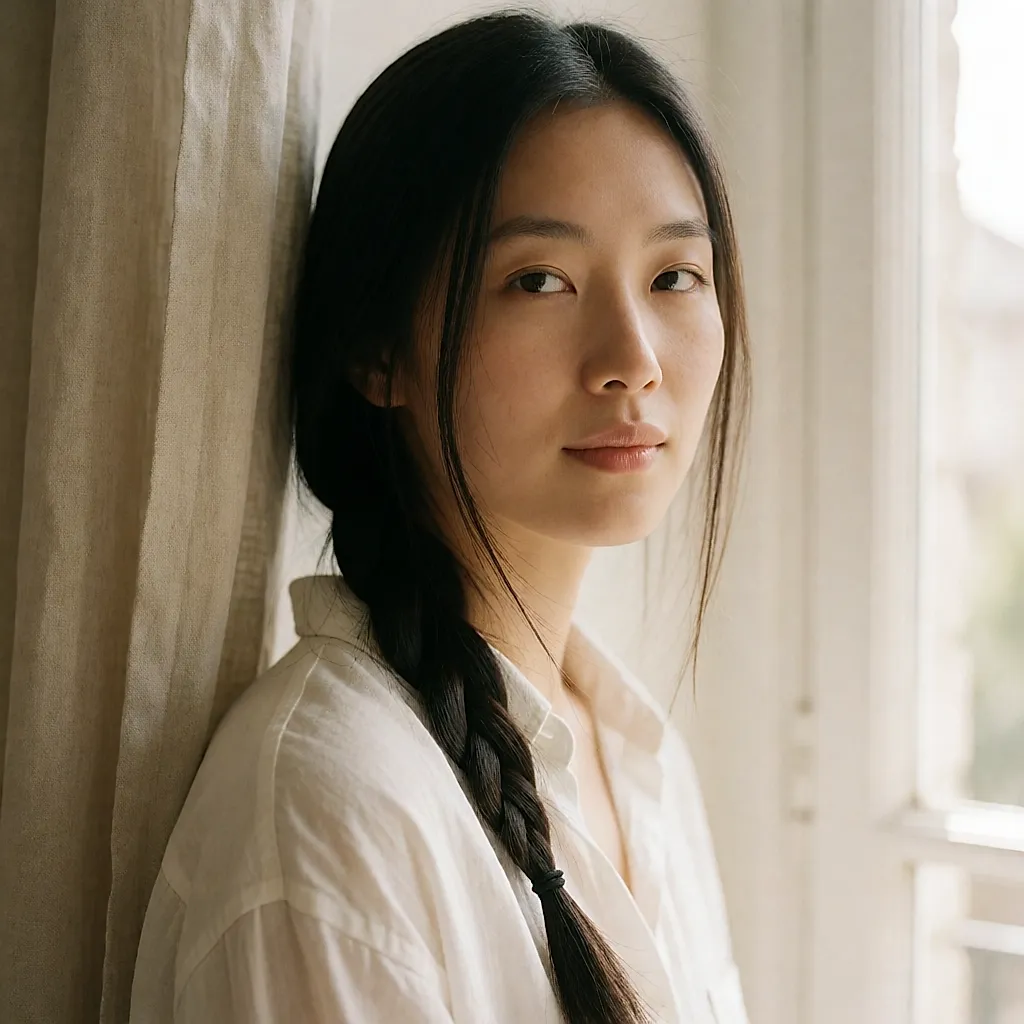
The flat cornrow against the scalp, or an African braid worked as a single braid, was explained step by step by a creator posting as ConseilBeaute.
The fishtail braid, clearly explained by Princessmimilie.
The crown braid by Belindiana6.
And a lovely style, a side African braid, by KissaBeautyZ. Some of these tutorials have been around for a while, and the channels may have closed or changed names: it’s worth checking before you rely on them.
When it comes to kit, go for a wooden comb and cotton hair ties, soft and without metal wire that catches on the hair.
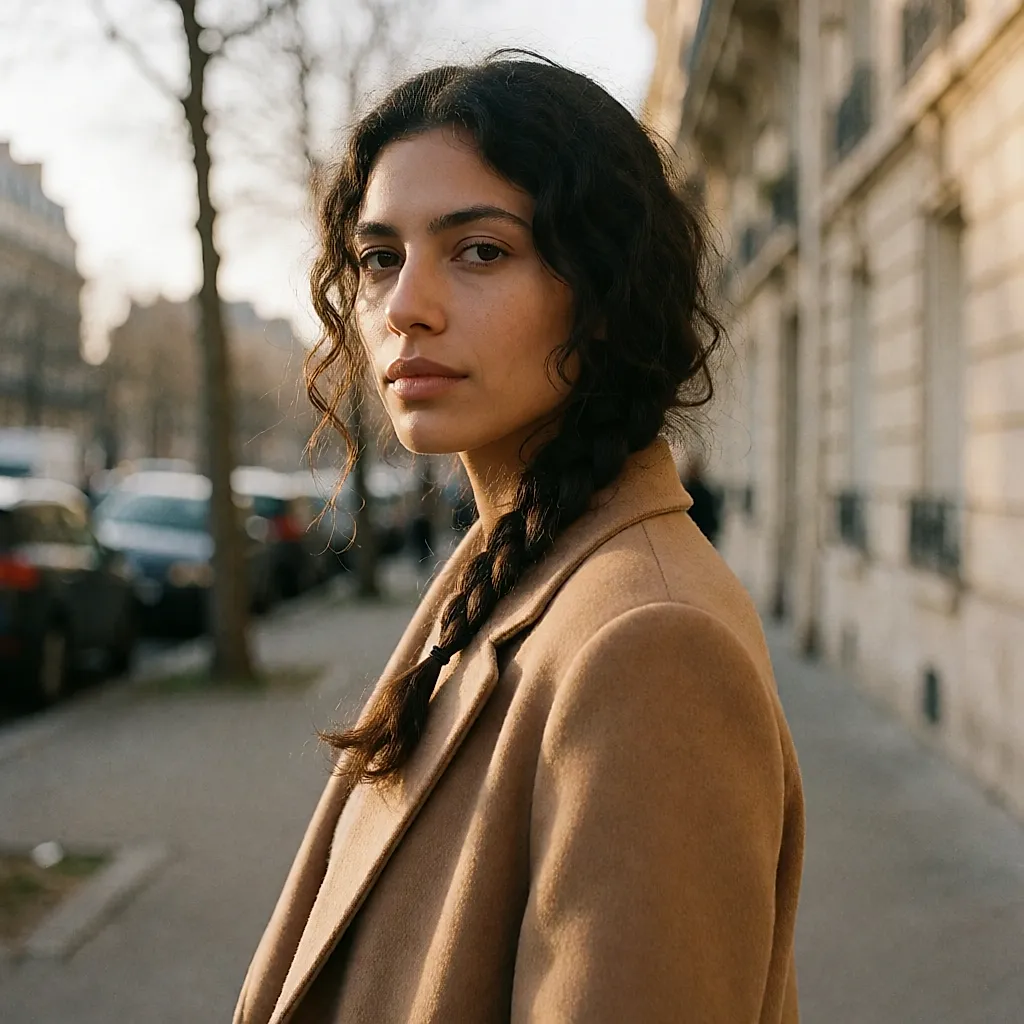
One move that matters more than it looks: don’t braid too tightly. A braid that’s too tight pulls on the scalp and leaves marks; better to keep the braid a little loose, even if you have to redo a section and take it all out at night.
What it costs
At home, the cost is just the kit: a wide-tooth comb, gentle hair ties and, if you want them, synthetic or natural braiding hair. Expect to pay roughly £5–£20 depending on what you choose.
At a salon, expect around £20–£40 for a simple braid or a crown on hair that’s already washed, and more like £60–£150 for braids with extensions or an occasion style. Prices vary mainly with length, thickness, time in the chair and the salon. Always ask for a quote first: an appointment can take several hours.
Comments
Your opinion matters: rate the article, react and reply to comments.
Comments are moderated; AI-assisted comments are flagged. Text emoticons (8-), :-), <3…) are automatically shown as images.