
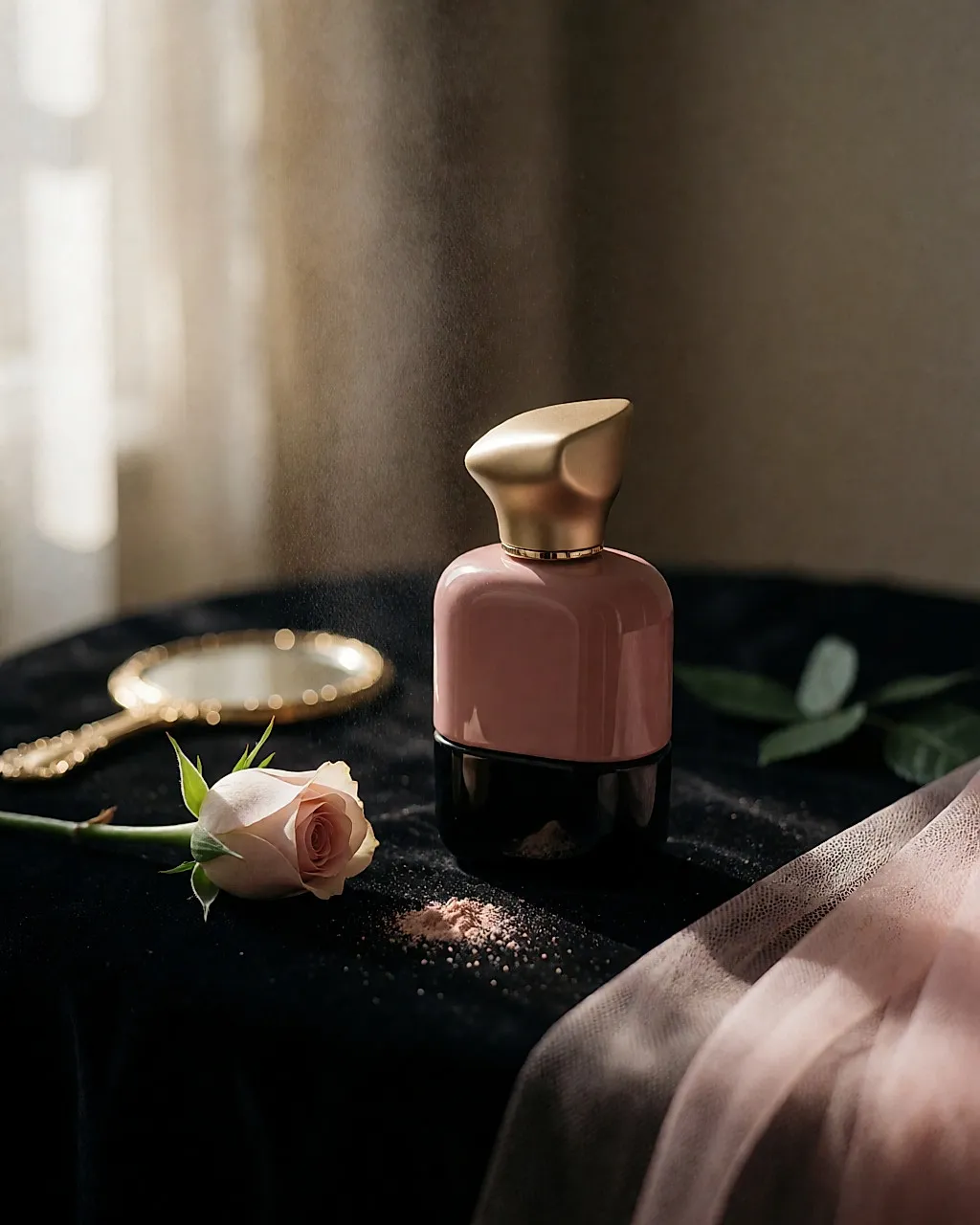
Some bottles you clock before you even smell them. Pink and black, a gold gothic letter on the cap, a label that fully embraces its theatrical side: John Galliano Eau de Parfum, launched in 2008, is not a wallflower — and that's putting it mildly. The catch is that it left the mainstream shelves years ago, so the real question is no longer "what is this stuff?" but "I love it, so what do I wear instead?" The usual transparency before we get going: I don't have the original bottle in front of me, so let's not pretend otherwise — everything below is researched, not tested.
A fragrance that smells of backstage
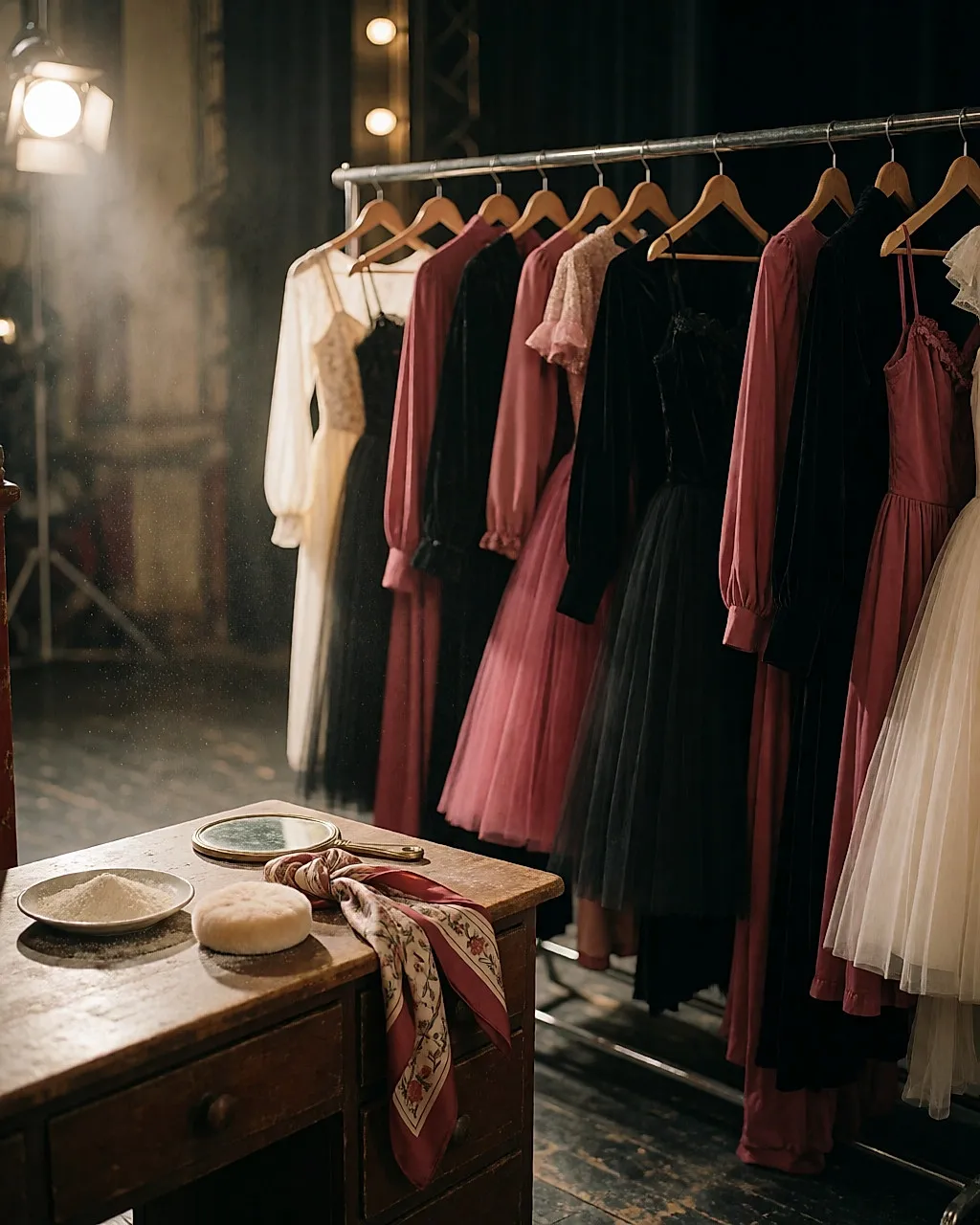
Born in Gibraltar in 1960 and raised in south London, John Galliano graduated from Saint Martin's School of Art — renamed Central Saint Martins since — in 1984. To fund his studies he dressed other people for a living, working as a dresser at the National Theatre in London. The dressing rooms, the powder, the rustle of stage fabrics: that memory is all over this fragrance.
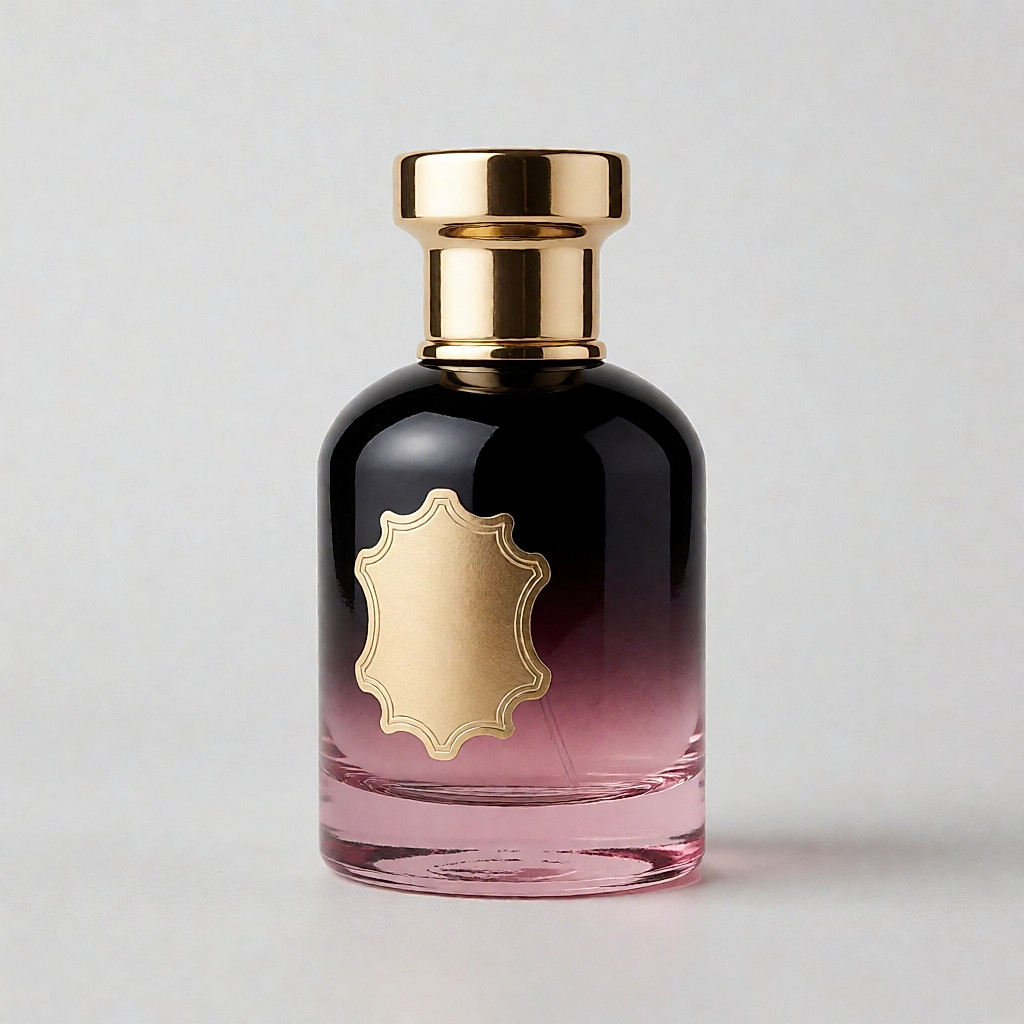
The house's first scent was signed by Christine Nagel — now in-house perfumer at Hermès, no less. Her handwriting shows here in a full-throttle powdery texture: the opening plays the sweet-shop sour card, the heart lines up rose, iris and violet, and the base settles into incense, patchouli and amber. A baroque signature, more couture than discreet — one you fall for, or really don't.
Galliano went on to lead Dior from 1996 to 2011, then Maison Margiela from 2014 to 2024. This particular version of the scent is now tricky to track down, which is a shame.
How it actually wears
This is a scent with presence, in a smoky-oriental register that gets noticed. To be blunt, it does not slip under the radar. Three habits make all the difference with a profile like this.
One or two sprays are enough, on the chest and behind the ears — beyond that you are scenting the room rather than yourself. Skip dry hair: alcohol can dry out the fibre, so spray the inside of a scarf instead. And stand the bottle upright, away from light and heat, because the bathroom is the worst place to keep it.
To soften the effect, layer it over an unscented body cream: the amber base clings better and the rose reads less sweet. That one step is worth adding.
Choosing a replacement without getting it wrong
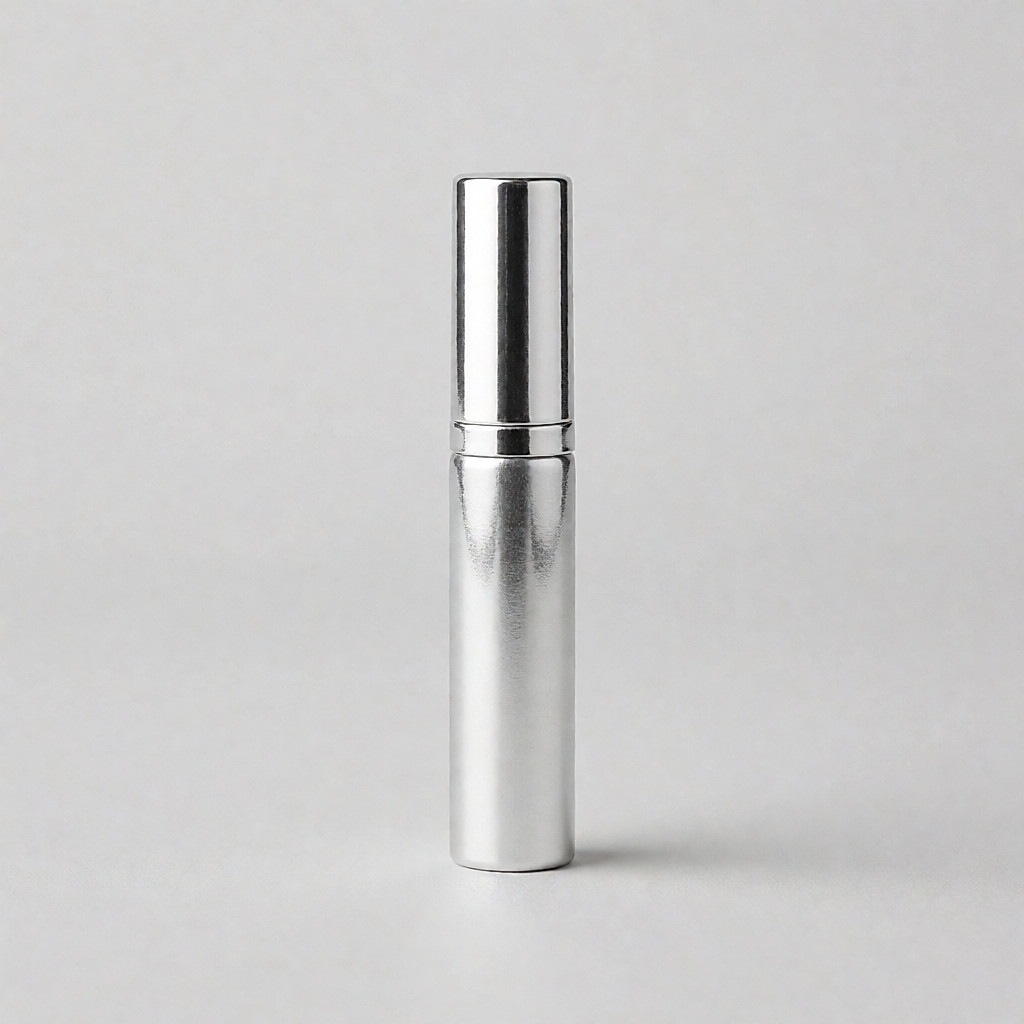
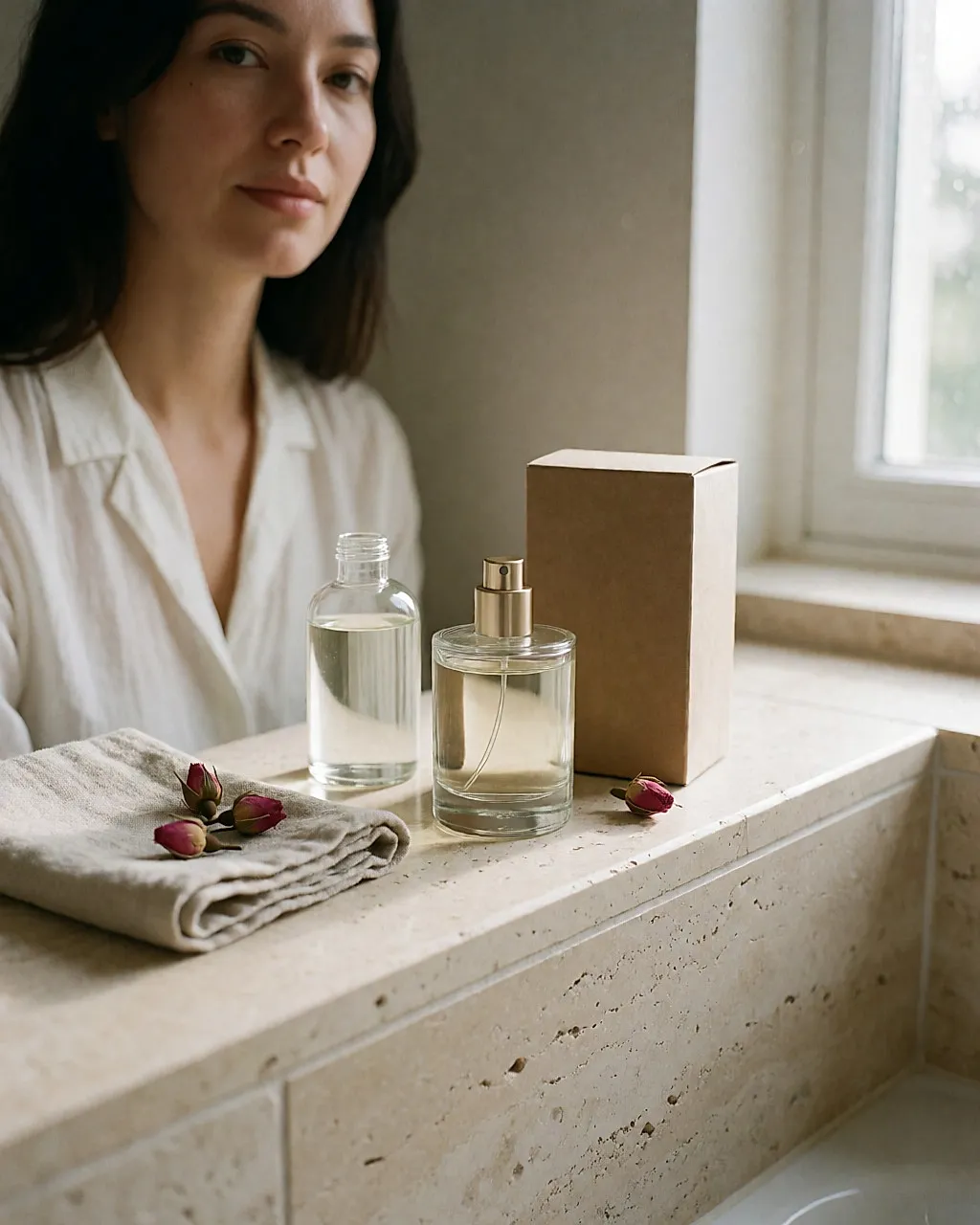
With the 2008 Galliano so hard to find, aim for the same olfactory family — rose, iris, incense, patchouli — rather than chasing an impossible dupe. Three things to check: a refillable glass bottle, a refill you can buy at a fragrance counter (several houses now offer one), and a cardboard box without pointless cellophane. On the formula front, there is good news: some eaux de parfum carry Cosmos Organic certification from Ecocert, a standard that covers the share of organic ingredients, permitted processing methods and allowed preservatives. The honest compromise: staying power varies with the formula and with your skin. So keep a handbag atomiser — you never know.
Budget
- Mainstream-brand eau de parfum, 50 ml: expect roughly £20 to £50 at a chemist, a supermarket or online.
- Fragrance counters and beauty halls, 50 ml in this profile: about £55 to £120. Buying the refill in store can bring that down.
- Niche and artisan perfumery, 50 ml: £90 to £180, more in extrait form.
- Certified organic eaux de parfum: £25 to £55 for 50 ml, bearing in mind that staying power can vary.
- Second-hand: a 2008 Galliano bottle does surface, but prices vary. Be careful — a badly stored perfume can turn.
What moves the price: concentration, size, where you buy it and whether a refill exists.
Sources
- Cosmos Standard, the certification framework for organic and natural cosmetics.
- Ecocert, certifying body — Cosmos Organic certification.
- Hermès Parfums, profile of Christine Nagel, in-house perfumer.


Comments
Your opinion matters: rate the article, react and reply to comments.
Comments are moderated; AI-assisted comments are flagged. Text emoticons (8-), :-), <3…) are automatically shown as images.