
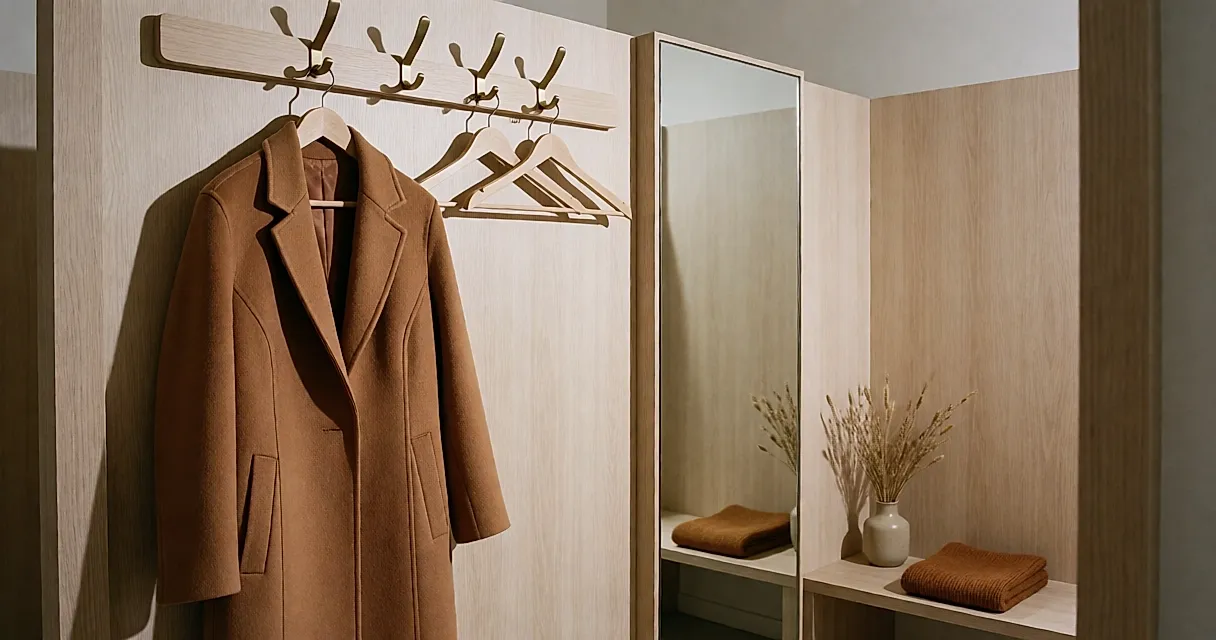
A coat made to last several seasons, or cheap pieces you replace every few months: on paper, the maths isn't that simple. In the wardrobe, the difference is obvious — and it doesn't always fall on the side you'd expect. This winter, baskets fill up more slowly, saved items stay saved for longer, and you end up buying a single piece. The tricky part is choosing the right one.
Fewer items, longer decisions
You've probably noticed: price tags don't come down the way they used to. So you stop dropping three colourways into the basket "just to see". You let it sit there. A pair of jeans saved three weeks ago, a back-in-stock alert on a knit, a return you keep putting off because you're still unsure — shopping has turned into a test of patience.
And that isn't necessarily bad news. Fewer options also means fewer of those pieces that arrive, get tried on once in front of the mirror and go straight back in the bag. The question has changed shape: it's no longer "do I like it?" but "how many times will I wear it before March?" Admit it — the second one is more useful than the first.
What that actually changes when you choose
When one piece costs the price of three, you start looking at something other than colour. Fabric first: wool that hangs straight, a cotton with a bit of weight to it, a knit that doesn't pill after three wears. Then the cut — does the shoulder sit in the right place, does the length work with what you already own?
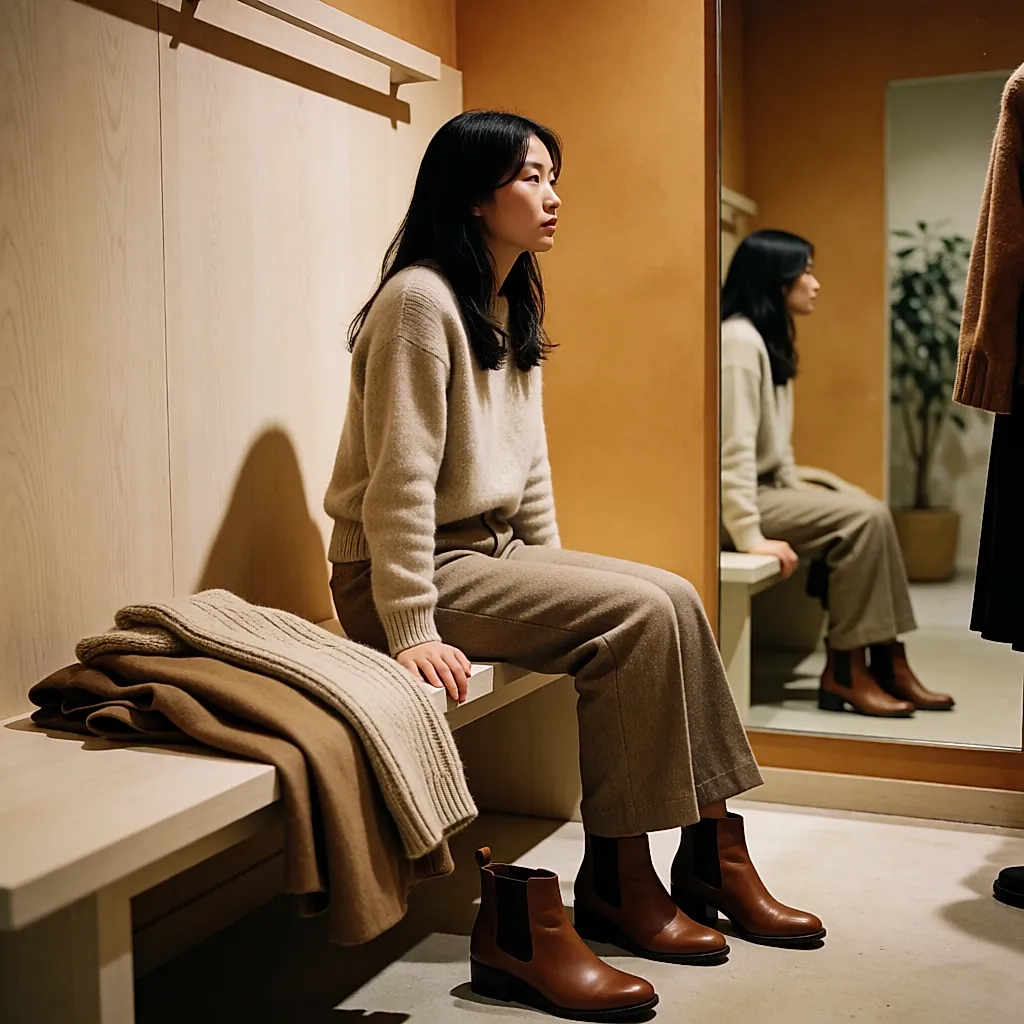
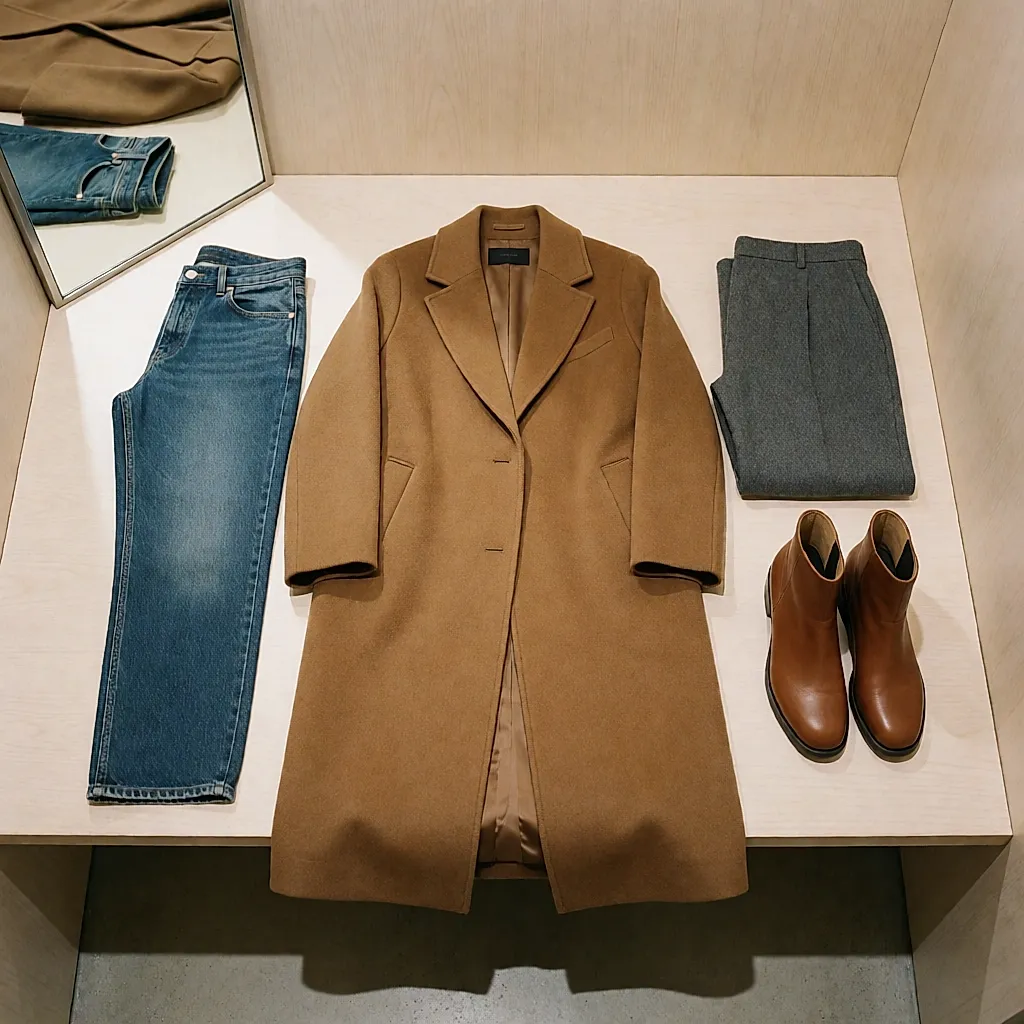
The test that never fails is mental layering: picture the piece with three outfits you genuinely own. If you can only find one, it isn't a purchase, it's a bet. A statement piece — a coat in a bold colour, a cable knit, a satin skirt — earns its place only if you have the basics to calm it down: straight jeans, wool trousers, plain boots.
There's also a very simple sum: cost per wear. A £150 jumper worn twice a week for four months works out cheaper than a £60 piece worn twice. This isn't an invitation to spend more, it's an invitation to spend better. There's a difference.
The tempting mistake
When money is tight, the temptation is to blow it all on the most spectacular piece of the season. Bad move: the things that stand out date quickly, and often need two or three extra purchases to hold together. The long lace skirt with its matching top makes a look; the same skirt with a T-shirt is an emergency outfit.
Be wary, too, of volumes that claim to solve everything. The very oversized coat looks wonderful in photographs, but on a petite frame it can swallow your waist and look like it's floating; a more contained shape, or a belt, tends to work better. And check the composition: on a piece sold at this price, looking at how much synthetic fibre is in it is the least you can do.
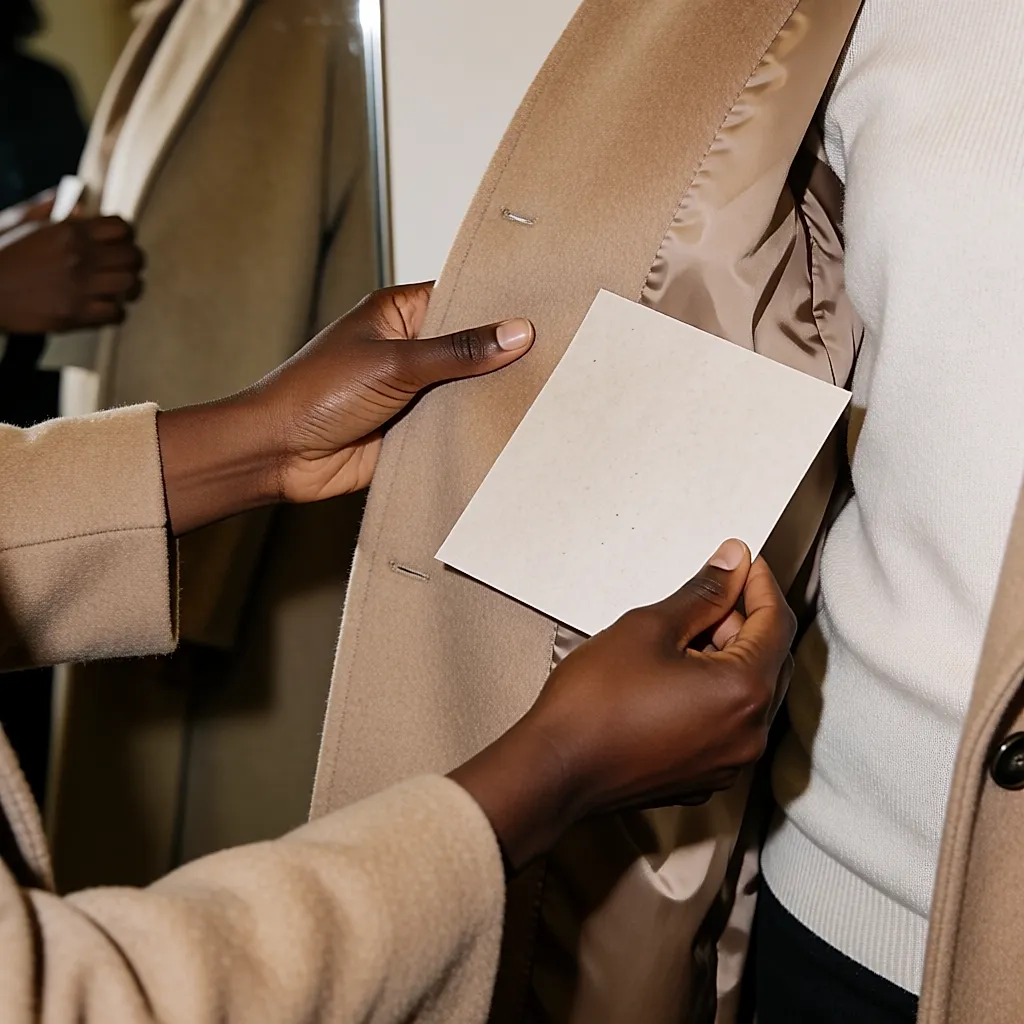
Before you check out, three questions and one photo. Does it work with three outfits you already own? Will it survive two washes without becoming unrecognisable? Is there a cheaper or secondhand alternative? Then photograph it in your bedroom, not in the fitting room: shop lighting forgives everything, and yours is far less generous.
What to budget
Expect to pay somewhere in the region of £180 to £450 for a decent wool coat — the range climbs with the share of virgin wool, European manufacturing and the city you're buying in. A merino or recycled-wool knit sits between £70 and £200, a cotton trench between £120 and £300, a pair of leather boots between £150 and £350. The late-November to January sales are still the best moment to buy a seasonal piece, provided you've already worked out your size.
Where to look? High-street names hold the middle ground, specialist labels the top end, and secondhand — charity shops, vintage and consignment stores, resale apps — often lets you aim for better fabric for the same money. A secondhand wool jacket at £80 is still better value than a new blazer at the same price, as long as you'll accept a try-on session in a place that sometimes smells of someone else's wardrobe.
So who should buy what? Under £100, head to secondhand for the statement piece, plus a simple new knit for everyday wear. Between £150 and £250, the winning combination is a well-cut secondhand coat and a quality wool knit. Above £350, you can aim for a new coat built to last several seasons — but only if you've tried it on with your own clothes.
Winter is no longer about ten stacked-up pieces, but two or three that really do the work. The rest is decoration — and decoration can be borrowed, thrifted or kept from last year.


Comments
Your opinion matters: rate the article, react and reply to comments.
Comments are moderated; AI-assisted comments are flagged. Text emoticons (8-), :-), <3…) are automatically shown as images.