
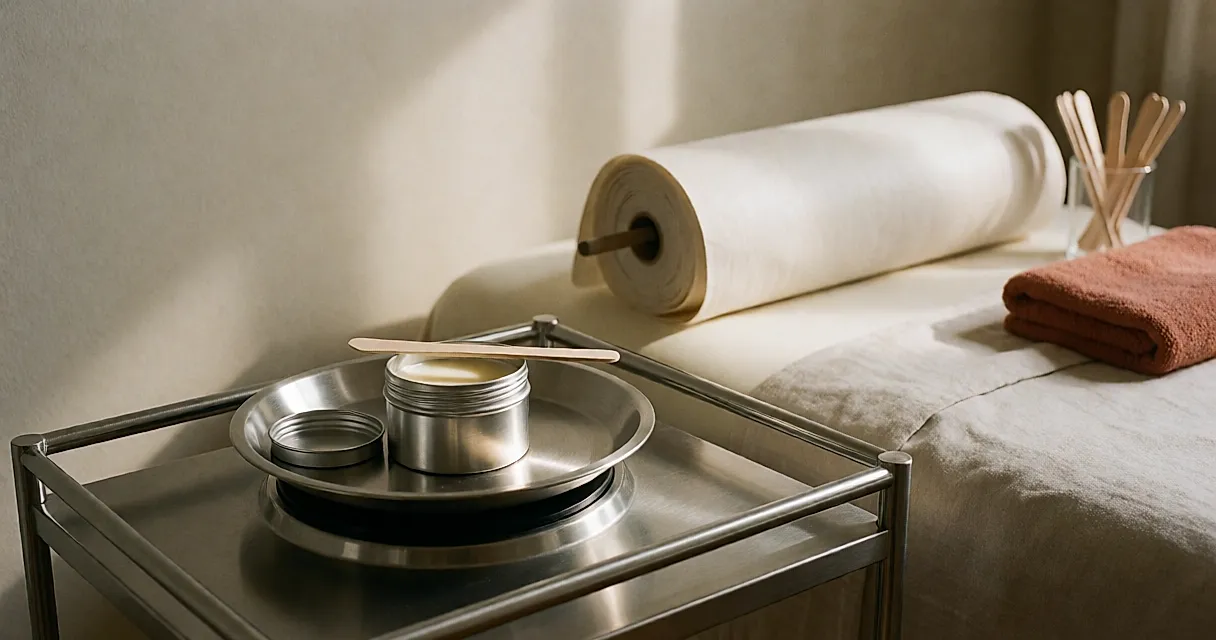
40-denier tights are an unexpected waxing accessory, and I mean it. Well, especially when the joggers come back out: they hide the three millimetres of regrowth that bright light would expose on a bare leg, they don't rub, and they let skin get on with the job in peace. In summer, you wax against the clock and against your bikini line; in autumn, you're not waxing for anyone.
Under woolly layers, skin gets a break
Freshly waxed skin is raw, or almost: a little red, sometimes sensitive for a few hours. That is exactly when you should avoid sun, heat and friction—something warm weather makes complicated and fleecy layers solve without effort. No sand, no sun lounger, no scratchy towel.

There is something even more mundane. In autumn, nobody scrutinises your shins on a café terrace. So regrowth can spread out without you having to negotiate with a pair of shorts. That breathing space matters: you stop chasing a flawless finish for one big night and let sessions settle into their own rhythm, without bikini-line stress.
Regrowth is the only calendar that counts
Wax cannot grip hair that is too short. In practice, the usual advice is a few millimetres of growth. Any shorter and the wax slides, the hair snaps, and you're back to square one before long.
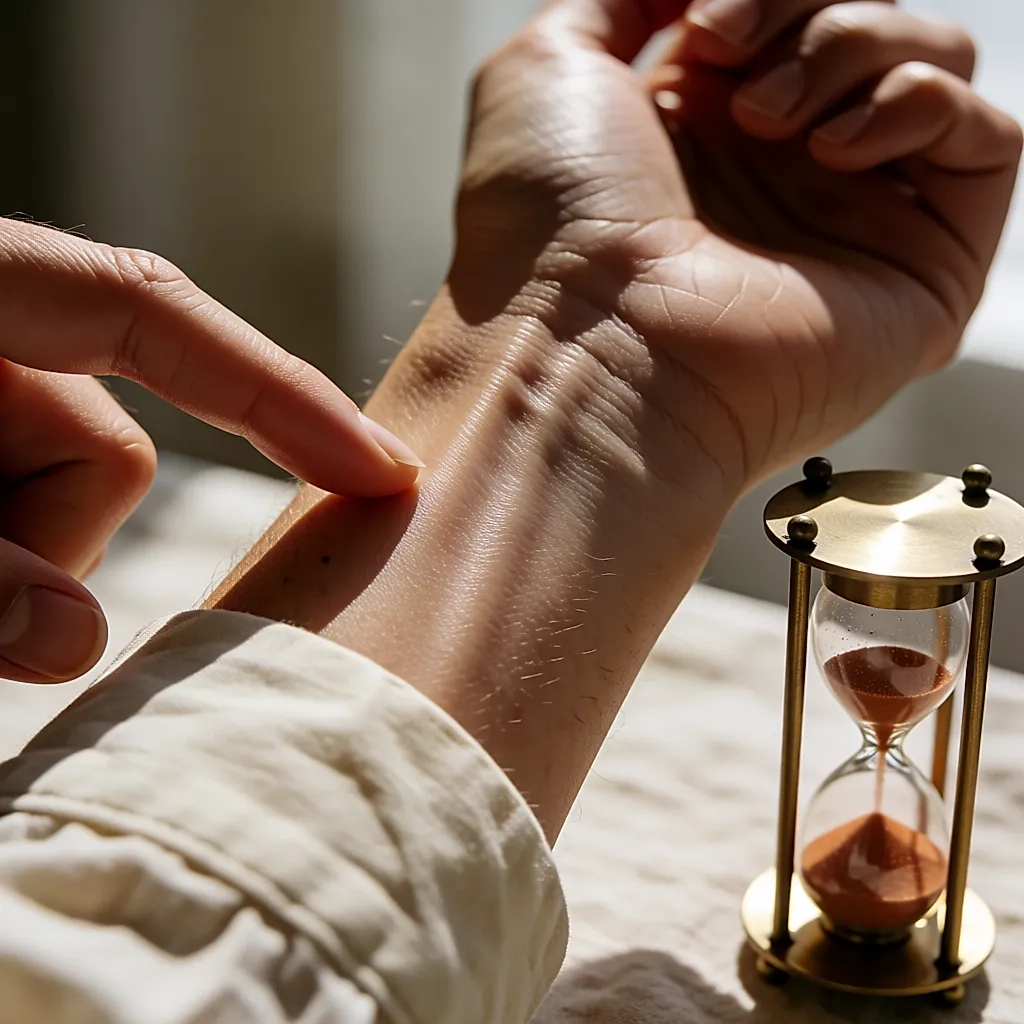
Which is where the holiday calendar leads you astray. Booking your session the day before you leave often means arriving straight after a stopgap shave: the hair is too short, so the wax is useless—and annoying. Instead, note the date of your last session and count roughly three to five weeks. Regrowth varies by area and by person; for some people, the bikini line needs appointments closer together. Your regrowth is in charge, not the month of July.
Salon or at home: the real trade-off
In a salon, you pay for the technique and the timing. An experienced therapist is quick on legs, knows when to bend your knee for the bikini line, and works with freshly changed equipment—a wax pot should be handled with a double-spatula method: you never dip the same spatula into the pot twice. The flip side: you have to book, undress partially and sometimes wait on a paper-covered chair.
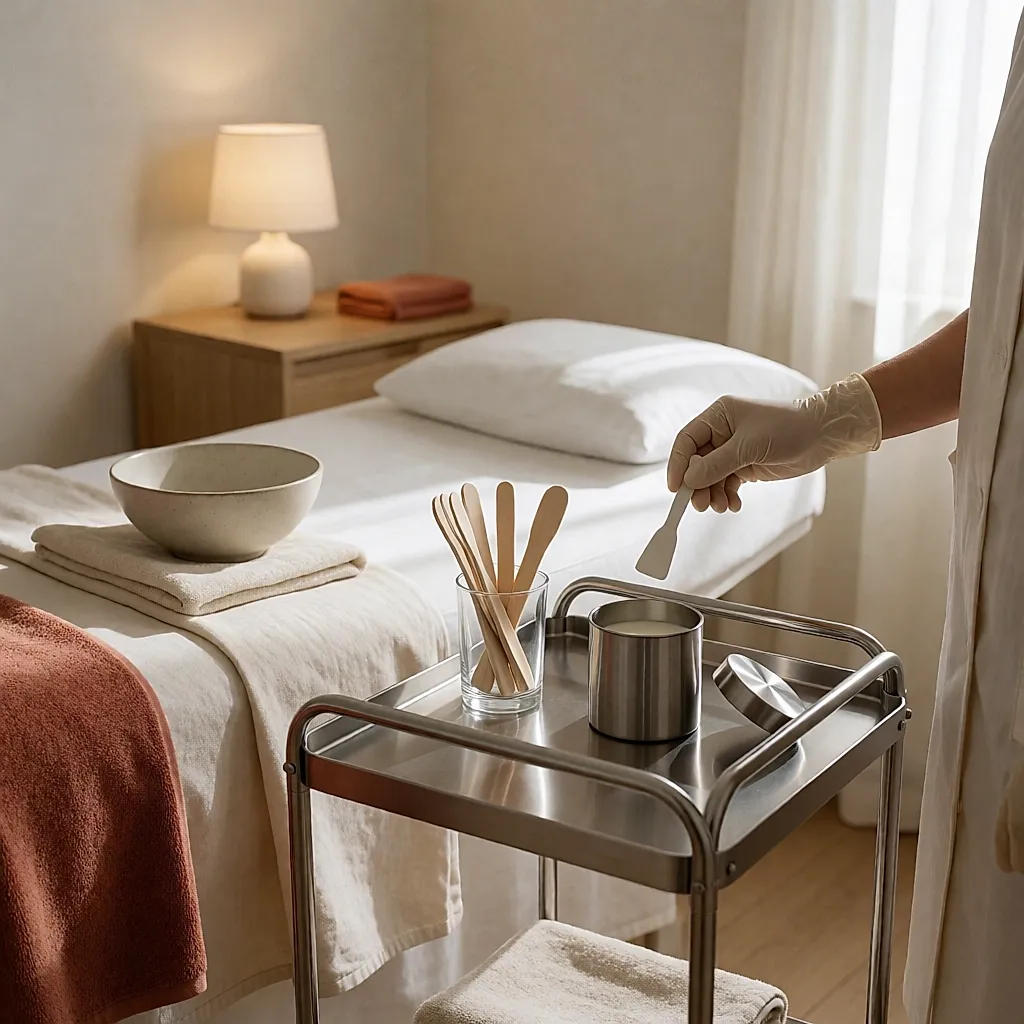
At home, you save time and money but lose out on know-how. The first time, it is not unusual to miss a patch; you overheat the wax, pull at the wrong angle, or stick down two strips that will never come off in the right direction. It is a skill you can learn—just not the night before a wedding. In practice: salon for the bikini line and your first attempts, home afterwards for lower legs on a Sunday, when you have time to be careful.
What the formula actually changes
Not all waxes are equal, and not only because of the scent. Colophony, a resin from pine trees, gives many cold wax strips their firm grip. It can also cause allergic reactions in some people; if your skin is reactive, patch-test a small area before use. If you do react, there is no point persevering with a similar formula: switch product family.
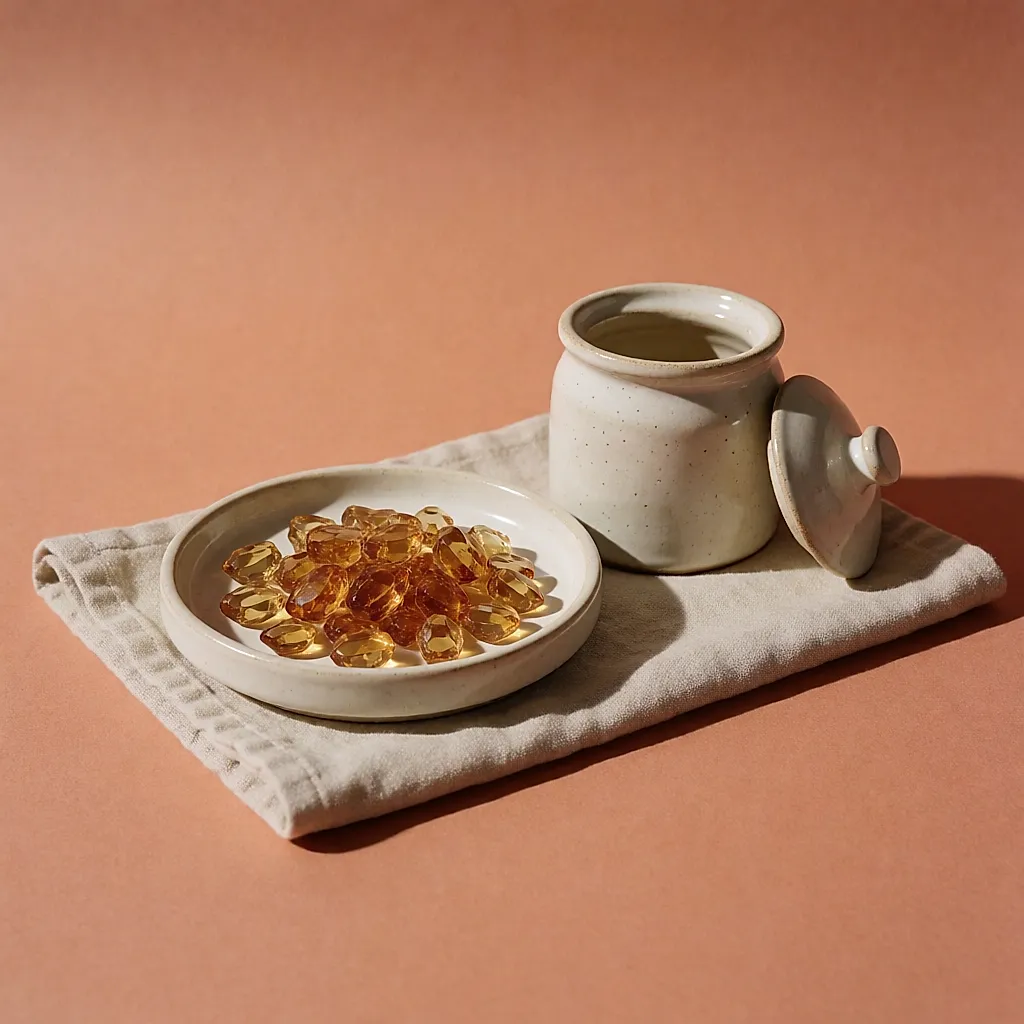
Some waxes formulated for low-temperature application can be more comfortable on sensitive skin—provided you keep an eye on the water bath and test the heat on your wrist. Sugar waxes, an old tradition, rinse off with water, which means no sticky fingers for the rest of the day. One caution whatever the product: if you are following a dermatological treatment (retinoids, acids) or your skin is very reactive, ask a healthcare professional or your beauty therapist before you start.
Budget
As a rough guide, UK salons and high-street chains tend to charge around £10–20 for underarms, £18–30 for lower legs, £15–30 for a basic bikini wax and £30–50 for full legs; package deals (bikini, legs, underarms) often sit between £50 and £90. Big cities push prices up; smaller towns and training colleges bring them down.
For home waxing, a block of wax costs roughly £6–15, a pack of cold strips £5–12, a roll-on wax £8–18; a heater (£20–45) is a comfort, not a necessity—a saucepan and a water bath do the job. You will find it all in supermarkets, pharmacies and online, and a pot often lasts several months.
The technique that matters: skin clean and thoroughly dry, a light dusting of powder if it is damp, hair in the direction of growth, the strip held taut and removed against the hair growth, parallel to the skin—not upwards towards the ceiling. Afterwards, a soothing cream and no sauna or sun for the next few hours.
In practice, several sessions spaced across the cold season can let you meet the warmer weather ahead of schedule, with the rare luxury of not having to rush. If January comes calling, it will not be about a stray hair: just the laundry, and the tights forgotten at the bottom of the basket. Admit it: that is a more restful plan.



Comments
Your opinion matters: rate the article, react and reply to comments.
Comments are moderated; AI-assisted comments are flagged. Text emoticons (8-), :-), <3…) are automatically shown as images.