
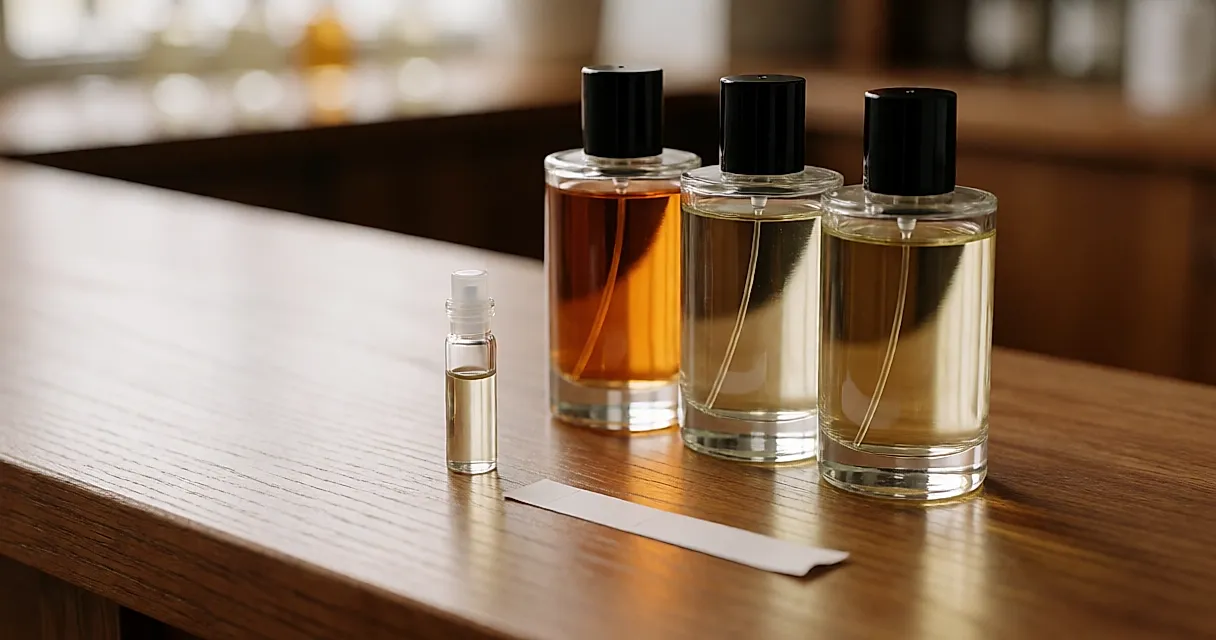
Standing in front of the display, doubt sets in. On the left, a bottle whose name brings back a song you had on repeat last summer; on the right, one from a brand whose serums you have already got through twice. Between them, a century-old house your grandmother used to call 'her perfume'. Which one do you leave with?
Why brands that never made scent now have a perfume
Face it: the bottle has become the piece many people want to add to their collection. A skincare brand sees it as the natural extension of its routine – it has already moisturised you, so it may as well scent you. A singer sees an object to give as a gift, to place on a shelf, to tie to a song. And the market has noticed: artists such as Billie Eilish and Sabrina Carpenter now have their own bottles, Charlotte Tilbury has added fragrance to her world of creams and lipsticks, and Glossier has slipped an eau de parfum into its line-up.
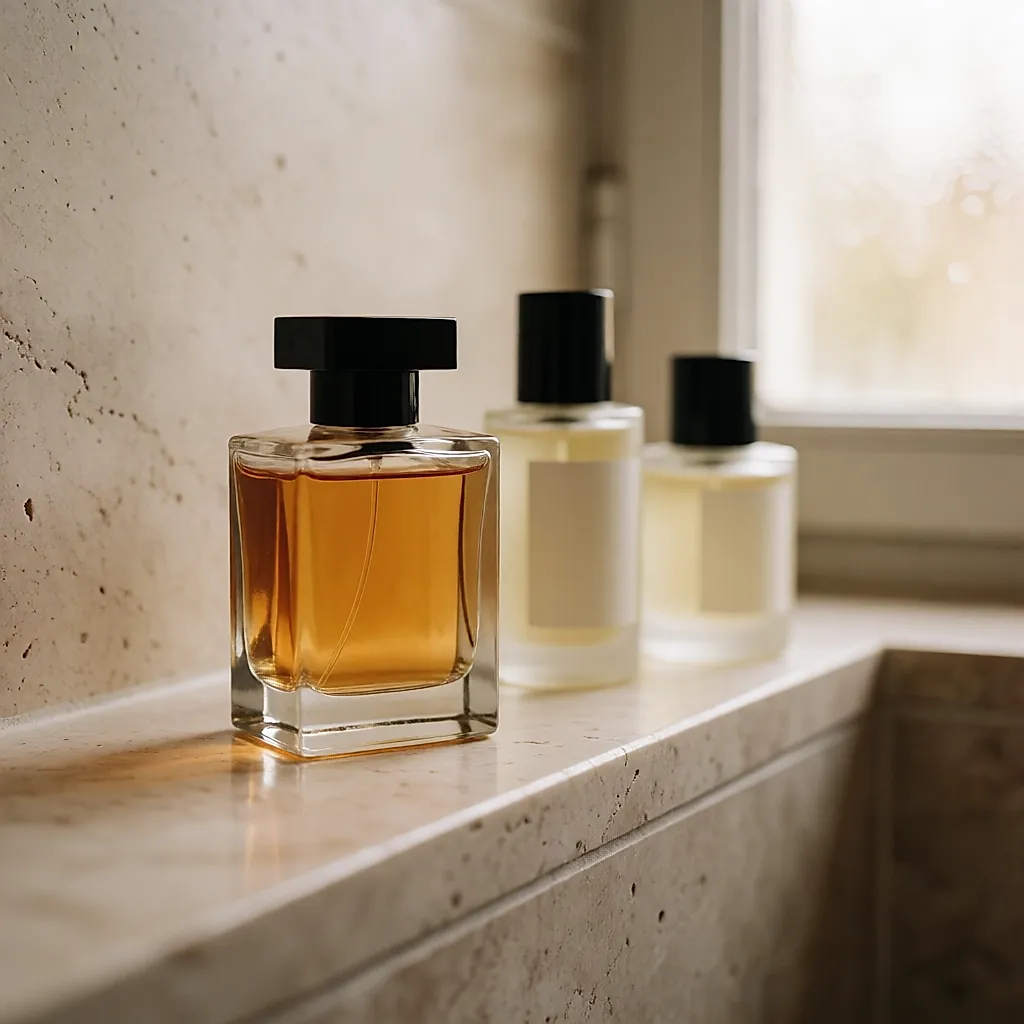
It is not absurd. Skincare gets used up; perfume is kept. It is a very giftable beauty product, the one you buy yourself when anti-ageing cream has lost its shine. The catch is that the difference between a decades-old olfactory library and a bottle conceived after a marketing meeting does not show on the label. You smell it, several hours later, on your wrist.
What a perfume house has that you cannot invent overnight
A historic house is not just a name on a cap. It is an olfactory library: decades of formulas, failed trials, raw materials bought from the same growers, and perfumers handing down a brief from one generation to the next. It already knows how tuberose ages, what a woody base smells like after six hours, and why a decades-old formula still holds up.
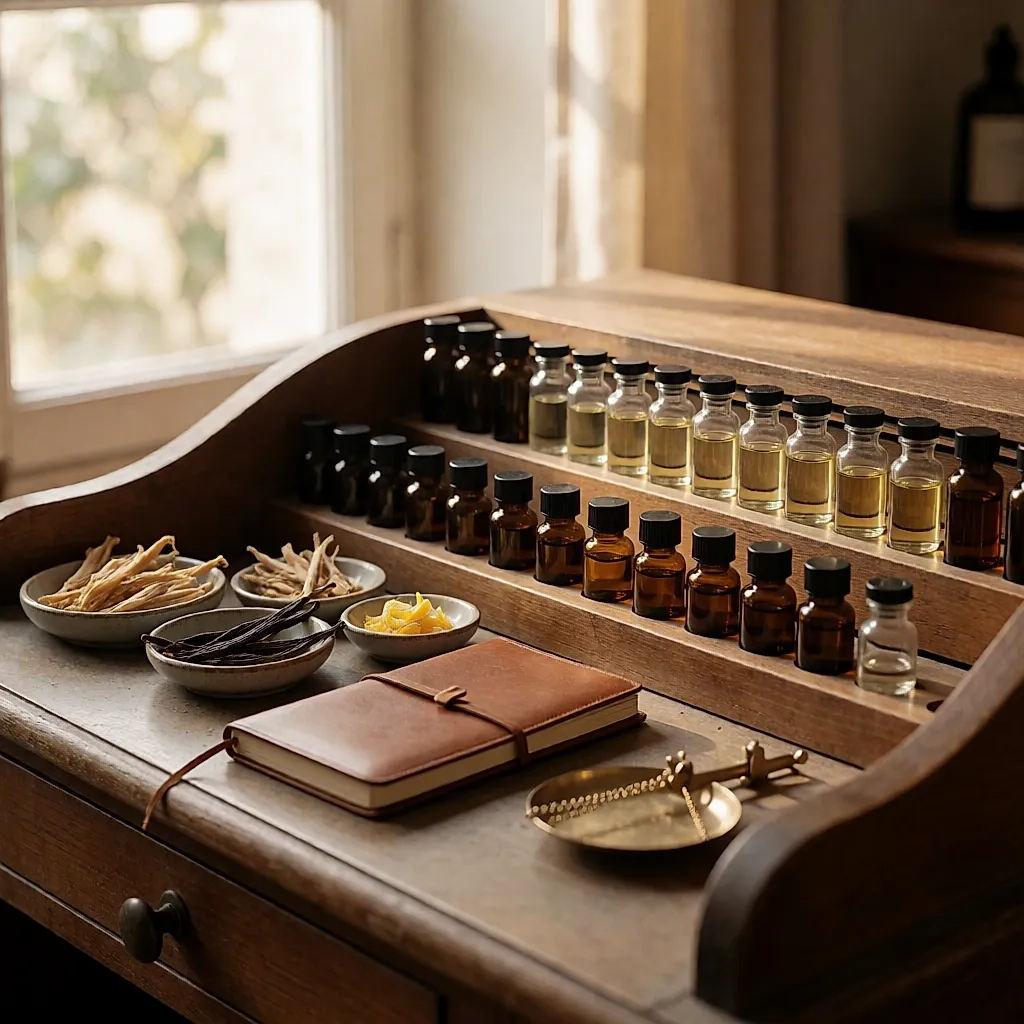
A new brand starts from scratch and works with a fragrance house – Givaudan, DSM-Firmenich, Symrise or IFF, to name only those. That is not an insult: plenty of perfumes are made by fragrance houses, including those from the big names. It is just that the brief is shorter, there are fewer trials, and the juice often has to please a broad panel quickly. The result: some excellent surprises, and a few scents that smell like something you already have in your drawer.
Three things to check before you pay
First, transparency. A brand that says who composed the perfume, which materials were used and why is not oversharing out of vanity: it is showing its work. If the product description boils down to 'a captivating trail', you know no more than you did before.
Second, concentration. Eau de toilette, eau de parfum, extrait: this is not a packaging detail; it is what determines staying power and price. Many newcomers favour eau de parfum, which looks more flattering on the shelf, without always stating the concentration – and they are not obliged to. On the box, check the INCI list: it is mandatory, and while the fragrance formula can be grouped under the word 'parfum', certain allergens may need to be listed separately. At least you will know more about what goes into the scent.
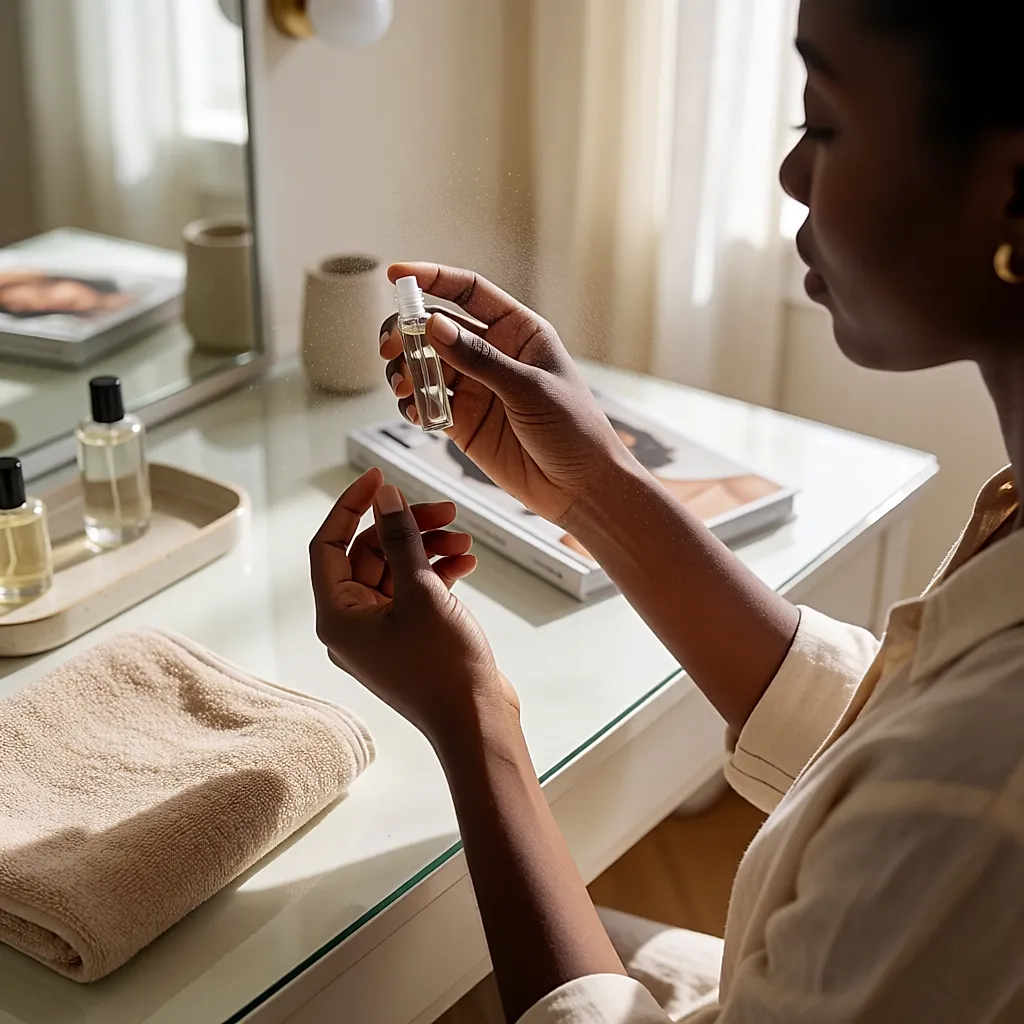
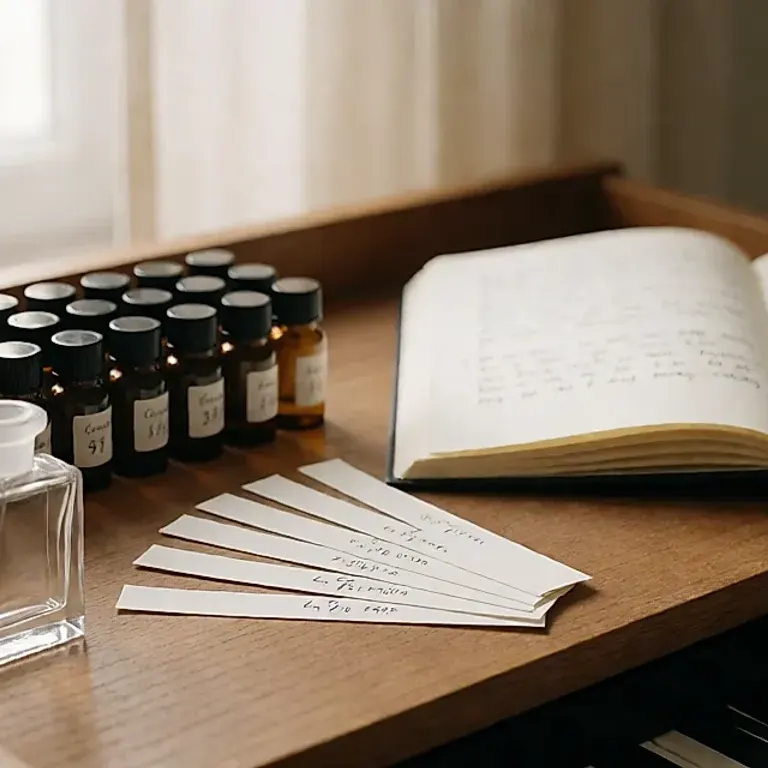
Third, and simplest: ask for a sample. A perfume tested on a blotter tells you very little about how it will wear on you. On skin, it changes over the hours – sometimes for the better, sometimes into 'why does this smell like syrup?'. If a brand offers a sample, take it: it is a good way to avoid buying 50 ml blind.
The test that takes its time. In practice, a perfume often develops in three stages: the opening, in the first few minutes; the heart, a little later; and the base, a few hours after that. If you are testing two perfumes, spray each one on a separate wrist rather than layering them on the same spot – otherwise the two scents blend and you will never know which one you disliked. And be wary of the smell of a brand-new bottle: what comes out on the first spray is not always representative.
Budget
On price, the range is wide, and the name on the cap is not always a reliable guide. At the time of writing, expect to pay roughly £55 to £110 for a 50 ml eau de parfum from a fashion brand or celebrity line, £80 to £160 from a skincare brand adding fragrance to its range, and £135 to £270, sometimes more, from a niche or historic house. Discovery sets – several mini sizes – remain a sensible way in: often £20 to £40, and they save you from a 100 ml bottle that ends up as decoration.
A simple approach is to go and smell the perfumes in a department store or specialist fragrance shop, then compare sizes and discovery sets – that is often where much of the price difference between retailers lies, not in the juice itself.
The real luxury here is not the singer's name on the cap. It is a perfume you wear three days in a row without growing tired of it, even on a rainy Monday morning. That one, no one can choose for you.
Comments
Your opinion matters: rate the article, react and reply to comments.
Comments are moderated; AI-assisted comments are flagged. Text emoticons (8-), :-), <3…) are automatically shown as images.