
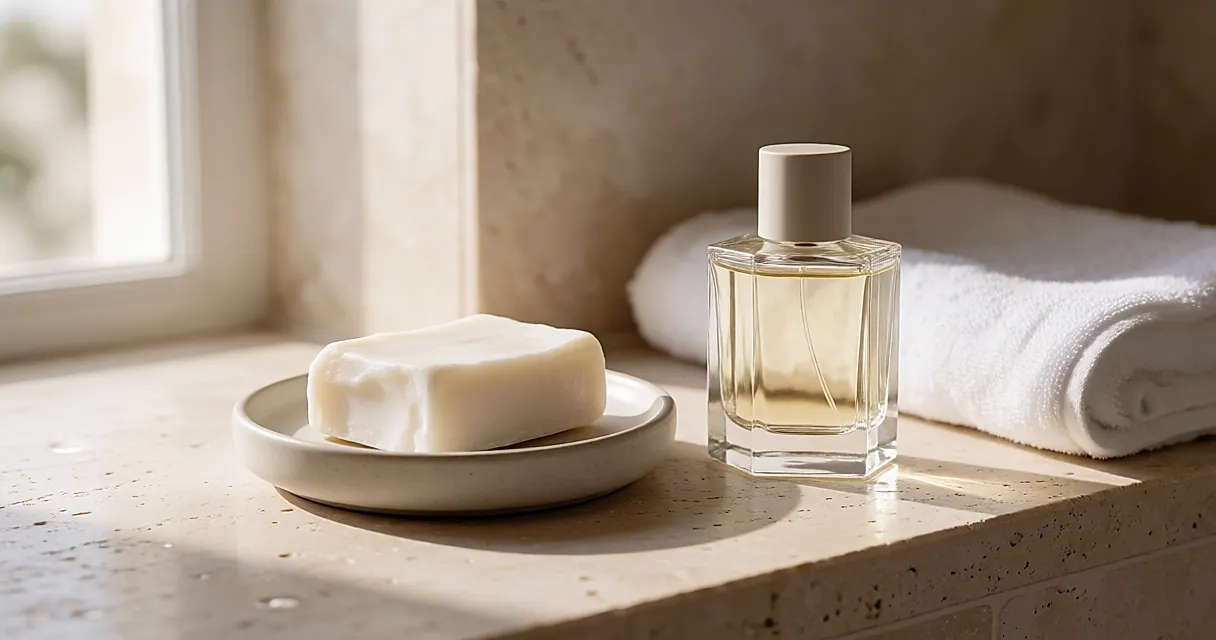
In the lift that morning, someone smelled clean. Not the aggressive clean of bathroom spray: the soft, faintly powdery clean of skin straight out of the shower and washing that has dried outside. The kind of smell you would never ask about, but always notice. And what if the most stylish scent compliment going right now is the very one we spent years treating as an admission that the formula had run out of ideas?
Soap, the note we used to hide
There was a time, not so long ago, when saying a perfume “smelled of soap” counted as an insult. The implication was clear: no trail, no daring, a formula that had not tried hard enough. Soapy notes were tolerated in a bar of household soap, never in a scent. Marseille soap went into the box marked holidays at your nan’s, and everything else went into the box marked serious but sad. Clean was the poor relation on the shelf. You get the picture?
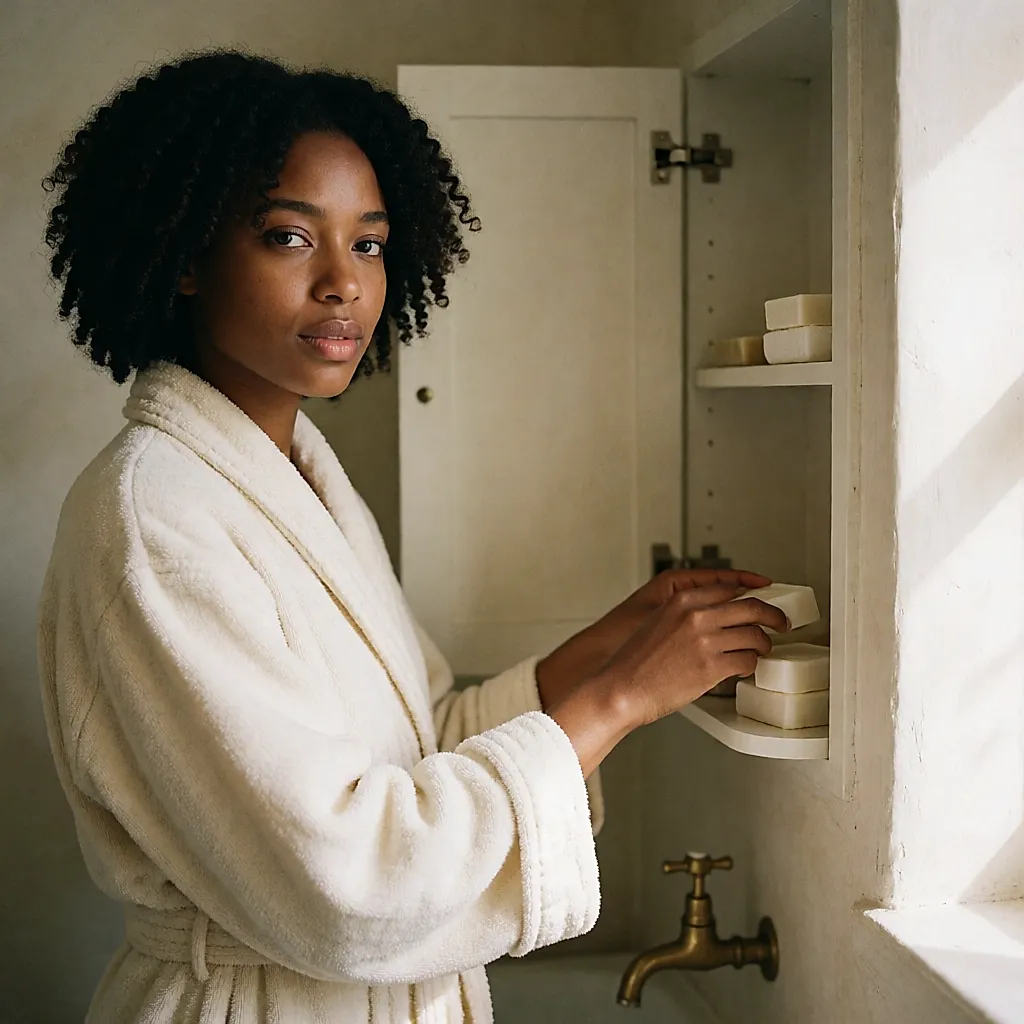
Then things shifted. Soap returned to bathrooms in solid form, laundry detergents made an effort with their scent, and above all we started to find it restful to smell good without smelling of a perfume. In the office, on the Tube, in the queue for a coffee, clean has become a form of olfactory good manners. There are worse agendas, admit it.
What “soapy” actually means
In perfumery language, clean is not an official family like florals or woods: it is an effect, an impression. It usually rests on three building blocks. Aldehydes first, the molecules that suggest wax, soap and sometimes champagne — they are a good part of why Chanel N°5 has the reputation it does. Then white musks, which create that sense of clean skin and washing straight out of the tumble dryer. And ionones, more powdery, which lean towards violet and toilet soap.
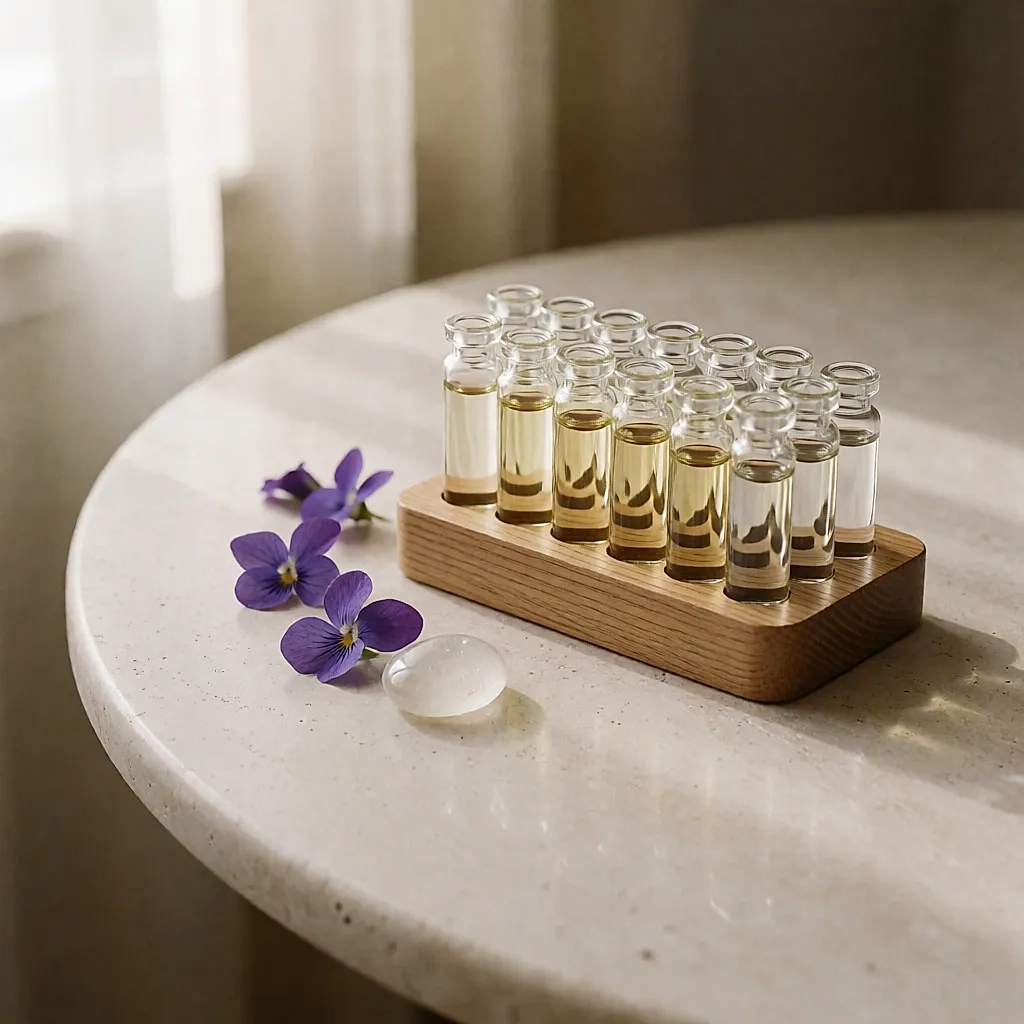
That blend does not smell clean by accident: it copies familiar smells, the ones of hygiene and home. Which is probably why it divides people. You either love it or you think it smells of your nan’s bathroom. Between the two there is a nuance: a soapy effect done well is not flat, it has a woody base, a little rose, some bitterness. Otherwise it tips over into surface cleaner. Byredo Blanche, Maison Margiela Replica Lazy Sunday Morning, Philosophy Amazing Grace: three different ways of saying “clean”, from the most floral to the most musky.
Why clean feels desirable again
We are living through a moment of olfactory fatigue. Gourmand perfumes, heavy on sugar, have saturated corridors and lifts; eventually we wanted silence. Clean does not add another layer. It suggests, it brushes past, it leaves room for other people. It is the perfume that does not shout, the one you wear for yourself and dare to wear to the office without turning the morning meeting into a bakery.
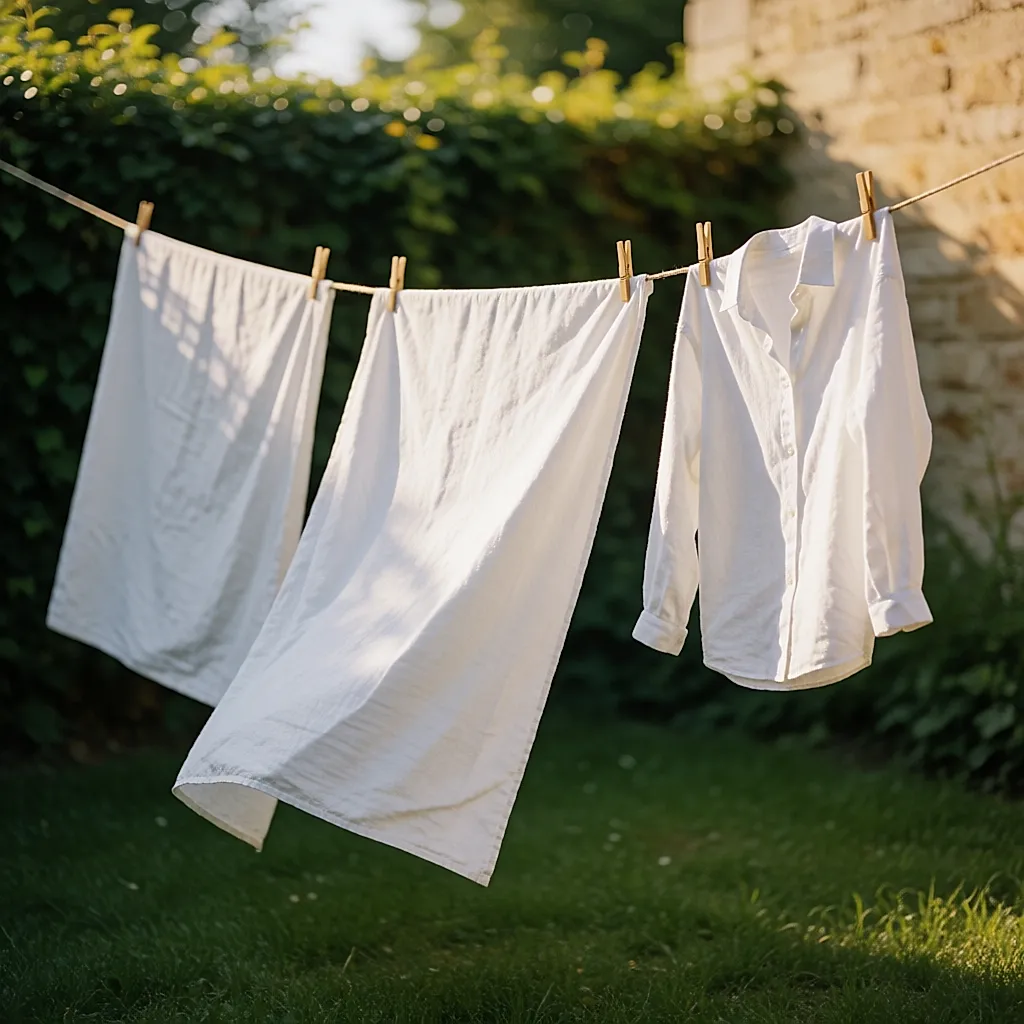
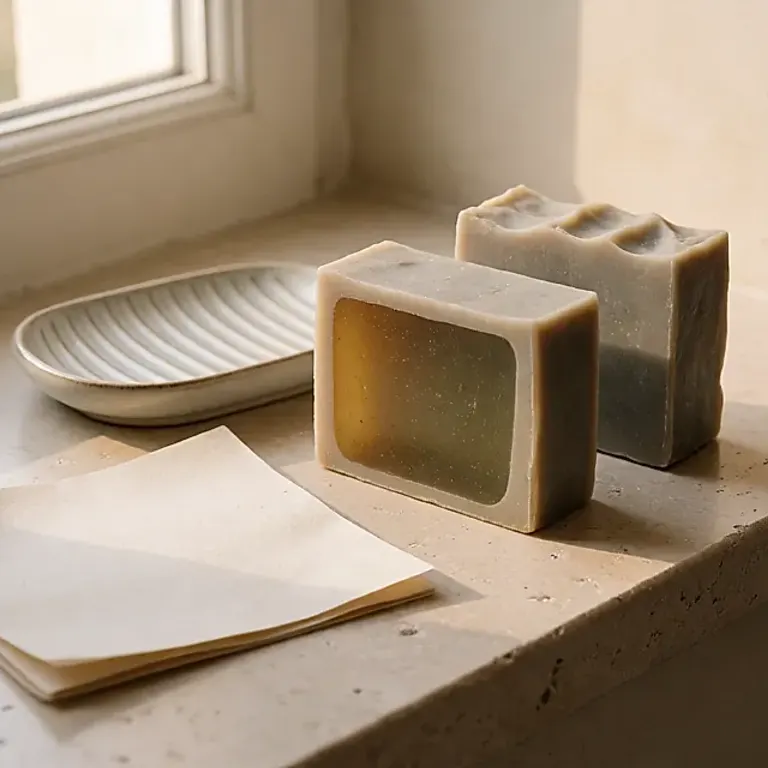
There is also a gentle nostalgia, for line-dried laundry, Marseille soap and Sundays with nothing to do. And a more contemporary claim: smelling good without perfume money. Because clean is not about price. A bar of soap costing a couple of pounds can do the job; a niche bottle with an invented French name can miss the mark entirely. The olfactory family is not about status, and thank goodness for that. Anyway, why should a scent have to be recognisable to count as style?
How to wear it without smelling like a bathroom
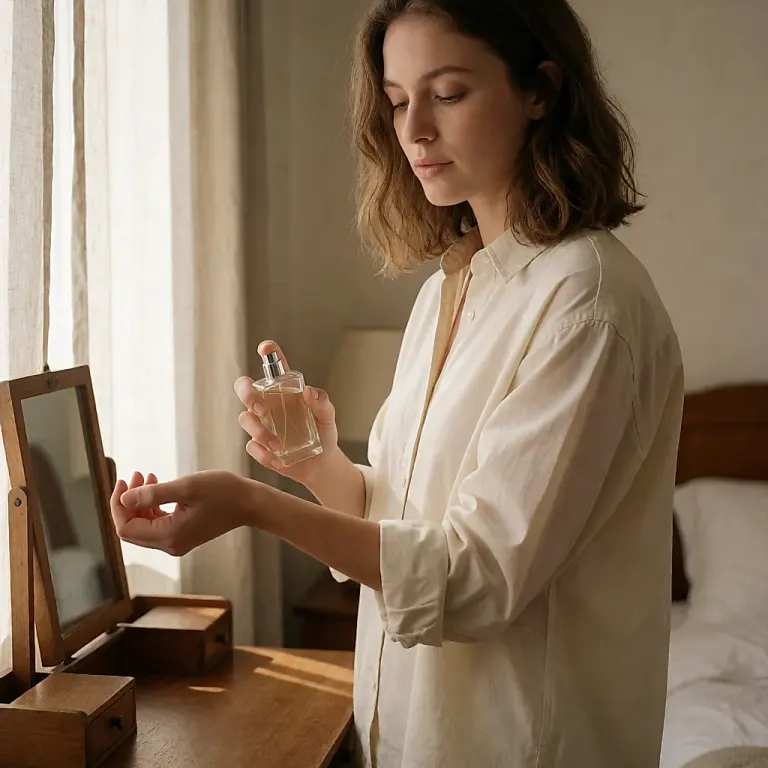
The trap is layering. Scented soap in the shower, a shower gel in the same smell, musk-heavy laundry detergent, then perfume: at that point you no longer smell clean, you smell like the household aisle. In practice one spray is usually enough; adjust for concentration and taste.
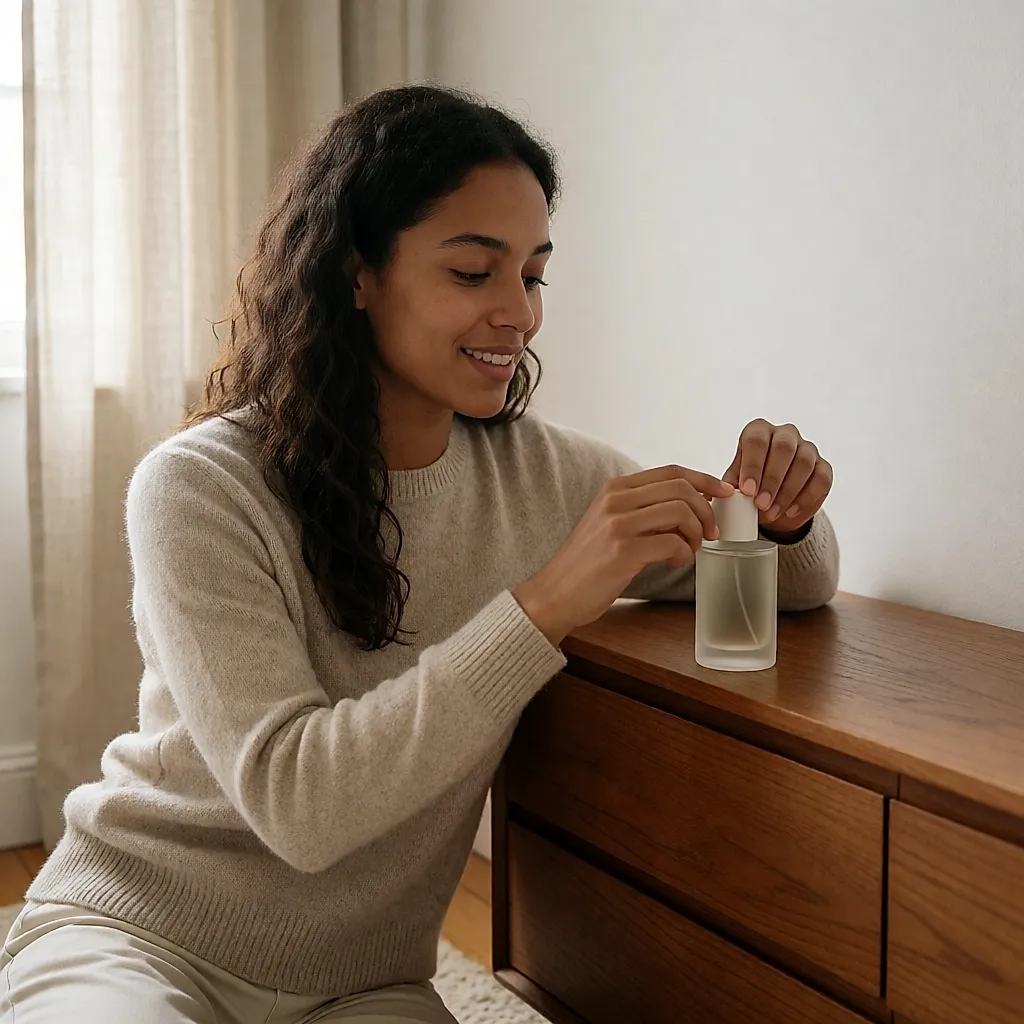
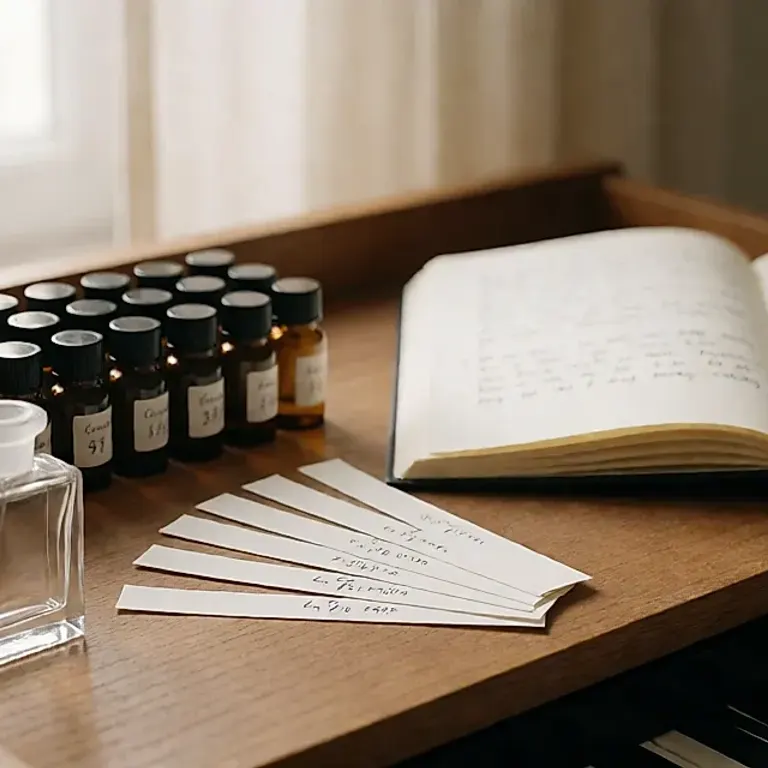
Another trick: layer the soapy effect with something woody or a green floral. Clean on its own can read as safe; a little vetiver or rose gives it some relief. And if you are trying scents in a shop, wait until the end of the day — base notes often reveal themselves hours later, not on the spot. Have you ever loved a perfume at the counter and hated it three hours later? That is usually where it is decided.
Three things to check before you buy
- Spray it on skin, not on a card: warmth is what brings out the musks.
- A soapy scent often lasts less long than a gourmand; keep a travel size in your bag.
- Check the ingredient list if natural is what you are after: synthetic musks usually dominate, and that is not a fault.
Budget
On price, there is no firm figure to give: it moves too much with brand, concentration, size and where you buy. As a rough guide in the UK, expect somewhere in the region of £30 to £80 for an eau de toilette, £60 to £140 for an eau de parfum, and often £150 and above for a niche house. A scented soap is generally the cheapest route, from a couple of pounds to around £10. Where you are in the country, the line and the retailer — department store counter, high-street chain, brand website — all shift the number. If you want something more pared back, look for refills or refillable bottles on the brands’ own sites: the offers change quickly.
Deep down, soap was never a flaw. It was simply a smell we had not yet learned how to wear. Today we can own it without ceremony: a little clean, a little skin, a little laundry — and that small extra bit of order that nobody sees but everybody registers.
Comments
Your opinion matters: rate the article, react and reply to comments.
Comments are moderated; AI-assisted comments are flagged. Text emoticons (8-), :-), <3…) are automatically shown as images.