
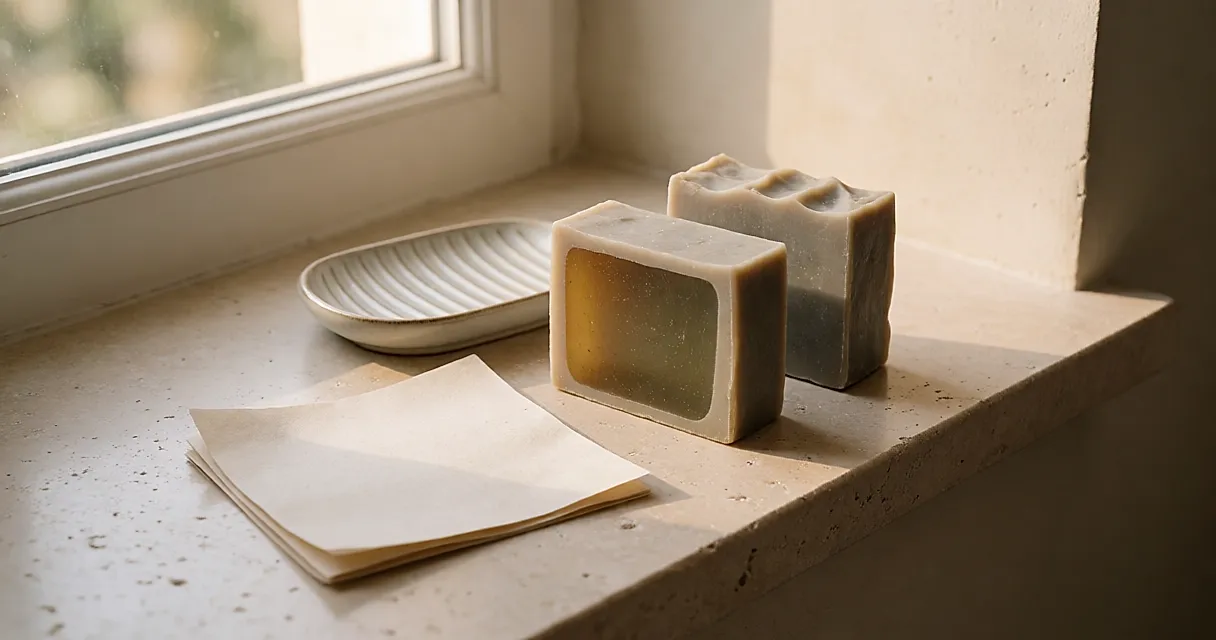
At a neighbourhood soap maker's, a grey-beige bar carries a price that rises steeply once you weigh it, right next to a six-pack of budget soaps. You pick it up, smell it, put it down. And you wonder what could possibly justify the gap — because at that price, you want it to be more than pretty wrapping.
The glycerine they remove without saying so
Saponification is a simple reaction: oils meet lye, and out comes soap... plus glycerine. The two are born together in the pot. In industrial production, salt is added to separate them: the soap rises, the glycerine drops into the brine and is sold to the cosmetics industry, where it is worth far more than the soap itself.
In cold-process soapmaking, nothing is separated. The mix is kept warm, without a long cook, and the glycerine stays in the bar with the oils. Hence the name: cold-process means gently warmed, not zero degrees. Exactly how much glycerine remains? It depends on the recipe, and few soap makers publish the figure. So here's my confession: I can't give you a percentage, only the principle.
What the label actually tells you
An INCI list on soap is quick to decipher once you know the vocabulary: 'sodium olivate', 'sodium cocoate' and 'sodium shea butterate' are the soaps formed from olive oil, coconut oil and shea butter. You may also see 'aqua', sometimes 'glycerin' (glycerine added on purpose, chemically the same as the glycerine left over from the reaction but from a different source), and possibly 'sodium tallowate' if the fat used is animal tallow.
The tricky part is fragrance. 'Parfum' or 'fragrance' on its own does not tell you whether the scent is natural or synthetic. Careful brands list essential oils and the allergens they contain (limonene, linalool...) separately, which gives you a clue to the composition. One thing is certain: an unfragranced soap does not need that line at all, and it is often the calmer choice for reactive skin. As for labels, trust each scheme's precise criteria rather than the word 'natural' printed in large type.
Don't improvise soapmaking at home. Caustic soda burns skin and eyes, attacks aluminium, and a dosing error cannot be corrected. If the idea of making your own appeals, take a course or use a kit with gloves, goggles and scales accurate to the gram. Otherwise, leave the chemistry to people who do it every day.
And what about that high pH?
Let's say it straight: soap, even the most artisanal bar in the world, is still alkaline. In practice, you often see pH around 9, while skin sits closer to 5. That is not a manufacturing fault; it is the nature of soap. A generous superfat (the oil left in excess in the recipe) softens the feel, but it does not turn soap into a leave-on treatment.
What does that mean for you? Soap is not the product to put everywhere, all the time. Very reactive or eczema-prone skin deserves advice from a healthcare professional rather than a random experiment. And if your face feels tight after the shower, there's no need to grit your teeth: it's a signal, not a sign of character.
The date matters more than the name
Look for the date it was made, not just the best-before date. Cold-process soap is left to rest slowly in the air on a shelf: that's the cure. In practice, it often gets four to six weeks, sometimes much longer for recipes rich in gentle oils. A bar sold too early stays soft, turns to mush quickly and seems to melt before your eyes; a well-cured bar holds its shape.
That is also why artisan soap is not something to stash for ten years in a damp cupboard. Keep it away from water, well out of splash range, and take it out of its packaging if the wrapping holds moisture.
What it costs
Expect to pay roughly £6 to £12 per 100g at a soap maker, health-food shop or farmers' market — prices shift with the city, the product line and the cost of oils (olive and shea don't cost the same as rapeseed). Online you can sometimes find it cheaper, but postage swallows the saving on a single bar.
What are you comparing it with? Mass-market soap costs next to nothing, and that is no accident: soap made by salting out generally no longer contains the glycerine, and often carries a synthetic fragrance tenacious enough to last for ages on a shelf. So you are paying, on the one hand, for an ingredient that has often been taken out; on the other, for a bar that will last longer if you treat it well.
The small habit that makes a real difference
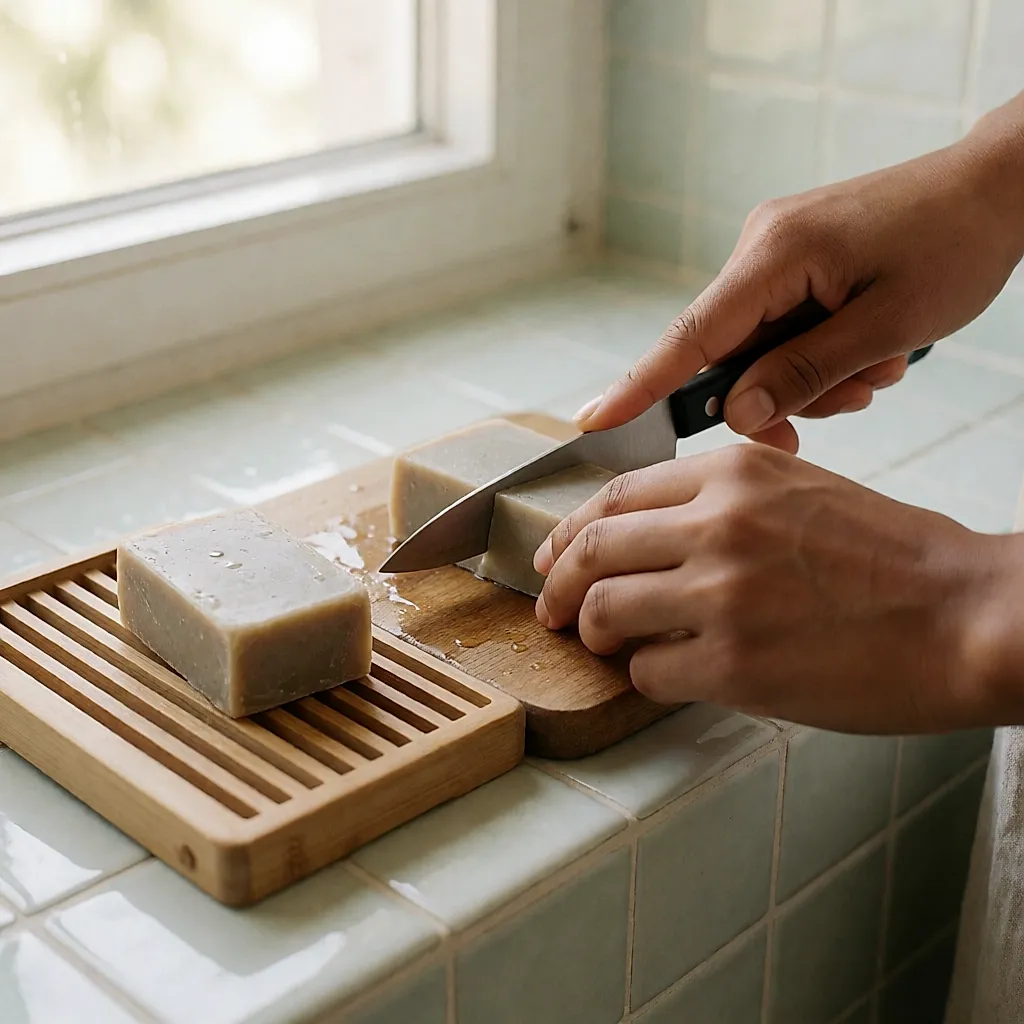
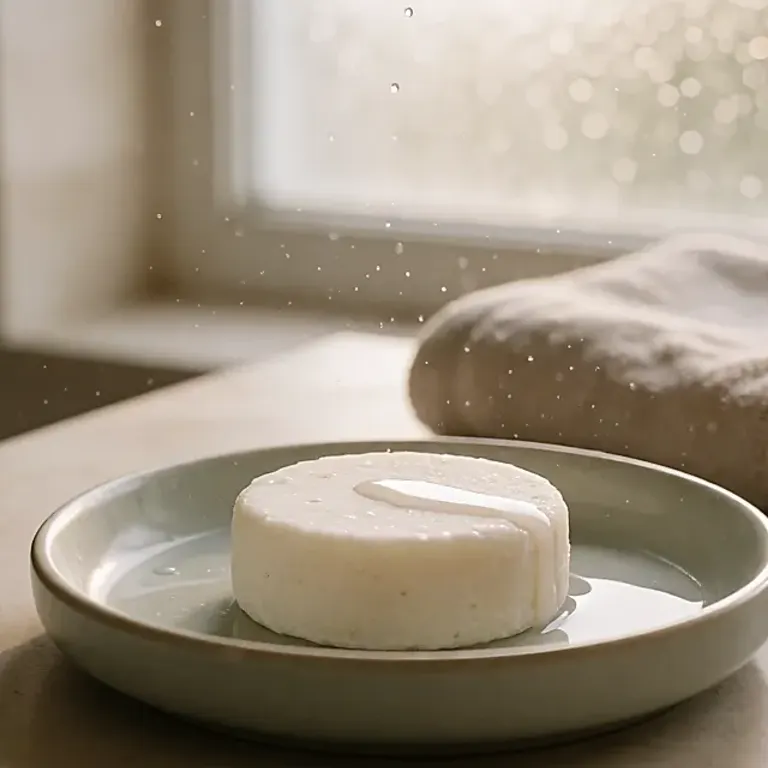
Two words: a soap dish. A bar sitting in a puddle does not lather better; it melts. Put it on a rack or a draining dish, away from the jet of water, and let it dry between showers. Second free trick: cut the bar in half. One half is in use, the other stays dry in a drawer — and the smaller piece, easier to handle, wears down less quickly than a big sodden block.
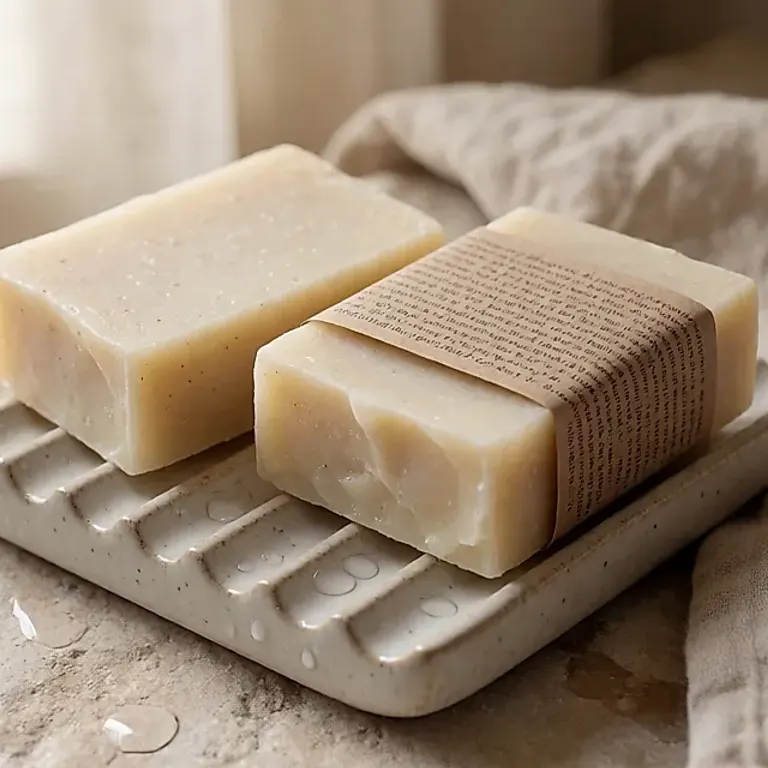
Then there's the packaging. A naked bar, with nothing, or a simple cardboard sleeve: that's the most restrained option, and it avoids throwing away a plastic film every week. If you want to stick with a particular brand, look at what it actually documents about how it is made, not just the word 'natural' on the front.
Ultimately, this artisan soap is not a luxury: it is a bar that does its job, that can be cut, that dries and that lasts. The real luxury might be having stopped buying another soft, plastic-wrapped bar every fortnight.
Comments
Your opinion matters: rate the article, react and reply to comments.
Comments are moderated; AI-assisted comments are flagged. Text emoticons (8-), :-), <3…) are automatically shown as images.