

Day 3. Your roots make themselves known every time you pass a mirror, yesterday's blow-dry has given up, and an evening shampoo feels like the only way out. But what if, instead of adding a wash, you added a step? No one is asking you to live with a sticky scalp: just to change the order of operations.
The 'just wash it' reflex
When it itches or gets greasy again, we wash more often. As if the problem were a dirty plate and all it needed was a harder scrub. In practice, one shampoo too many – or one that is too stripping – often leaves the scalp tight, and you compensate the next day with another wash. The cycle is comfortable — it smells faintly of mint — and the problem returns on exactly the same schedule.
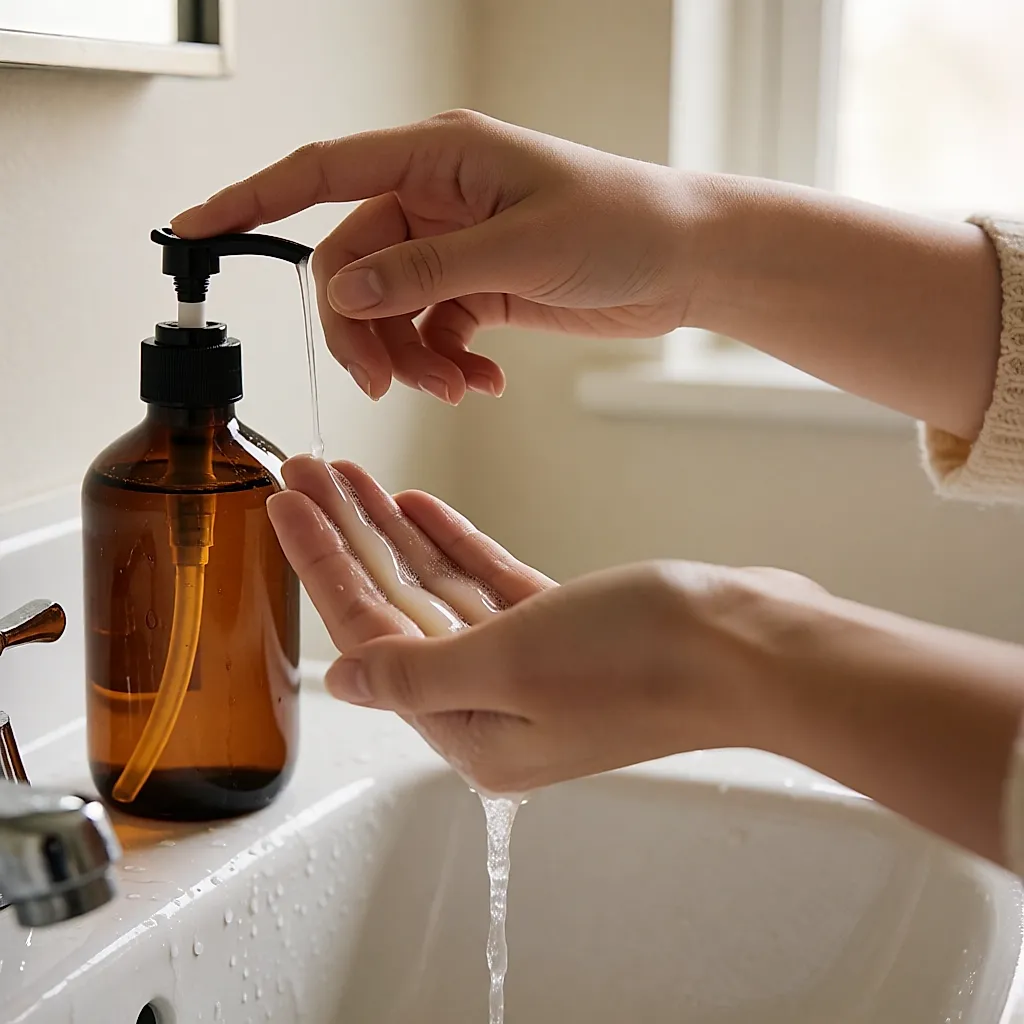
Between washes, though, there is room for three distinct steps: absorb sebum, exfoliate, soothe. They are not for the same person. The first is for those whose roots shine before the day is out; the second for scalps that get congested under product residue; the third for scalps that feel tight, prickly or red. The question is which one applies to you – and how to resist the urge to pile all three on the same evening.
Absorbing sebum: the honest shortcut
Dry shampoo is not a wash; it is a stay of execution. Powders – clay, rice starch, tapioca – hold some of the sebum at the surface and make roots look clean again. It is hair make-up, and that is absolutely fine, as long as you do not expect the moon from it.
How long does it last? In practice, it often lasts a day, rarely longer. Technique matters more than quantity: use little taps from about 15 cm away, parting by parting, then leave it for a minute before brushing. Without that minute, you spread the powder rather than remove it, and the roots turn chalky white, as if you have been sanding a wall. Trying to make three layers last until Sunday does not work either: residue builds up, the scalp itches, and you end up washing twice. As for packaging, choose pots or refills rather than aerosols.
Exfoliating: for congested roots, not raw scalps
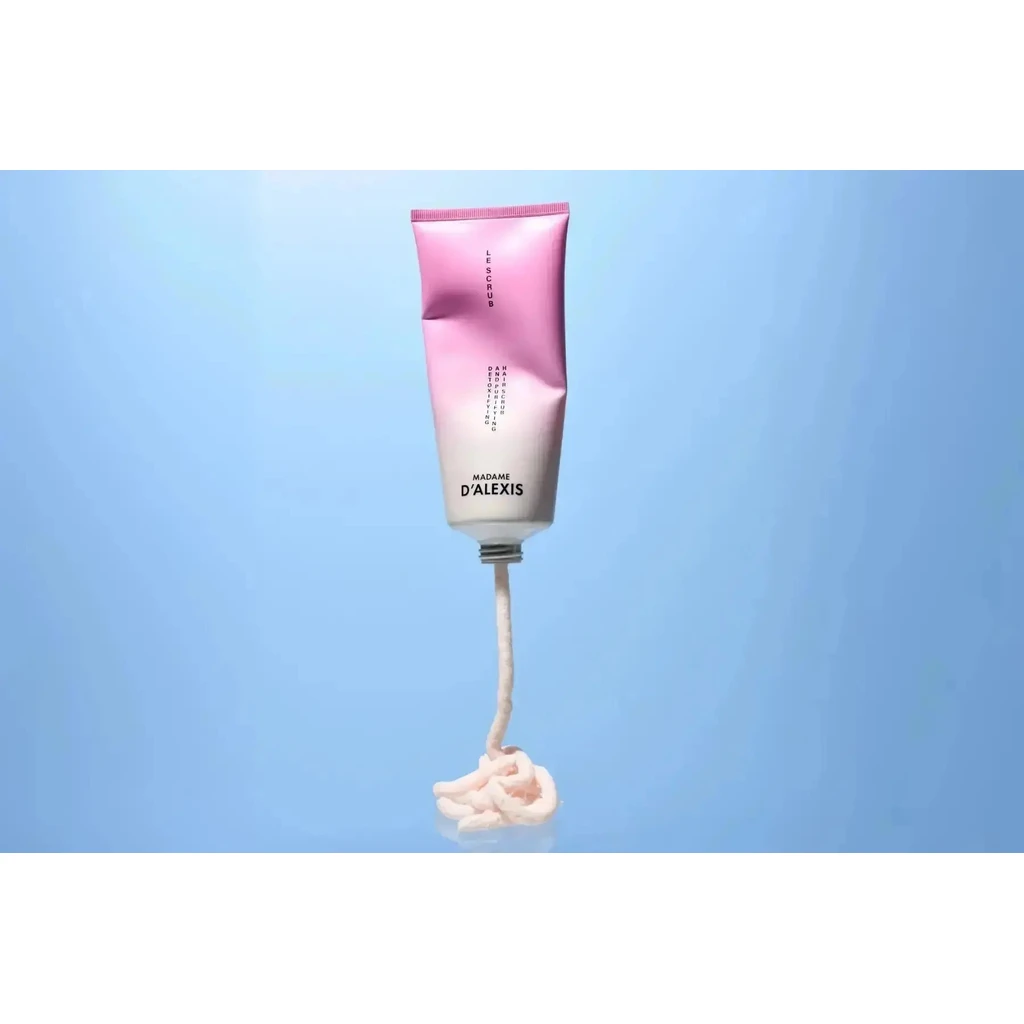
A scalp scrub is not something to improvise. It is for those whose roots get greasy quickly and whose scalps get congested from product build-up – hairspray, oils, absorbent powders – or from hard water. When the scalp gets congested, a gentle scrub can help you start again from a clean base, without stripping everything.
How to use it: on a damp scalp, before shampoo, apply a pea-sized amount with your fingertips only – never your nails – then rinse thoroughly. In practice, once every 10 to 15 days is often enough – that is an editorial marker, not a prescription. Skip it if it stings or burns, or if there are sores or crusts, and choose sugars, gentle clays and plant oils over synthetic beads.
Soothing: a few minutes no one makes time for
A sensitive scalp does not need more washing, but less irritation. After shampoo, that tight feeling, those evening itches, that redness along the parting: these are signals, not fate. Why do we always forget this step? Because it promises nothing spectacular, probably – and it takes a few extra minutes.
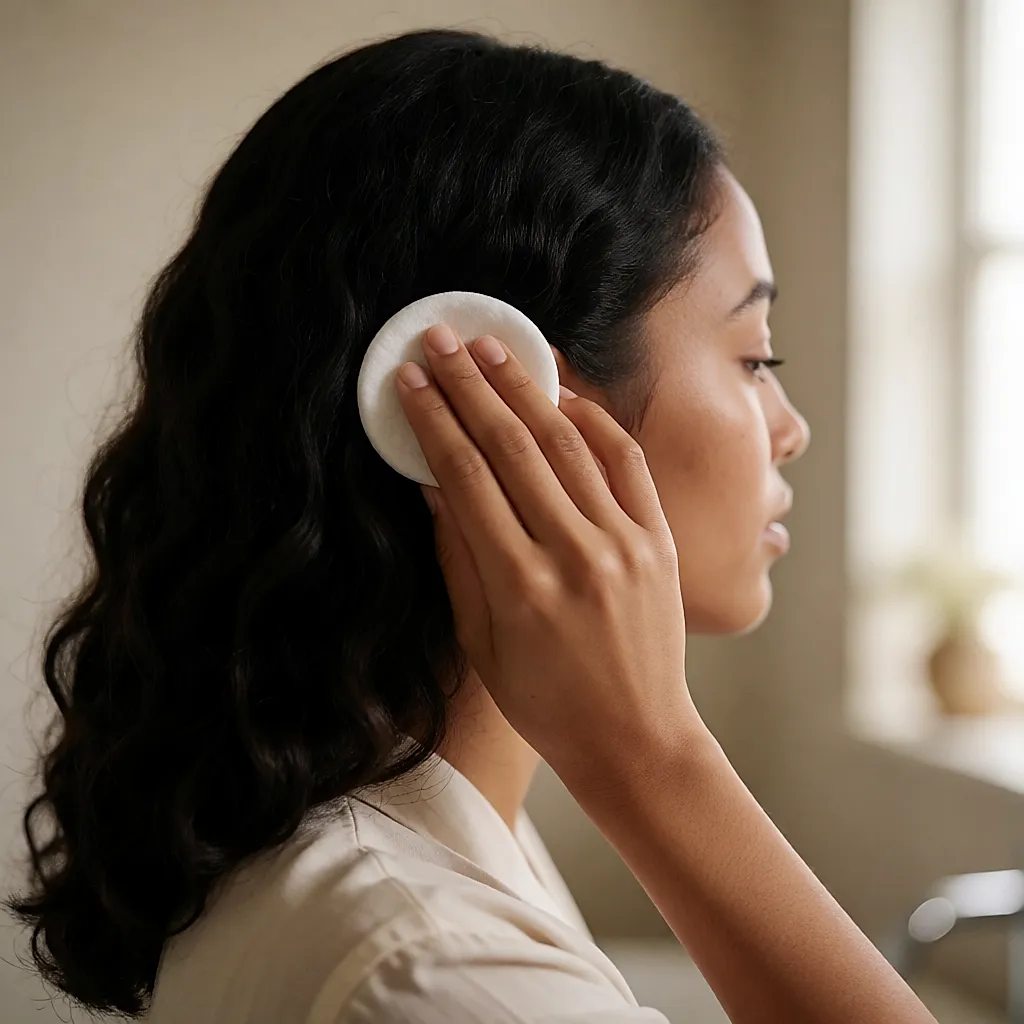
It is simple: rose or chamomile floral water, or aloe vera gel, applied with a cotton pad to a dry or towel-dried scalp, then a massage with your fingertips in small circles for a few minutes, for example once a week. What ruins it: very hot water, scratching with your nails, neat essential oils used without caution, a tight bun pulling at the temples. And if it has been itching for weeks, if you see plaques or crusts, if you have hair loss, or if it hurts, it is no longer a case of tweaking your routine: speak to your GP or a dermatologist.
Budget: three steps, three shopping baskets
No need to buy all three on the same day. Expect to pay roughly £5–£15 for an absorbent powder, from a supermarket, high-street beauty retailer or pharmacy, depending on format and packaging; £10–£30 for a dedicated scrub; £6–£20 for 200 ml of floral water or soothing gel, from a health food shop or online. A scalp treatment in a salon or clinic often costs between £30 and £70, depending on location and appointment length.
And no one is making you buy all three. A simple floral water is often enough for comfort, a pot of powder can last months, and the scrub can wait until you feel you need it.
Which one for you? Roots get greasy before the end of the day: absorbent powder, applied in fine touches. Congested roots and product build-up: a gentle scrub every 10 to 15 days. Tight or prickly scalp: floral water and massage, and ease off products. If several apply at once, start with the most urgent and wait a little before adding another step.
Then there is the step for days when you only have five minutes: fingers on the scalp, under warm water, no product, breathing. Scalp care happens between washes – rarely by washing more, often by adding the small step you kept skipping.



Comments
Your opinion matters: rate the article, react and reply to comments.
Comments are moderated; AI-assisted comments are flagged. Text emoticons (8-), :-), <3…) are automatically shown as images.