

First things first: our skin is an organ, so it is alive and it has its ups and downs — a little spot here, a line there. That is fairly natural. We need to avoid making a drama out of it and let it live.
The trouble comes when blemishes and dullness settle in: that’s when we step in to help it get back into shape.

Beauty through diet
Treatments, scrubs, pampering at a salon: all well and good, but the beauty of our skin depends above all on a healthy lifestyle. And the first rule is to give skin what it needs to stay hydrated, renew its cells, repair itself and protect itself from aggressors. Much of that comes from what we eat.

Vitamins A and B and water for hydration, vitamins E and C to help with healing and fight ageing, essential fatty acids to nourish and protect it, zinc to help it deal with blemishes… The list is long, and the best way to deliver all these elements is a varied, balanced diet.
So we add a little variety to our menus and try new dishes. Nothing too complicated: eat a bit of everything and limit overly fatty, sugary and salty foods, and processed meals.
Remember to drink your daily quota of water, in small sips throughout the day to avoid bloating. Don’t wait until you’re thirsty — by then you’re already dehydrated. The recommended amount is 1.5 litres a day.
Massage and tone!
Nothing reactivates sluggish microcirculation like a facial massage. You can do it while applying your moisturiser or on clean skin (with clean fingers), in the morning. You don’t need to be a pro: use the pads of your fingers and gently press in a circular motion over your temples, cheekbones, jawline…
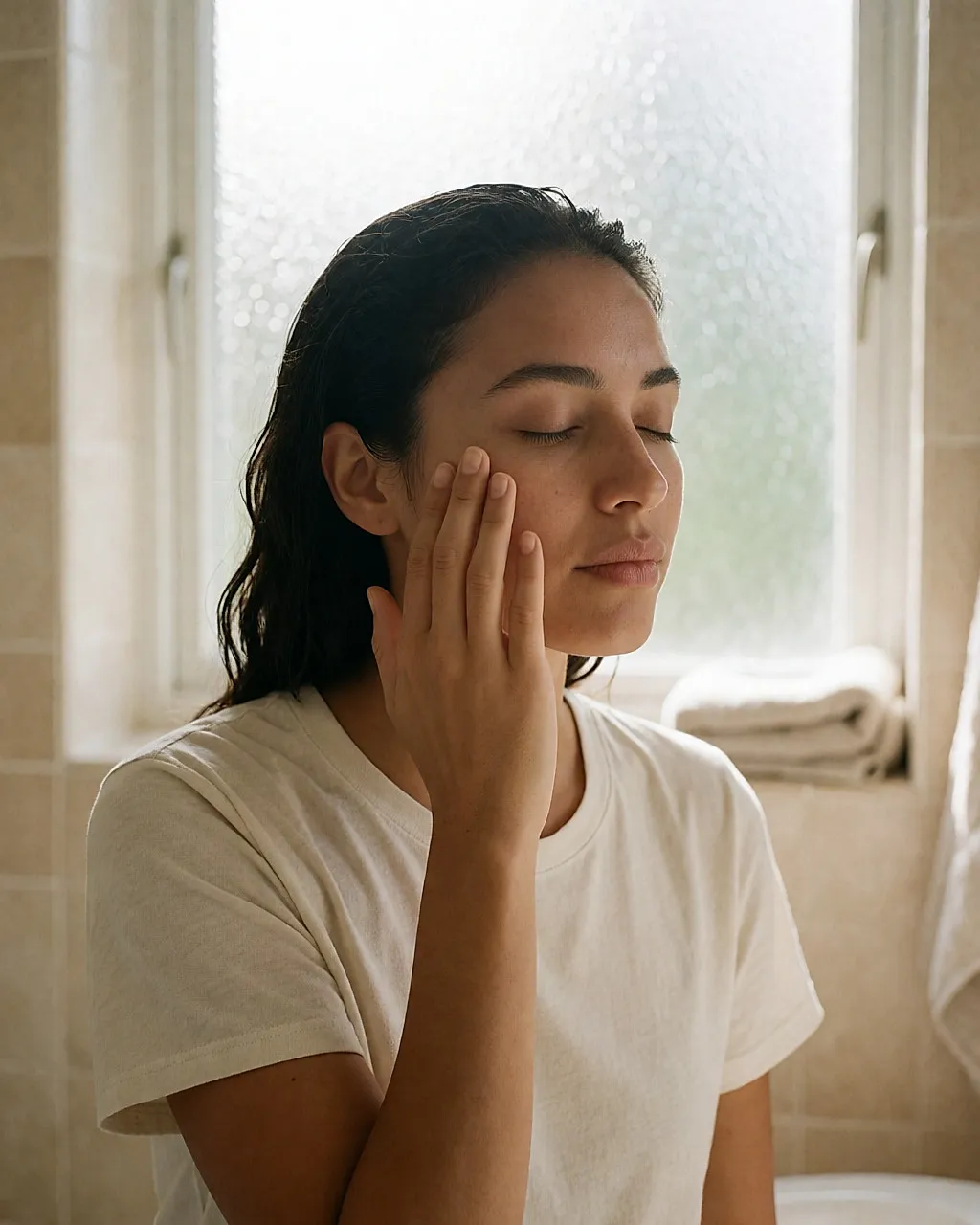
Note that some methods suggest facial exercises to do every day, targeting all the muscles of the face; their effectiveness for skin firmness is still to be confirmed.
In the healthy-lifestyle category, guard your sleep jealously. Not only does it keep us in shape, but cell renewal happens during sleep. Just look: our skin is at its best when we wake up. And beware of cigarettes — they mean dull skin and premature ageing.
And what about skincare?
No need to go overboard; the key is to choose products suited to your skin type.
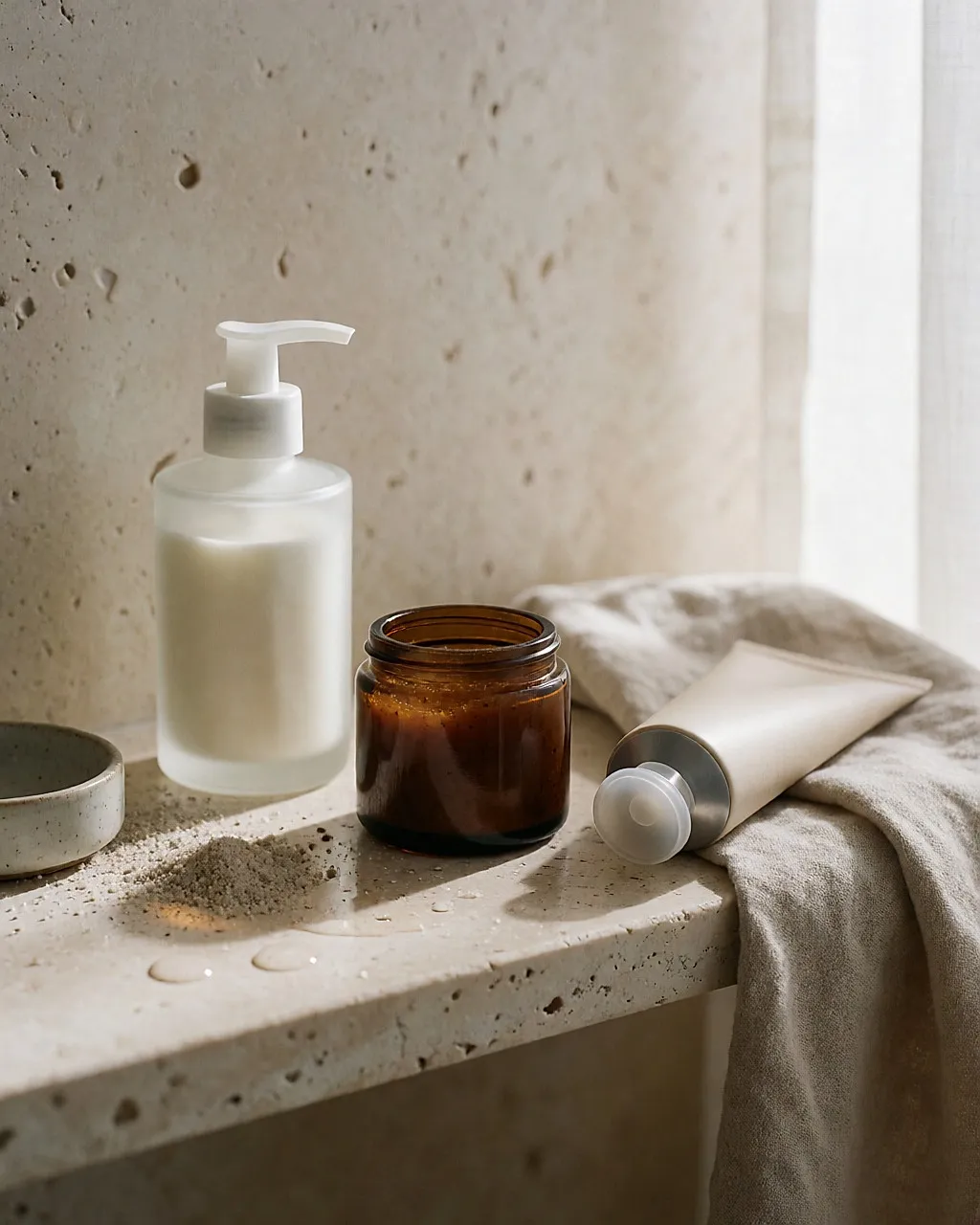
The essentials are: a moisturiser to apply every day to clean skin, an exfoliator once a week, and a treatment mask — again, one that suits your skin’s needs — to leave on straight after exfoliating.
With make-up too, it’s best to choose products carefully. If your skin is prone to blemishes, for example, look for non-comedogenic and oil-free products.
The few golden rules are:
- Remove your make-up thoroughly every evening and cleanse your skin morning and evening with a gentle product.
- If you love make-up and rarely leave the house without foundation, choose quality products and don’t hesitate to ask your dermatologist for advice. And let your skin breathe now and then — in other words, skip make-up when it isn’t really necessary…
- You can afford to leave your skin bare at night. Some people recommend night creams, while others think they suffocate the skin, especially as they are often richer than day creams.
- Protect your skin from the sun and the cold with suitable products. Generally, we switch products in autumn or early winter: when it’s cold, skin needs a richer or more moisturising cream, while in summer it can make do with a light emulsion and sunscreen.
Finally, there are supplements you can take in a course when your skin feels tired. Autumn and winter are seasons when our bodies sometimes need a little extra help. But be careful: these courses can be useful when followed alongside a balanced, varied diet.
Our beautiful-skin shopping edit
- If you struggle to eat your daily vegetables, try a large glass of organic vegetable juice. A seven-vegetable blend makes a great aperitif-style drink.
- Borage oil, pomegranate extract and a mineral blend: if you choose a supplement that combines these ingredients, its effect on skin ageing is not proven as it stands.
- Brewer’s yeast is packed with vitamins and trace elements and is traditionally used alongside a balanced diet; evidence for its effects on skin, hair and nails is limited. Available as capsules or flakes.
- Add two tablespoons to a bowl of boiling water, place your face above it and cover your head with a towel. The steam softens the skin and relaxes pores; use alongside gentle cleansing. Dr. Hauschka Steam Bath.
- Nothing removes make-up or cleanses skin gently like this extra-gentle micellar water. On a cotton pad, morning and evening, it cleans thoroughly, doesn’t dry out skin and doesn’t sting. A top pick. Créaline H2O, Bioderma.
Our skin is a bit of a reflection of how we are, not only physically but psychologically. A bout of fatigue, stress or feeling low… and it shows: blemishes, dryness, fine lines, dullness and other typically skin-related troubles crowd our features. Obviously, we’re not against being zen, getting our eight hours of sleep and feeling good in our skin 365 days a year, but our lives are not a Disney blockbuster, so we deal with the ups and downs. That said, don’t worry: while waiting for everyday bliss, there are still some good tips for clearer skin — the main thing is wanting to look after yourself.
Budget
When it comes to skincare, the cost varies hugely depending on where you buy. At a pharmacy or health and beauty retailer, expect to pay around £13 to £30 for a gentle cleanser or a basic moisturiser, and more like £35 to £80 if you move up a level in a department store beauty hall or from a targeted skincare brand. An exfoliator or mask usually costs between £9 and £30 depending on the size. Supplements taken as a course are around £13 to £26 a month, including brand and pack size. In a salon or skin clinic, a single facial usually costs between £40 and £80, with packages often better value if you go regularly. These ranges vary according to formula, size, brand and where you shop — supermarket, pharmacy, department store or online.
Sources
- ANSES (French Agency for Food, Environmental and Occupational Health & Safety): guidance on diet and hydration.
- Santé publique France: prevention messages on sun exposure and skin protection.
Food supplements do not replace a varied, balanced diet and a healthy lifestyle.

Comments
Your opinion matters: rate the article, react and reply to comments.
Comments are moderated; AI-assisted comments are flagged. Text emoticons (8-), :-), <3…) are automatically shown as images.