

There are mornings when your complexion tells the story of your week better than you do. Two late nights, a missed train, a little one who decides 4am is the new morning, and your skin gives the game away before you have said a word: dull, hollow-looking dark circles, a spot that appears exactly where you least wanted it. There is nothing very mysterious about it. Your skin is a vascular organ, and when sleep or alcohol are involved, microcirculation slows down and so does cell renewal. The good news is that much of this can be turned around with a few simple habits, not a magic formula.
Before the cosmetics, get the basics right
Let's be clear for a minute: no cream can make up for five nights of four hours' sleep.
Sleep first. It is at night that skin repairs its barrier. Six hours is short; seven to eight is within reach if you skip one episode of a series. Alcohol and smoking next — two well-established factors in skin ageing, because they weaken the skin barrier and damage the fibres that give it support. There is no moralising here: if you have a drink, have a large glass of water alongside it.
Diet, finally. Vegetables, fruit, fish, pulses: colour and fibre. Steaming preserves nutrients better and avoids heavy sauces. And to put a stubborn myth to bed: no food 'detoxifies' you. That job belongs to the liver and kidneys, every day, with no lemon or charcoal required.
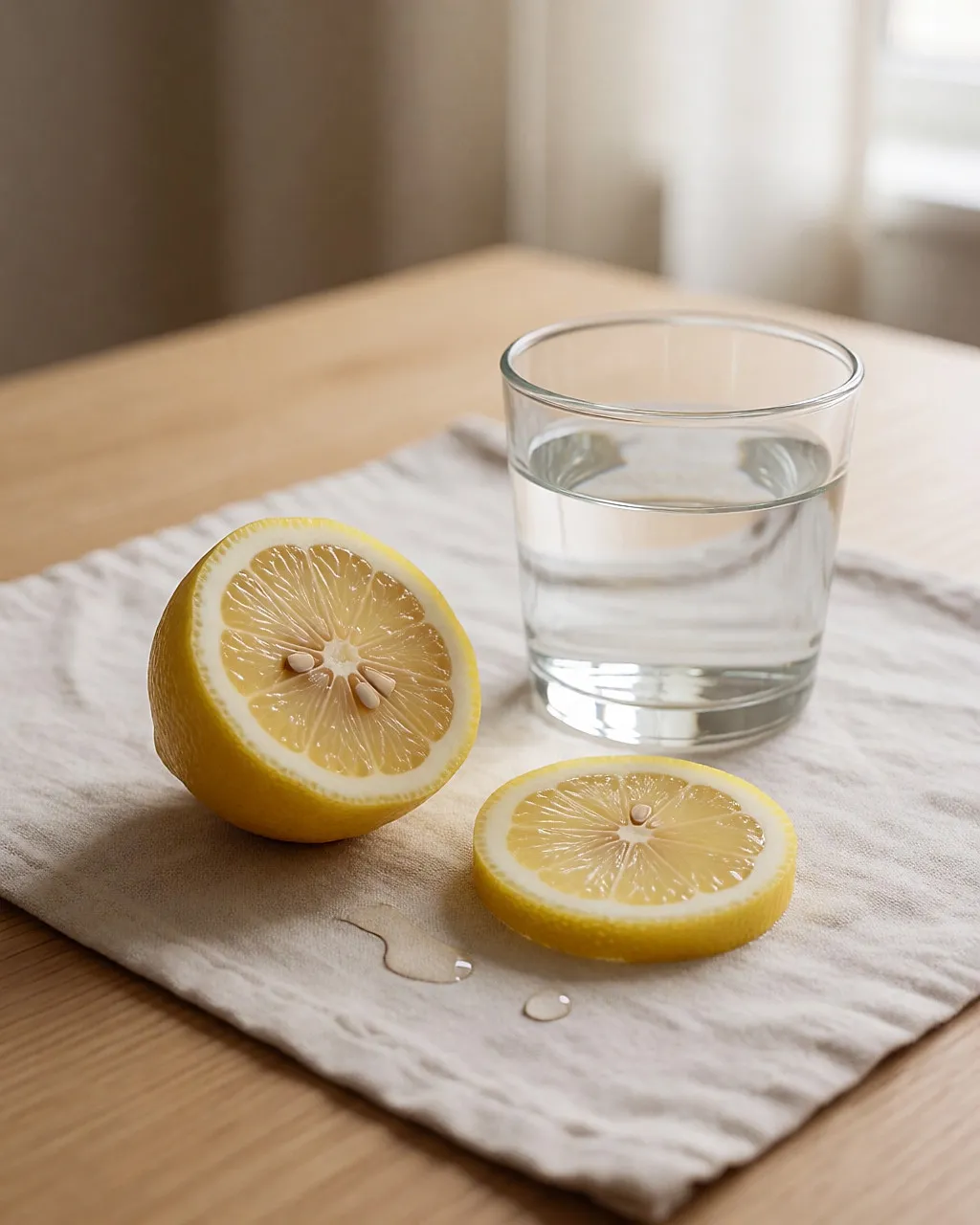
What actually helps when it comes to water
EFSA puts total water intake for an adult woman at around 2 litres a day, including drinks and food — soup, tea, fruit and vegetables all count towards the total.
And warm lemon water in the morning? The cleansing effect has never been demonstrated. What is useful is a glass of water on waking to rehydrate after the night, and vitamin C, which contributes to normal collagen formation — and therefore to skin quality. A real benefit, just not the one you were sold.
The evening step you shouldn't skip
Cleansing, non-negotiable. Skin regenerates at night; leave it under a layer of foundation and it is effectively working with a mask on.
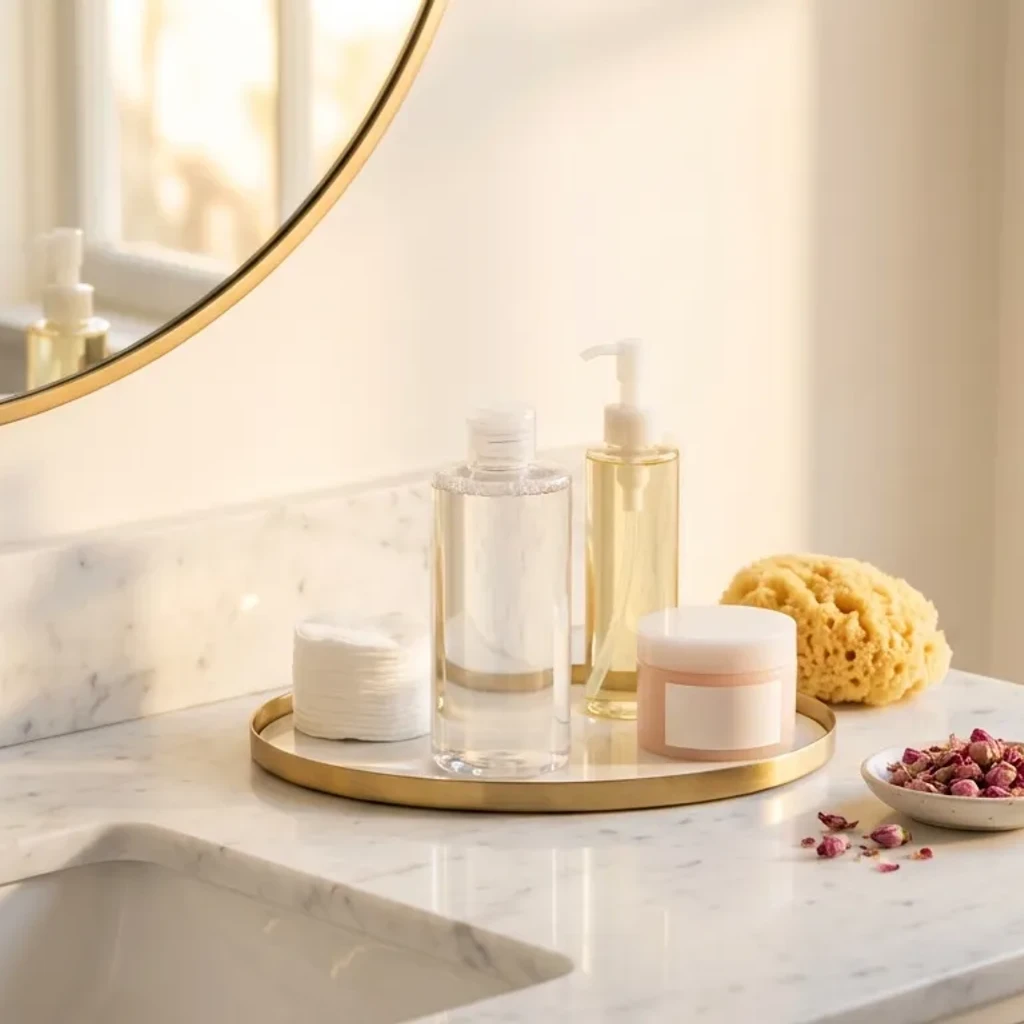
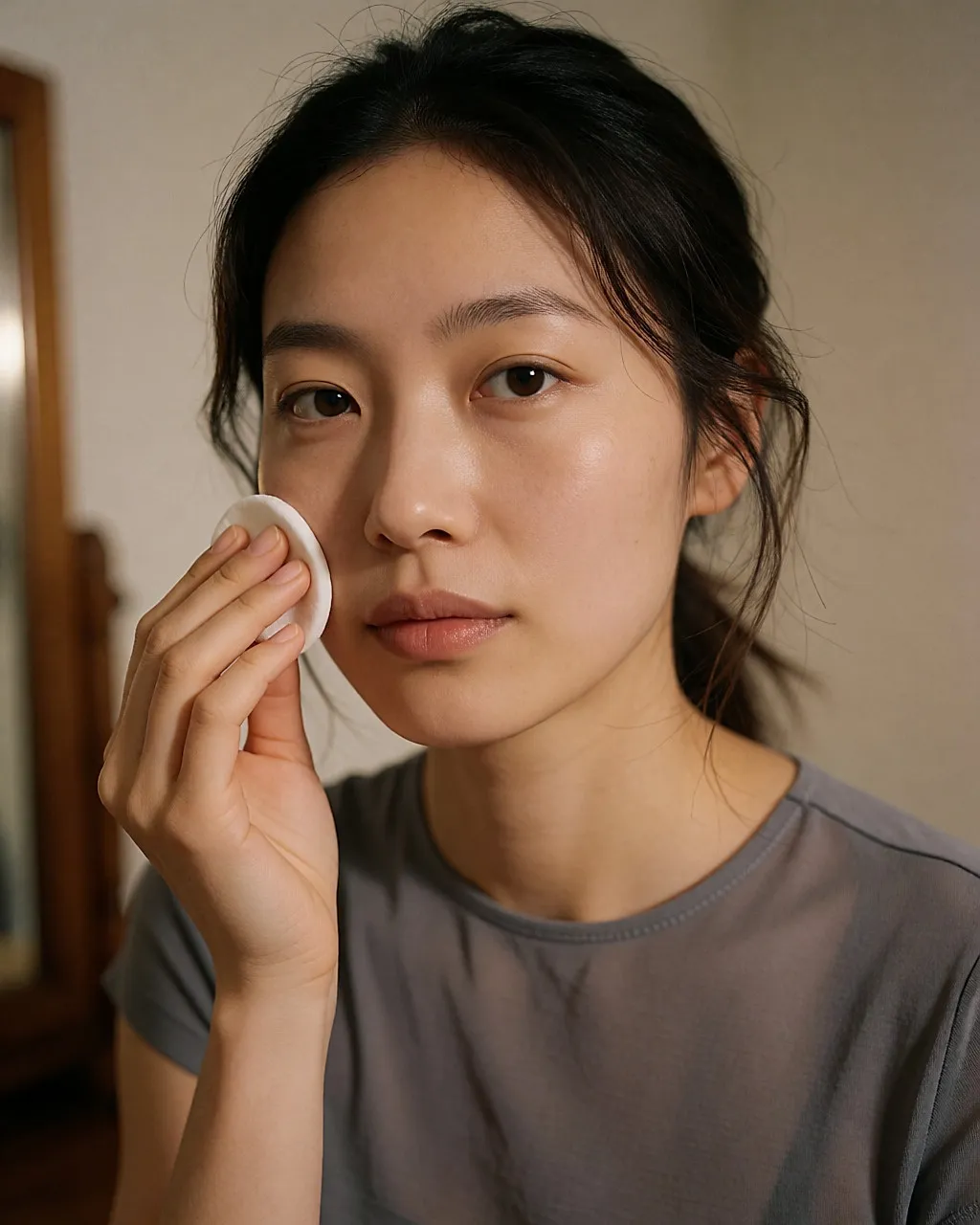
Texture matters. A cleansing balm or oil dissolves the oily stuff — SPF, long-wear foundation, waterproof mascara — then a gentle soap-free cleanser, with a pH close to the skin's, removes the rest. Use lukewarm water, never hot, and wash your hands before you start.
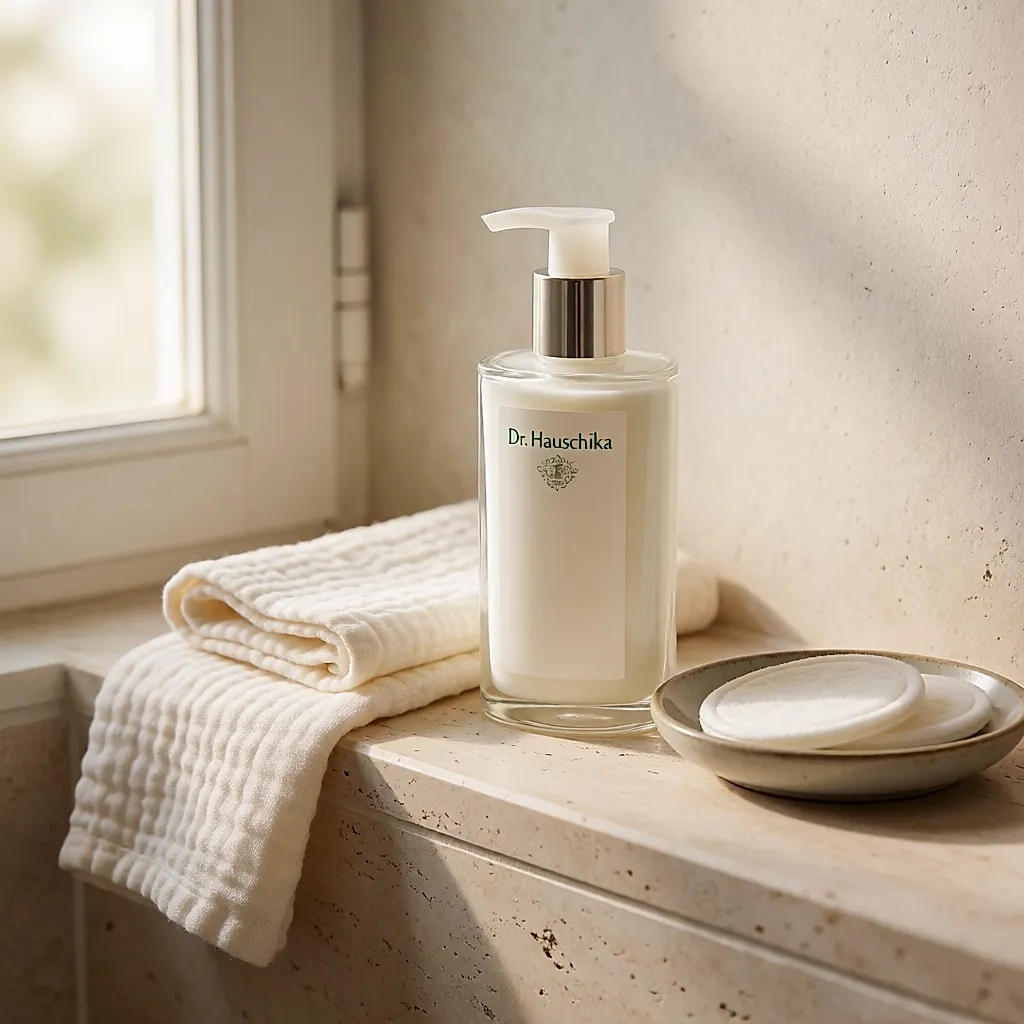
A once-a-week reset with exfoliation, steam and a mask
Exfoliation first, gently. The hydrolipid film, the layer that protects the epidermis, does not need to be attacked: an enzymatic or fine-grained exfoliant once a week is plenty. There is no need to scrub harder.
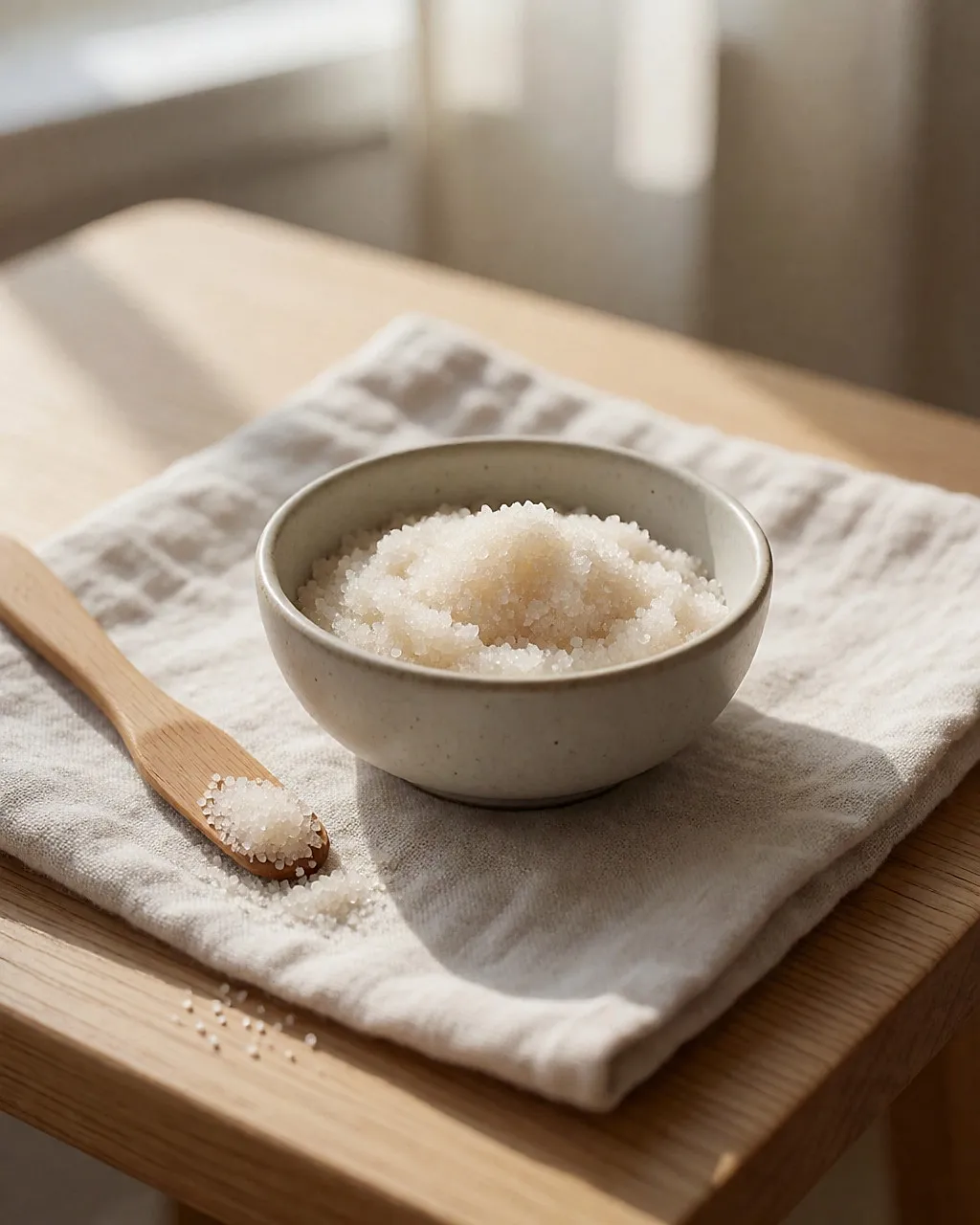
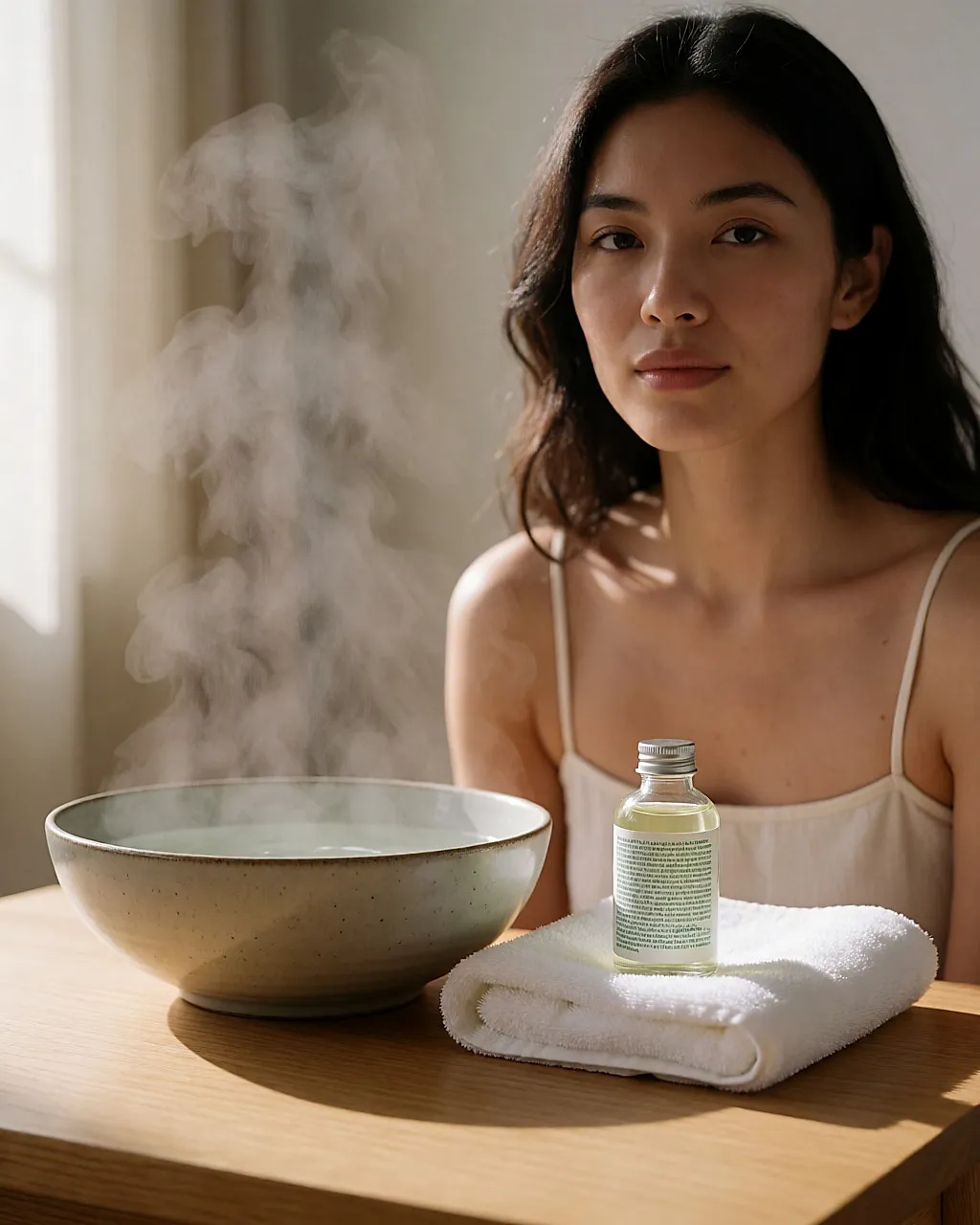
Then steam, if you like the ritual. One point that upsets people: pores do not open and close like windows. Heat simply softens sebum, which makes cleansing easier. Five to ten minutes, no more, especially if your skin flushes easily.
Home facial steam: simmering water in a large bowl, a few drops of a preparation made specifically for the face and certified as natural cosmetics — a towel over your head, ten minutes. Reactive skin? A warm, damp flannel does almost the same job, with less redness.
Masks, cream and eye care
Choose your mask according to your skin: hydrating if it feels tight, purifying if it looks shiny, soothing if it reddens. Ten minutes, rinse with lukewarm water. Day cream comes afterwards, only if your skin feels tight — otherwise a light serum is more than enough, and your make-up will last just as well.


And eye care, even without fine lines. It is the thinnest area of the face and shows signs quickly: a dedicated product, tapped in with the tip of the ring finger, morning and evening.
On packaging, choose refillable, solid or glass where possible: a serious certification (COSMOS, NATRUE) guarantees a real set of standards on ingredients and origin — not a marketing promise. And if you are choosing between two equivalent textures, look at the packaging: a refill often brings the cost down over the months.
Budget
As a rough guide, not fixed RRPs:
- Gentle cleanser: expect around £7–18 at a supermarket, chemist or pharmacy.
- Cleansing balm or oil: £10–30 depending on size and certification.
- Face mask: £8–25.
- Eye cream: £12–35.
- Steam preparation to dilute: £18–28, enough for several months.
- Salon facial: £45–90, more at a hotel spa.
What changes the cost: certification, packaging (glass, refill, cardboard) and where you buy it. Online, refill formats lower the price per millilitre; in a salon, you are mainly paying for the treatment and the skin consultation.
Sources
- EFSA, Scientific Opinion on Dietary Reference Values for water, EFSA Journal, 2010 — efsa.europa.eu
- Regulation (EU) No 432/2012, list of authorised health claims — eur-lex.europa.eu; in the UK, see the Great Britain nutrition and health claims register — gov.uk
- NHS, Water, drinks and hydration — nhs.uk
- British Association of Dermatologists — bad.org.uk
- WRAP, environmental labelling guidance — wrap.org.uk
- COSMOS-standard — cosmos-standard.org



Comments
Your opinion matters: rate the article, react and reply to comments.
Comments are moderated; AI-assisted comments are flagged. Text emoticons (8-), :-), <3…) are automatically shown as images.