
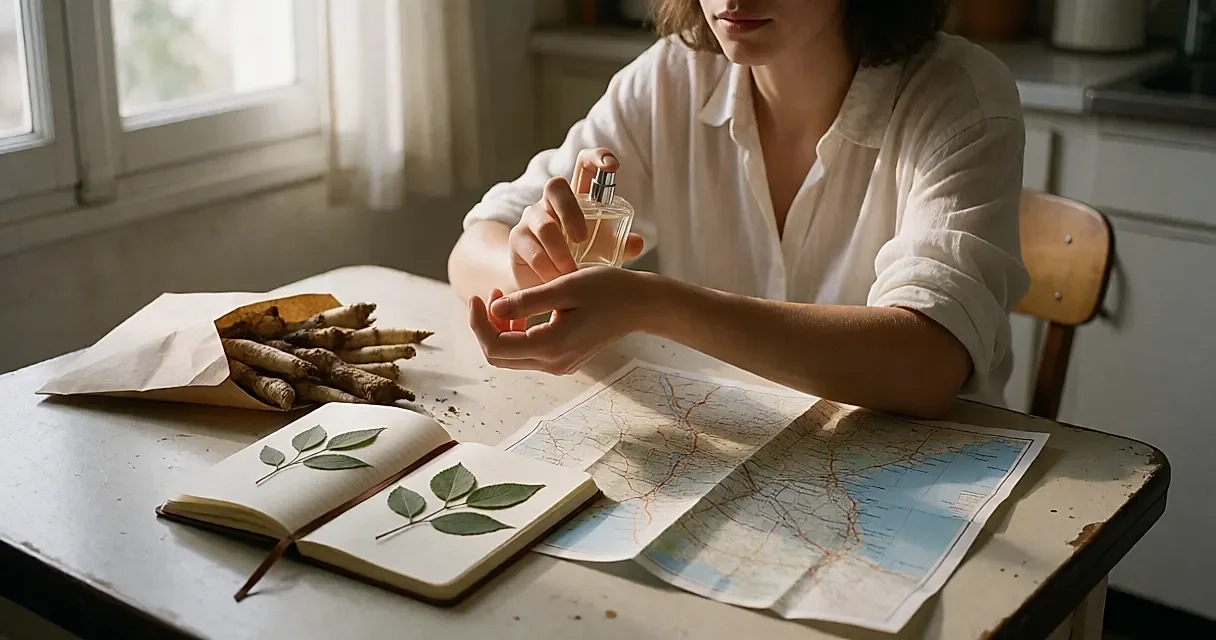
Jasmine absolute. Two words on the fragrance pyramid, and the label stops there — no country, no producer's name, no record of what was paid further down the chain. The word 'natural' does not fill that gap: it describes the nature of an ingredient, not its history. Yet for a few years now some perfume houses have been setting that story down in black and white, and that changes a thing or two for the shopper.
Bioprospecting is not the same as picking flowers
The term sounds a bit scary; it simply means exploring living things in search of molecules or uses that are still unknown. In perfumery, it rarely looks like a film scene: a researcher, a plant that local people already use for something else, samples, years of analysis, and sometimes a molecule that ends up in a bottle.
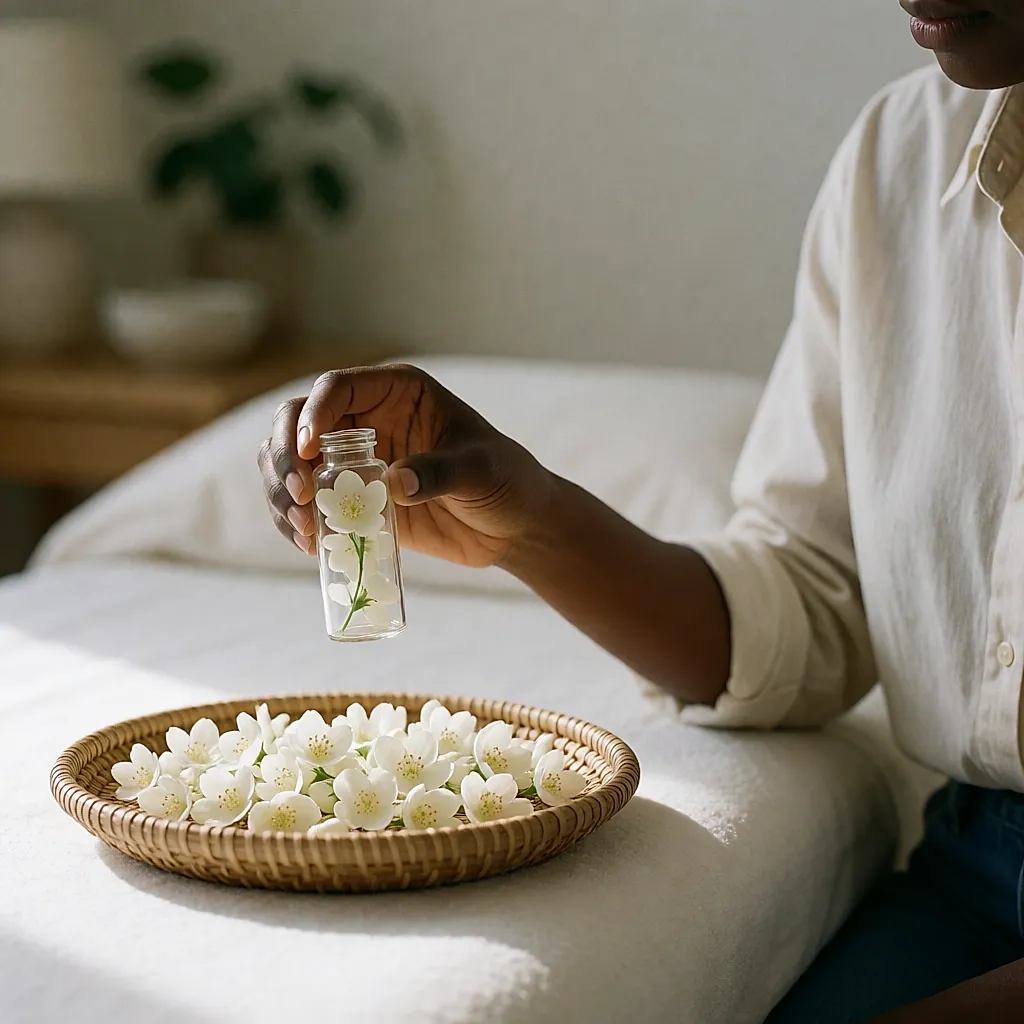
It has little to do with the usual purchase of a raw material, where price and quality are negotiated in a market. Bioprospecting, by contrast, assumes a country of origin, a supplier and sometimes a community that knew the plant long before anyone else. That is exactly where the question of sharing arises.
Nagoya and the deal behind the scent
The Nagoya Protocol comes down to two ideas: the prior informed consent of the country of origin, and mutually agreed terms — in other words, what goes back. Royalties, training, equipment, joint research, local jobs: benefit-sharing is not just a bank transfer.
In France, for example, the biodiversity law introduced an access and benefit-sharing system, known there as APA. But the protocol does not turn back the clock: a supply chain that has been in place for a century does not have to start again, and not every country has ratified it. So two neighbouring bottles can name the same flower with very uneven levels of documentation.
Natural does not mean documented
This is the awkward part. A naturalness score says nothing about how the ingredients were obtained. A perfume with a high proportion of natural materials can come from a chain where no one at the bottom knows the producer.
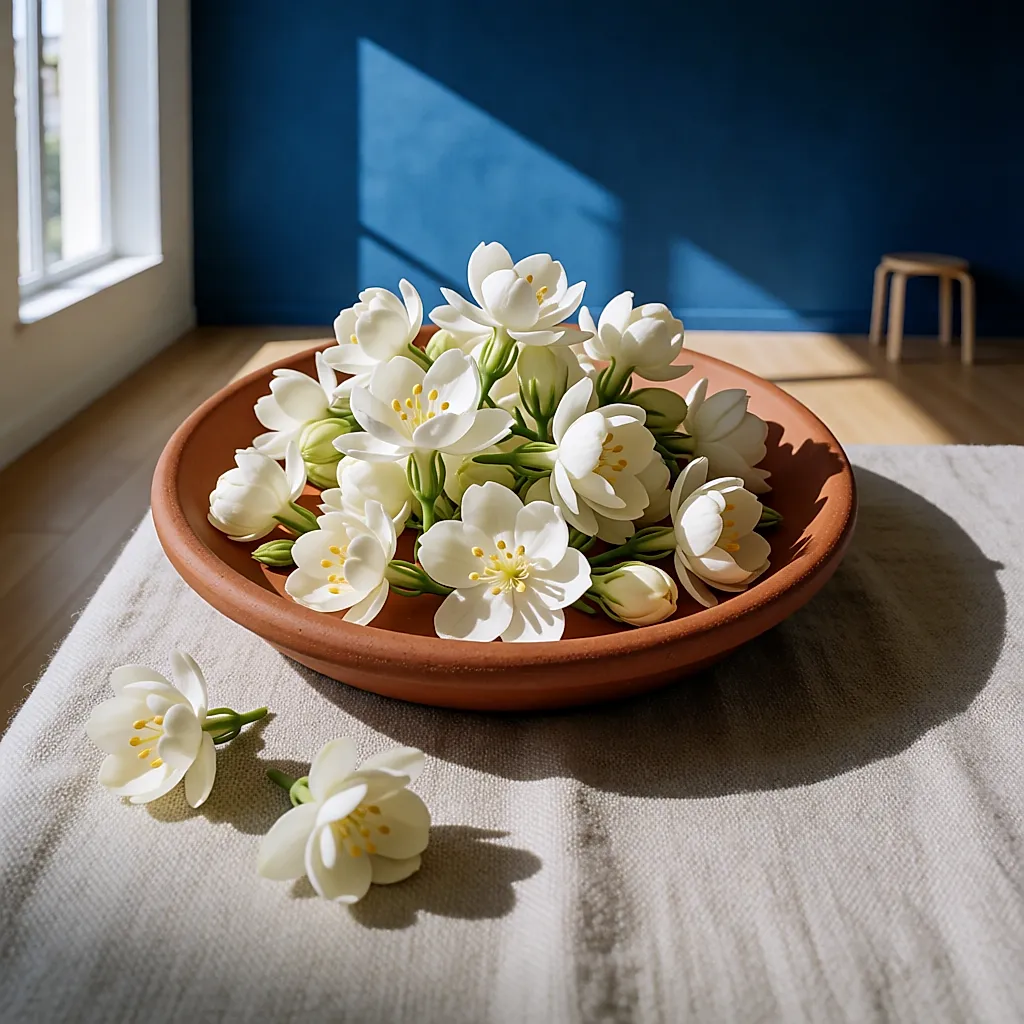
Equally, a synthetic molecule has no field or cooperative to pay — its question plays out elsewhere, around petrochemicals and biodegradability. So the useful measure is not 'natural or not'; it is documented traceability: a producer's name, a country, a volume, the terms of the agreement. Three lines on a website can be enough, and not every brand publishes them yet.
Three questions before you pay. Where does this raw material come from? Who grows or picks it? Does the brand publish its benefit-sharing agreement? A vague answer is not a crime; it is just missing information — and sometimes the start of a very instructive conversation with customer services.
What you can ask without a notebook or a magnifying glass
In a shop, the question 'where does this jasmine come from?' can produce a polite silence, then 'it's natural'. It is not bad faith: the sales assistant may have a fragrance pyramid to defend, not a sourcing file to open. The useful move lies elsewhere.
Look at the supply-chain, sourcing or ingredient pages on the brand's website: those that really document their ingredients name producers, regions and cooperatives. Write to customer services once, out of curiosity. You will not always get an answer, and frankly, a lack of response does not prove poor sourcing; it just proves you will not find out.
What it costs
At the mainstream end, a 50ml eau de parfum often sits somewhere around £60–£120 in the UK. Independent houses that document their supply chains generally sit above that, at roughly £90–£200 depending on concentration, the rarity of the materials and where you buy — a brand's own boutique, a concept store or online. A simple essential oil or eau de cologne, by contrast, is more likely to cost £15–£40, but it is not telling the same story.
Budget does not buy transparency: a brand can charge a lot and document nothing, and a small outfit can sell at a low price while knowing exactly where its material comes from. What you are paying for is the time spent building a supply chain, not the word 'natural' printed on the box.
Asking where a note comes from is not snubbing the pleasure of perfume: it adds another layer to the experience. Next time you smell jasmine or vanilla, you will know that behind it there is a country, a pair of hands and an agreement — or not.
And if the answer is missing, at least you will have asked. That is often how things change: one curious shopper, then two, then a brand that eventually publishes its supply chains.
Comments
Your opinion matters: rate the article, react and reply to comments.
Comments are moderated; AI-assisted comments are flagged. Text emoticons (8-), :-), <3…) are automatically shown as images.