
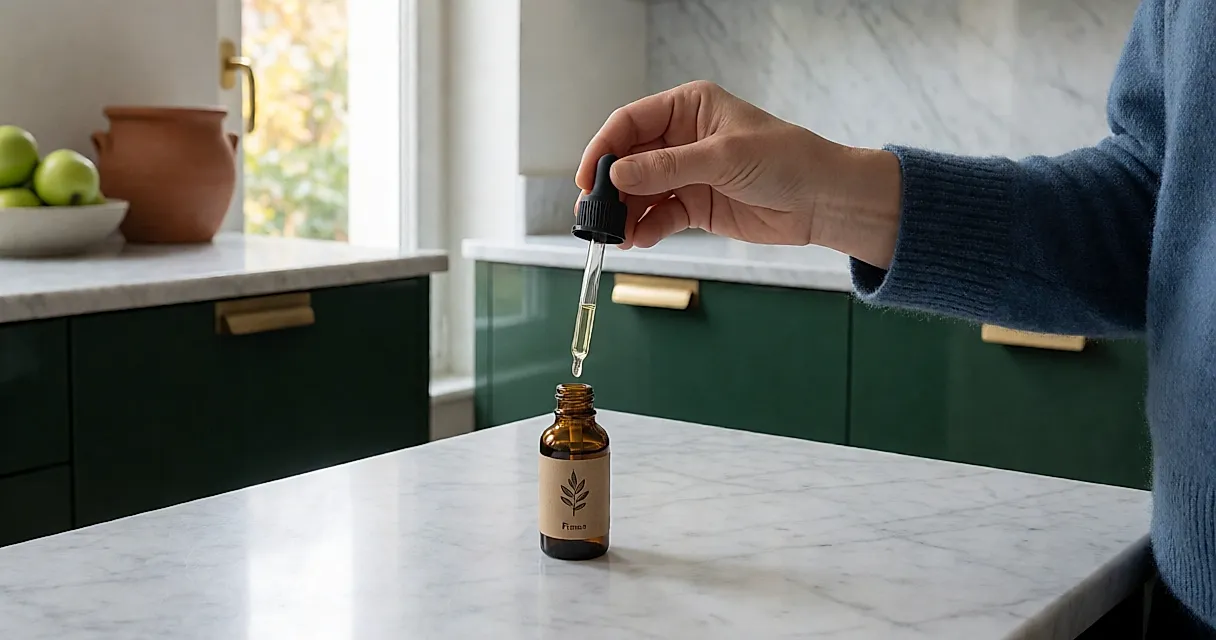
A £40 serum under the lights of a beauty counter, with its active ingredient born in a tank in Corrèze: advertising never tells you the rest of the story. In between are extractors, fermenters, patents and a few discreet acquisitions. This is the side of the industry you never see, and it is reorganising — in France.
The active ingredient, the faceless hero
Open the INCI list on the back of a skincare product: water, emollients and preservatives take up most of the list, while the active ingredient — a plant extract, a root fraction, a molecule born of fermentation — often appears near the bottom, as modest as a guest who hasn't chipped in. As a rule, yes; but in Europe, ingredients present at less than 1% can be listed in any order. And yet it is what we are here for.
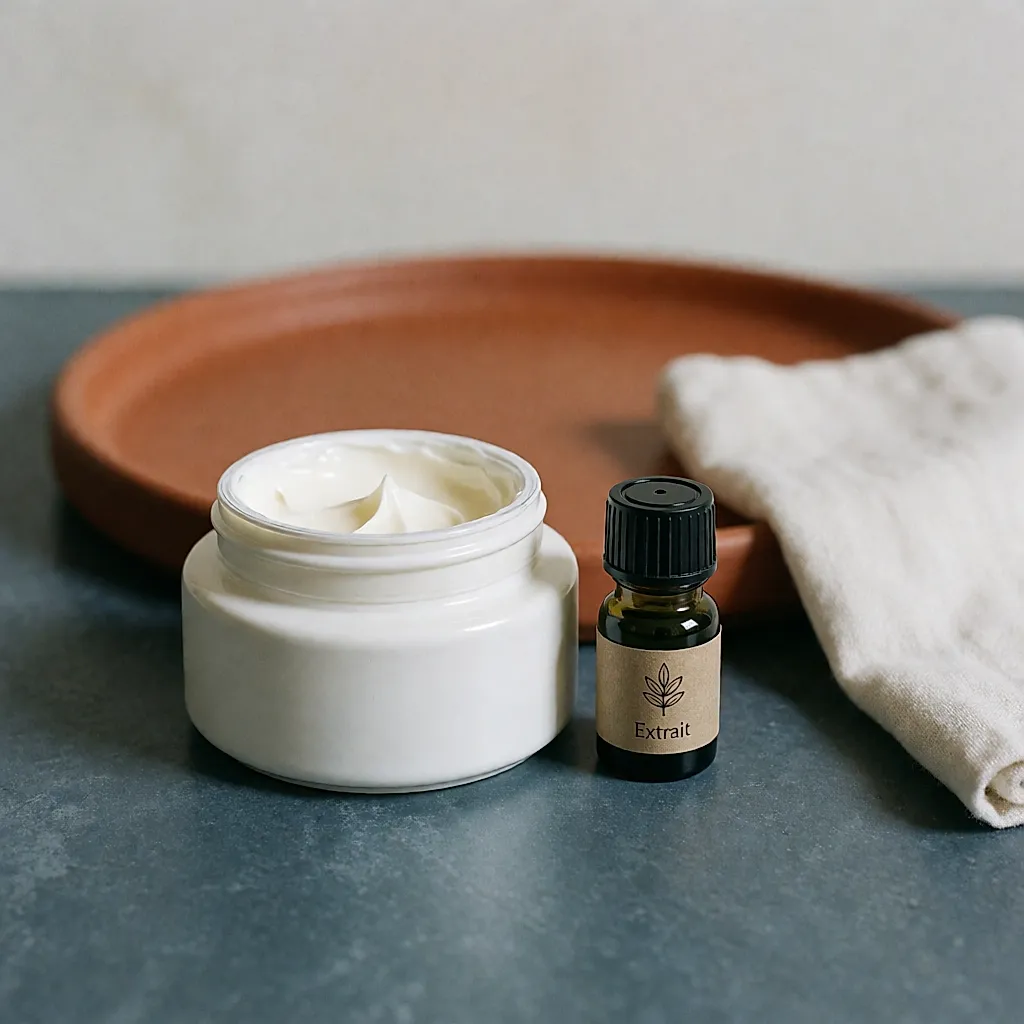
Upstream of that tiny bottle is an entire industry: companies that grow, extract, purify and sell active ingredients in bulk to brands. On the ingredients side, houses such as Silab, Greentech and Seppic are part of this landscape, along with the Cosmetic Valley cluster.
Fermentation, the vegetable garden of the future
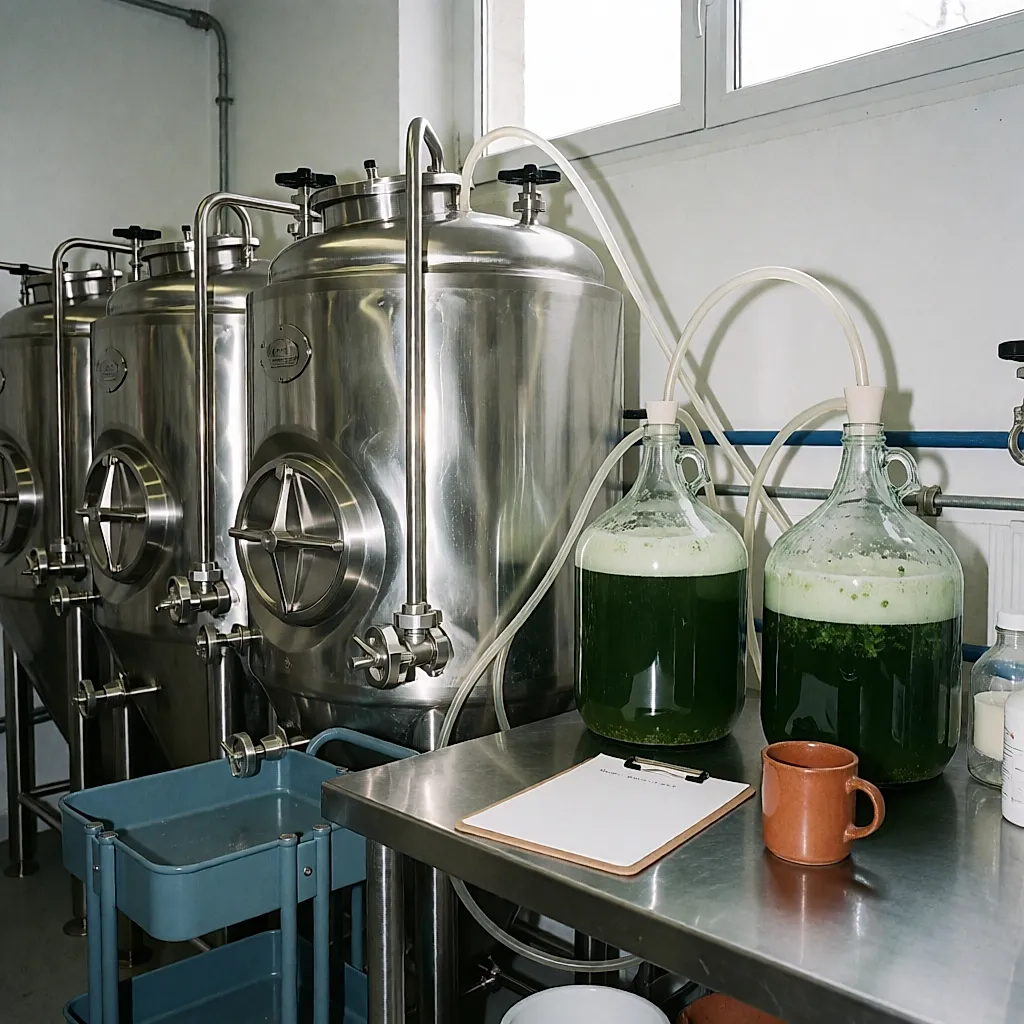
The old method had a bucolic charm: you harvested the plant, left it to macerate, and crossed your fingers for a kind season. The new one looks less like a field than an engine room, with stainless-steel fermenters where microorganisms are grown to produce the molecule we are after. Industrialists are after a consistency the soil cannot always guarantee: fermentation aims for more consistent production, though it does not guarantee an identical concentration from one batch to the next.
Watch out for one persistent confusion: 'biotech' does not mean 'natural' in the sense used by certification labels. A molecule identical to one found in a plant, obtained by fermentation, can be a leaner production method without meeting organic standards. That is not a flaw — it is information to keep in mind before you read a well-turned marketing promise.
The acquisition battle
Global ingredient groups are not leaving this field to the small players. The logic is often the same: buy up know-how, patents and production capacity that are hard to copy.
The industrial footprint follows: several French specialists have expanded their sites in recent years, and biotech platforms are springing up alongside laboratories. For you, the consequence is subtle but real. When suppliers consolidate, different brands' formulas sometimes end up looking alike — which is why it is worth looking at who makes the active ingredient, not just who signs the bottle.
A French jar, an active ingredient from elsewhere
An active ingredient can be born in Brive while the jar is filled in Poland: both statements can coexist without contradiction. A cosmetic's national claim does not, on its own, say where each ingredient comes from. In other words, a product stamped French can contain an active from elsewhere, and a French active can end up in a bottle packaged abroad.
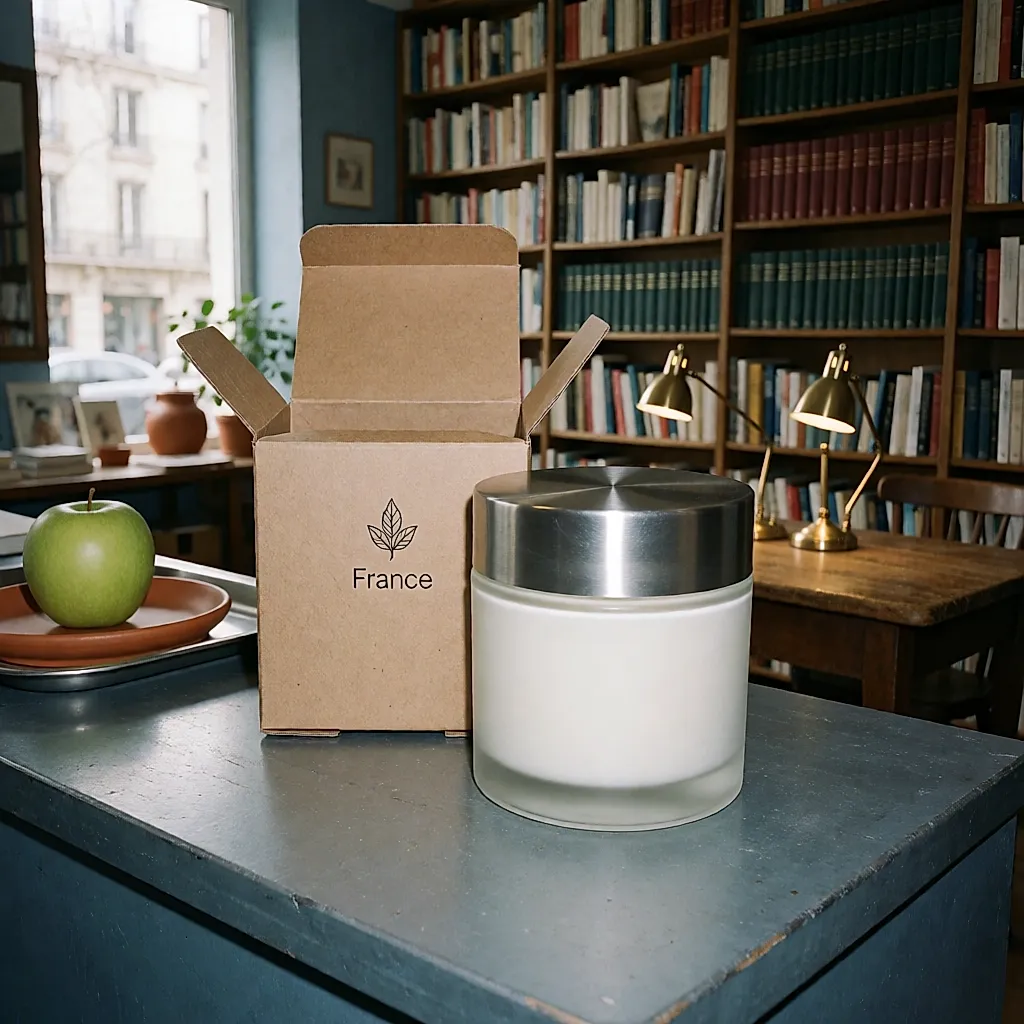
That does not take anything away from the value of the French upstream: shorter traceability, known specifications, people you can actually call. But it invites the right question. Not 'where does the product come from?' but rather: where does the active ingredient come from, and where was the formula developed? Two questions, and often two very different stories.
The five-minute check
We won't claim to have visited these factories: what follows is documented, not lived. However, checking the origin of an active ingredient takes about as long as brewing a cup of tea. The brand's website, often more forthcoming than the label, sometimes names the supplier; technical data sheets circulate among specialist distributors.
And don't be swayed by a Latin name: where an active ingredient comes from tells you nothing about its concentration in the finished product, or what it will do for your skin. Those are two separate questions, and the second deserves a proper test — yours.
Three questions to send to customer service: Where does the main active ingredient come from? Is the product both formulated and packaged in France? Does the brand publish the percentage of active ingredient? The answers — or their absence — often say more than the 'our commitment' page.
So a Corrèze-born active ingredient in your jar is possible, and not even that rare. Next time you read 'plant extract' on a label, you will know that someone, somewhere, grew it, filtered it and patented it — and that this chain is worth a closer look. The cream jar will carry on with its act. But you will know what is behind the curtain.

Comments
Your opinion matters: rate the article, react and reply to comments.
Comments are moderated; AI-assisted comments are flagged. Text emoticons (8-), :-), <3…) are automatically shown as images.