
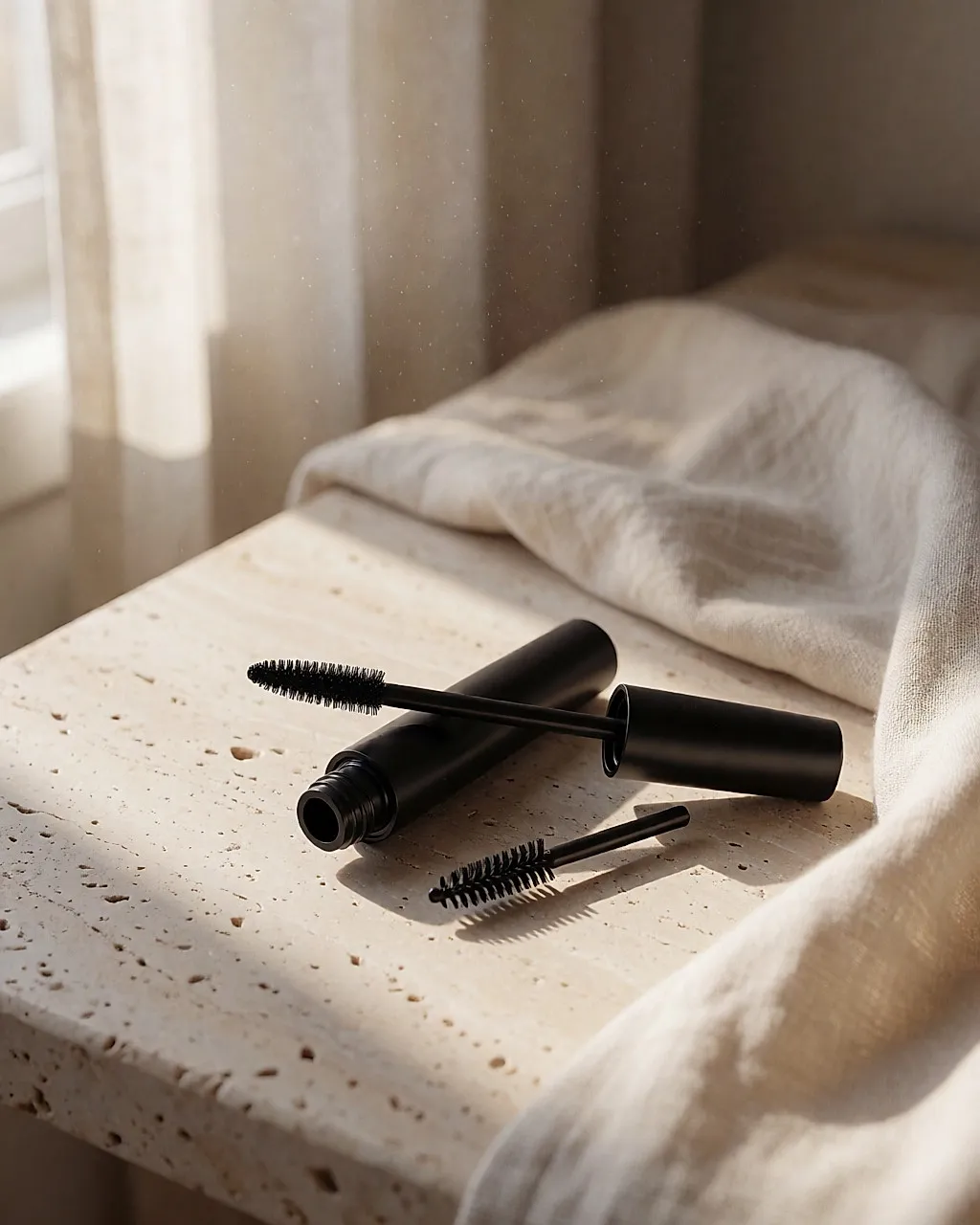
A few weeks ago, rummaging through a forgotten makeup bag, I came across a mascara that had been open since the autumn. Clumpy brush, an odd smell, and the next day an eye that itched. Nothing serious — but a reminder of something obvious: that little tube spends its whole life right next to your eyes, and it isn't built to last forever. So let's go back to basics. No magic promises, just what actually works.
Three months, and that's it
An opened mascara doesn't keep indefinitely. Its shelf life after opening is regulated, and it's printed on the pack as a little open-jar symbol followed by a number: that's the PAO, or period after opening. For mascara, the guidance from bodies including the FDA and the American Academy of Ophthalmology is to replace it roughly every three months — so follow the number on the pack, and when in doubt, err on the sooner side.
Why does it matter? Past that point, the formula dries out and the brush turns into a breeding ground for bacteria — two problems for the price of one. The tell-tale signs: a texture that thickens, clumps, a smell that changes. If any of those show up, bin it, even if the tube is still nearly full.
The brush: a one-second habit
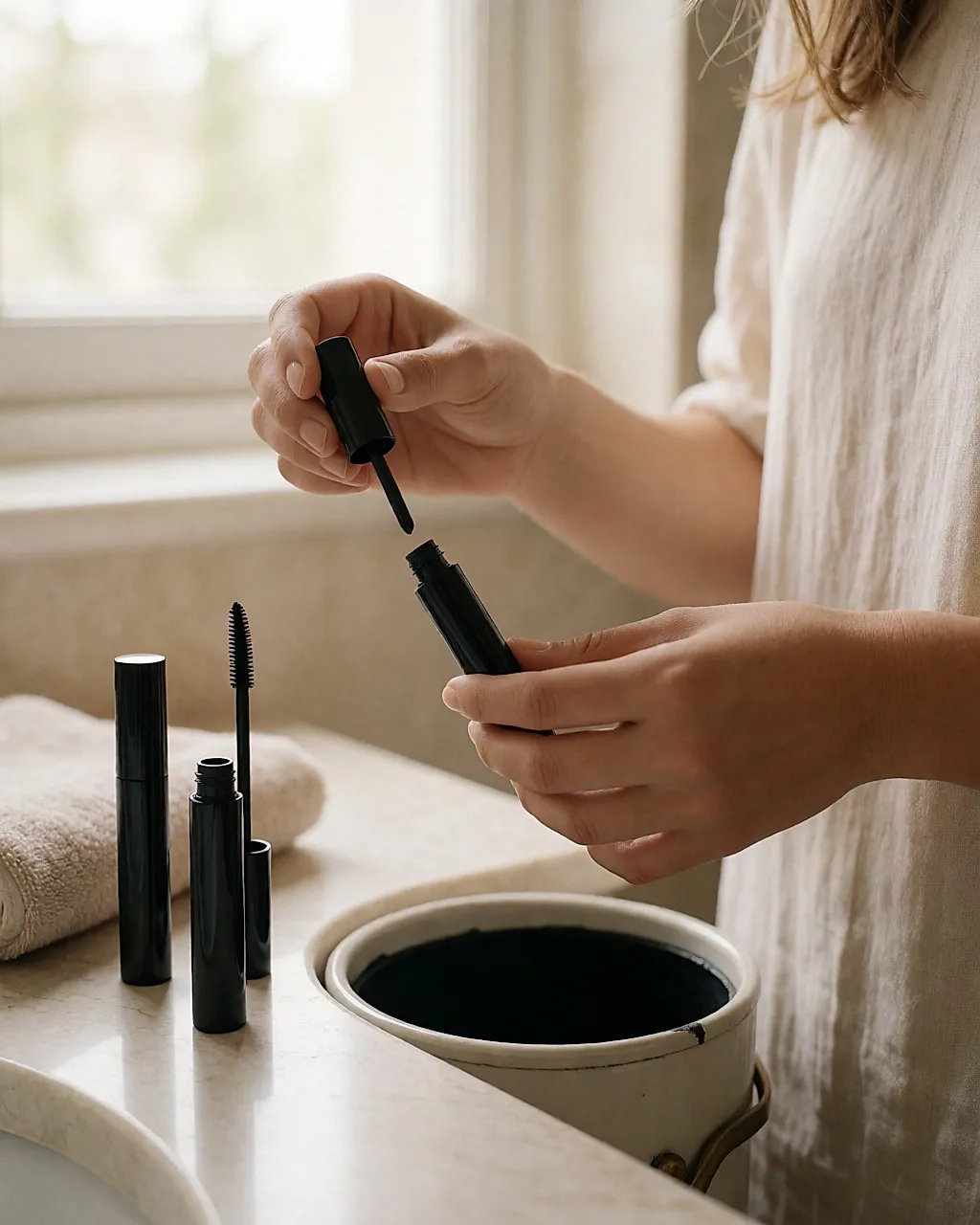
You'll have seen that frantic pumping in and out of the tube to load up the brush. It's exactly what not to do: every in-and-out pushes air inside, which dries the formula out. The right move takes a second: draw the brush out, wipe it gently against the neck of the tube to lose the excess, and you're done.
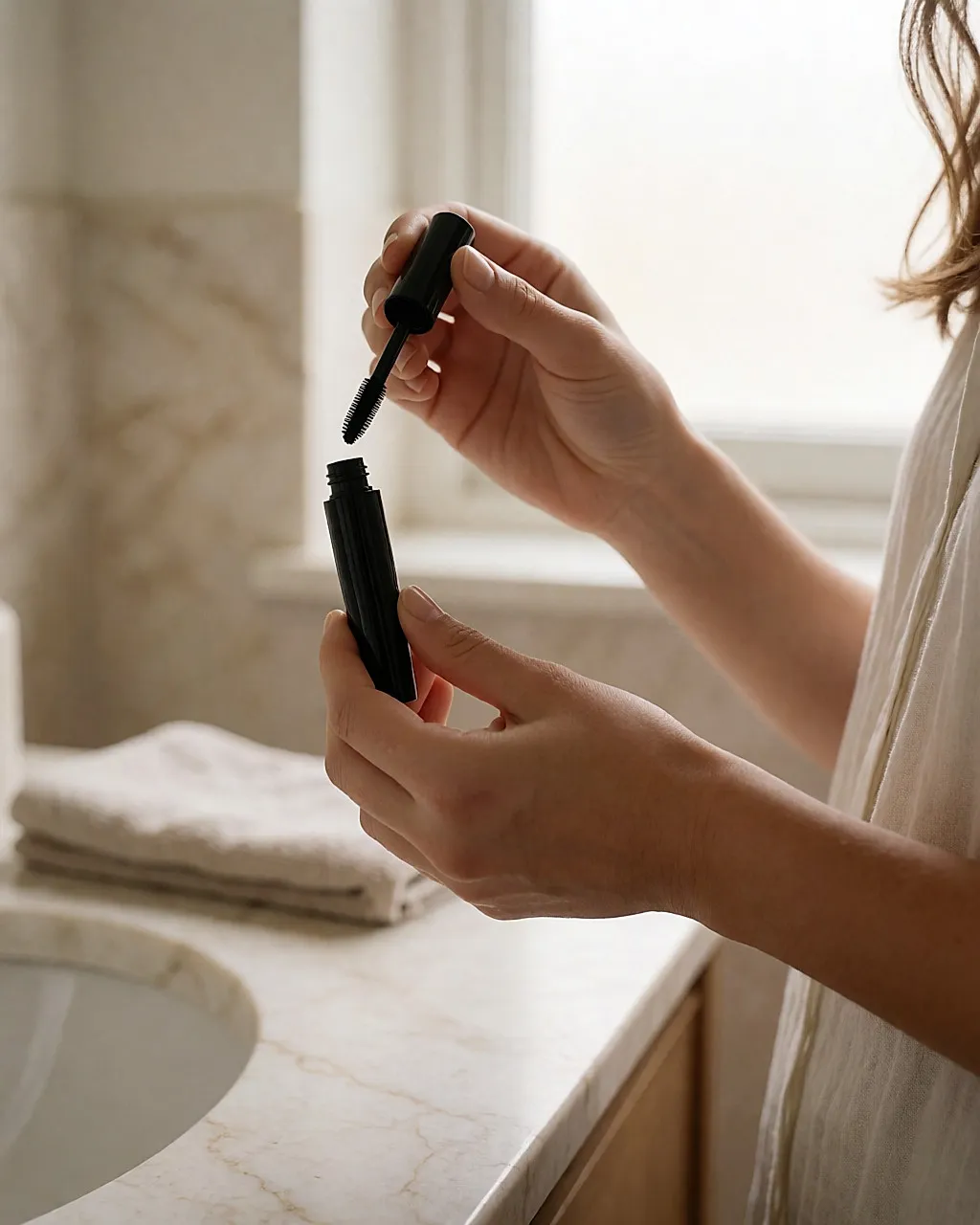
Forget washing the brush and dropping it back in the tube — introducing water can overwhelm the preservatives and invite bacteria in. To keep things clean, wipe the outside of the tube and its neck with a tissue, and simply replace the mascara once its PAO is up. What gives you well-separated lashes and fewer clumps isn't a scrubbed brush but a fresh one.
Never share a mascara — not even with your best friend. The brush touches the delicate lining of the eye and carries away whatever it finds there. Swapping tubes is the quickest way to give each other conjunctivitis or a stye. Your own tube only, no negotiating.
How to apply it — and in what order
Apply from root to tip, coating the full length of each lash. A little zigzag at the base helps separate them and build volume without clumps. To open up the eye, finish by pulling towards the outer corner, or work that area with the tip of the wand.
A second coat? Yes — but only once the first is dry. Otherwise you'll just glue everything together.
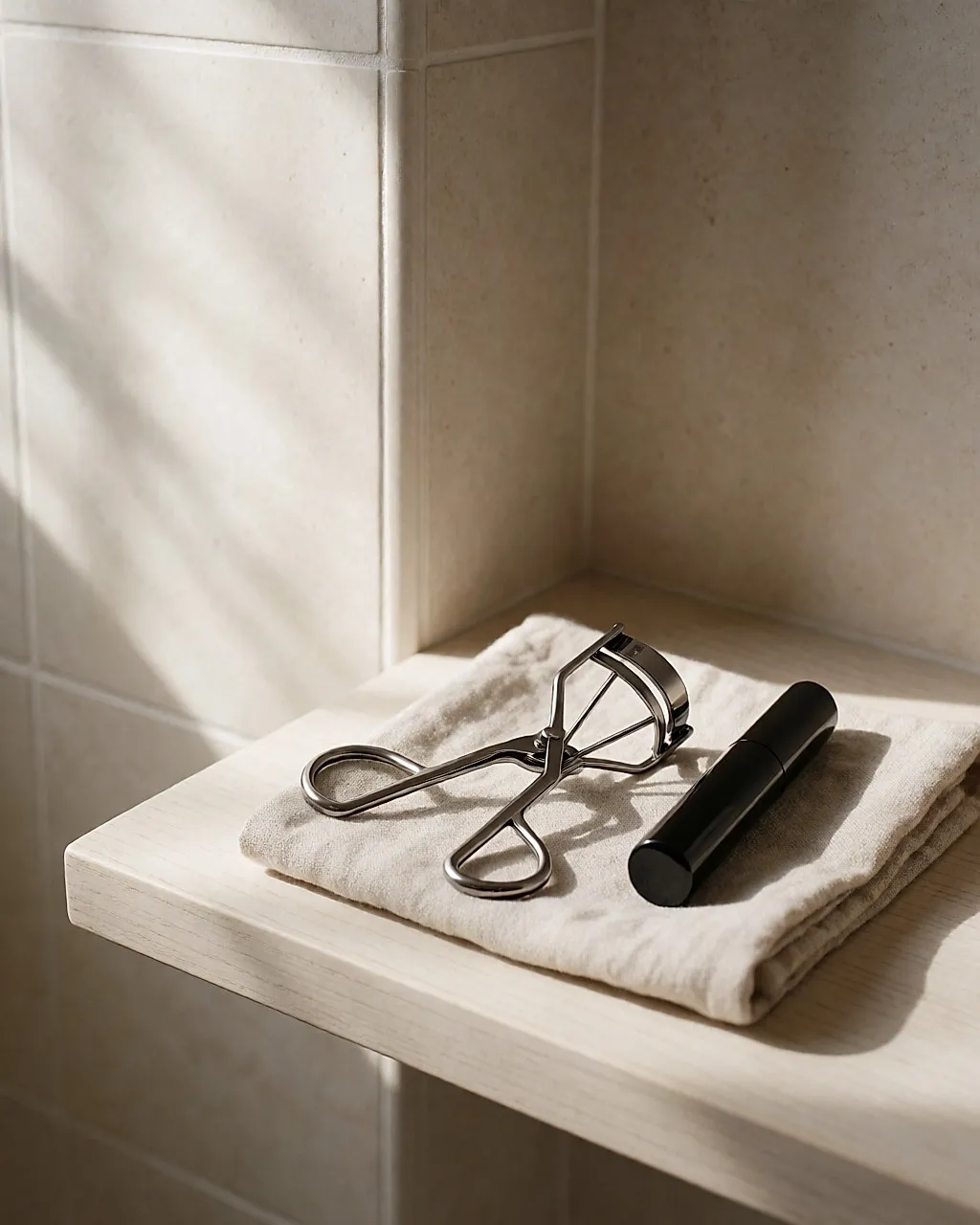
The eyelash curler goes on before mascara, never after: place the lashes between the pads, press for a few seconds, then apply your mascara. Doing it the other way round snaps them.
Small slip-ups you can fix
A smudge at the corner of your eye? Take a clean corner of tissue, barely damp, and dab it gently while the mascara is still wet. If it's already dry, comb the lashes with a small dedicated brush — the beauty halls stock them.

Fine or sparse lashes? You can dust them lightly with powder before your mascara, as long as you don't let powder get into the eye: it's a makeup artist's trick for adding thickness in a single pass. For the lower lashes, tread carefully — it runs fast and leaves marks. A light stroke of pencil often does more.
Waterproof, contact lenses and sensitive eyes
Waterproof holds better, but it's harder to remove and tougher on lashes. Making it a daily habit risks weakening them over time. The compromise: keep it for the days that call for it — swimming, a wedding, a downpour — and alternate with a regular formula. Either way, a dedicated eye makeup remover that cuts through waterproof formulas is essential. Every evening, without rubbing.
If you wear contact lenses or your eyes are sensitive, look for gentle formulas, often sold in pharmacies and chemists. Fewer ingredients, no fragrance — and patch-test before committing.
What about "natural" formulas?
With mascara, the formula matters double, because it goes right up against the delicate surface of the eye. Certified organic formulas — the COSMOS Organic or Ecocert labels, for example — set limits on how much of the formula is naturally derived and restrict some controversial ingredients. One caveat, though: natural doesn't mean hypoallergenic. A plant extract can sting just as much as a synthetic preservative.
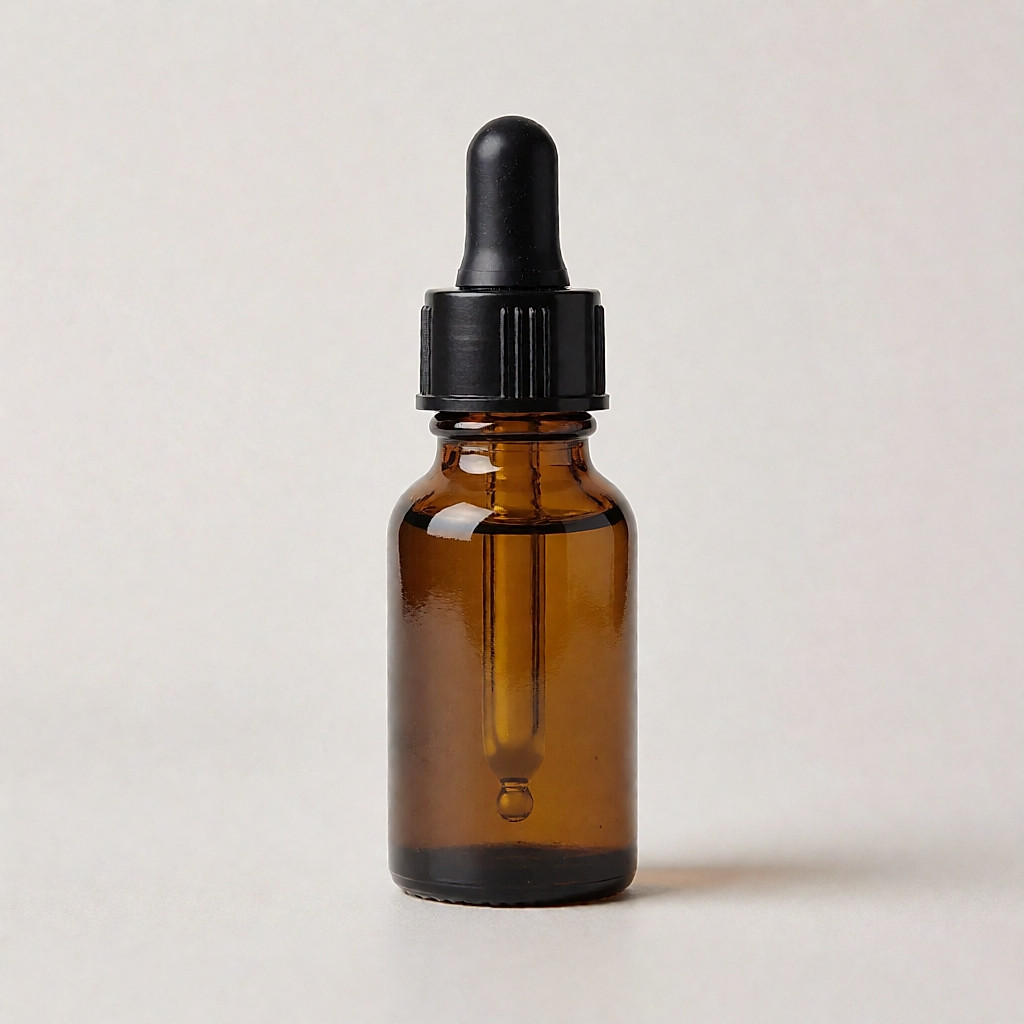
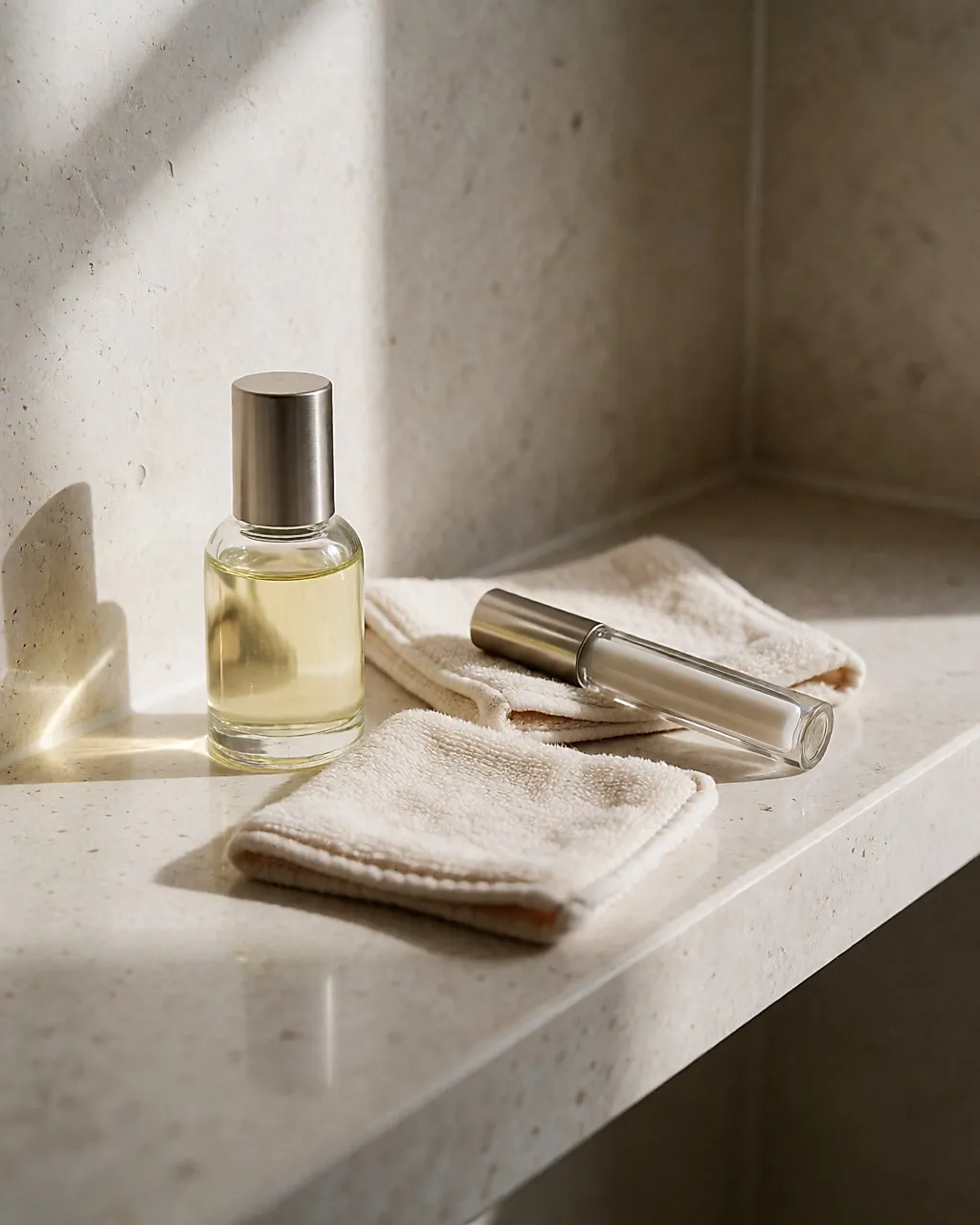
The real eco win is refillable tubes and glass formats, which mean you're not binning a whole wand applicator every few months. On the other hand, if you swim twice a week, a conventional waterproof will often outlast an organic one — a compromise to accept without guilt. And for makeup removal, a washable cotton pad with a few drops of plant oil (jojoba, sunflower) does the job beautifully, even on a regular formula.
Budget
Prices depend on where you shop and what you're after.
- Supermarket or own-brand: around £5 to £12 a tube.
- Beauty retailer or department store, mid-range: more like £12 to £30.
- Premium brands, gift sets, salon mascara: £25 to £45 and up.
- Organic or refillable mascara: around £12 to £30 a tube, with refills usually costing less.
- Bi-phase eye makeup remover: £5 to £12 depending on the size.
- Eyelash curler: £4 to £12, and a good one lasts for years.
What moves the price: the brand, the size, the wand, and where you buy — supermarket, beauty retailer, pharmacy, health-food shop or online. Price tells you nothing about how a formula will suit your eyes: an £8 tube can work where a £40 one stings. And the real cost isn't the mascara itself — it's replacing it every few months.
Sources
- The UK Cosmetics Regulation (the retained Regulation (EC) No 1223/2009 as it applies in Great Britain): rules on the period after opening (PAO).
- MHRA — cosmetics and product safety.
- NHS — eye health and eye infections.
- U.S. Food and Drug Administration, "Eye Cosmetic Safety".
- American Academy of Ophthalmology — public information on eye makeup and eye infections.
- COSMOS Standard and Ecocert — certification standards for organic cosmetics.


Comments
Your opinion matters: rate the article, react and reply to comments.
Comments are moderated; AI-assisted comments are flagged. Text emoticons (8-), :-), <3…) are automatically shown as images.