
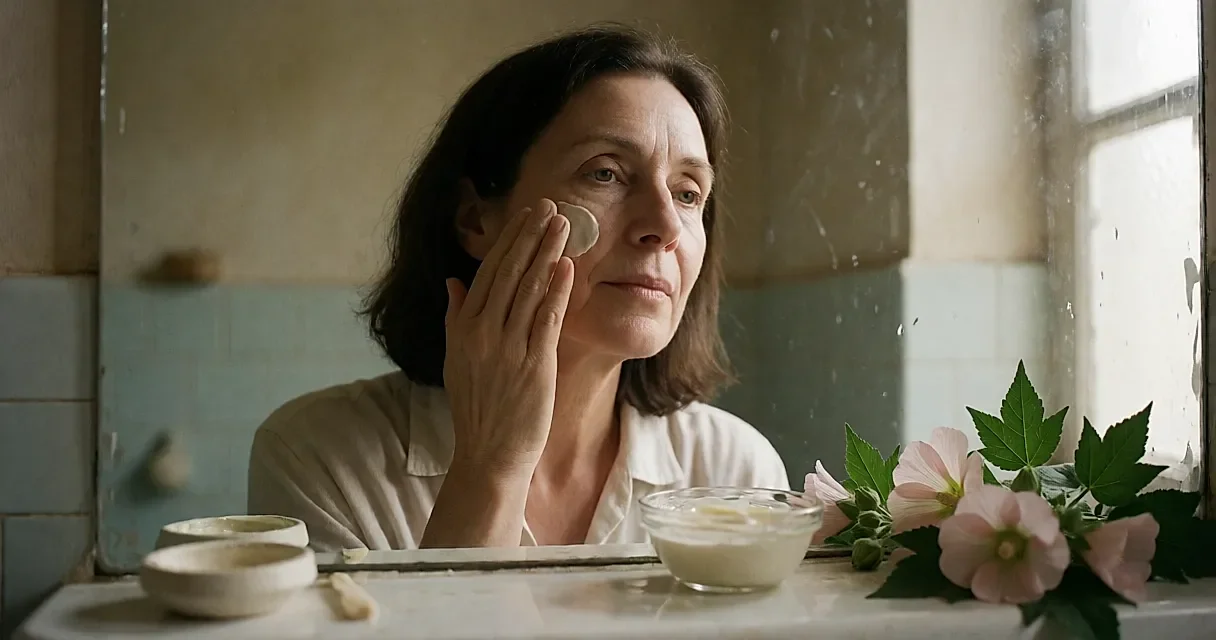
On an INCI list, it comes down to two Latin words, wedged between a humectant and a preservative: Althaea officinalis. Marshmallow — the root, not the sweet in the bag. The same plant our grandmothers steeped to soothe a sore throat now turns up in creams labelled "mature skin" or, more bluntly, "menopause".
You'll read here and there that menopausal skin handles iron badly, feeding an oxidative stress that UV makes worse, and that marshmallow steps in to calm things down. Lovely idea. The question is whether the plant lives up to what's claimed on its behalf.
A root that behaves like jelly
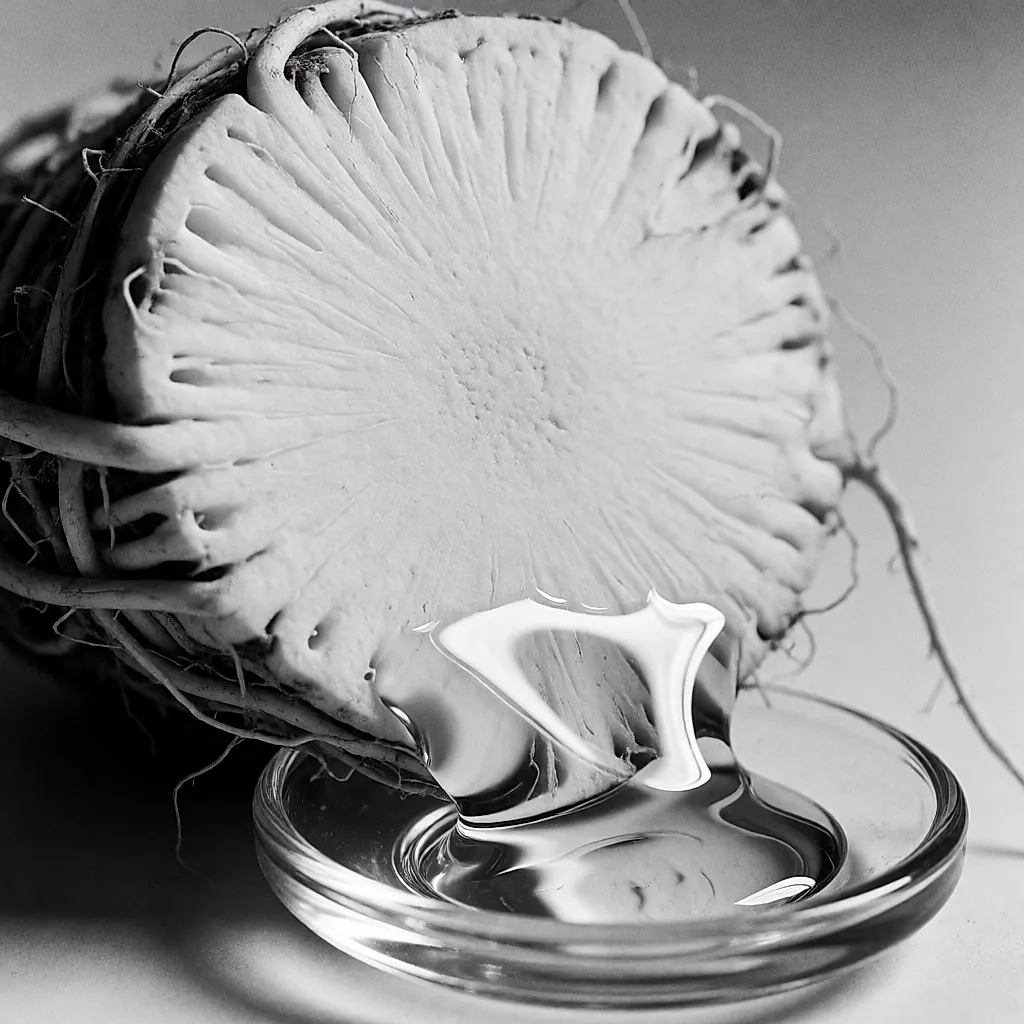
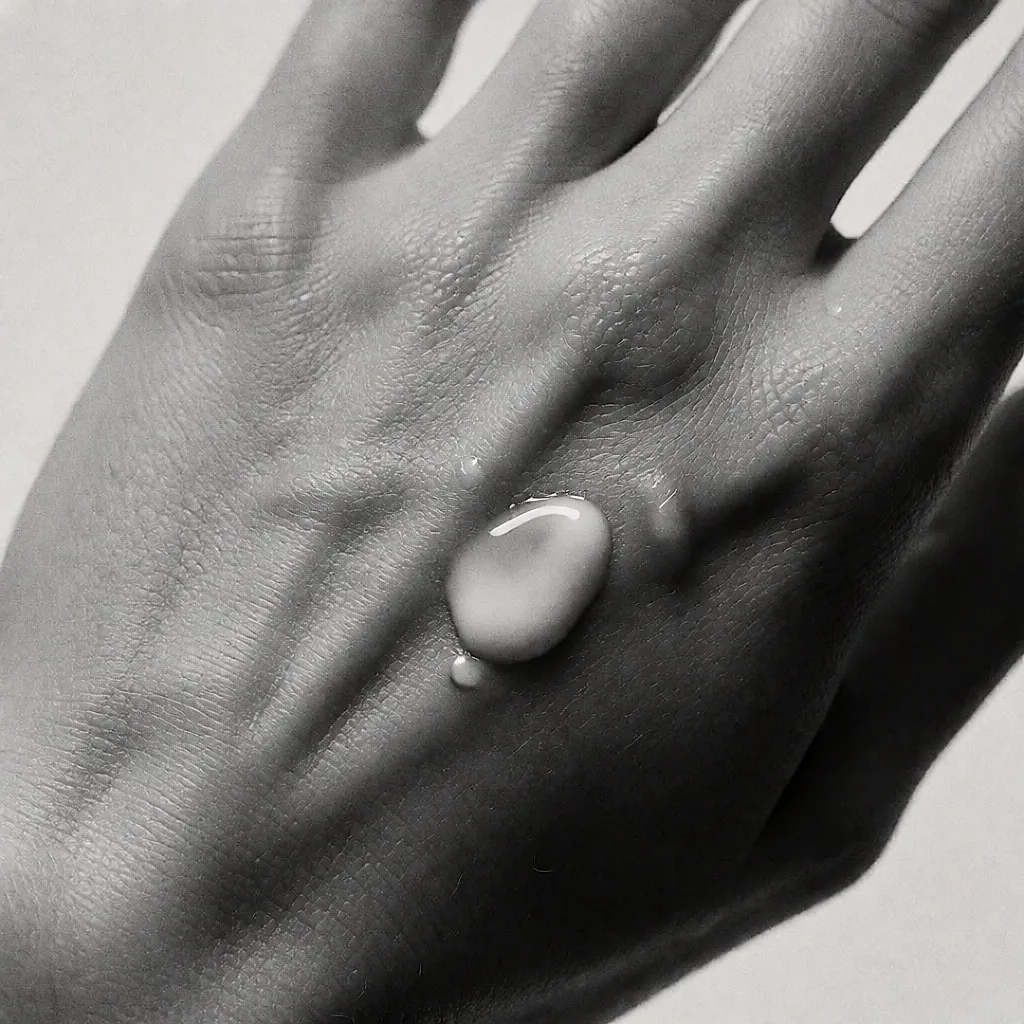
Marshmallow is a root rich in mucilages — polysaccharides that swell on contact with water and turn into a gel. In a skincare formula, that gives a slippery, almost syrupy texture that leaves a supple film on the skin. That film holds water at the surface and limits transepidermal water loss: nothing spectacular, but you feel it straight away on tightness.
On menopausal skin, comfort is the real battleground. When oestrogen drops, skin thins, the barrier holds up less well, and the November cold and office air conditioning make themselves felt. A marshmallow-based cream won't restart collagen production, but it can make the day more comfortable — and that's an honest promise.
The poorly regulated iron theory: worth taking with a pinch of salt
Let's go back to the theory. With age and the hormonal drop, the iron present in skin is thought to be less well regulated: it can build up where it shouldn't and feed oxidative reactions that UV speeds up. Marshmallow, thanks to its polysaccharides and a few antioxidant compounds, is said to act as a gentle brake on all this.
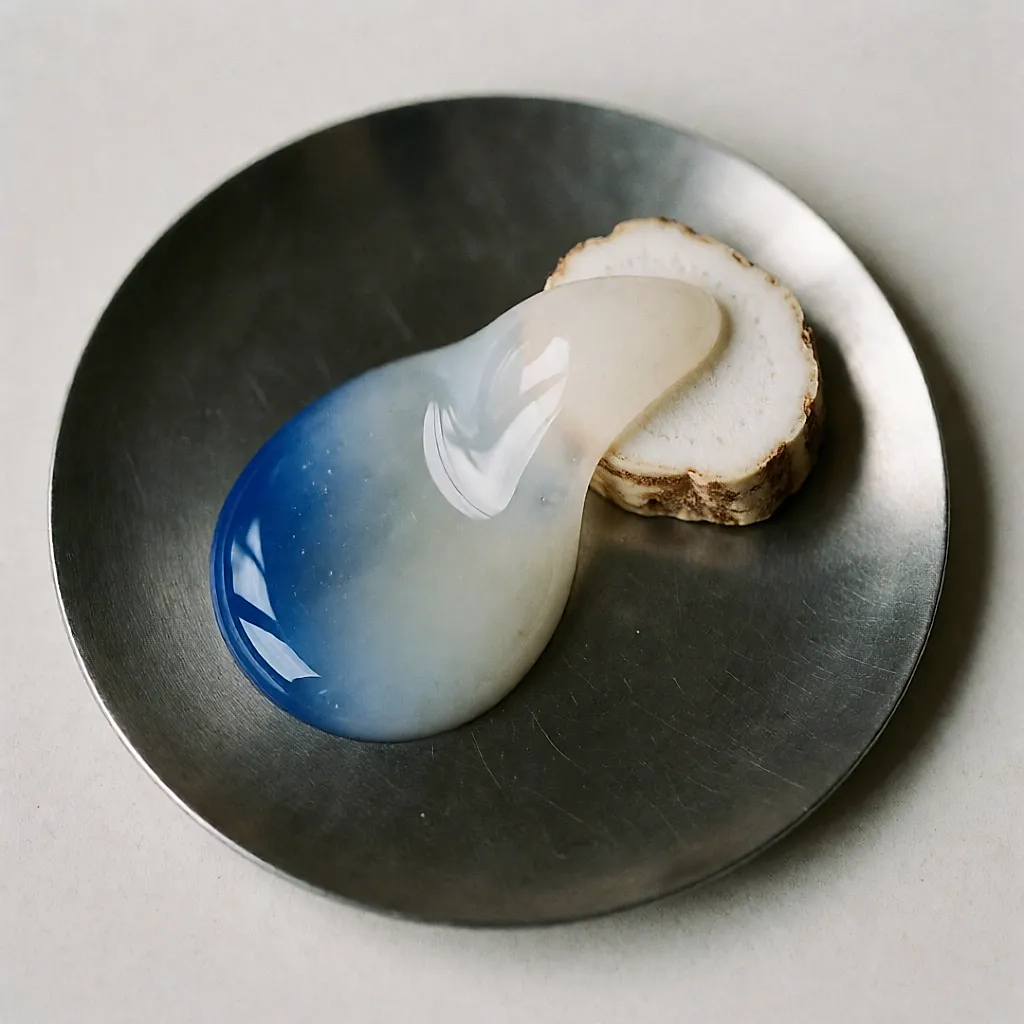
On paper, it's coherent. In practice, the evidence is thin. The data available is mostly preliminary or in vitro and concerns marshmallow's soothing and hydrating properties; the evidence does not solidly show that a serum changes the way skin handles iron. That doesn't mean it's useless — it means you're buying a comfortable cream, not a repaired mechanism.
On the label, what to actually look for
The name to look for is Althaea officinalis root extract: root, because that's where the mucilages are concentrated. Leaf extract or flower extract means other parts of the plant, less rich. Then check where it sits in the list, without drawing a firm conclusion about the exact content: an extract listed after the preservative isn't proof on its own of a low level.
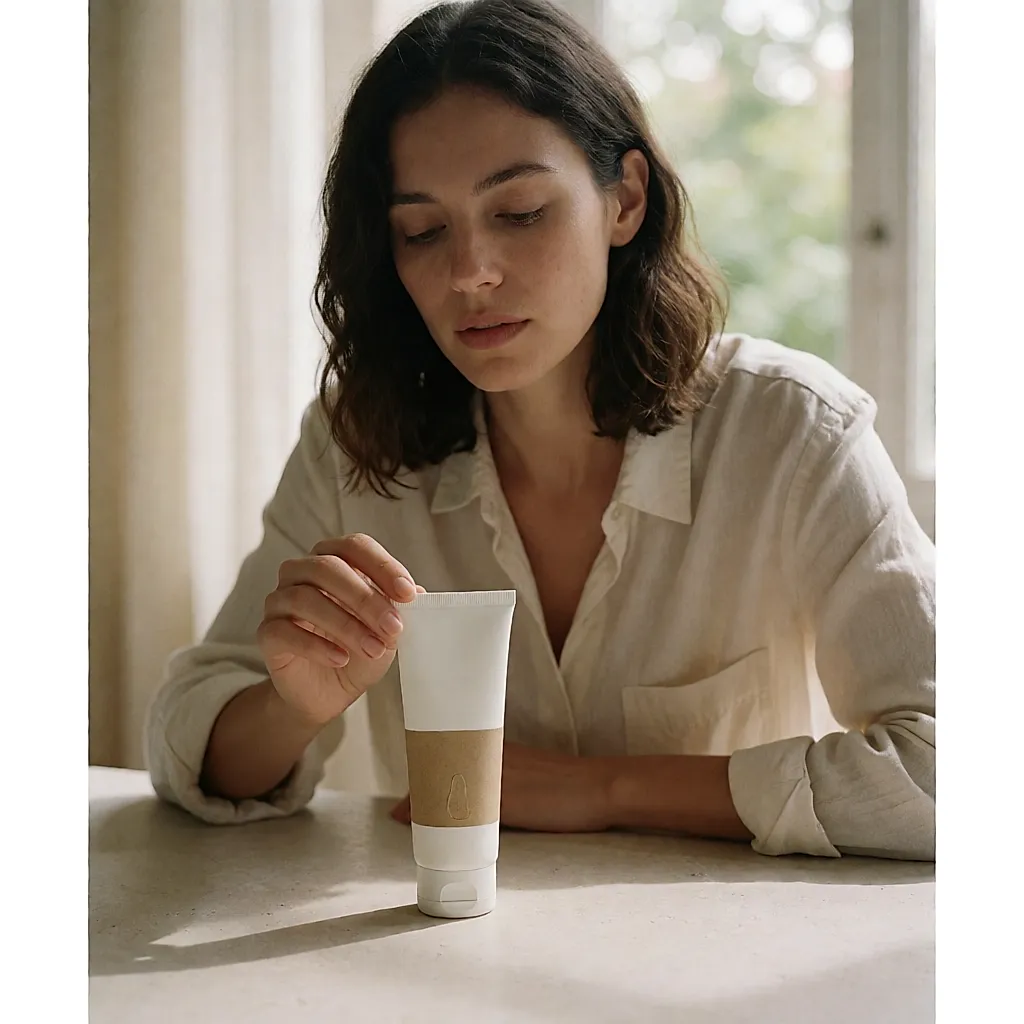
And the percentage printed in large type on the bottle? It usually refers to the natural origin or to one specific ingredient, and tells you nothing about the marshmallow extract content. You'll also see similar names — "marshmallow water", hydroglycolic extract, plain Althaea officinalis. If plant origin matters to you, look at the certifications: COSMOS, for example, sets standards on the proportion of natural and organic ingredients.
What a claim can promise — and what it can't
A marshmallow formula can reasonably claim comfort, soothing, a feeling of suppleness. It cannot claim to rebuild the skin barrier, offset a hormonal drop or repair UV damage. When a brand does, that's marketing — not skincare.
Another thing to keep in mind: in a "menopause" cream, marshmallow often isn't the star. The real work falls to better-documented actives; the root provides texture and acts as a buffer. If you're being seen by your GP or a menopause specialist, that's the person to discuss it with, not a bottle.
Budget
On price, expect to pay in the region of £10–£20 for a cream or gel from a pharmacy or supermarket, £20–£45 in a department store or premium beauty retailer, and £50–£60 for a dedicated organic formula in 30 ml or 50 ml. Serums climb faster than lotions, volume for volume.
Where to find them? Pharmacies, health and beauty retailers, the organic shelves of larger supermarkets, and brands' own websites. One good habit before you spend: ask for a sample and try the texture several times to see whether it pleases you or irritates you.
Three seconds' reading: Althaea officinalis root extract among the first ingredients — without over-reading its position in the list — a COSMOS or Cosmébio certification if plant origin matters to you, and a claim that talks about comfort rather than "cellular regeneration". Enough to buy without being had.
Marshmallow isn't the revolution you may be sold. It's an honest root, bringing softness where skin asks for it, and it replaces neither professional follow-up nor sun protection. The gesture that remains when you have only five minutes? A pea-sized amount of cream on still-damp skin, the tube closed before the phone rings.

Comments
Your opinion matters: rate the article, react and reply to comments.
Comments are moderated; AI-assisted comments are flagged. Text emoticons (8-), :-), <3…) are automatically shown as images.