
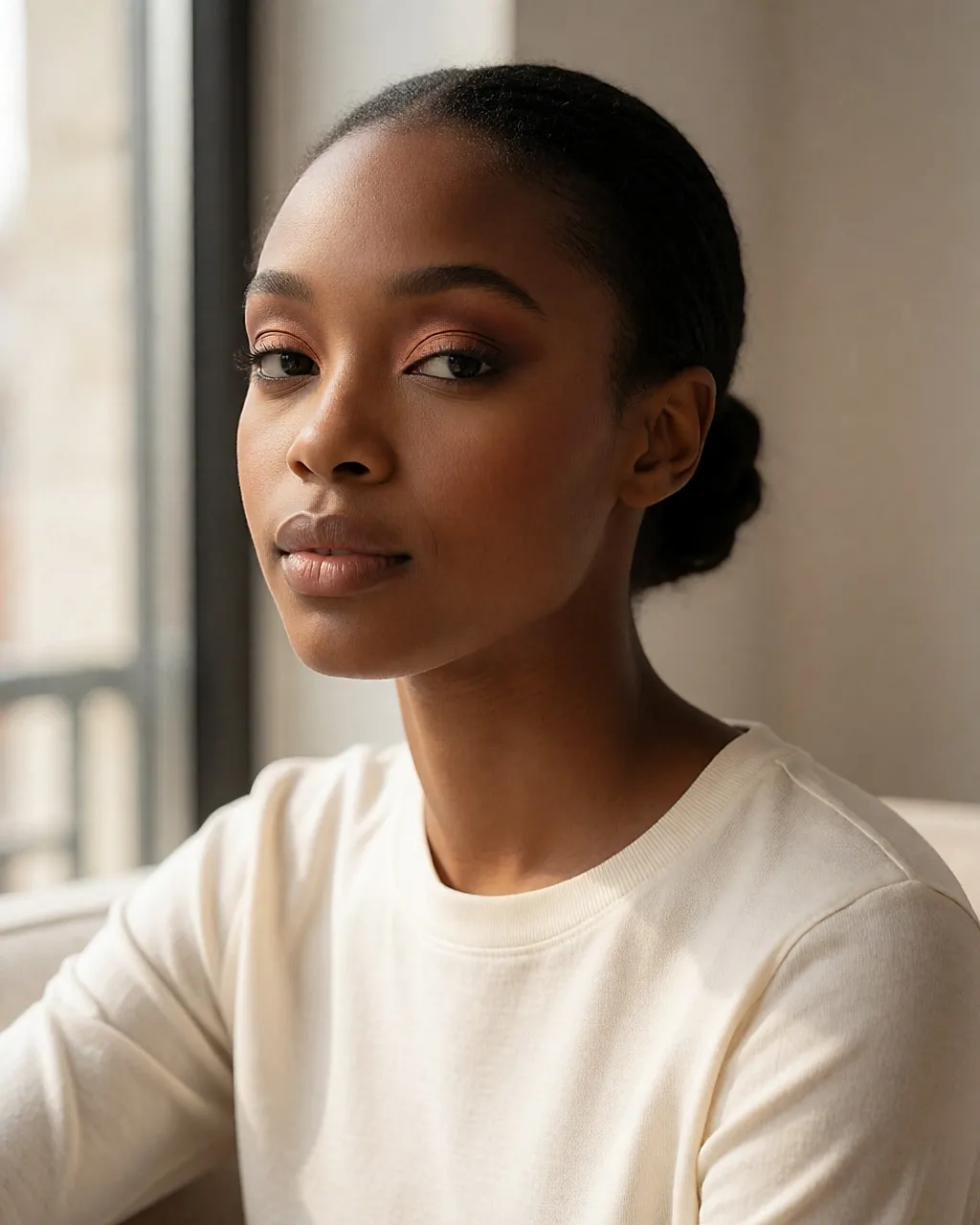
Why the eyes? Because they do more work than anything else on your face, carrying your expressions and your feelings all on their own — and good eye make-up can change and brighten a whole face by itself. What makes the difference? Rarely the number of products: eye make-up is mostly a matter of the right shades and a steady hand.
Worth remembering, too, that make-up isn't learned in a day: as with eyeliner, your first attempts are often a mixed bag — but once it clicks, the knack comes quickly.
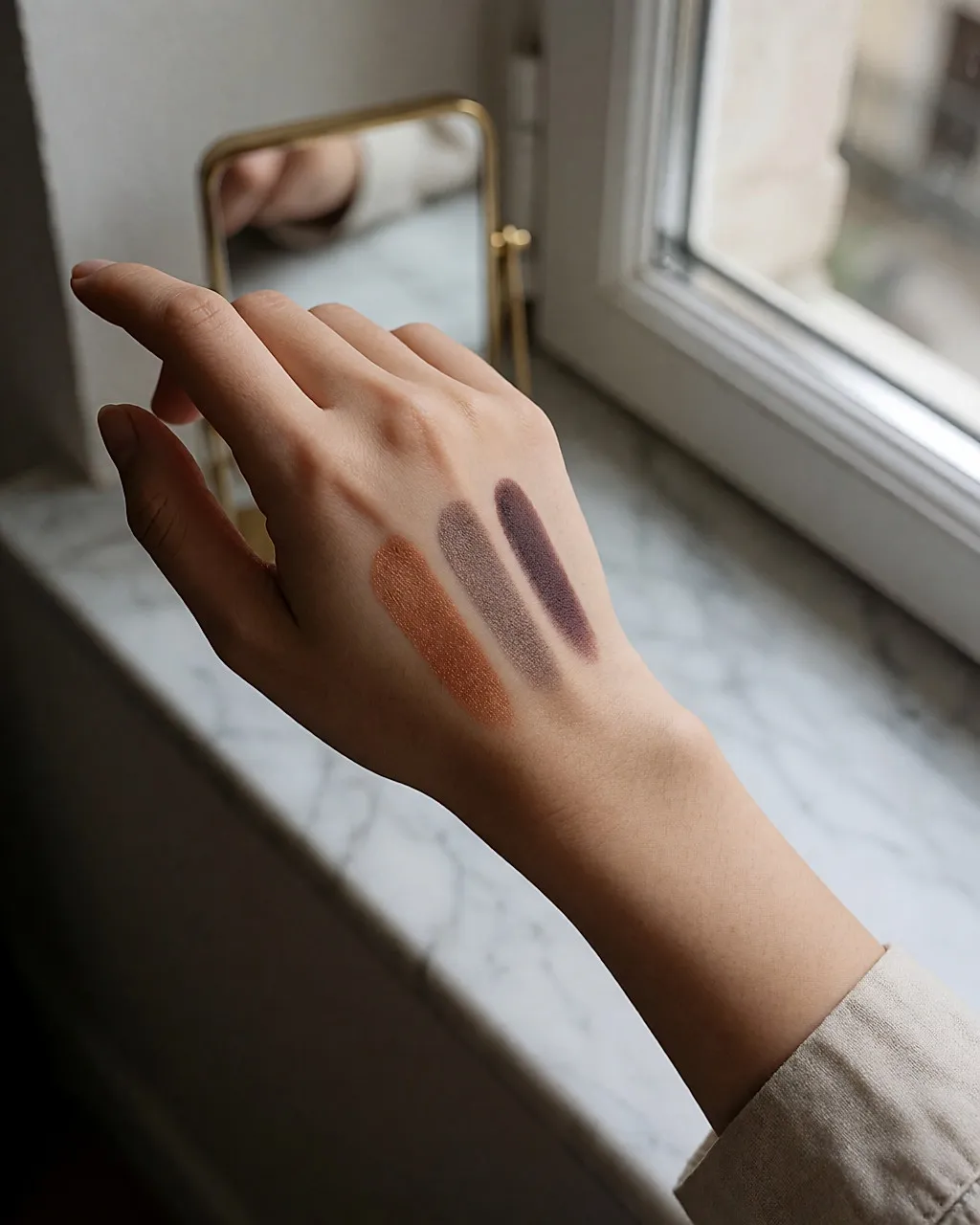
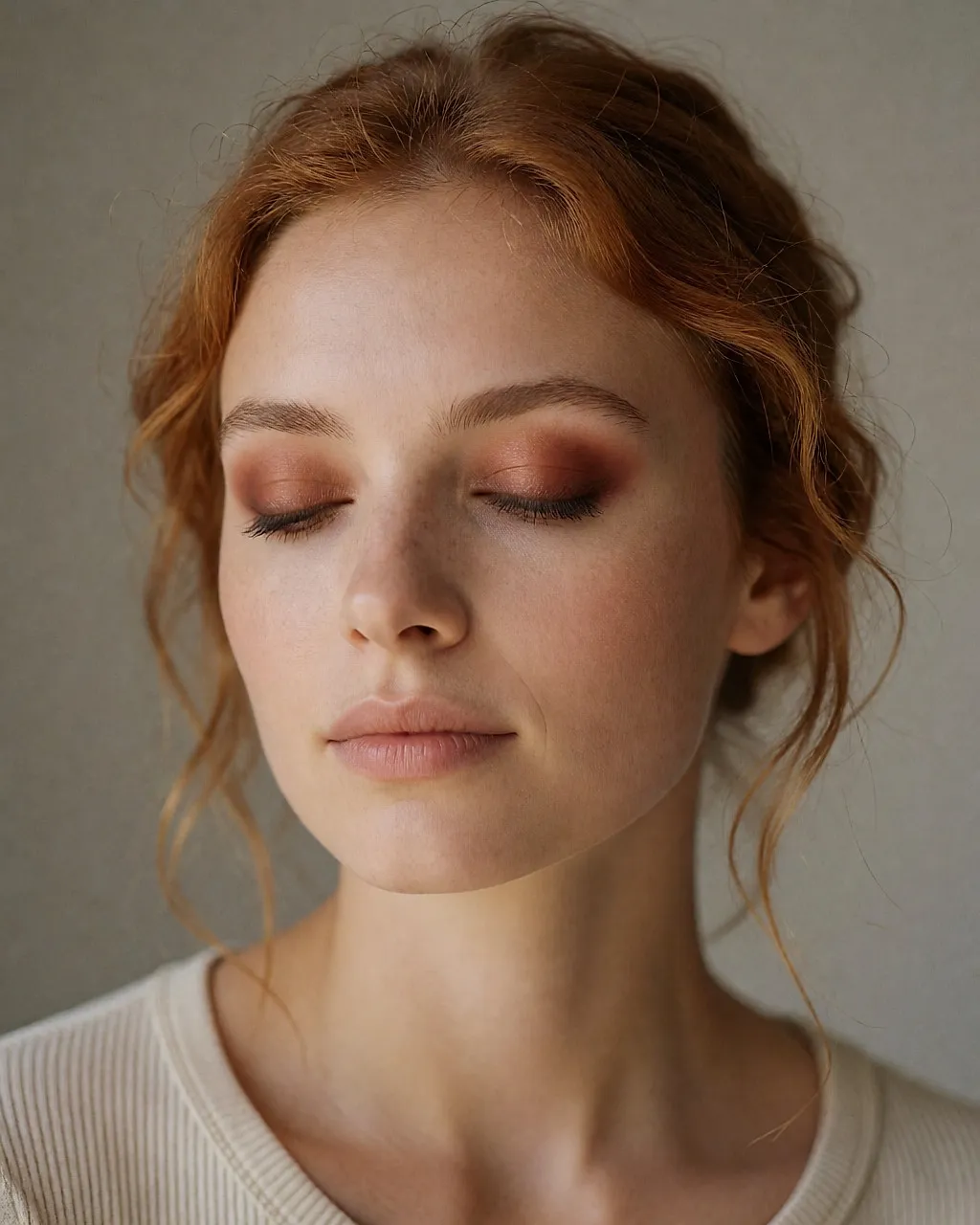
Choosing your colours
With eye make-up, picking your colours is one of the essential steps: we all have shades that are friends to us and shades we would do better to avoid — the trick is knowing which is which. Before you chase after an eighteen-shade palette, start with two simple questions: which colours flatter your iris, and how do you apply them so they don't slide into the crease before lunch?
Brown eyes? Lucky you: you have plenty of choice. Brown eyes are very accommodating when it comes to make-up — they can carry a wide range of colours. Shades from gold to chocolate, taking in sky blue, pearly white and a rich raspberry, can flatter your gaze — pick your colour of the day to match your outfit or your mood. Green, in particular, loves brown eyes, as long as you don't overdo it.
Green eyes? Green gets on well with brown, chocolate and gold, but also with cool colours such as grey and black (in small doses). Pinks don't always agree with green eyes: go for deeper tones, leaning towards green or violet. Beige, meanwhile, works well on the part of the lid that doesn't move, since it lights up jade-coloured eyes beautifully.
Blue eyes? Less easy-going than brown eyes, blue eyes can still be set off beautifully. The whole pink family tends to please them: from pastel pink to salmon pink by way of Barbie pink. Mauve, blue-grey, black, browns in general and gold all dress them elegantly. If you have blue eyes you can risk blue and green, but those shades have to contrast with your eye colour — otherwise they will only weigh the eyes down or wash them out. Finally, those with very pale blue eyes should avoid green and go for a good navy or a pearly grey instead.
Choosing your kit
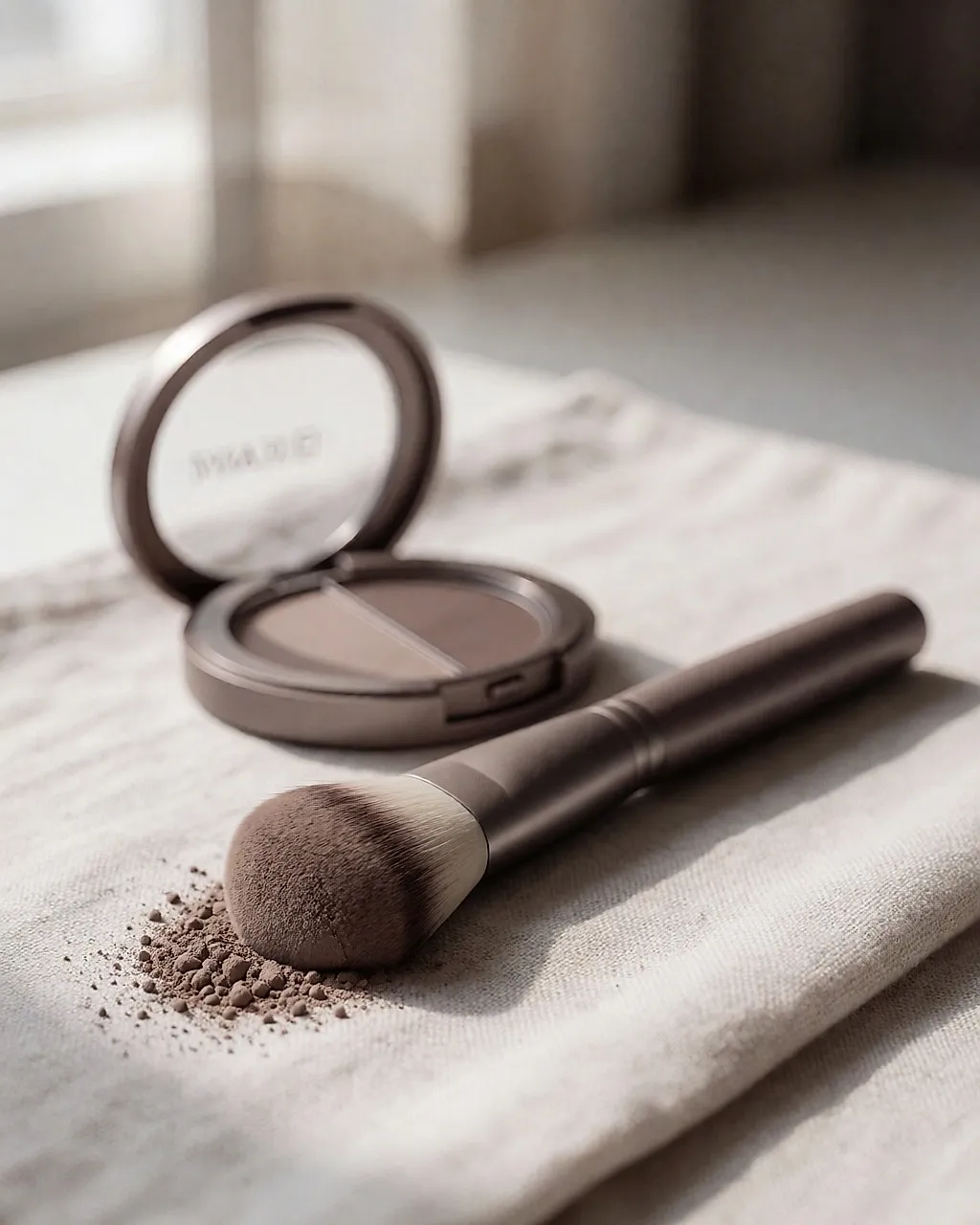
On the equipment front, you need an eyeshadow duo of at least two complementary shades, one light and one darker (chocolate and beige, say): no need for too many colours, make-up can be sophisticated without being complicated.
Mascara is essential too, preferably black: simpler and more elegant, or brown if you don't like black — but only on condition that the rest of your make-up is in brown tones as well.
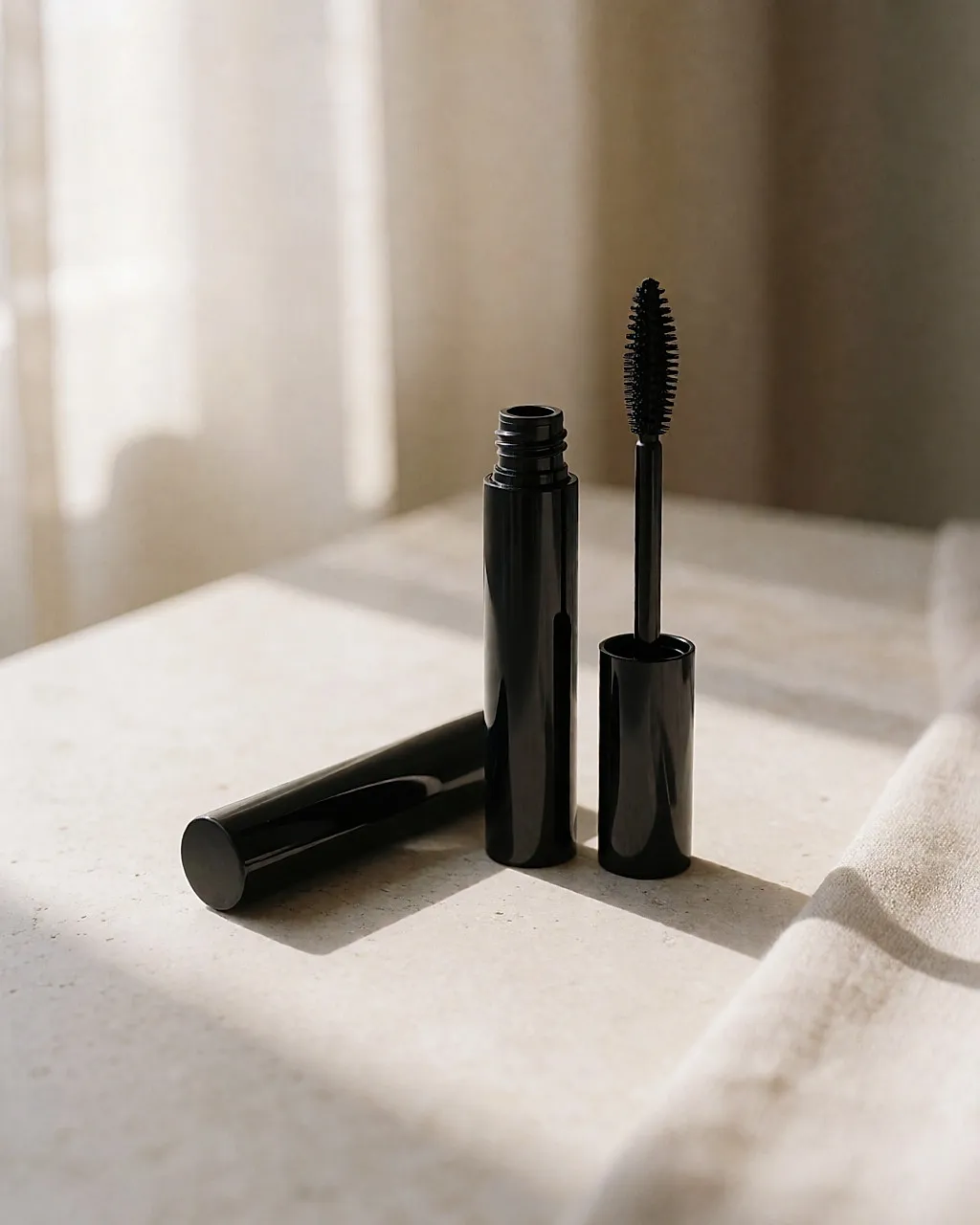
A pencil can finish the look: again, black is ideal, except for blue eyes, which suit a grey or brown pencil, both softer.
Putting it into practice
Tip number one: eyeshadow has a habit of sliding and leaving rather unflattering deposits — in short, it gives you the look of someone worn out by their day before the afternoon has even started, which is not very glamorous.
To stop the shadow shifting, start with a make-up base designed for the job (MAC makes one); failing that, you can also sweep a thin layer of foundation over the lid before your shadow, to set the make-up.
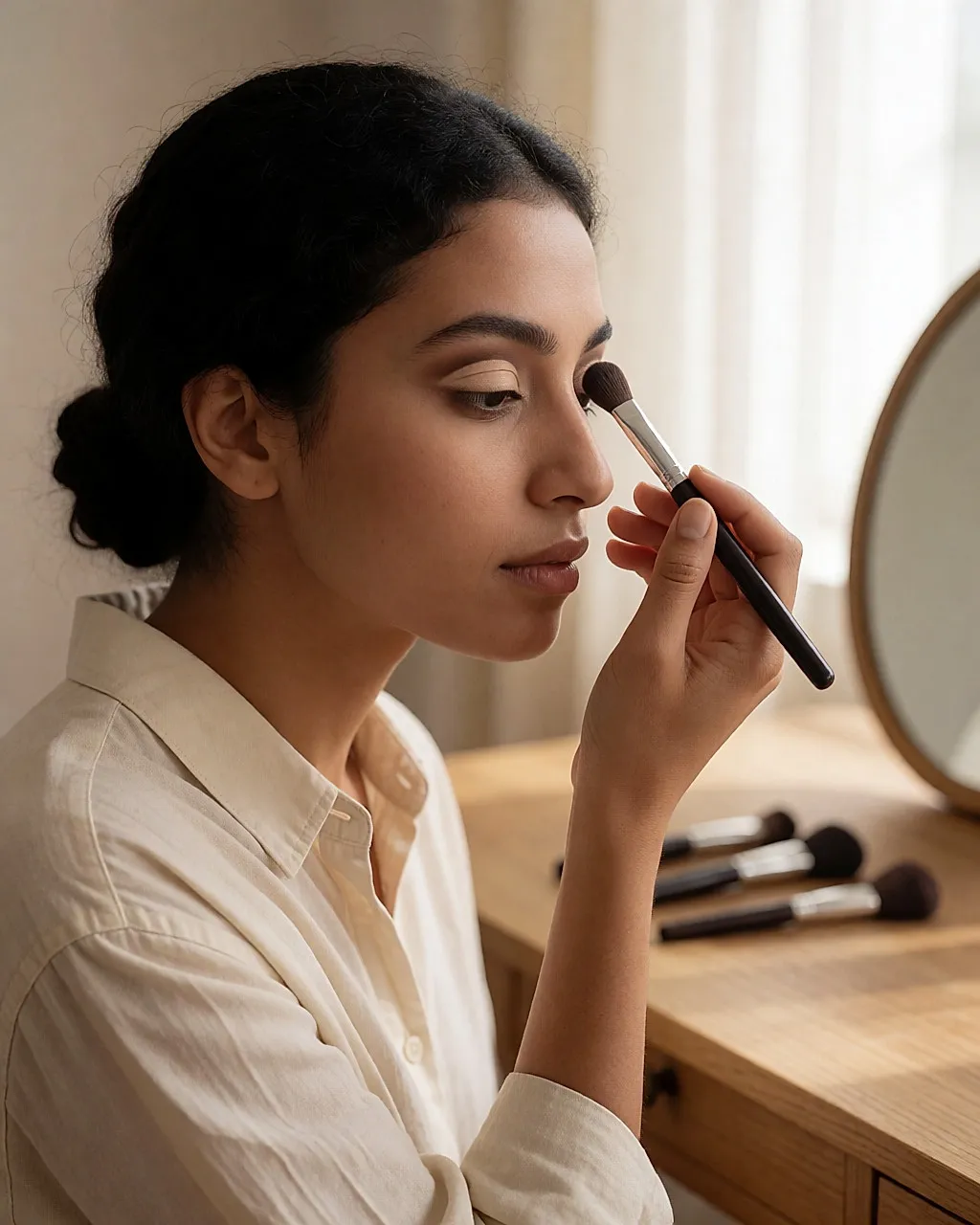
As for applying the shadow, remember that the area under the brow — the upper part of the lid, the bit that doesn't move — works best light: put a beige, an ivory, a pearl, a flesh tone there, your choice, but stick to very light tones.
The dark shade goes on at the base of the lashes and blends upwards, onto the part of the lid that moves. The lower part of the fixed lid, just above the crease, can be dusted with the same light shade as before, or with a light mix of your dark and light shades — trickier to apply.
Once the shadow is on, don't hesitate to even things out with a clean brush, to get rid of stray marks and uneven patches.
Apply mascara, which both opens the eyes and adds fullness.
Then move on to the pencil. A word of warning, though: pencil tends to 'shrink' the eyes, which then look smaller. If your aim is to make your eyes look bigger, go for a white or beige line rather than black, or place your pencil not inside the eye but right at the root of the lashes, and only at the outer corner. In that case the pencil can be replaced by a little eyeshadow and an angled brush, which lets you put the colour precisely on the lash line.
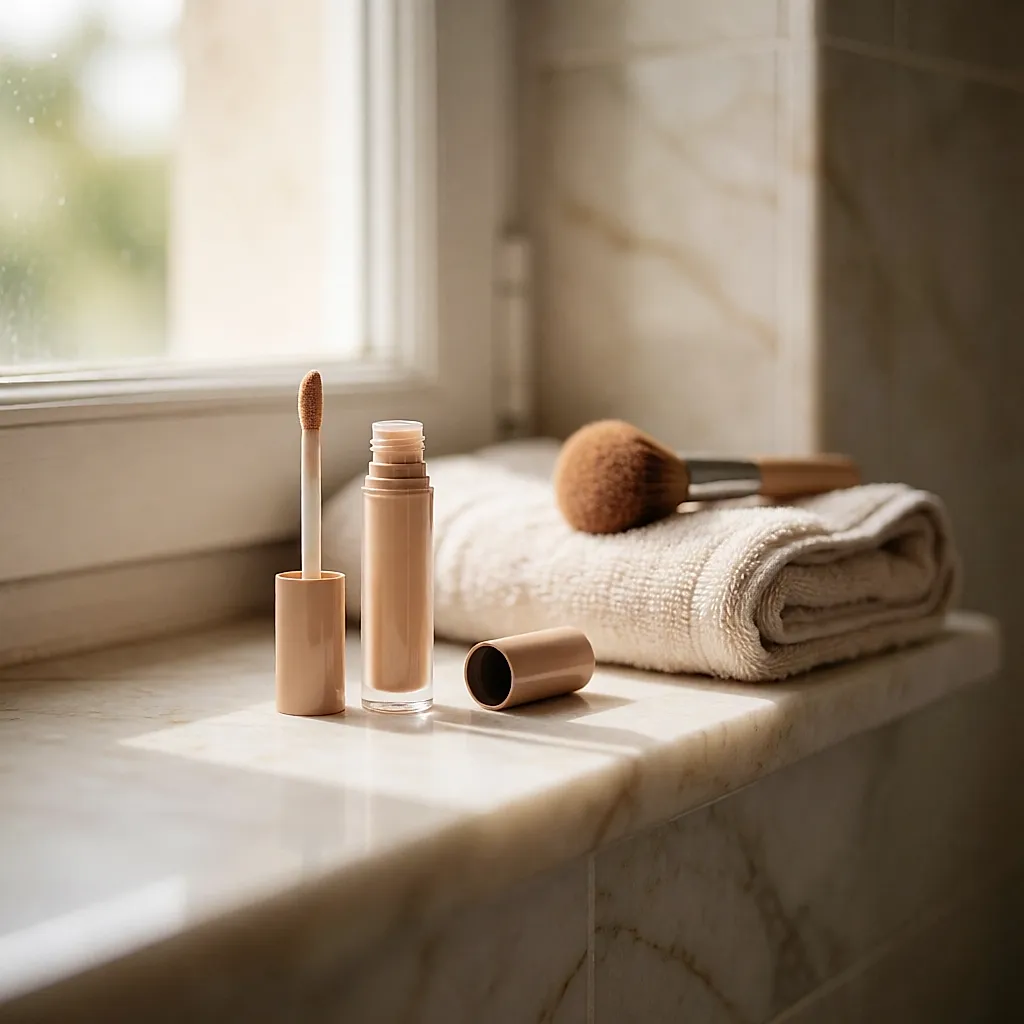
If dark circles are a permanent feature, add a few dabs of concealer and powder it lightly so it lasts.
Make-up is a valuable weapon at a time when appearances weigh so heavily in the balance of a first impression. Let's stop being naive: many of the women we pass in the street, or spot halfway through a mascara ad in our favourite magazine, don't wake up looking flawless with a radiant complexion and rosy cheeks. No — they get ready, and they know how to handle brushes, pads and a whole range of colours to brighten their features, warm up their gaze and glow in the blink of an eye. Want to make the most of your face in a few brushstrokes too? Then it's time to put your eyes in the spotlight.
Budget
You don't need to spend a fortune for a lovely eye look. A quality two-shade eyeshadow generally sits somewhere between £8 and £20, while a more elaborate palette easily runs to £25 to £45 depending on the brand and how much you get. A decent mascara can be found for £8 to £20, a pencil for £5 to £15 and an angled brush for £5 to £18 — synthetic bristles are usually the easiest to look after. Concealer comes in at £8 to £25 depending on coverage, and an eyeshadow base at £10 to £25, though it lasts a very long time: a pea-sized amount is enough for each application. Expect to pay a little more for vegan or refillable formulas, a criterion that matters more and more. Prices vary most of all by where you shop — supermarket, beauty hall, pharmacy or independent brand — so there's no point rushing to the most expensive ones.
Comments
Your opinion matters: rate the article, react and reply to comments.
Comments are moderated; AI-assisted comments are flagged. Text emoticons (8-), :-), <3…) are automatically shown as images.