
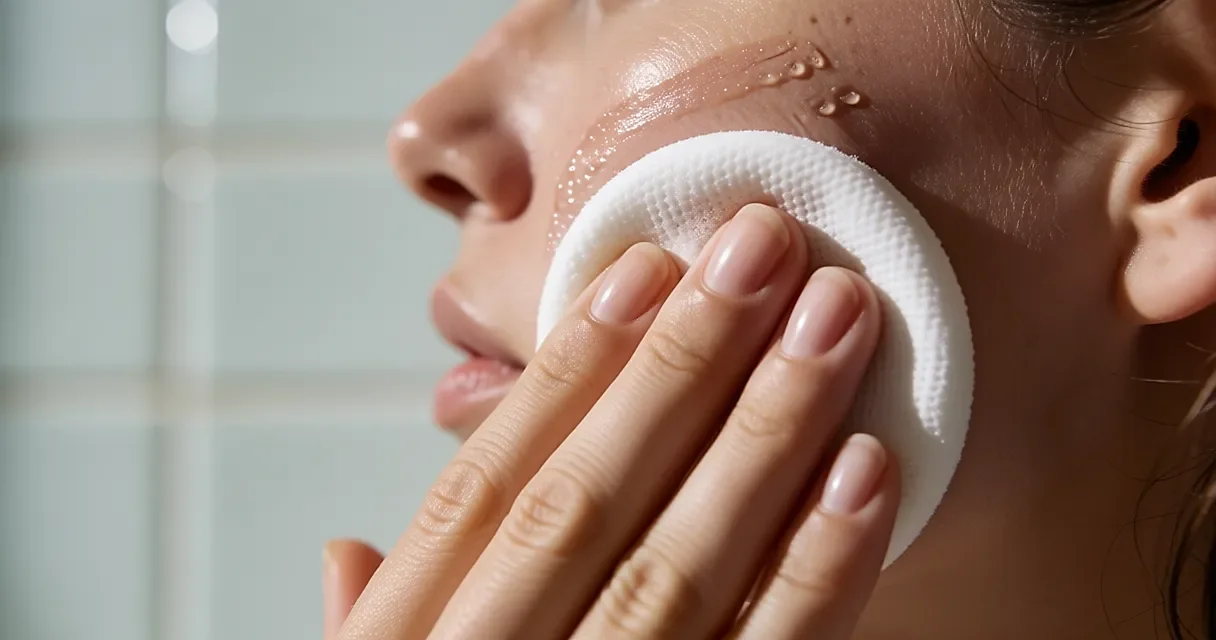
Three hours on stage, lights hot as a bread oven, and make-up that isn't allowed to shift a millimetre. What hits you first in Beyoncé's stage looks isn't the outfit: it's the sheer thickness of the work. Layered base, liner that forgives nothing, a crisp mouth under the lights. Back home at one in the morning, honestly, how do you take it all off without taking your skin with it?
Stage make-up is not Tuesday make-up
A base that has to survive under spotlights isn't a layer of foundation, it's architecture: primer, concealer, long-wear foundation, loose powder, setting spray on top, colour laid down in cream and then in powder so it doesn't slide. The result holds — and it holds onto the skin like a film.

Hence the misunderstanding on the way home: you tell yourself you need “something strong” and grab the first foaming cleanser in sight. It's exactly the other way round. The more stubborn the make-up, the more patient the removal has to be — not more aggressive.
Why scrubbing doesn't clean any better
The skin barrier, the film that holds water in and keeps irritants out, likes neither friction nor over-stripping cleansers. A cotton pad dragged five times over the same cheek, a gel that strips everything and leaves skin squeaking: right then, you feel clean. In reality, skin feels tight, sometimes goes red, and the next day foundation settles into every fine line.
There's a second trap: keep at it and you decide the product isn't working, so you add more. The right move is to work in zones with gentle passes, without piling on the friction, and go over an area again if you need to — as long as you've got the right product in front of you. Multiple passes just means rubbing the same patch three times for an identical result, minus the protective layer.
Oil first, on dry skin
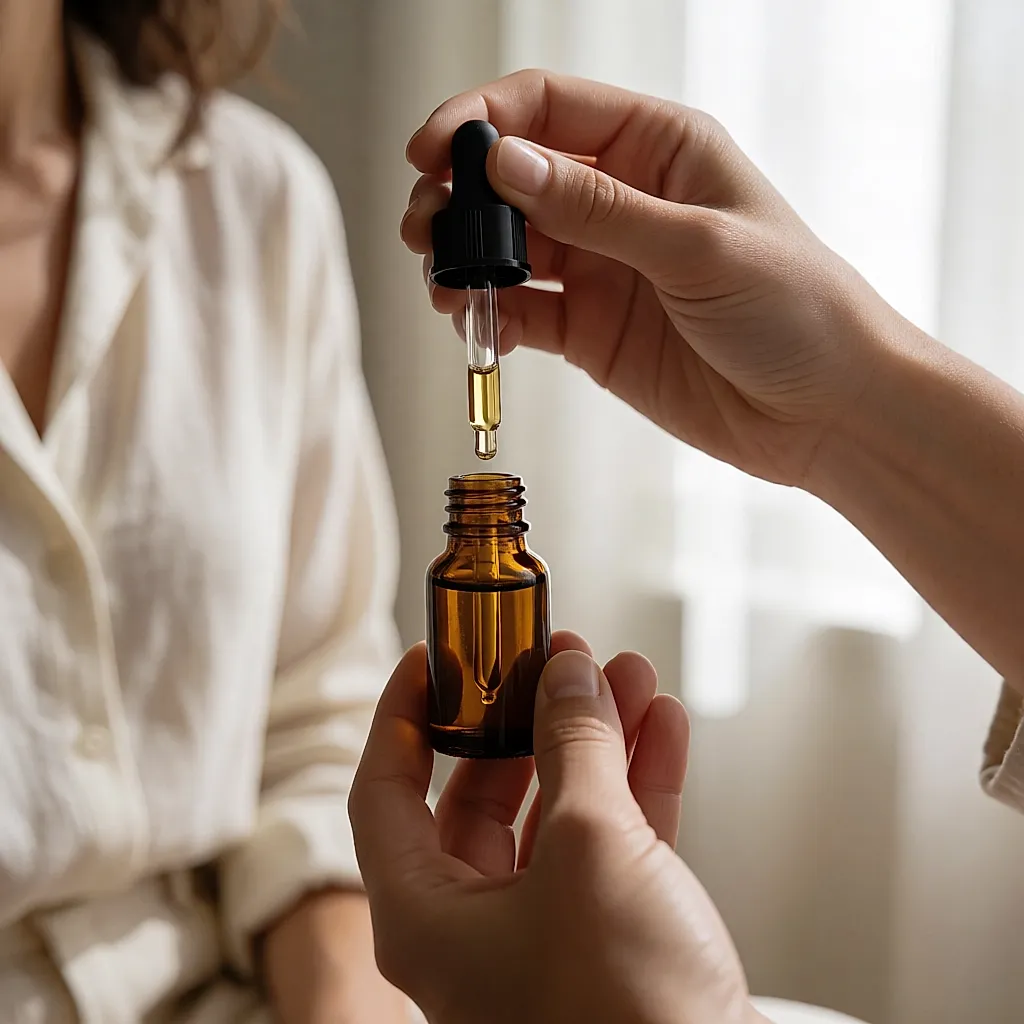
The step that changes everything comes in two stages. First an oil or a cleansing balm, onto dry skin, with dry hands: massage without pressing, paying extra attention to the creases around the nostrils, the lash line and the lip contour, where make-up collects. Then emulsify with a little warm water: the oil turns milky and the make-up leaves with it.
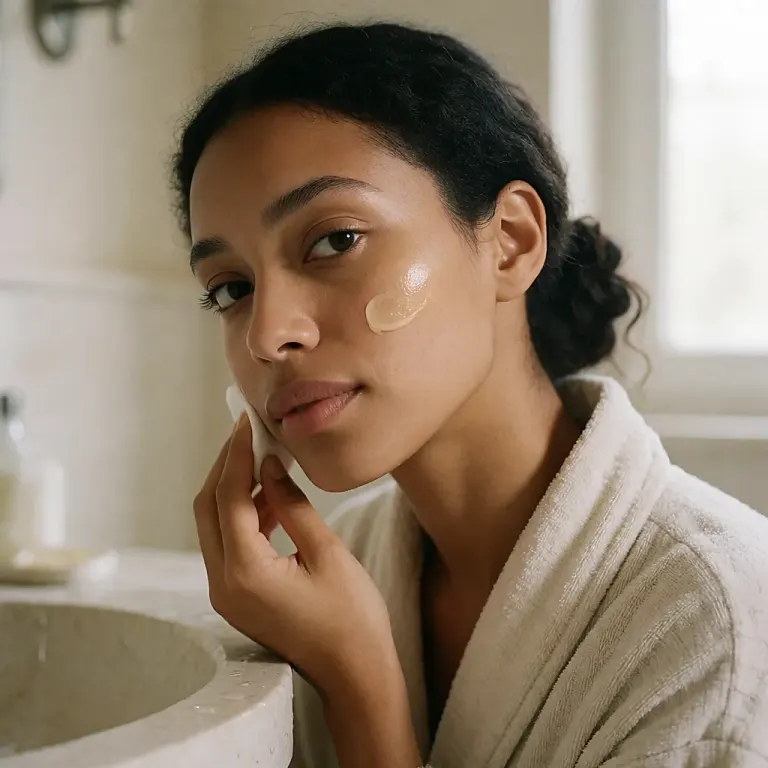
For the eyes, soak a cotton pad, leave it in place for a moment, then draw it downwards in one slow stroke. No back-and-forth: friction is a major cause of irritation, though an unsuitable product can irritate too, and so can the cotton pad or leftover residue. Only then reach for a gentle cleanser — soap-free gel, milk, mousse — to lift the oily residue. Warm water, never hot, and pat with a clean towel rather than wiping.
And if your skin still feels tight
Sometimes skin stays uncomfortable even after the gentlest removal. Then simplify: one hydrating product, not three serums stacked up, and leave the exfoliants in the cupboard for a few days. If redness persists, a dermatologist's opinion is worth more than yet another product bought in a panic.

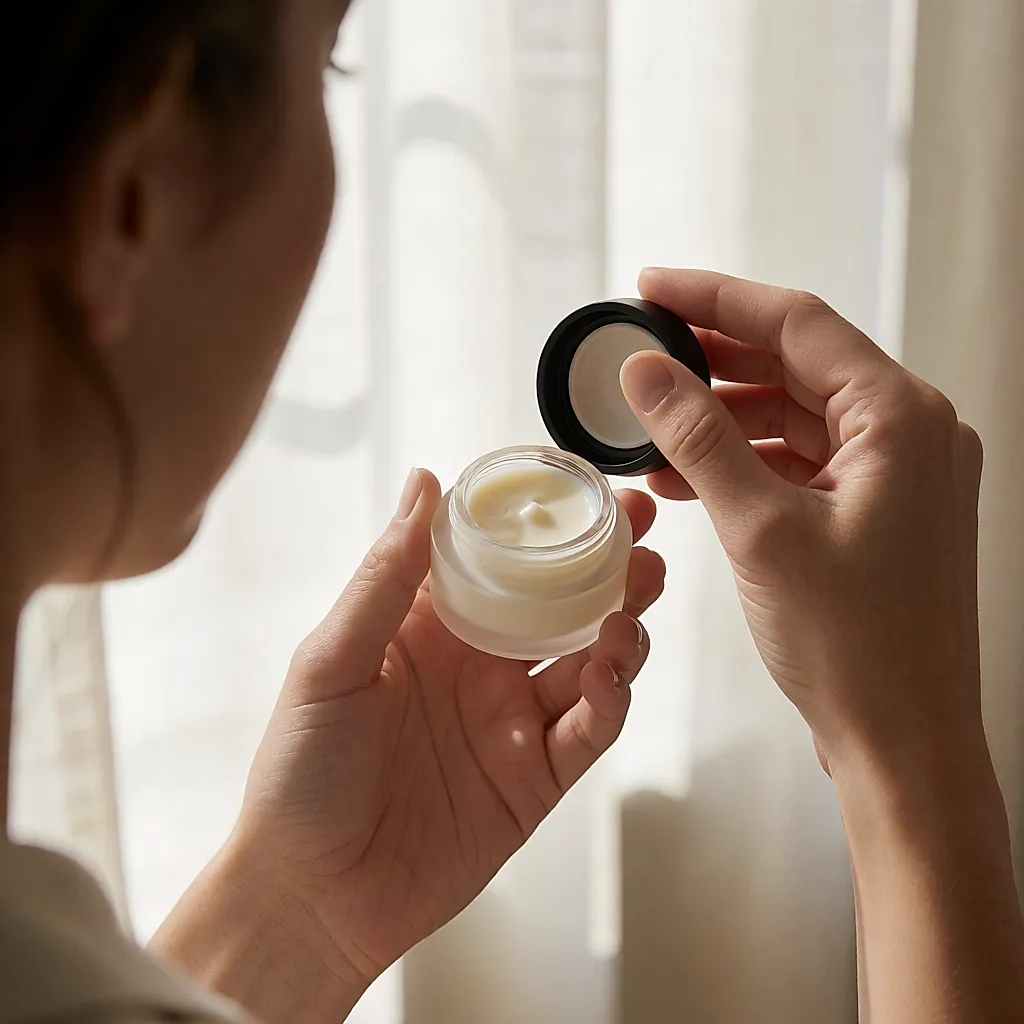
On a Sunday night, stick to the four steps: oil, emulsion, gentle cleanser, moisturiser. That's already far better than a cotton pad scrubbed in a hurry at the hallway mirror.
What it costs
Let's be honest about the cost: a cleansing oil is the item that can add up quickly, but a bottle lasts months. Expect somewhere between £8 and £30 for a cleansing oil or balm from a supermarket or a beauty retailer, £15 to £35 for a certified organic version from a specialist shop, and £10 to £25 for a gentle cleanser — prices shift with brand, so treat those as a rough guide rather than a promise. Ten or so washable cotton or microfibre pads come in at £10 to £20 and pay for themselves within a few months.
On the natural side, the Cosmos Organic standard sets out how much of a formula must be organic and which processing methods are allowed — a more solid marker than a green leaf printed on the label. A green bottle doesn't make a product gentle. Solid formats cut out the plastic bottle, but not all of them emulsify as well: in store, ask to test the texture on the back of your hand. And if the best choice for your skin turns out to be a conventional product, that's no disaster: calm skin beats a perfectly green bottle that leaves it feeling tight.
The cotton pad test: after the oil and the cleanser, sweep a cotton pad dampened with warm water over the eye contour and along the jaw. If it comes away tinted, there's no point scrubbing harder: do another oil pass, without pressing. If it comes away clean, you have your answer — and two minutes saved. Honestly, it's the kind of test that stops you rubbing away for nothing.
Stage make-up impresses because it lasts. The evening routine has nothing to prove: it takes apart what the lights built, leaving no traces. An oil, a gentle cleanser, a light hand: a gentle routine can help limit that tight feeling. That's a win already, isn't it?

Comments
Your opinion matters: rate the article, react and reply to comments.
Comments are moderated; AI-assisted comments are flagged. Text emoticons (8-), :-), <3…) are automatically shown as images.