
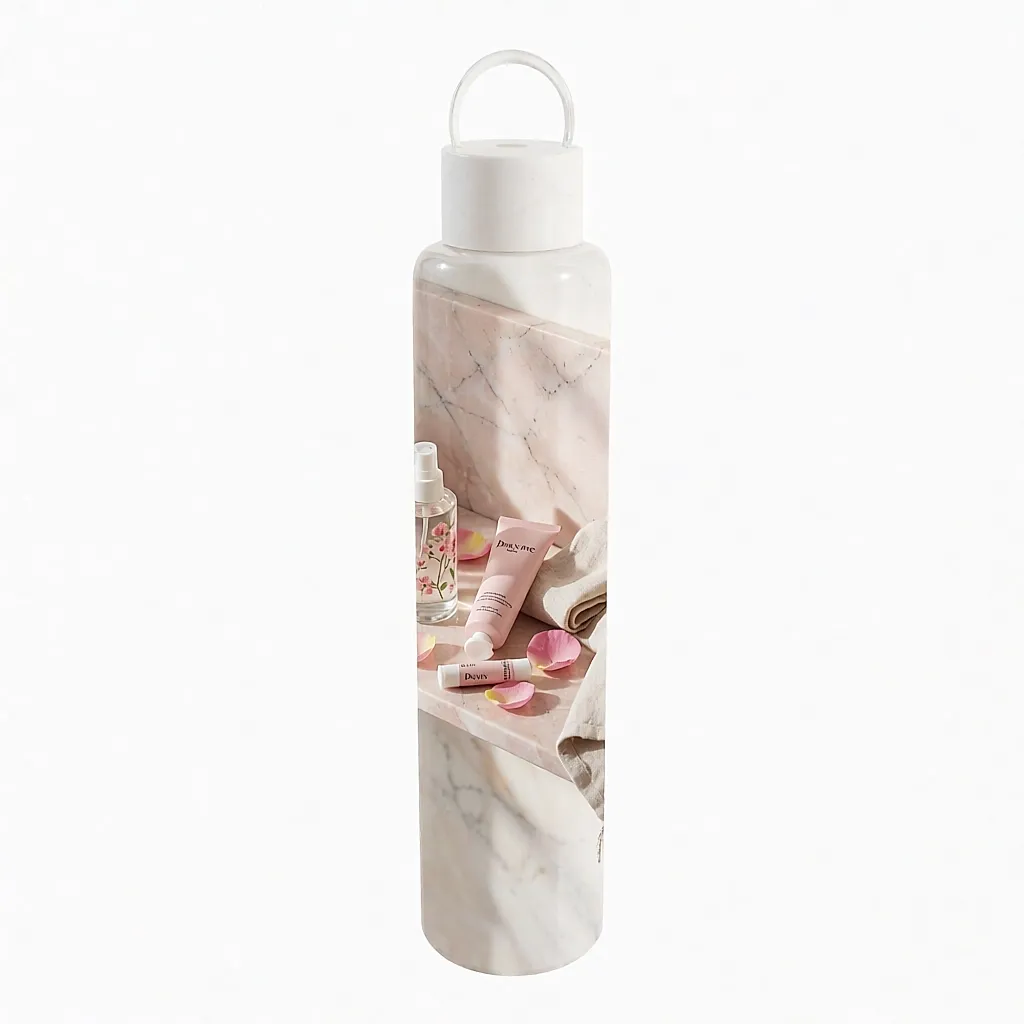
You've almost certainly clocked those pastel tubes on a friend's bathroom shelf and wondered whether they were actually any good. Behind Doux me is Caroline Wachsmuth, who first mixed up her own organic formulas before deciding to share them. Word of mouth did the rest, and the brand launched in 2002 — back when "natural cosmetics" still meant something closer to a pot of yoghurt.
A philosophy, not a slogan
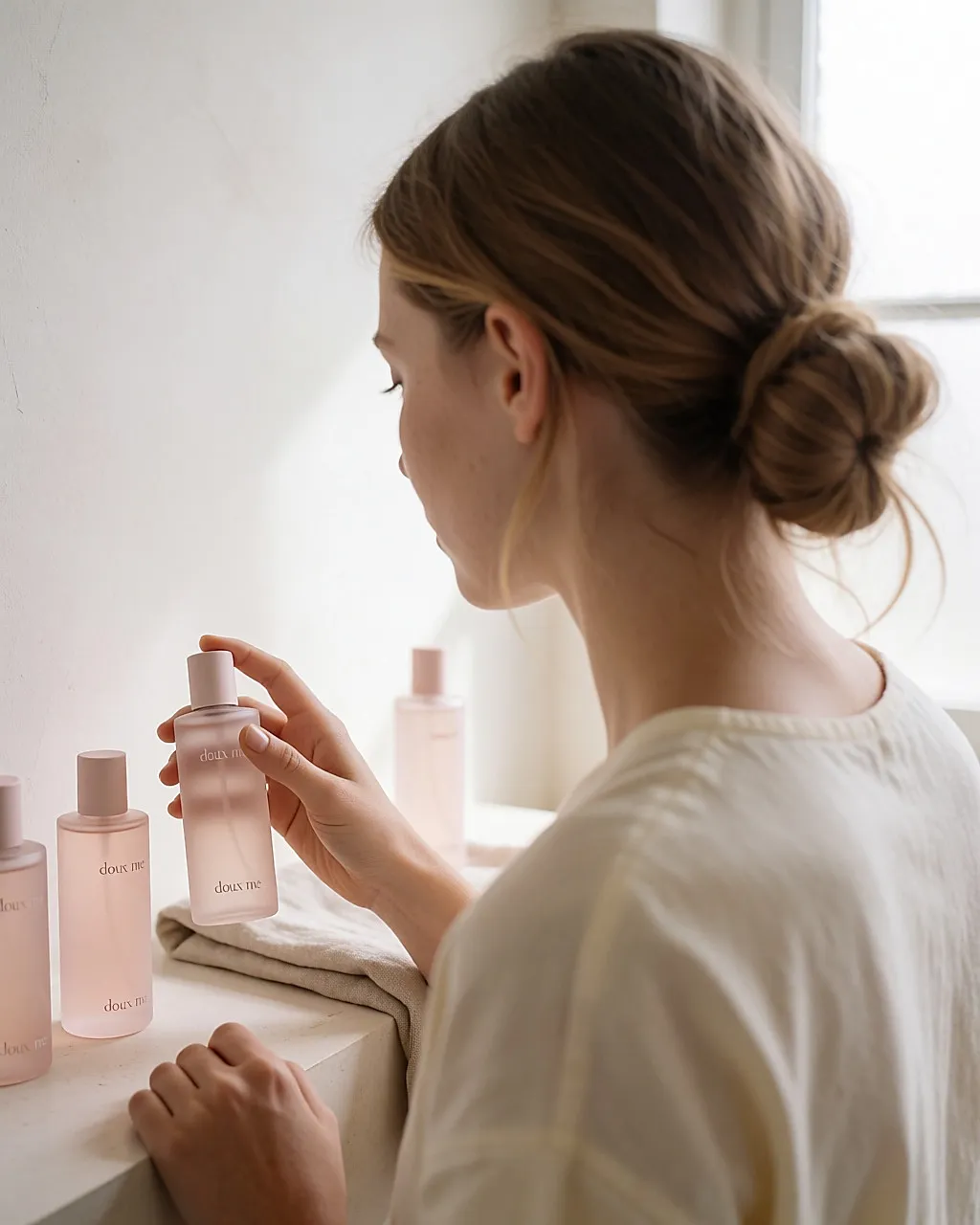
The founding idea fits in a sentence, and it was well ahead of its time: looking after yourself shouldn't mean choosing between results and respect. Doux me puts its money on gentle formulations, sensory textures and packaging that's happy to be a little pretty — because a nice-looking bottle on the bathroom shelf counts as part of the ritual too.
Doux me points to certifications from Ecocert, the private body that sets the rules for organic cosmetics in France and across Europe. In practice, Ecocert sets a minimum threshold for natural or naturally derived ingredients, plus a percentage that has to come from organic farming. It's a useful marker — though it tells you nothing about how a product will behave on your skin, which we'll come back to.
The brand also highlights formulas free from synthetic fragrance, colourants and alcohol, and with no animal-derived ingredients. Worth remembering, too, that selling cosmetics tested on animals has been banned across the EU since 2013; the UK brought in its own ban back in 1998.

The signature steps
The house ritual revolves around a handful of essentials. For the complexion, the rose floral water mist goes on before moisturiser, or straight after cleansing, to wake up the glow and calm the skin. On dry or reactive skin, the cleansing milk with orange blossom water and macadamia oil cleanses without that tight, stripped feeling — the kind of texture that leaves skin soft rather than squeaky.
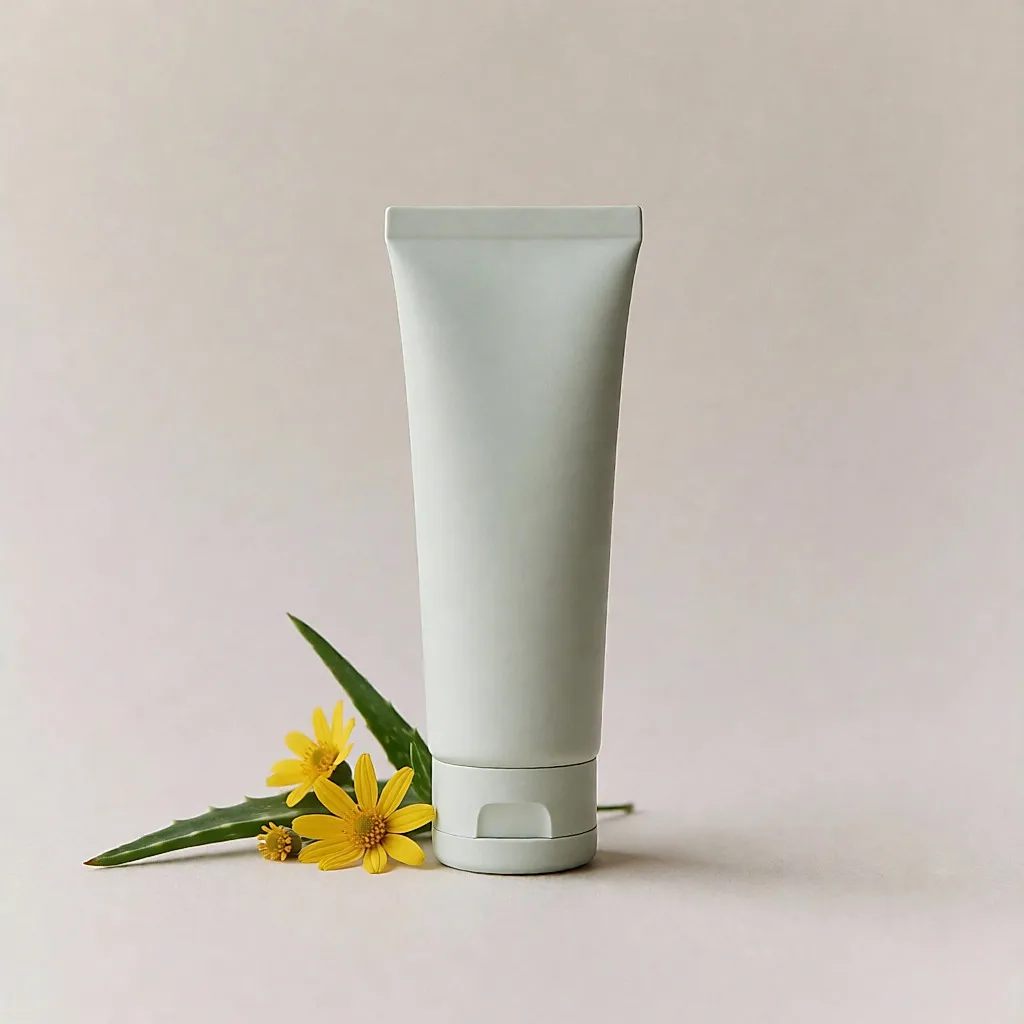
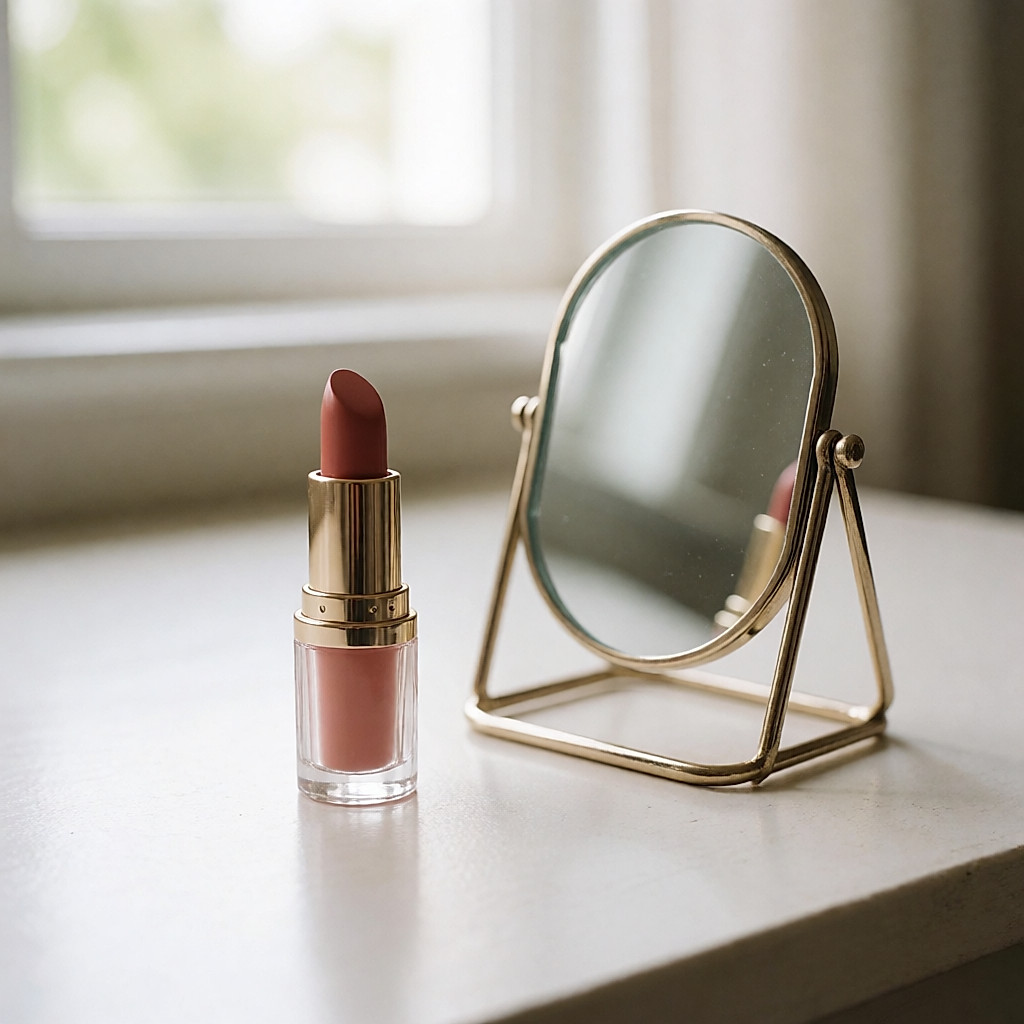
In your bag, two reliable picks: the nourishing lip balm with marula nut and avocado oil, and the hand treatment with aloe vera and arnica, made for hands battered by cold snaps and endless washing.
Before you buy a floral mist, check where the floral water sits on the INCI list: near the top and it forms the base of the product; near the bottom and it's mostly there for the label. The trick that makes a difference: spray about 20cm from your face, then press in with the palms of your hands.
Should you still buy it on trust?
A bit of transparency: I haven't retested the current range, so what follows is based on research rather than on my own skin. In truth, a lot has happened since 2002 — natural beauty has exploded. Doux me is no longer the only name in the game, and the competition has pushed everyone to raise their standards.
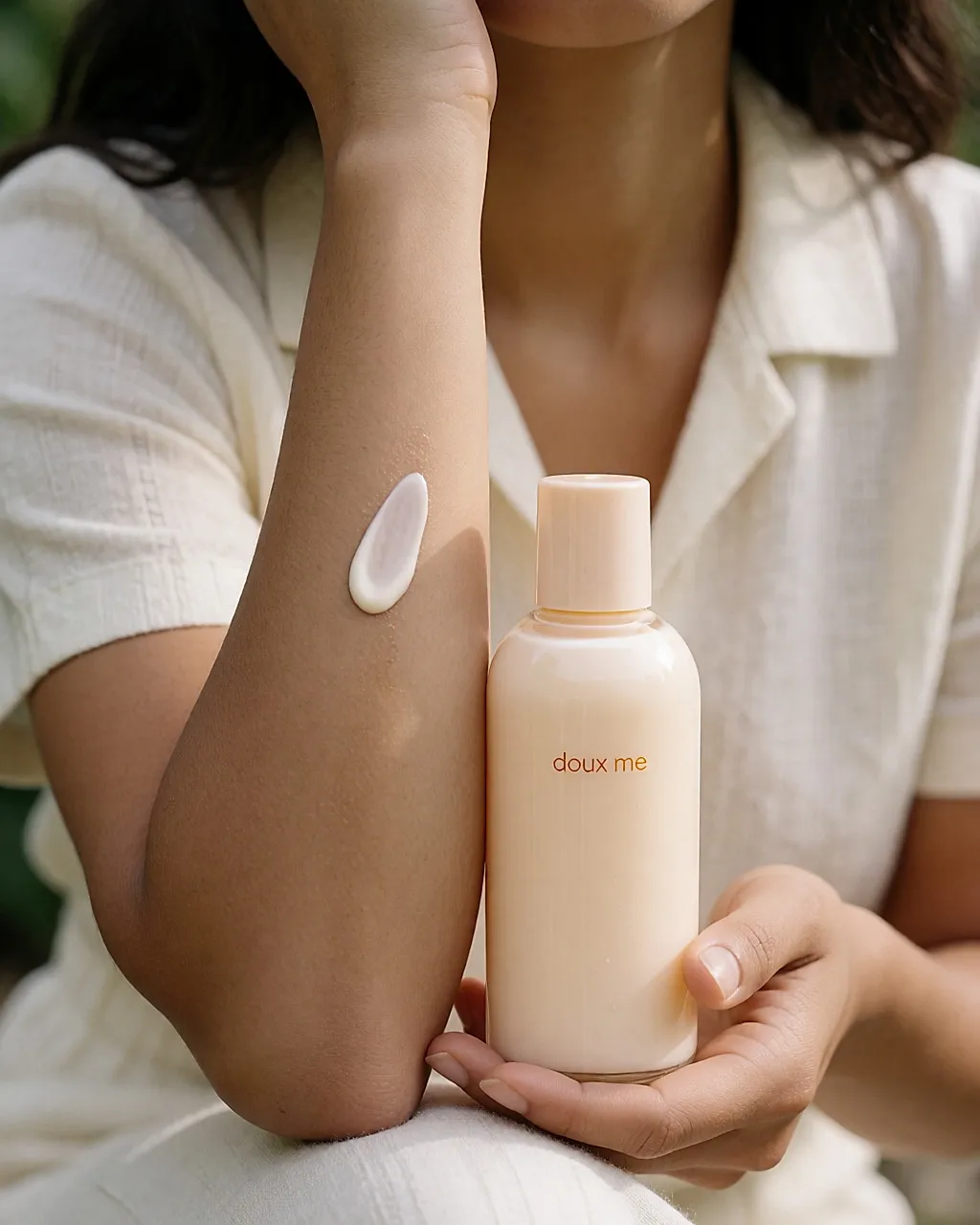
One caveat, though: an organic label isn't a blank cheque. Ecocert guarantees a standard for the formula, not a clinical result. And a mist or a cleanser that suits one person's skin can irritate the next. Patch-testing on your forearm for a few days before you go anywhere near your face will save you plenty of grief — especially if your skin is reactive.

What it costs
For a natural routine, here's roughly what to budget. These are indicative figures converted from the brand's French RRPs, so do check UK stockists, as availability over here varies:
- floral mist: about £9 to £22 depending on size;
- organic cleansing milk or gel: about £10 to £26;
- lip balm: about £5 to £13;
- hand treatment: about £7 to £18.
Prices vary with the size, how concentrated the actives are and where you buy. High-street pharmacies and specialist beauty retailers tend to be a decent compromise between price and convenience, and some brands sell refills that work out cheaper over time — worth checking before you re-buy, since not everything is refillable.
Sources
- Ecocert — the benchmark for organic and natural cosmetics
- European Commission — Regulation (EC) No 1223/2009 on cosmetic products; ban on the sale of cosmetics tested on animals across the EU since 2013.
- UK Government — ban on testing cosmetic products and ingredients on animals (1998).
Comments
Your opinion matters: rate the article, react and reply to comments.
Comments are moderated; AI-assisted comments are flagged. Text emoticons (8-), :-), <3…) are automatically shown as images.