
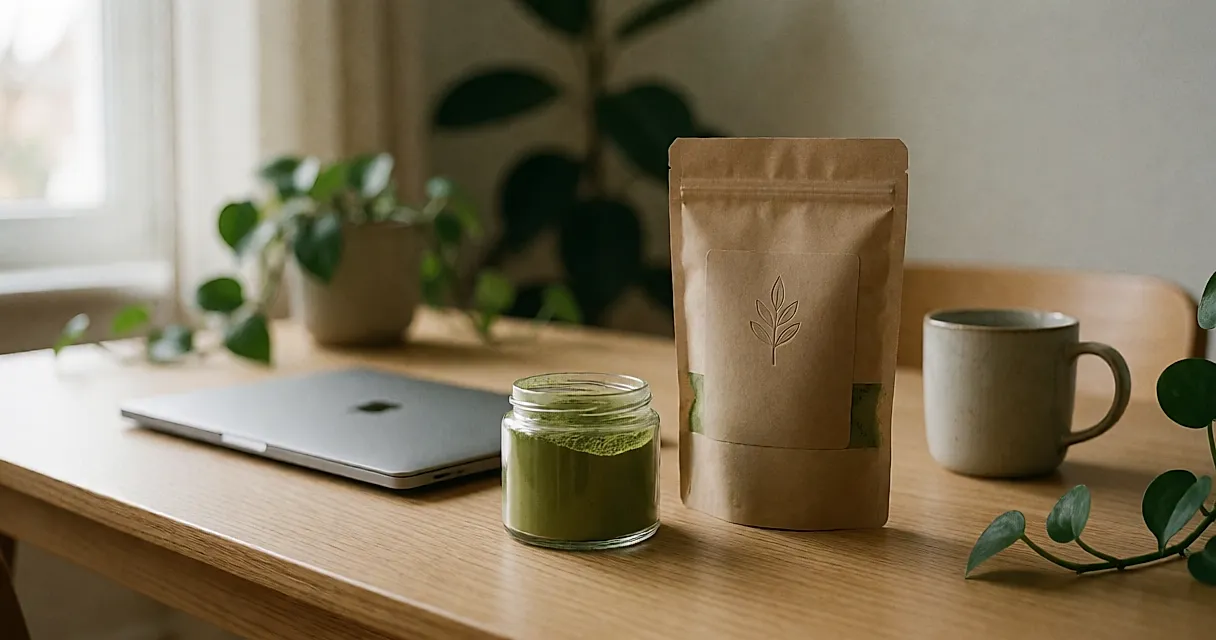
Pure henna and 'blended' henna have about as much in common as a short espresso and instant coffee: the same promise on the packet, a different drink in the cup. The first is ground Lawsonia inermis leaves, full stop. The second is an assembly — of plants, sometimes, and sometimes of something else entirely. Depending on the bag you pick up, you won't get the same red, the same staying power on grey hair, or the same behaviour if a chemical colour is waiting for you in six months' time.
What's really in the packet
Pure henna doesn't cheat: one plant, ground into a green powder, which gives copper to orange tones. 'Blended' henna mixes lawsonia with other plant powders — indigo (Indigofera tinctoria) to push it towards brown, cassia for a neutral effect, amla, sometimes rhubarb — and sometimes with additives that are no longer plant-based at all. So why can the same application give such different results?
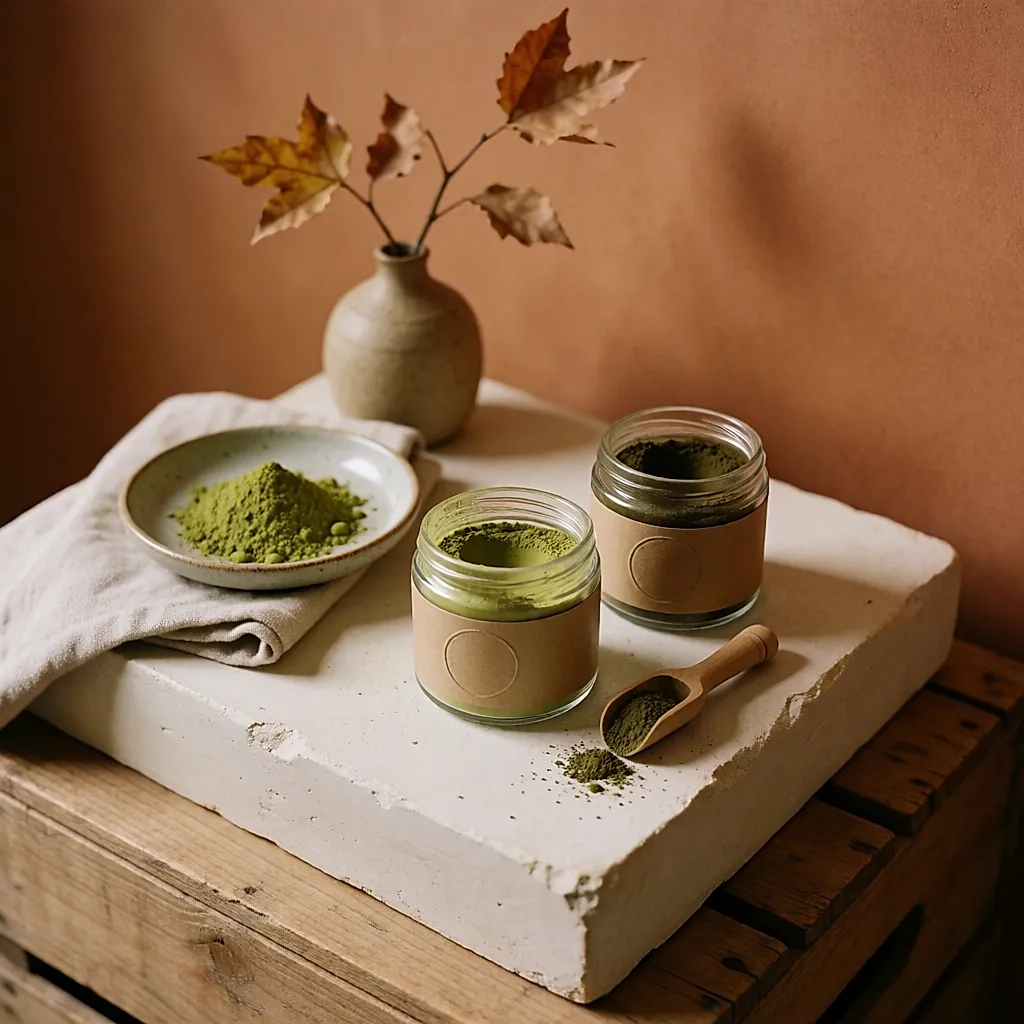
It's those additives that raise the question. Some blends contain them to add golden tones or fix the colour, and those additives are not always plant-based. Hence the very simple reflex: the ingredient list before the pretty name on the box. 'Natural henna' doesn't mean henna on its own.
Grey hair: a blend, not full coverage
This is where the difference is obvious. Pure henna doesn't 'cover' grey hair in the way a conventional dye does: it tints it, but in a lighter, brighter tone than the rest, with a fairly luminous orange shift. On salt-and-pepper hair, the result is pretty, lively and a little wild, and the white hairs stay visible.
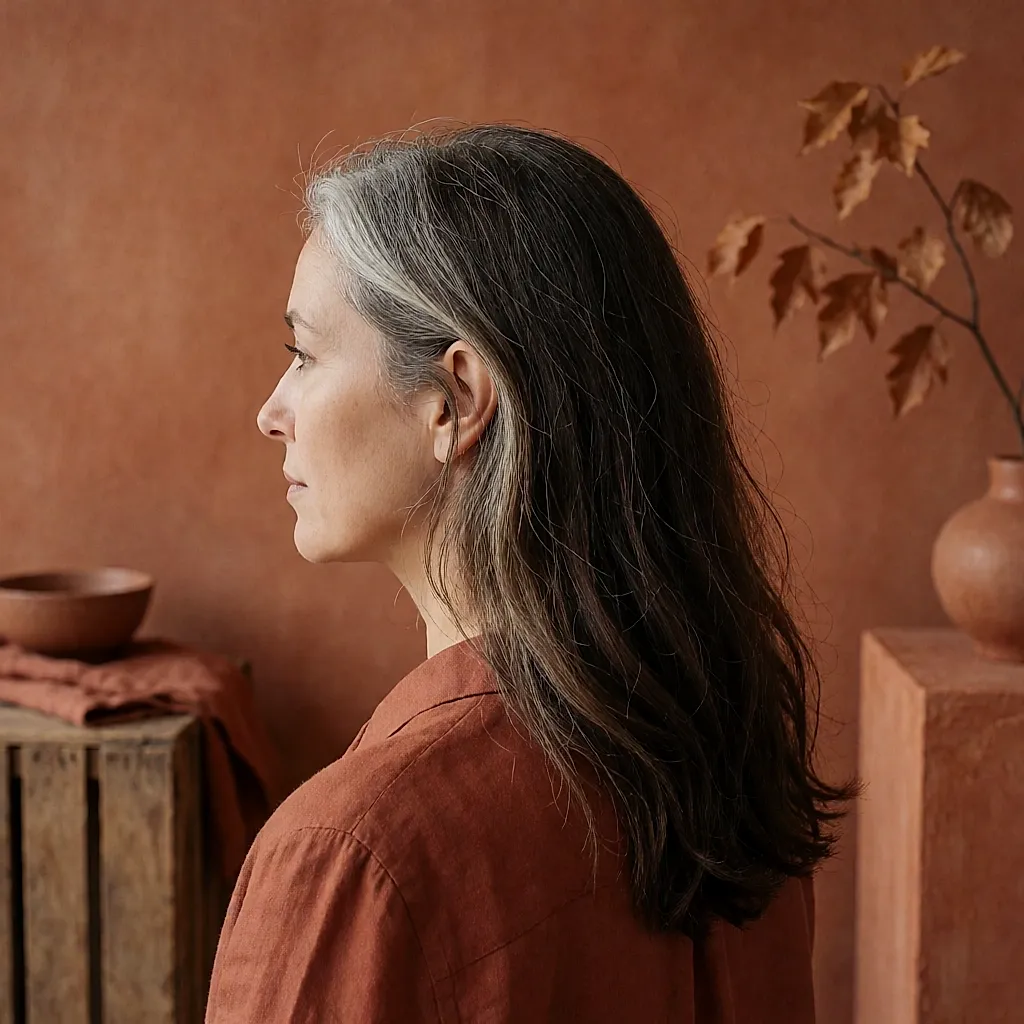
Indigo blends, on the other hand, push towards brown and blend in better. Do be careful, though: on grey hair, indigo grabs unevenly, and the result varies from one application to the next. I'm not going to give you a coverage percentage; nobody serious would. It all depends on how much grey you have, how porous it is and how long you leave it on. Count on a blend rather than total coverage.
The red changes depending on your starting colour
What will it look like on your head? It all depends on your starting point. Dark base: henna doesn't lighten, it layers. You won't get a flaming red mane, but copper tones that catch the light in the sun and through the mid-lengths and ends — subtle, lovely on brown hair. That's the first-time surprise: you expect red, you get a halo.
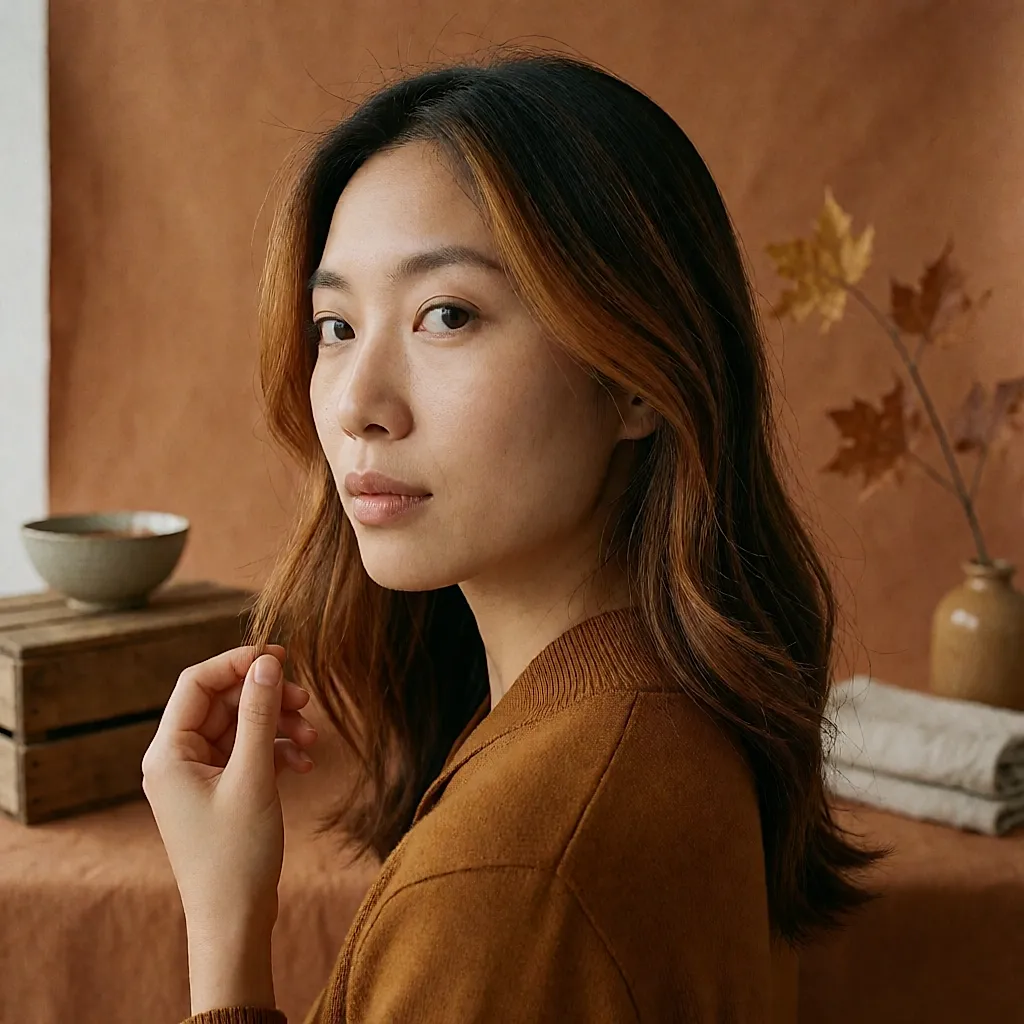
Light base: everything intensifies. On blonde hair, pure henna can turn a very definite carrot orange, especially on areas that have already been lightened or damaged, which drink up the colour. Hence the strand test: take a strand from your brush or from discreetly under the nape, dye it with the actual paste and leave it on for the real development time. A little patience — that actual development time — and you'll avoid having to hide a disaster under a hat.
If a chemical colour is coming afterwards
The question comes up often, and it's not trivial. Before a chemical colour, it's better to talk to your hairdresser: they can advise on compatibility with your hair history and adjust their formula, or refuse if they think it's too risky.
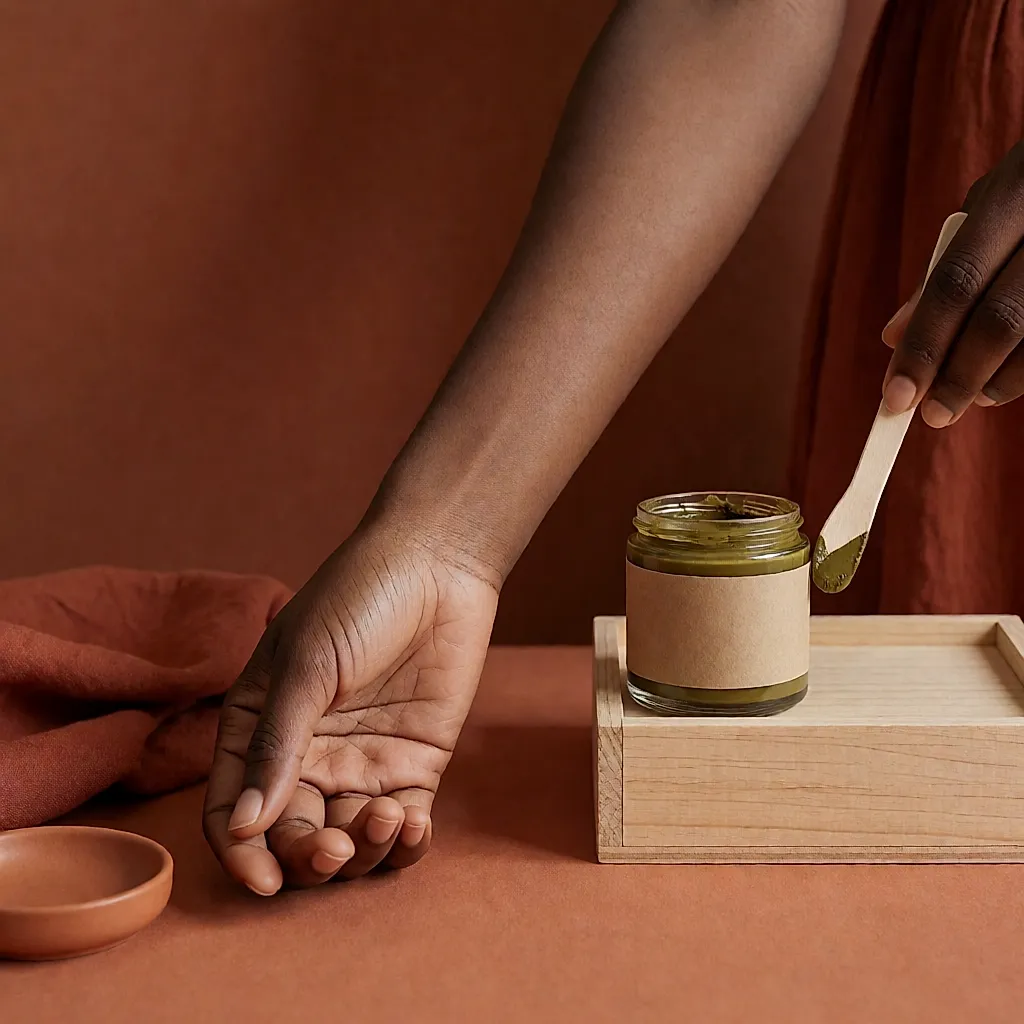
Note the date of your henna: it's useful information for them. Pure henna isn't 'risk-free' either — an allergy is still possible, as with any dye — so in practice, a patch test beforehand is advised: it's never time wasted.
The packet checklist: one single plant (Lawsonia inermis) for a true red; indigo listed for brown; if the ingredients list shows additives or ingredients you don't recognise, put the box back. And mix in a glass or ceramic bowl, not a metal one.
What it costs
Pure powder is often the cheapest: expect to pay in the region of £5–£15 for 100 g loose, from a health-food shop, a pharmacy or an Indian grocer — enough for several applications depending on hair length. Boxed blends cost around £8–£20, with no guarantee that the formula is any more reliable; add a pair of gloves, and an old bowl you've repurposed will do the job nicely.
In a salon, a 'plant-based colour' service sits at around £50–£120 depending on the city, hair length and time spent. More expensive, but you're paying for a diagnosis of your base and a hand-mixed blend.
In the end, the question isn't 'henna or no henna' but 'which henna, for which result'. If you want a luminous red and can live with lighter-looking greys, a pure powder is more than enough. If you're after a blended brown, you'll need a blend — and you'll need to read the list all the way to the end. And if a chemical colour is on the horizon, tell your hairdresser before, not after: it's the one thing you can still do when you've only got five minutes.

Comments
Your opinion matters: rate the article, react and reply to comments.
Comments are moderated; AI-assisted comments are flagged. Text emoticons (8-), :-), <3…) are automatically shown as images.