

It's eight in the evening, the car arrives in forty minutes, and the bathroom mirror delivers its verdict without mercy: your skin looks tired. So you add a layer of foundation, then another, and your complexion turns… opaque. In red-carpet photographs it's the exact opposite: the light seems to come from underneath the skin. And that finish is not decided in the last twenty minutes.
What luminous skin actually shows
What strikes you in those pictures isn't the colour or the texture; it's the way the light catches: a soft sheen along the top of the cheekbones, a clean line down the bridge of the nose, a bright point just above the upper lip. The rest of the face stays matte, almost plain. Nothing shines; everything reflects.
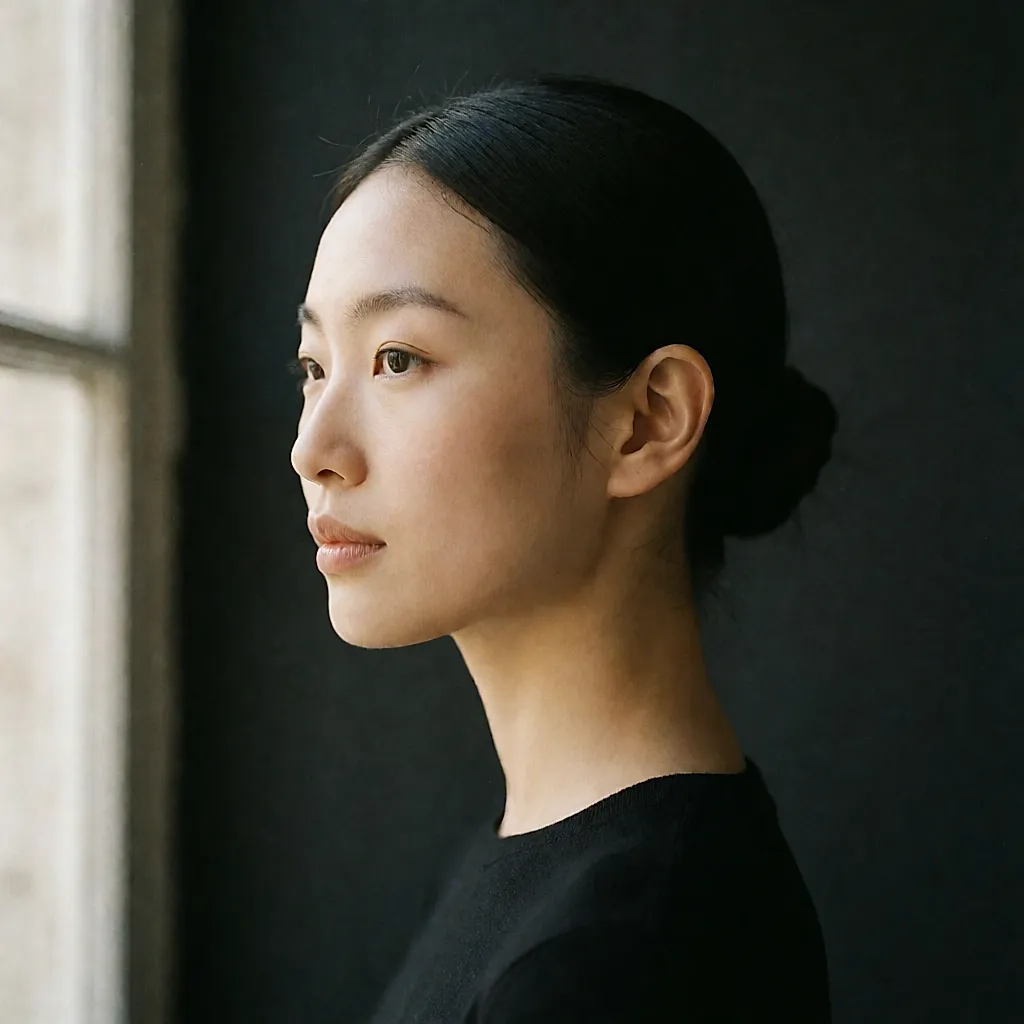
That detail describes a method more than a product. Properly prepared skin bounces light unevenly, like satin rather than vinyl — and no layer slapped on in a panic can imitate that. I obviously haven't seen the scene for real, only what the photographs let you guess at. But the logic transfers straight to a Thursday dinner, and that's where it gets interesting.
Hydration, in thin layers
The opening move comes down to one word: thin. A lotion or a fluid serum, in a small amount, patted in until absorbed, then you wait. In practice that usually means a minute between passes — long enough for the first layer to sink in rather than sit on the surface. Two light layers beat one thick one — but why? In practice, piling on more than your skin can comfortably take can leave a film under your make-up.
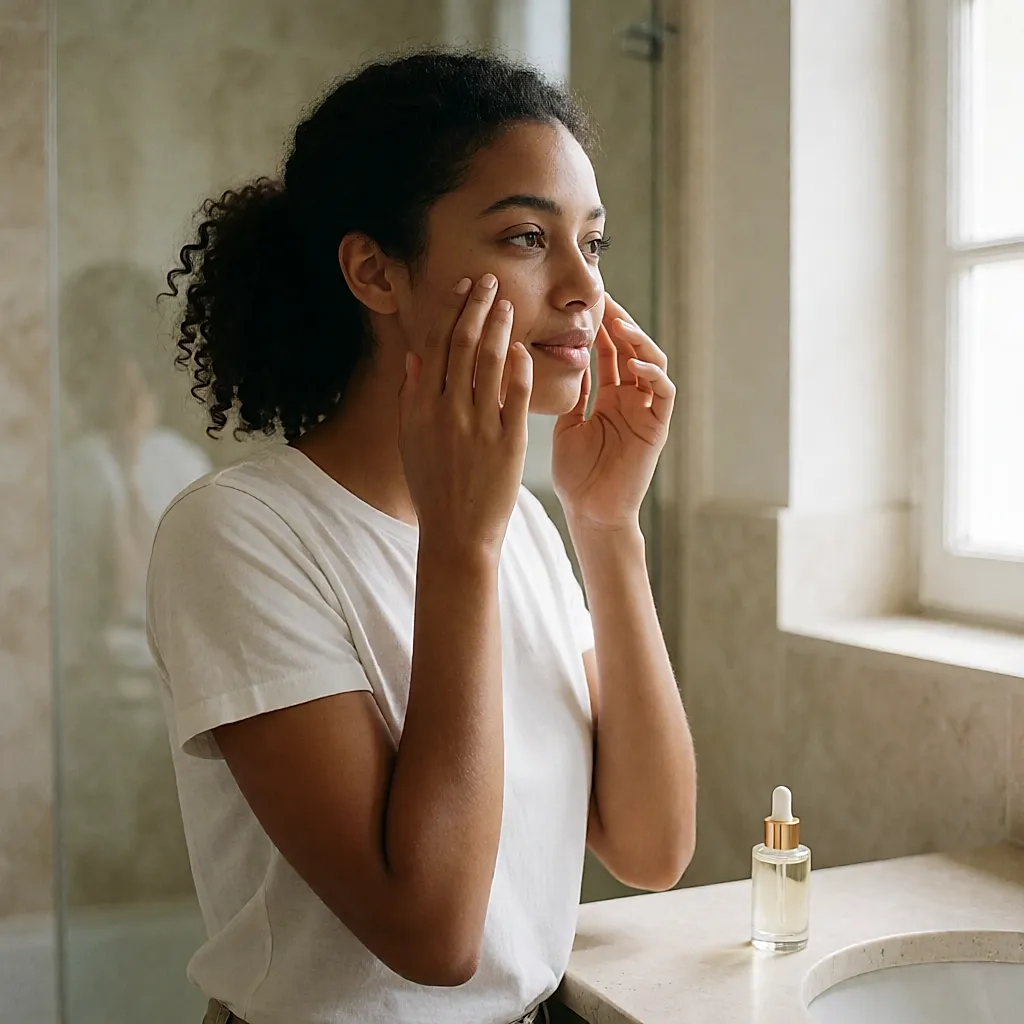
A rich cream applied three minutes before foundation can pill: those little balls that roll under your fingers and that you discover, in full light, once it's too late. A bit like a pair of jeans that forgives less than you'd like — whatever hasn't had time to settle shows straight away.
Primer is not foundation
The most common confusion: assuming primer is a lightened foundation, or the other way round. In the sequence, primer is a step of its own — it smooths the surface and creates a film for the foundation to glide over instead of catching on dry patches. Mixing the two in your palm — the temptation of a rushed morning — can dilute both: the primer may lose its grip and the foundation its coverage.
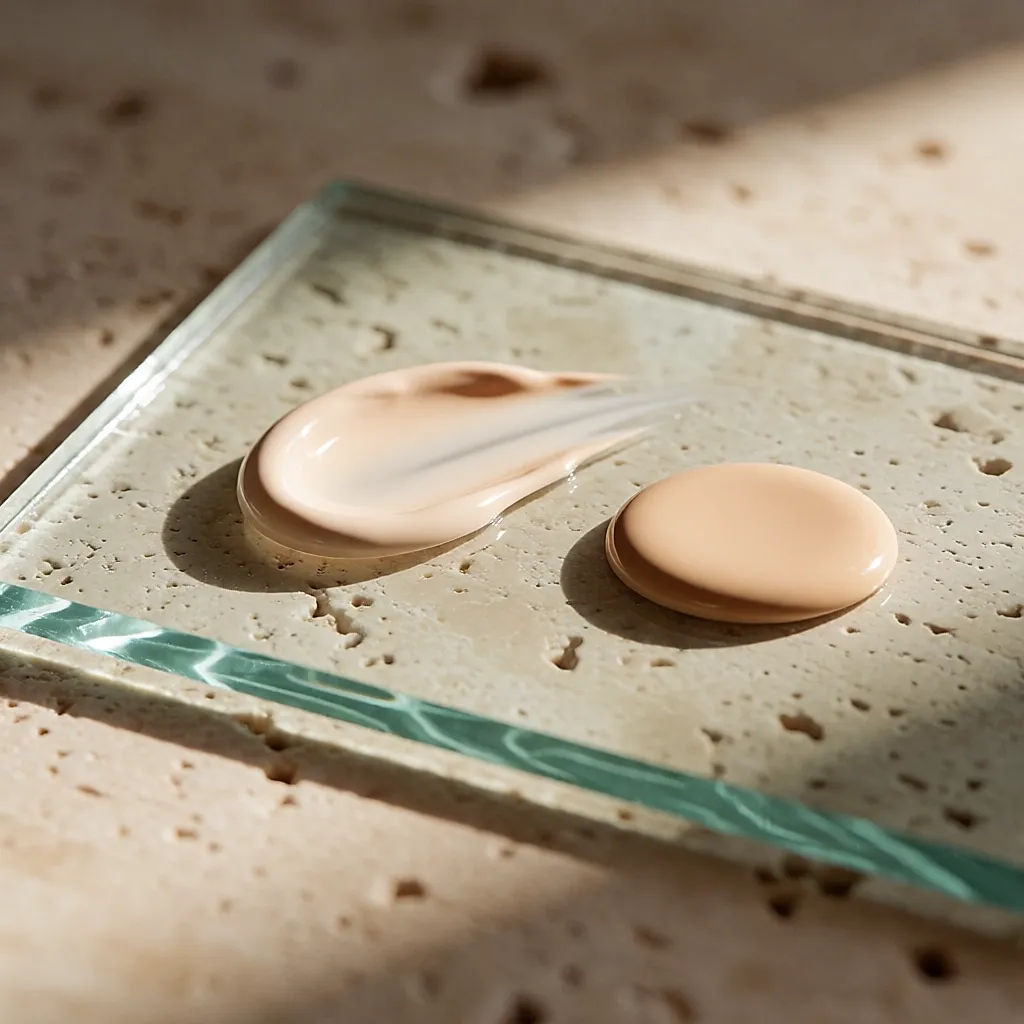
Second point, and it matters just as much: you don't cover everything. Primer applied all over the face when only your cheeks feel tight gives you that uniformly flat finish that adds years. Target the areas that need it and let your forehead breathe. And when skin is dehydrated, no primer will create an illusion: it smooths the surface, but it doesn't replace moisturiser.
Light sits on the high points
Here, quantity is everything. A touch of luminous product — not a pea-sized amount, a touch — warmed between your fingers, then patted onto the high points: tops of the cheekbones, brow bone, bridge of the nose, Cupid's bow. Three or four taps, never ten. Anything hollow stays matte: that contrast is what creates the impression of light. Contrast, not a spotlight.
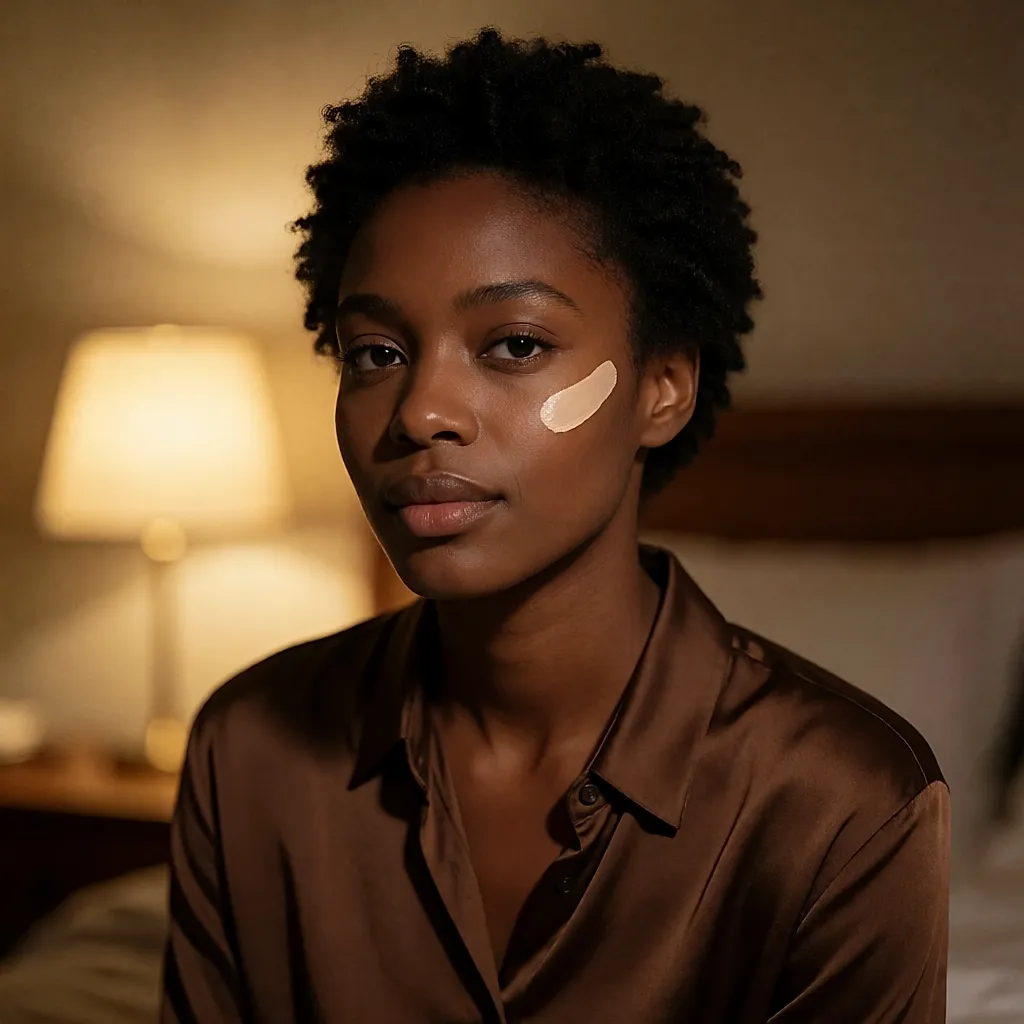
What kills a glow in one second? Translucent powder swept everywhere out of habit. Keep it for the T-zone, or skip it entirely if your foundation is already powdered. And be wary of very pearlescent textures over make-up: they can pick out every last bump, which is nobody's request on a Tuesday evening.
Order matters more than the list
Let's go through the sequence again, because that's where everything is decided: gentle cleanse, hydration in layers, a minute's wait, targeted primer, light foundation, light on the high points, powder where needed. The same products in a different order — highlighter before foundation, powder before highlighter — and the result can change completely. It's the order of the steps, not the size of your make-up bag, that makes the difference.
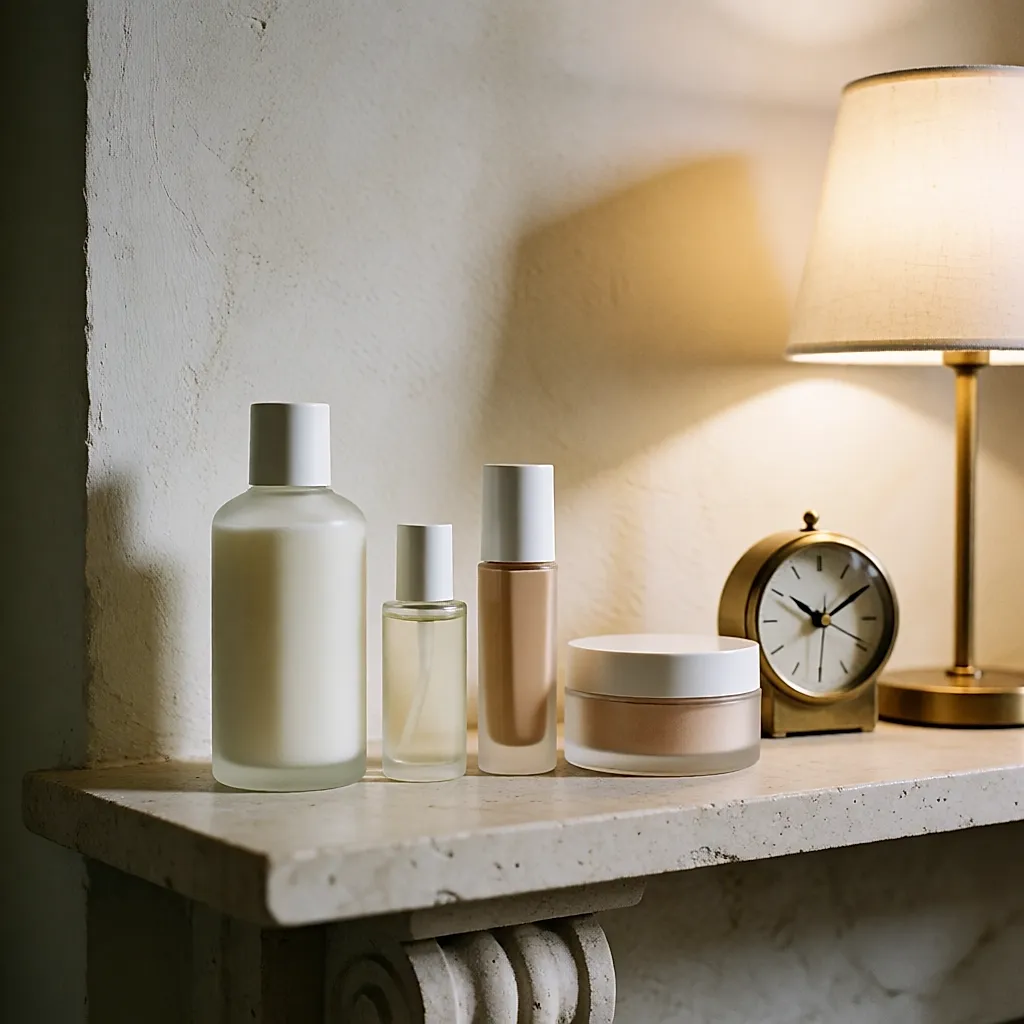
Then there's time. Dinner at 8? Start at 7.15, not 7.50: that buffer between hydration and make-up is worth more than any last-minute addition. And in the evening, a richer layer than in the morning, applied without rushing, sets you up for the next day. The red-carpet glow starts the night before — less of a selling point, but true.
The five-minute version. One thin layer of lotion, applied while you set everything else out on the corner of the dresser, primer only on the cheeks and nose, a light foundation, a touch of highlighter on the cheekbones, powder only on the forehead. It won't look red carpet. It will look rested — and on a Monday, that's plenty.
Ultimately, the red carpet and the Thursday dinner follow the same rule: light isn't added at the end of the process; it's prepared. If you take only one thing from this, make it the waiting — a minute between layers. It's the one that survives when you've only got five minutes, and oddly enough, the one that changes the most.
What it costs
For your wallet, the routine described here doesn't require a department-store counter: as a rough guide, around £10 to £25 for a lotion or fluid serum, the same again for a primer, £15 to £40 for a light foundation, £8 to £20 for a translucent powder and £10 to £30 for a highlighter. The spread comes down to brand, size and where you buy — high-street chemist, beauty retailer or online. The real expense is accumulation: two well-chosen formulas beat ten half-used bottles.


Comments
Your opinion matters: rate the article, react and reply to comments.
Comments are moderated; AI-assisted comments are flagged. Text emoticons (8-), :-), <3…) are automatically shown as images.