
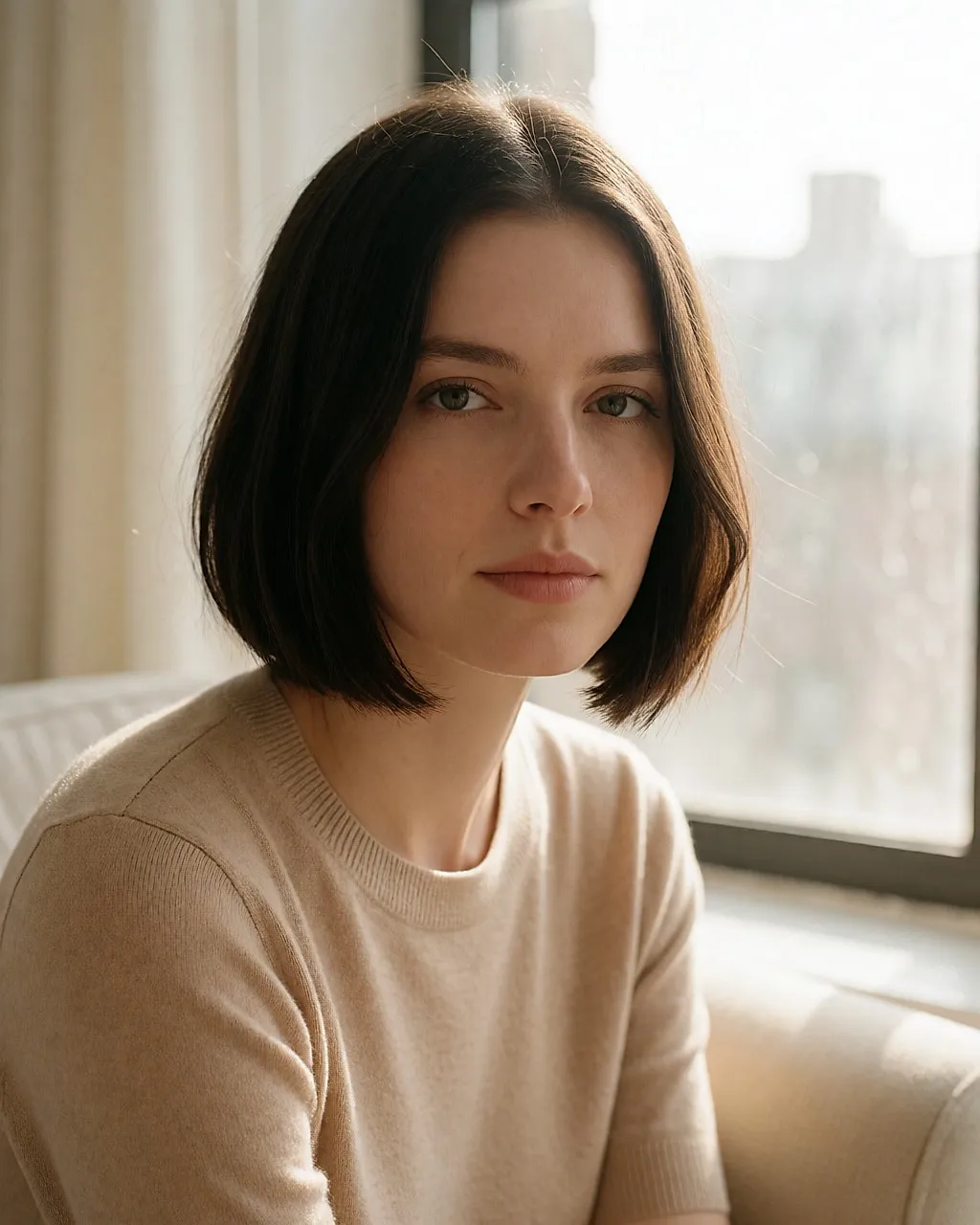
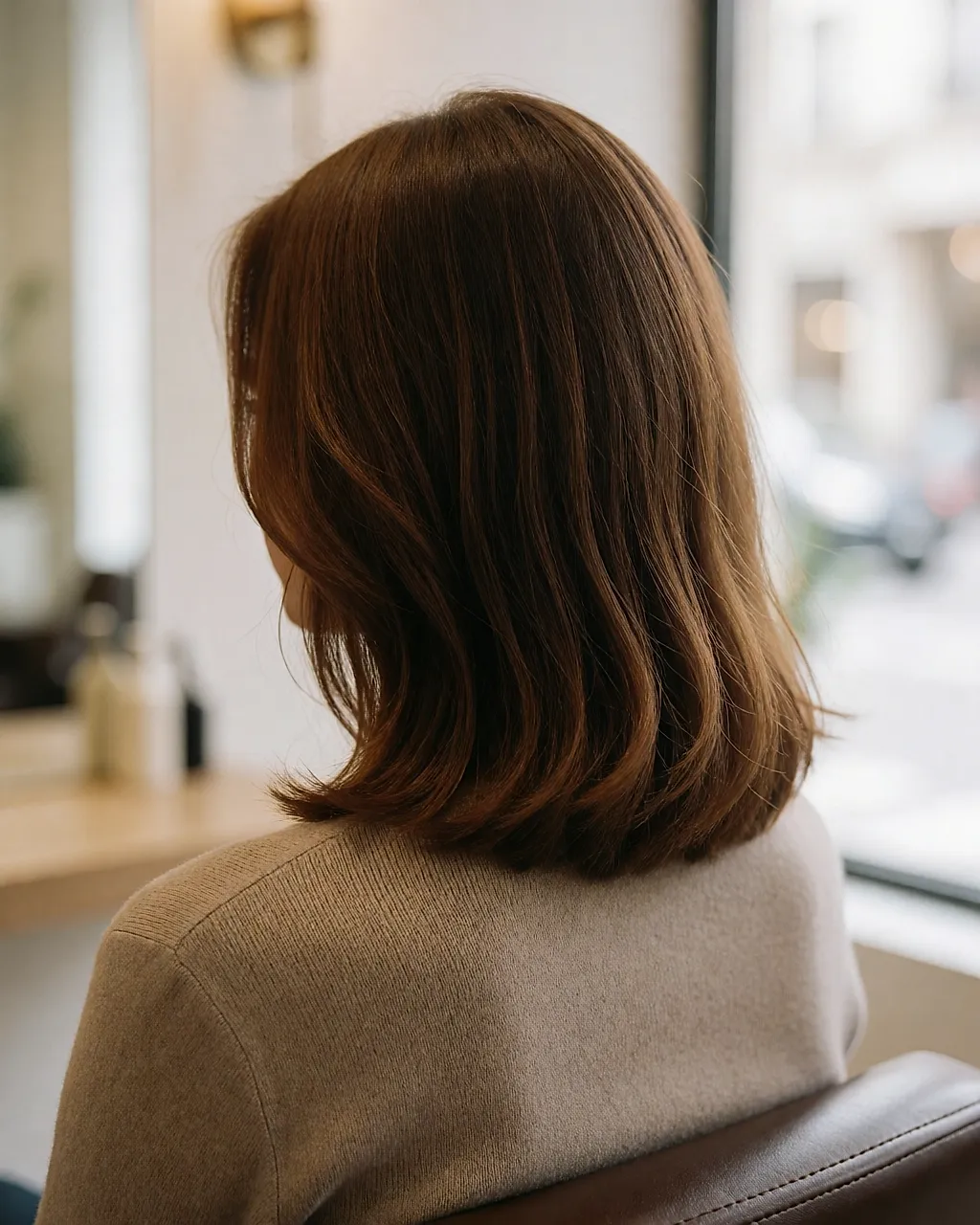
You've held that photo at the salon before and said you wanted that. And you've watched the result drift away from it. In reality, a cut spotted on a red carpet is never copied exactly; it's adapted: your hair density, growth pattern, face shape, and above all the time you're willing to spend on it in the morning. So what's still leading this year, and what should you know before you sit in the chair?
The bob is still out in front
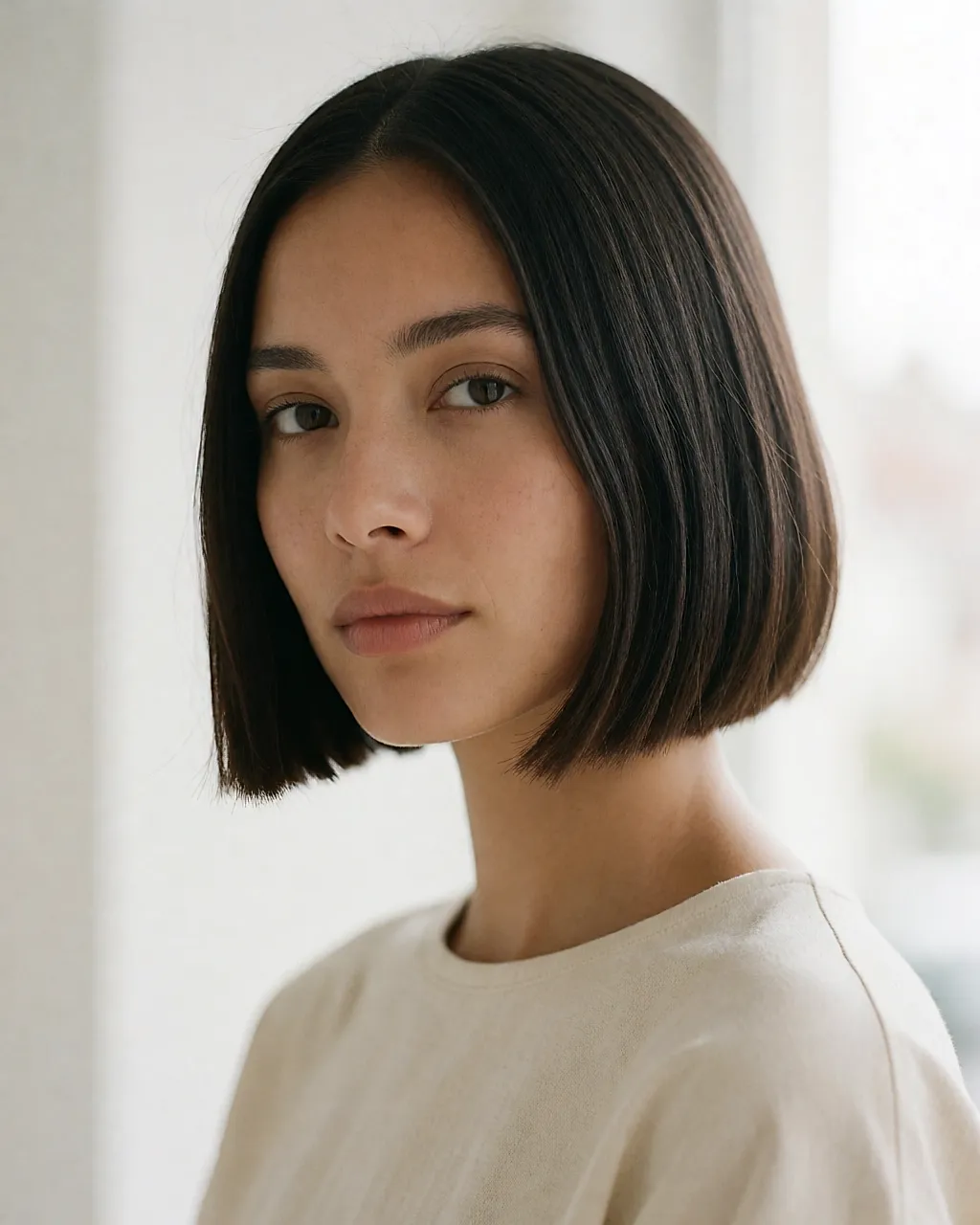
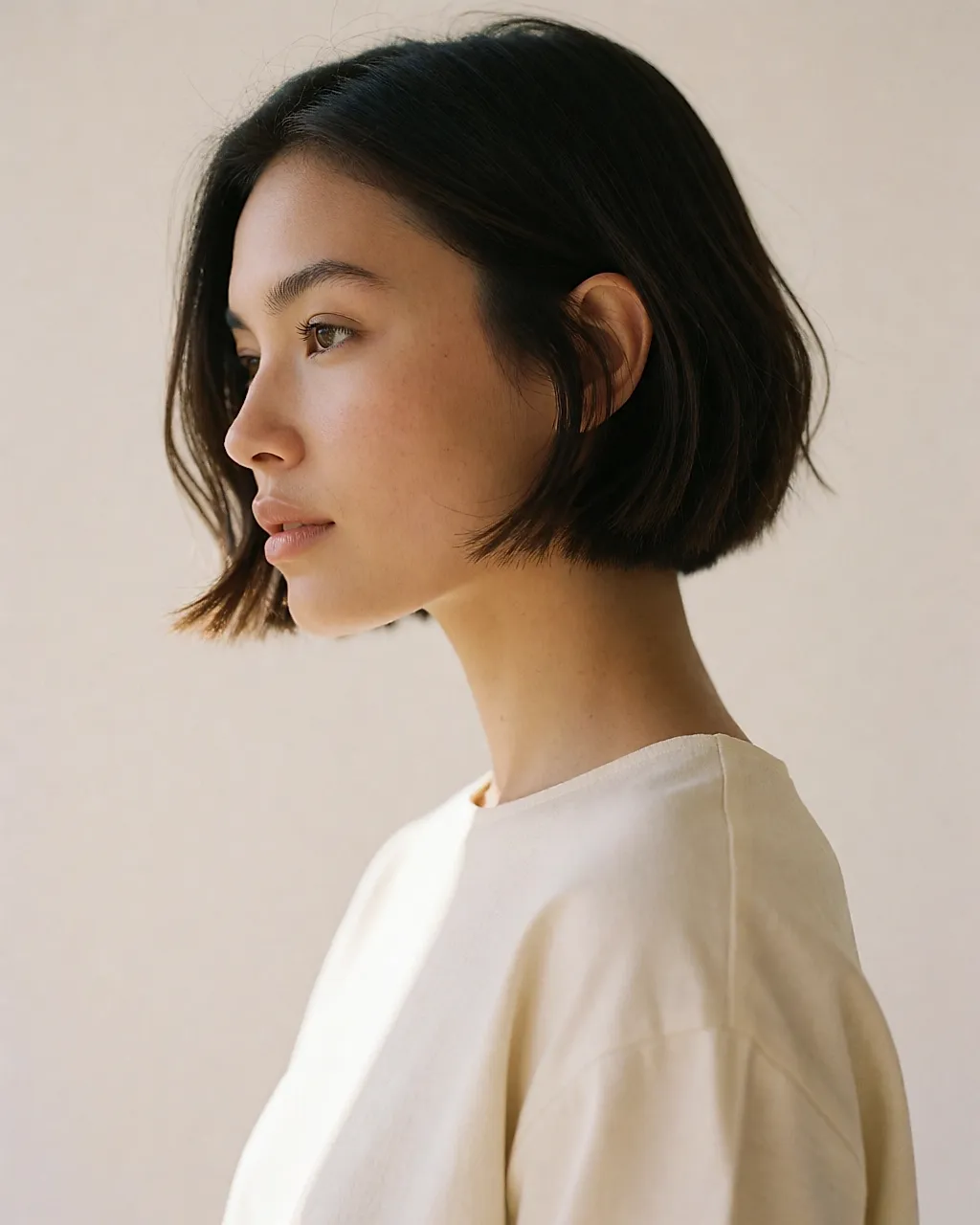
The bob has never really left the spotlight, and it isn't going anywhere soon. The version that made its mark is the one seen everywhere on red carpets: layered bob, thick fringe, glossy brunette. The one doing the rounds now is sharper — sleek bob, centre parting, jaw length, often styled with a flat brush. A shorter, rawer version is also around, cut close to the chin with very little layering.
Watch the trap: the sharp bob is unforgiving. Fine hair, an unruly texture, and the line breaks. Ask for soft layering through the ends to keep movement without losing the shape. That's the difference between a bob that moves and one that looks helmet-like.
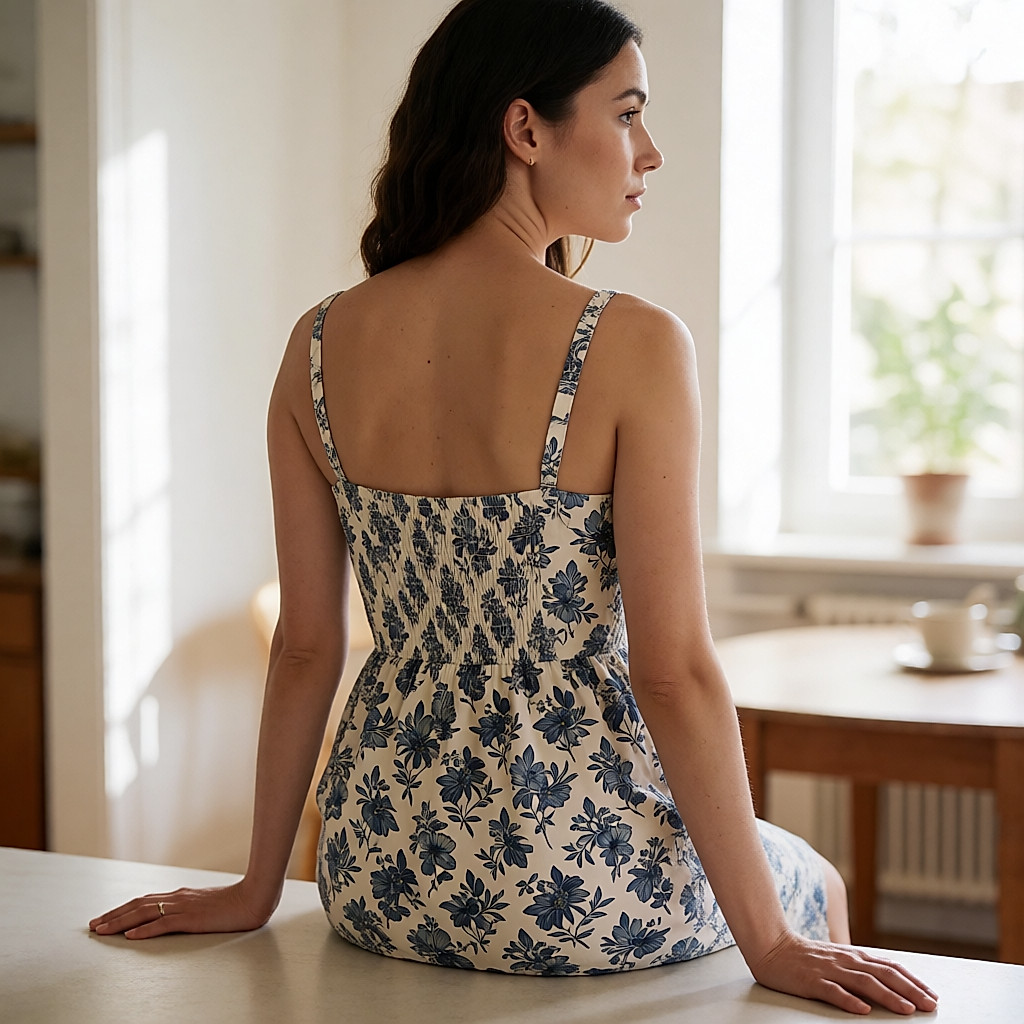
Length with movement
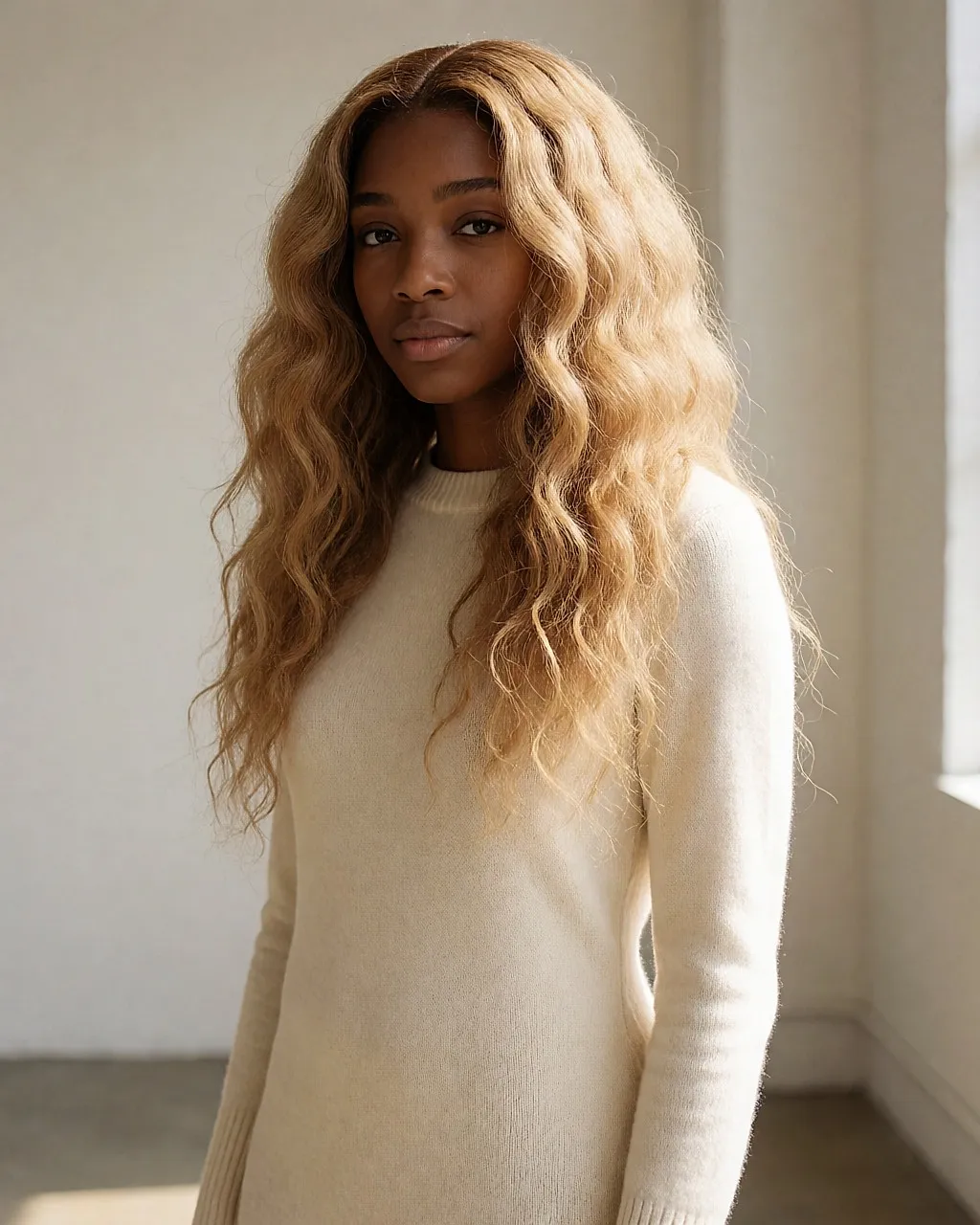
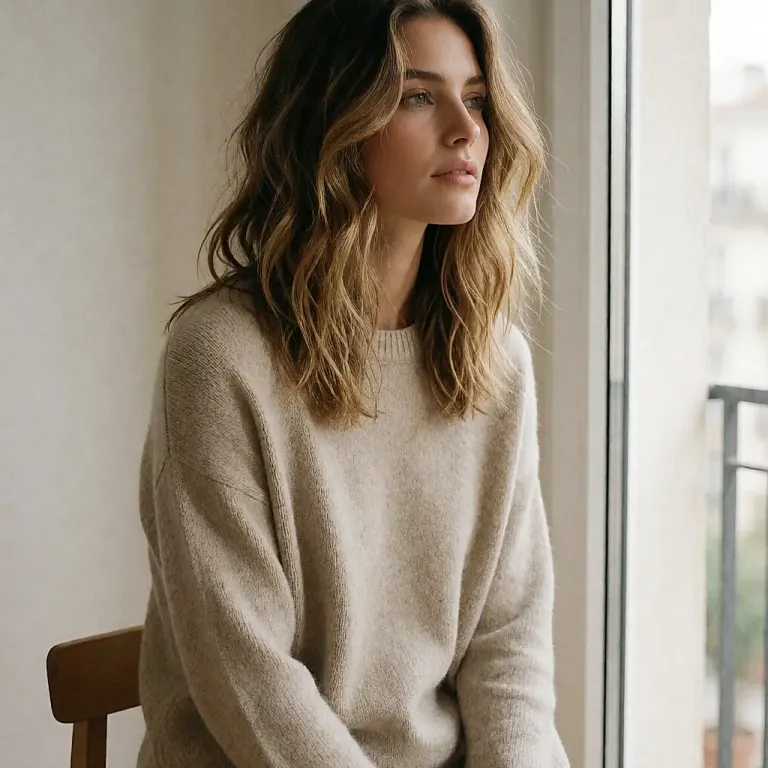
Length, yes, but movement. Two directions keep coming back: dense blonde waves, or honey-to-platinum blonde depending on your mood, with plenty of body. Easy to copy, provided you accept the upkeep — and let's be honest, that's the real issue.
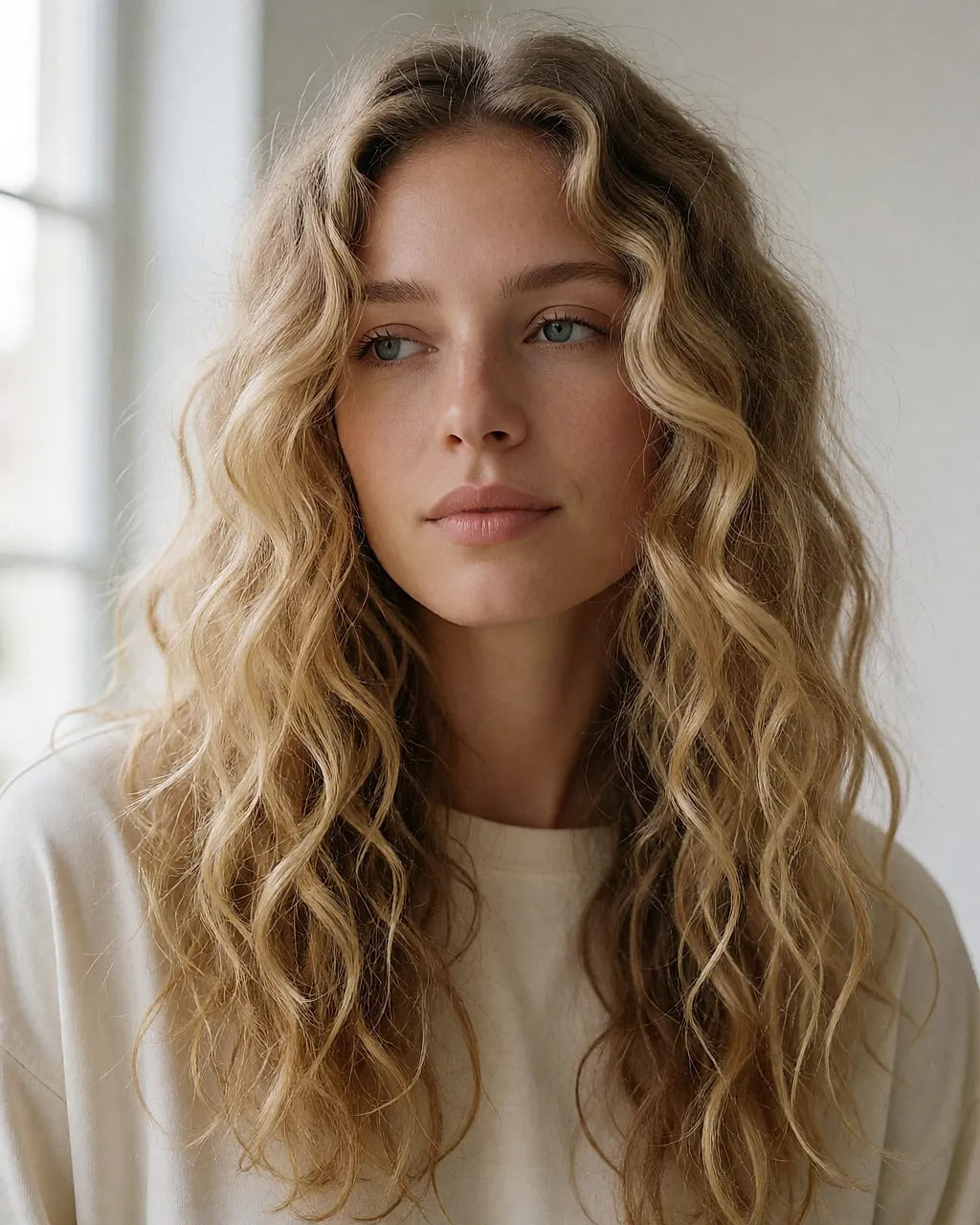
The step that makes the difference: a leave-in treatment on towel-dried hair, then blow-drying upside down to lift the roots. Nothing complicated, but it needs doing at every wash, not once a month. Here, the formulation matters as much as the cut: a rich texture with naturally derived actives — plant butters, oils — nourishes the hair without weighing it down, whereas a formula loaded with silicone coats the hair but leaves it feeling artificial by day two. A simple routine, repeated, is better than an intensive mask used three times a year.
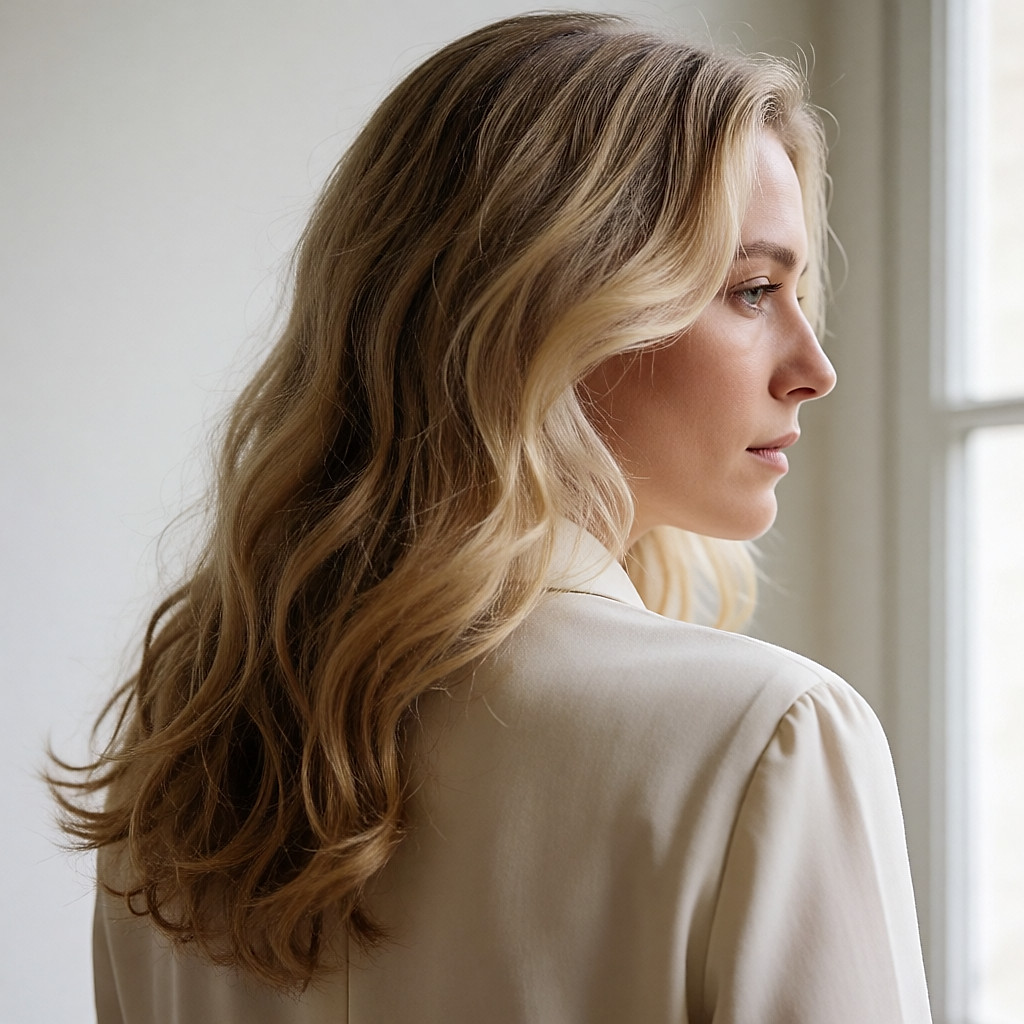
A fringe changes your face
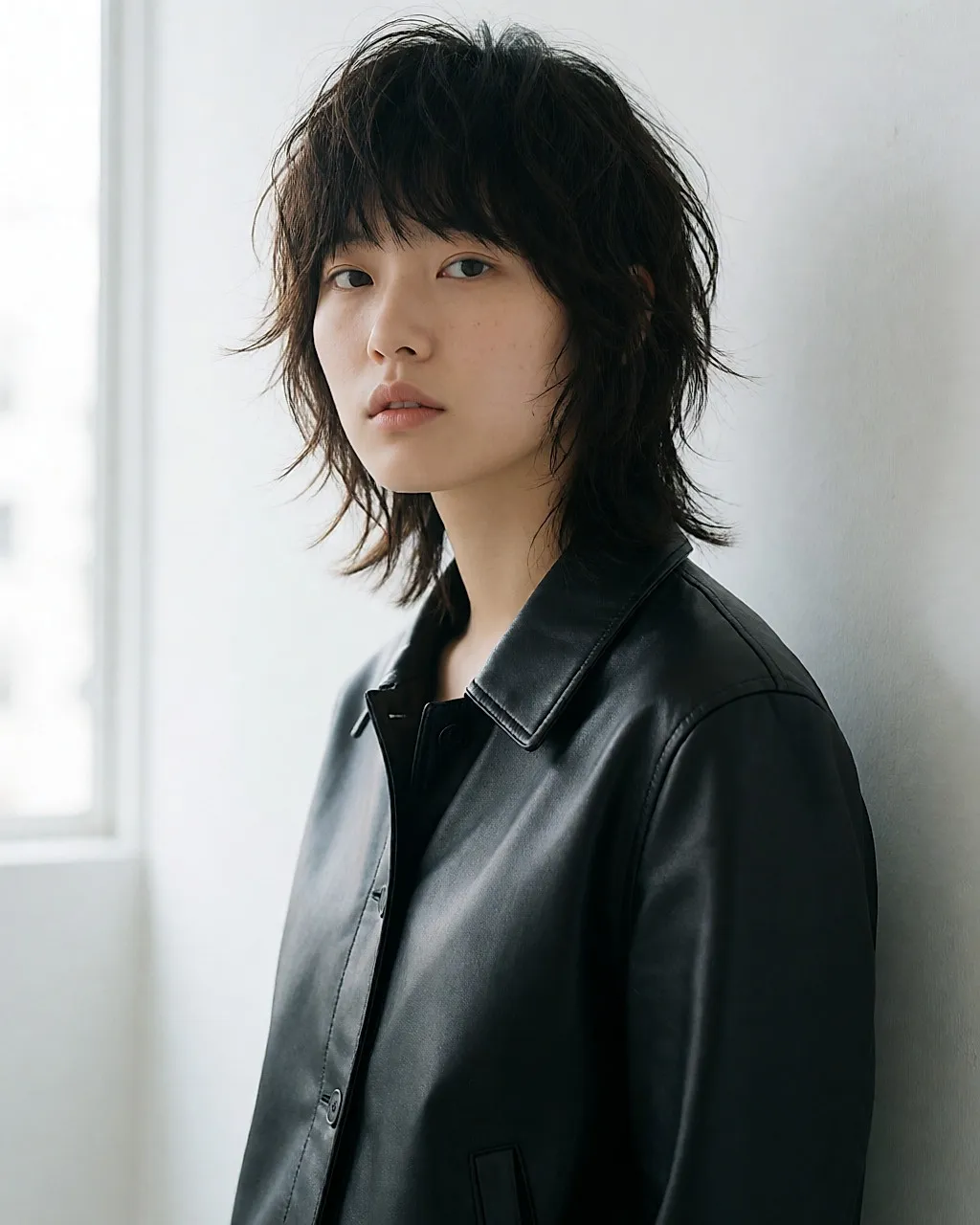
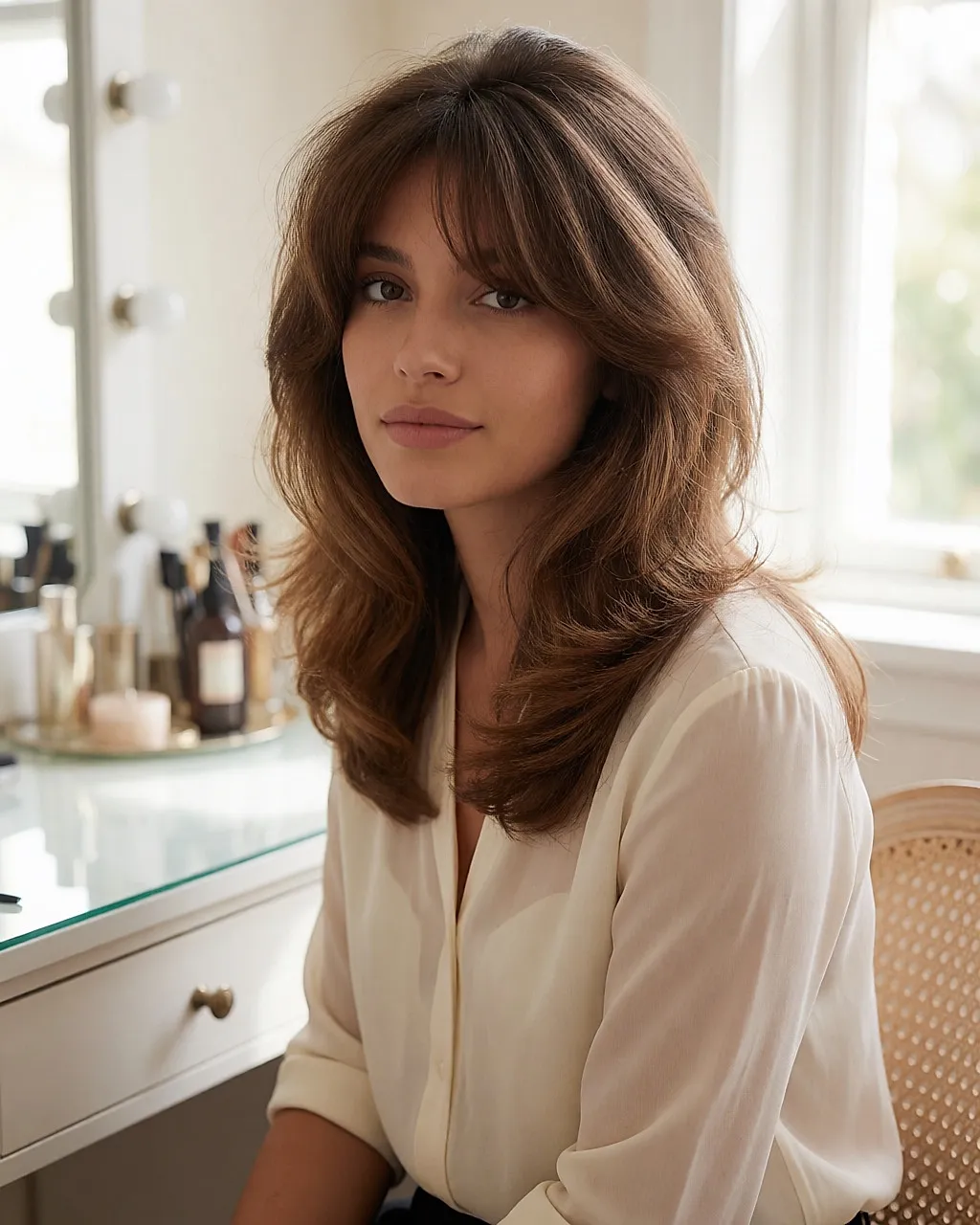
Here, it's less about colour and more about the fringe doing the work. On one hand, a shag with a full fringe, more rock'n'roll, shorter at the sides: plenty of attitude, but it can be a nightmare first thing. On the other, a bouncy blow-dry with a curtain fringe, much easier to live with day to day — you push it back, pin it, and you're done in two minutes.
What to ask for at the salon
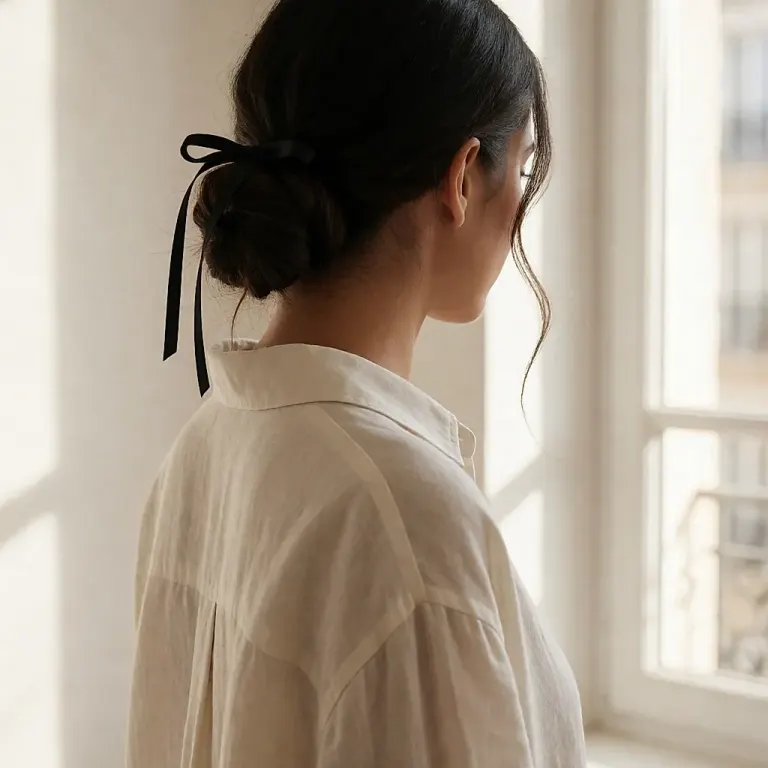
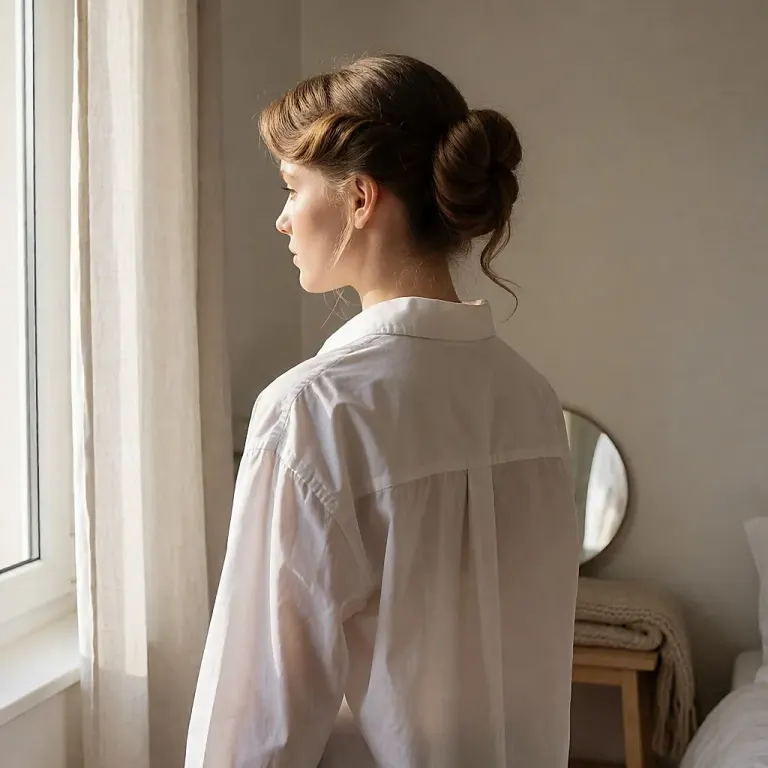
Three photos are better than one, taken in the same light: front, side, back. Be clear about the maximum length you're prepared to lose. Spell out your routine — without ten minutes with a brush in the morning, a cut that needs a blow-dry will fall flat by day two.

Also ask how the cut will age. An angled bob generally holds its line for a few weeks; a fringe needs trimming more often. That detail decides whether you'll still like your cut in two months.
Before you say yes: show the photo, but name what you like about it — the colour, the shape or the texture? Ask about wet length and dry length: they're not the same. Note the styling time you're quoted. If it exceeds your actual morning, change the cut, not the hairdresser.
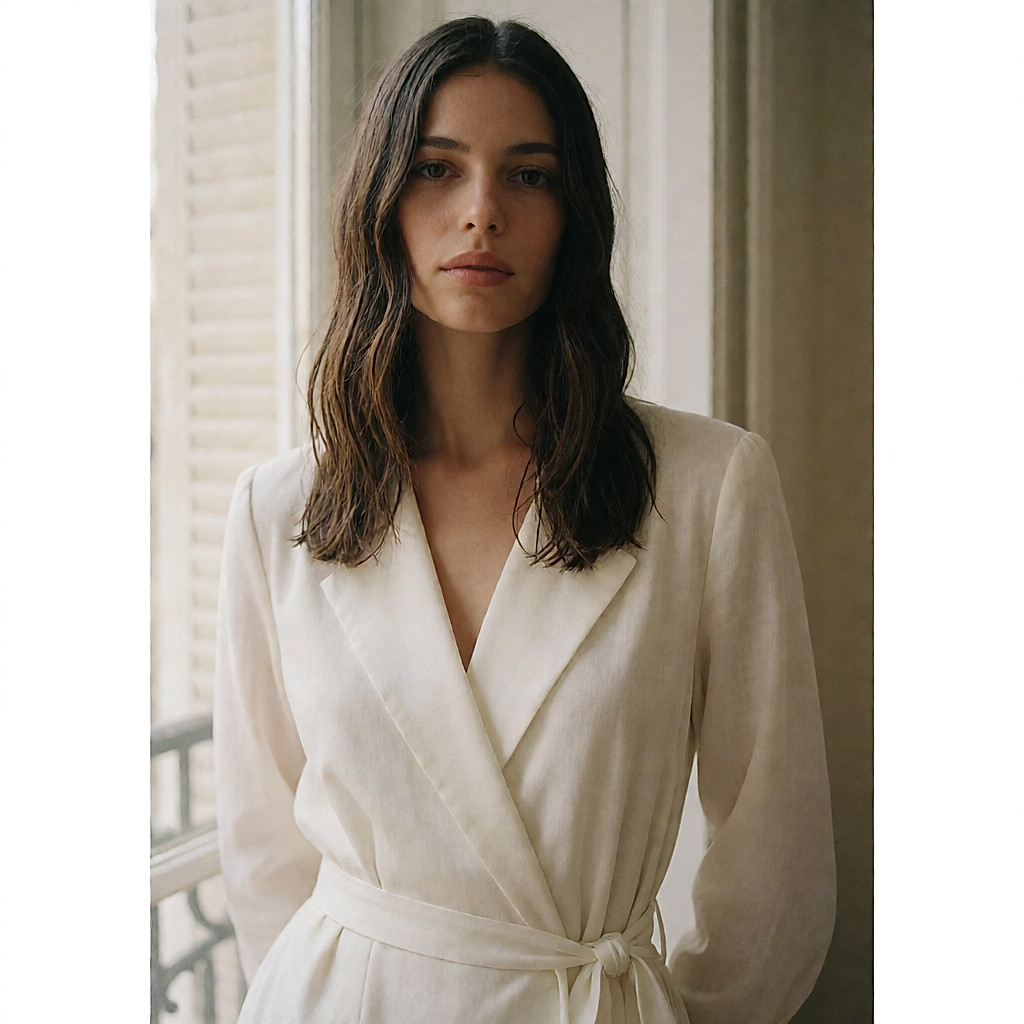
The three-photo test: no filter, same light, front, side and back. If you can't find three of the same person, it's often because the cut you admire owes a lot to precise lighting — and in that case, it's better to talk honestly to your hairdresser before they start cutting.
Budget
On price, in the UK, expect roughly £30 to £55 for a cut at a local salon, £60 to £100 in a city or with a stylist who specialises in face shape, and up to £150 with an in-demand stylist. A full colour is around £70 to £140, balayage around £120 to £250: the bill rises with length, density and the number of foils. A blow-dry on its own costs £25 to £45.
What changes the price: the city, the salon's reputation, time spent, products used. Good news if your budget is tight: hairdressing colleges charge much lower prices, under a tutor's supervision — and you often find very keen students there.
At home, box dye costs £8 to £15 in supermarkets, with limited results on dark hair. At pharmacies, health and beauty retailers or online, expect £15 to £30 for a shampoo or mask certified Cosmos Organic — a standard run by organisations including Ecocert, which sets rules on the proportion of naturally derived and organic ingredients. Two things to check before you pay: the formula and its naturally derived actives on one side, the packaging and what happens to it afterwards on the other (glass, refills, card). Local manufacturing, where that information exists, is still a real plus. I haven't tested these for you: they're things to look for on the label, not recommendations.
Sources
- Ecocert, COSMOS Organic standard — ecocert.com
Comments
Your opinion matters: rate the article, react and reply to comments.
Comments are moderated; AI-assisted comments are flagged. Text emoticons (8-), :-), <3…) are automatically shown as images.