
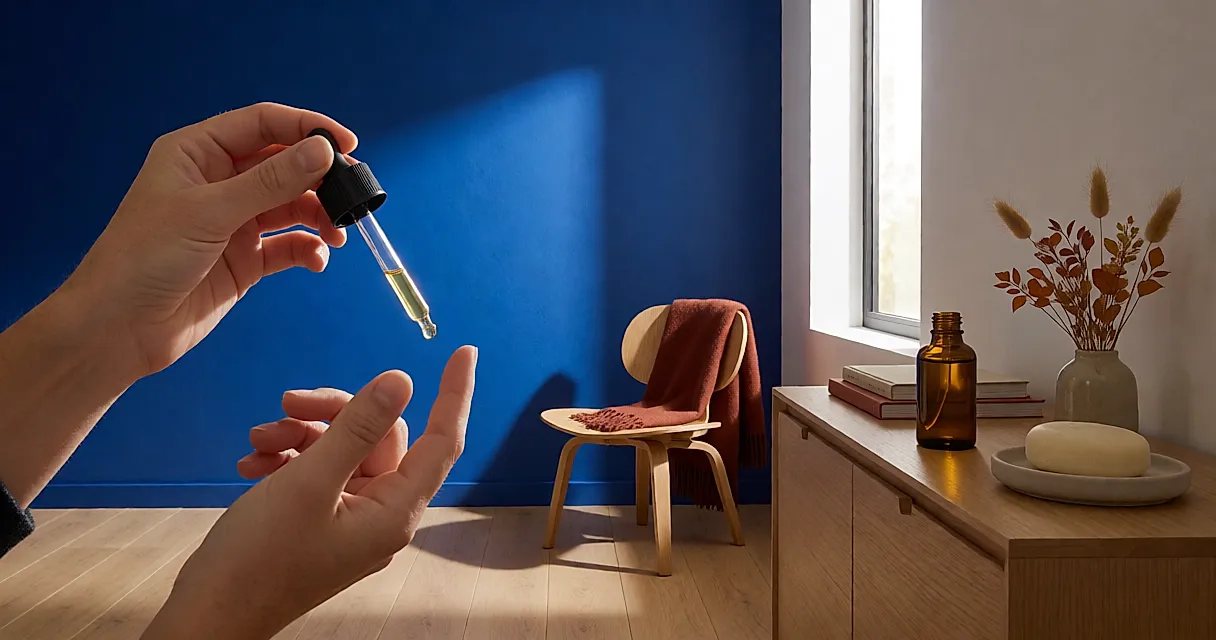
A serum stays on your skin until bedtime. A cleanser has already gone down the plughole while you were still hunting for a towel. Same aisle, same promises printed on the bottle, wildly different contact times — and that is exactly where a budget goes off the rails.
So let's set a simple rule: one fixed pot of money, not topped up along the way, and a single criterion for dividing it — how long the product actually spends on your skin. Not the brand, not the number of actives listed in tiny type on the box. A few moments on one side, a whole night on the other: these two products are not doing the same job, so why would we pay the same for them?
Contact time is what counts
A rinse-off product works against the clock. It has seconds to lift sebum, leftover make-up and city grime, then it disappears. Its job is short, almost mechanical, and technique often carries more weight than formula: emulsify for a few moments with a little water, rinse with lukewarm water, don't let it dry down. A pleasant texture and a clean rinse already do most of the work — no prestige ingredient list makes up for a careless rinse.

A leave-on product is the reverse: it stays put for hours, under the duvet, under tomorrow's mascara, under the office air-con. Its formulation has to hold up, sink in without tackiness, and not make foundation pill. This is where the formula genuinely matters, and where the budget deserves to move.
Does that mean paying a lot for the second group and a lot for the first as well? No. And that is the whole point of the method.
What goes down the drain
Cleanser, scrub, rinse-off mask, cleansing oil: they all leave the stage before they have had time to settle in. You can go ahead without agonising over it: a well-made gentle gel, a solid bar cleanser or a simple oil will do. What makes the difference here is format, scent and how tolerant your skin is. Not the price.
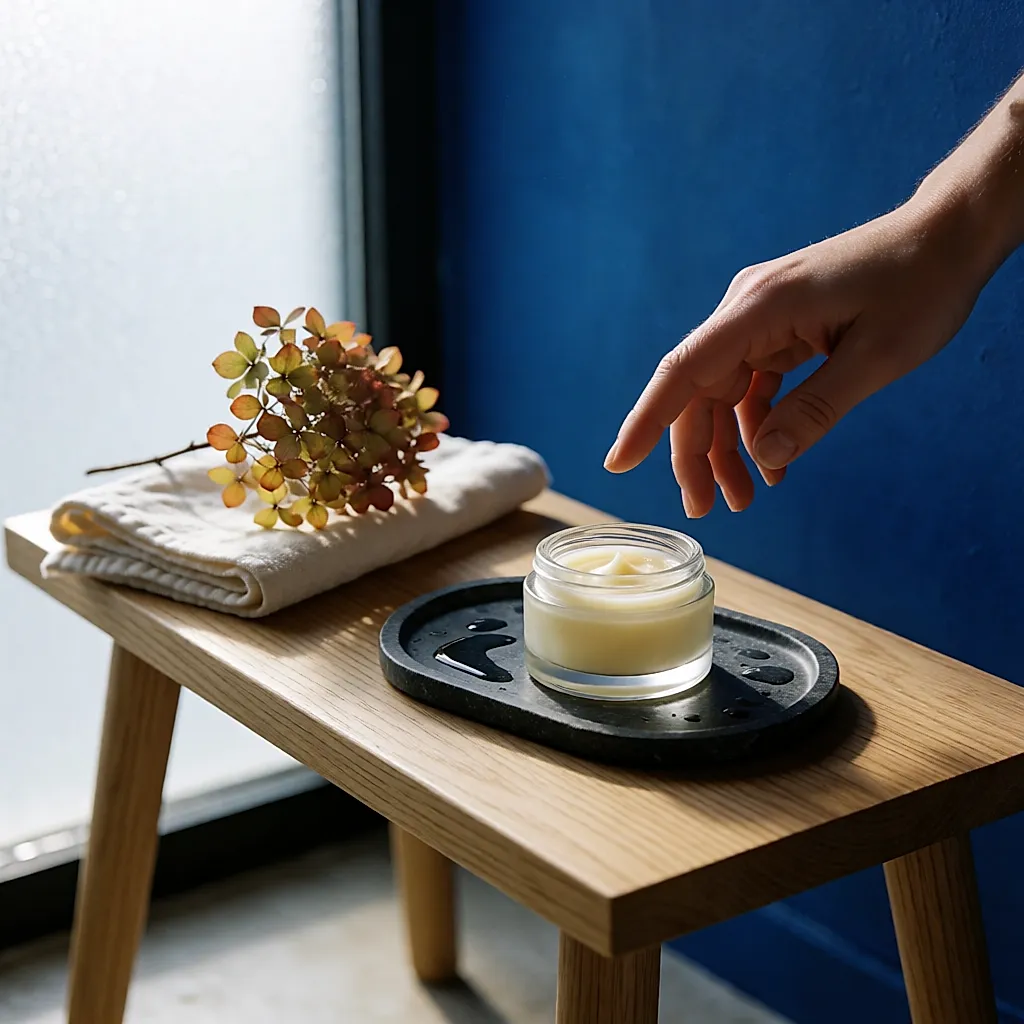
One caveat, though: a cleanser that strips your skin can cost you more in soothing products than it saves. If your skin feels tight after cleansing, that is not a sign of a better clean — it may simply mean the formula has stripped it. And the tube of soothing cream that follows was not in the original pot of money.
What stays on your skin, and what you pay for
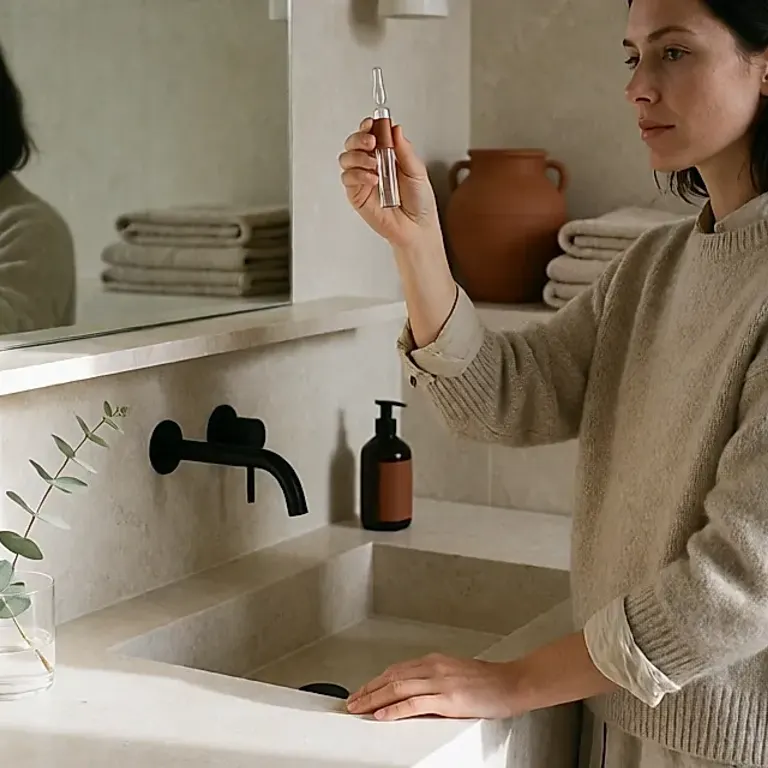
Serum, night treatment, morning SPF: these stay on your skin for hours at a time. On that basis, they deserve your best budget. Not your biggest budget — your most considered one. A serum whose texture you dislike will never get finished; an SPF that leaves a white cast will stay in the drawer. You pay first for what you will genuinely use, not for what looks good on the shelf.

And I would rather say it plainly: I can't give you a neat timescale for results. Consistency of use matters more than the price on the bottle, and if a product lasts you three months without you having to force yourself, you have already won.
Fewer products, better chosen
Pouring your budget into four products you abandon after ten days is the classic scenario. The opposite — two decent products and a routine you actually keep up — usually brings more peace of mind. The practical compromise? A solid, waterless cleanser that lasts months and slips into a weekend bag. Or a serum in a glass bottle, refillable where the brand genuinely offers it, otherwise a large size you finish.
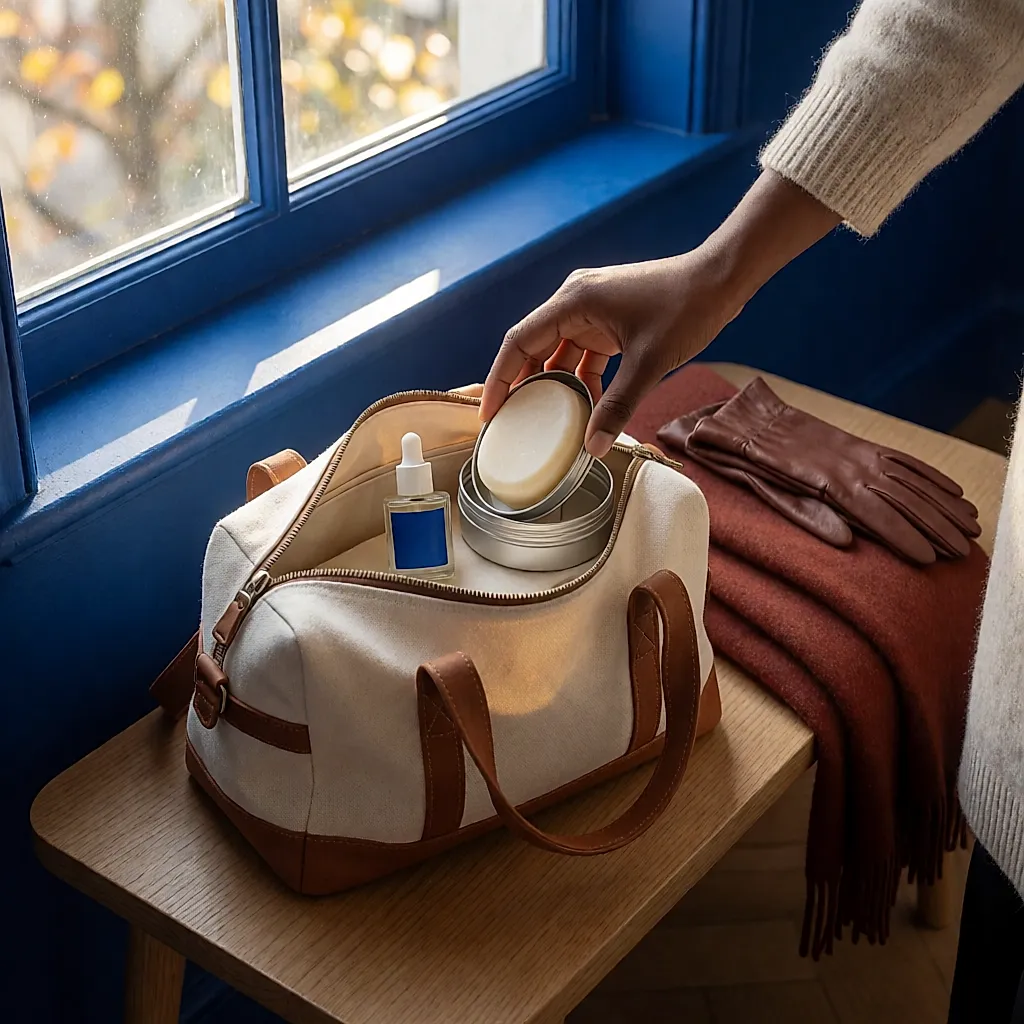
On packaging, be wary of the green claims: a refill is only worth anything if it exists and you actually buy it. Check the brand's own site before paying the "eco" premium — it sounds daft, but it saves disappointment.
Three questions before you reach for your card. Does this product rinse off? Then keep it simple, keep it gentle, keep to a format you enjoy. Does it stay on your skin for hours? Then compare textures, smell it, ask for a sample — that is where your day-to-day comfort is decided. And the last question, the most useful one: are you actually going to finish it?
What it costs
As a rough guide in the UK, you might pay between £8 and £25 for a face cleanser from a supermarket, a pharmacy or a health-food shop — a solid bar cleanser often costs between £8 and £18 and lasts several months. For a serum, budget £20 to £70 depending on concentration, size and where you buy: a department store beauty hall, a specialist retailer, or a natural skincare brand's own website. A facial SPF usually sits somewhere between £12 and £30.
The real lever isn't the total amount; it's how you split it. A modest cleanser that suits you and a serum you finish are worth more than a trio bought in a promotion, half of which ends up at the back of a drawer.
The one move that remains when you have five minutes and a tight budget: choose with the greatest care the product that stays on your skin, and let the rinse-off side stay simple. Your serum can stay on your skin for hours. Your cleanser has a few moments to do its job well. Not the same mission — no reason to pay them as though it were.

Comments
Your opinion matters: rate the article, react and reply to comments.
Comments are moderated; AI-assisted comments are flagged. Text emoticons (8-), :-), <3…) are automatically shown as images.