
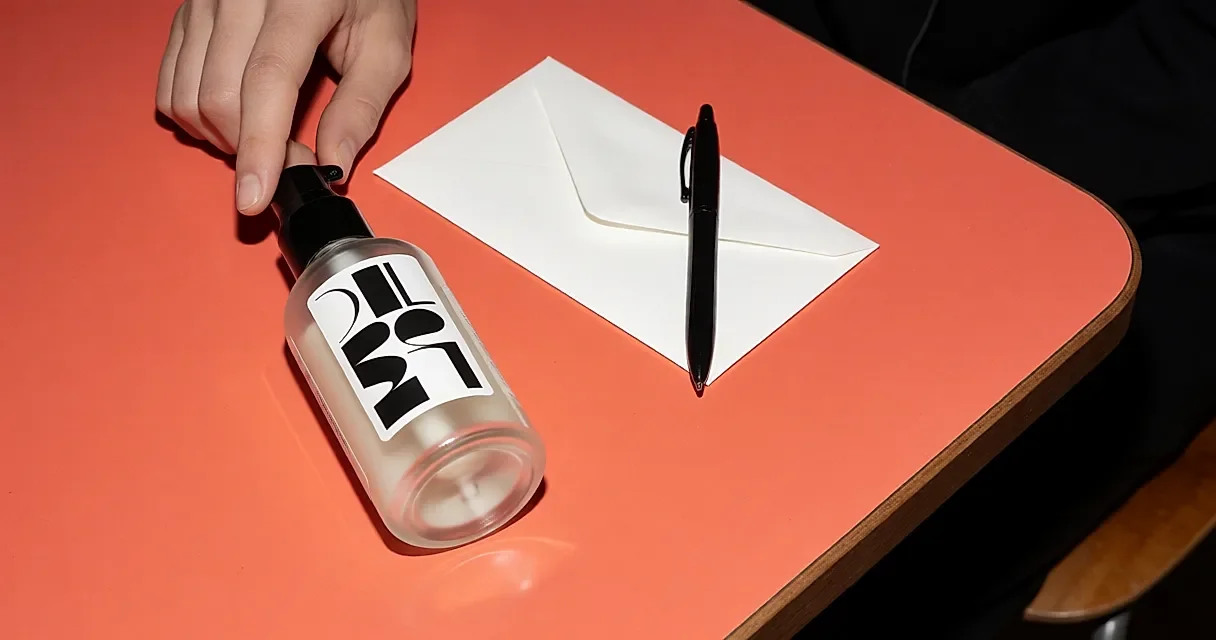
On the shelf the bottle looks lovely, the claims on the front are polished, the price is refreshingly low — and right at the bottom of the label, a Chinese lab name nobody around you recognises. That is exactly the name worth learning to read. The new Chinese wave in skincare is no longer just a shortcut to a bargain: it arrives with formulas, claimed actives and a brand vocabulary that deserves the same scrutiny as a £60 serum.
A low price is neither a red flag nor a reason to buy
With Chinese skincare, the reflex "it's cheap, so it must be dodgy" is dead — and so is its cousin, "it's cheap, so I'll take it". A £9 bottle can hold an honest formula; a £45 one can get by on fragrance and a nice story. The price on the tag tells you nothing about quality, in either direction.
What has changed is the pitch. Chinese brands setting up in Europe now talk about named actives, percentages, textures, sometimes patents. Sometimes it is solid. Sometimes it is decoration painted on a box. Which leaves one method that holds up: judge on the evidence, not on the country of origin or the price tag. And yes, that means five minutes of reading in the aisle — five minutes more than you had budgeted for.
The name in small print that matters most
On the label, look for the Responsible Person: a name and a UK address. On an imported Chinese product that name may belong to a UK distributor rather than to the original brand — that is normal, and it is the distributor who has to answer. They are the designated contact if something goes wrong: a reaction, a faulty batch, a claim that doesn't add up. It is a legal requirement, not a nice extra. If the name is missing, the real question isn't "is the formula any good?" but "who do I write to if this goes wrong?".
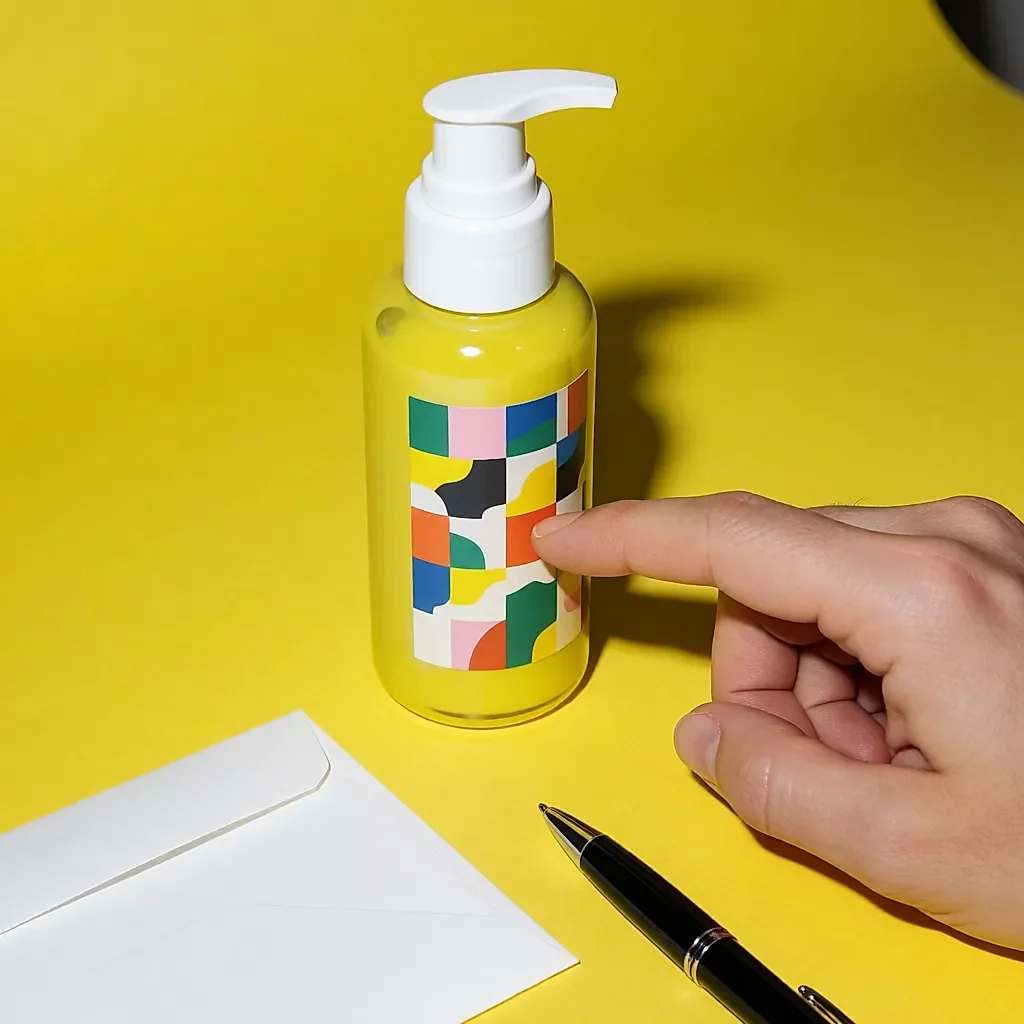
Check the leaflet and the English-language information too, along with the batch number and either the minimum durability date or the PAO — that little open-jar symbol with "12M" inside, telling you how long the product keeps once opened. On a product imported from China, the English labelling is not a detail: it is part of the basics. Expecting it isn't snobbery; it is the minimum for a cosmetic sold in the UK. A brand that lands on the shelf without those basics is asking for your trust while giving nothing back, and that is a bad deal even at £8.
What a Chinese formula actually changes
The INCI list on the back is still useful, but on an imported Chinese product the real test lies elsewhere: the translation, the clarity of the claimed actives, and the difference between "extract of" something and an actual dosed active. A plant extract can be in there at a few drops and still make a lovely name for the front of the box, whereas a stated percentage (2% niacinamide, 5% panthenol) says more — provided it refers to the active itself and not to a "complex" the brand has invented. On Chinese serums and essences the claims often centre on named actives, which does not change how you read the label, but does make clear translation and clear labelling all the more important.
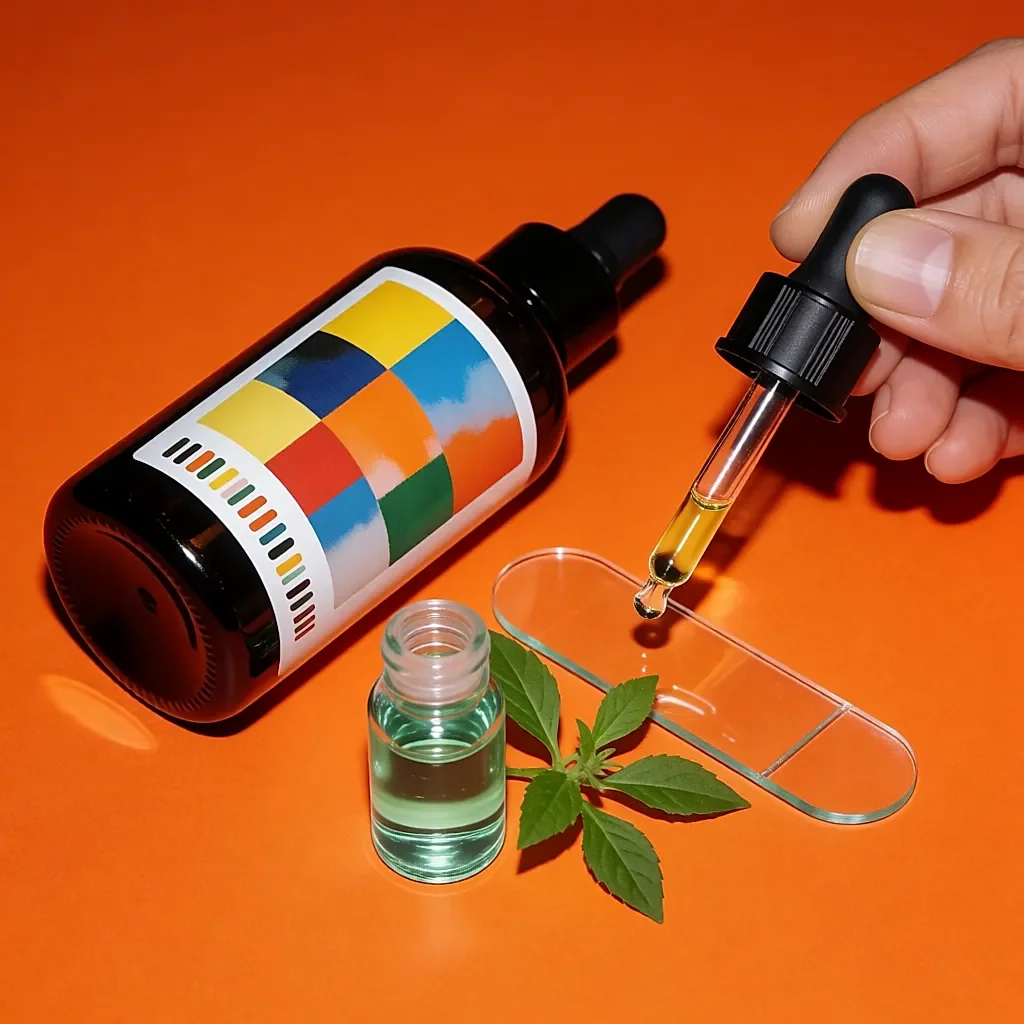
Then there is the format. A fragile active in a wide jar, opened every morning, loses some of its point; a heavily fragranced texture may suit one skin and not another. Ask yourself what you will actually do with the product: three drops at night on clean skin, or nothing at all because the bottle is too pretty to open? It sounds daft, but that is often where the gap between buying and using opens up.
When proof is just a sales line
"Clinically tested." "97% satisfaction." "Visible results in four weeks." These lines are not untrue by nature — they are simply incomplete. Three questions are enough to put them in their place: who ran the test, on how many people, and over how long? An in-house protocol on twenty volunteers and a published study are not telling the same story, and both can sit on the same carton.
Evidence turns into an argument when it is undated, unsourced and undetailed, and you are asked to read it as a result. That is not necessarily dishonest: it is marketing. The move that changes things is to treat it as exactly that — one element among others, never the only reason to buy. If a brand documents everything precisely, all the better: it does not make the product magic, it just makes the case more credible. With Chinese skincare the claims sometimes arrive translated, so the question about the protocol stays exactly the same.
Three checks before you commit: read the ingredient list and its English translation; look for the name and UK address of the Responsible Person, even when the brand is Chinese; ignore percentage claims that come with no date and no protocol. Five minutes, no money spent, and far fewer bottles left at the back of a drawer.
Ultimately, Chinese skincare no longer needs the door held open out of pity for its price tag: it is asking to be judged like everything else. A readable formula, a contact you can identify, proof you can check — the rest is stagecraft. And if you are still dithering, keep this one reflex: buy the product you could explain to a friend in three sentences. If you dry up, put the bottle back.
Comments
Your opinion matters: rate the article, react and reply to comments.
Comments are moderated; AI-assisted comments are flagged. Text emoticons (8-), :-), <3…) are automatically shown as images.