

A half-open jar, a tiny "12M" printed beside it, and hardly anyone stops to look. On a cut-price cosmetic, that little symbol and the batch code stamped underneath are the only two bits of print that tell you what you're actually buying. Everything else — the crossed-out price, the "last one" sticker, the dust on the lid — is a story about stock, not freshness. So it's worth learning to read two lines of characters before you reach for your card.
The batch code is the product's ID
Look underneath the jar first, then on the base of the bottle, or crimped into the seal at the end of a tube. Sometimes it only appears on the back label, and sometimes only on the cardboard box — the one you bin within a minute of getting home. It's a string of letters and numbers, and it stops being a mystery the moment you know it is a batch code: one specific production run. Two identical jars on the same shelf can carry different codes, and that's completely normal.
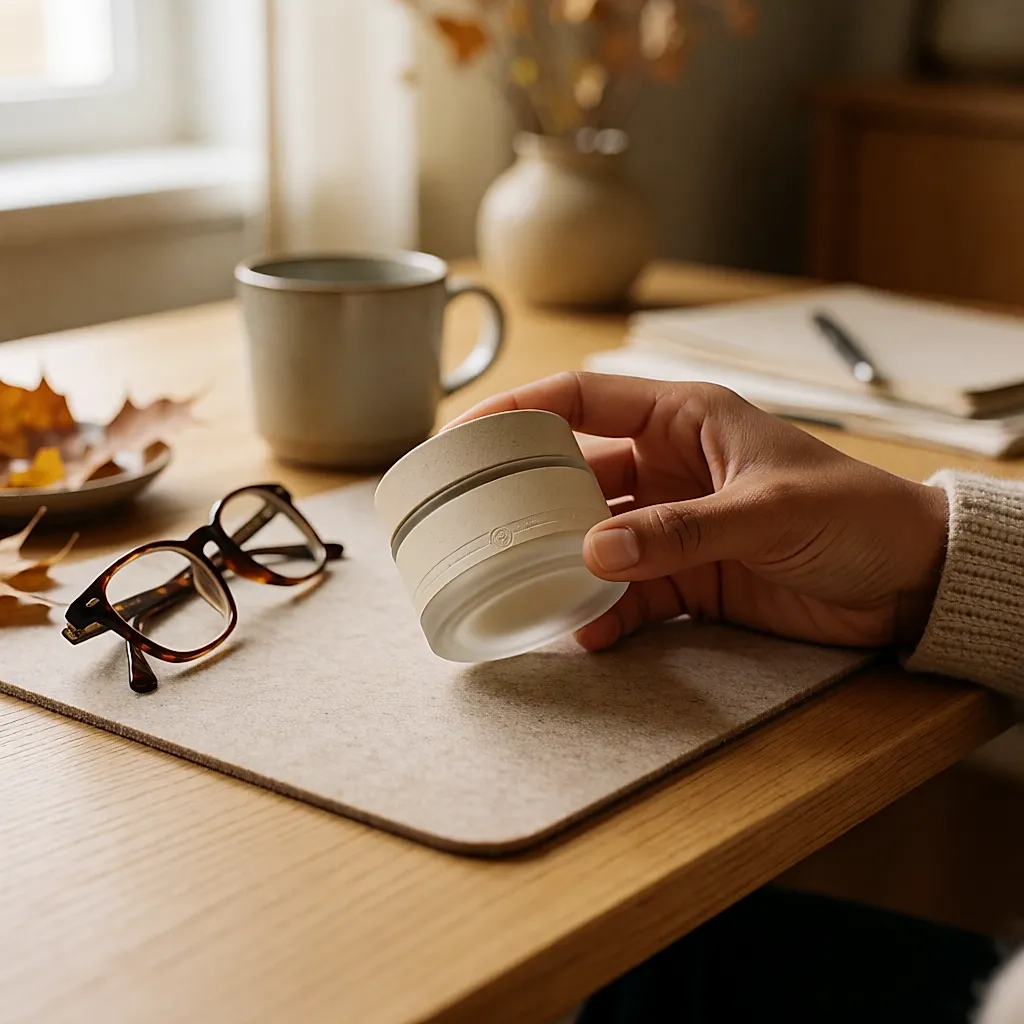
Why bother? Because when a cosmetic is pulled from sale, it's almost never "the product" as a whole: it's one batch. Recalls are published as safety alerts — in the UK by the Office for Product Safety and Standards (OPSS), and at EU level through Safety Gate for products sold across borders. If the code on your jar has rubbed off, you can't tell whether yours is affected. And a seller who can't give you the batch doesn't know either.
PAO and best-before dates measure different things
The period after opening (PAO) starts the day you unscrew the lid, not the day you buy it. That little open-jar symbol with its 6M or 12M tells you how many months the product stays good once it's been started. A jar that's been sealed for three years hasn't "used up" its PAO — but the formula inside may have aged in its packaging, and no symbol on the label measures that.
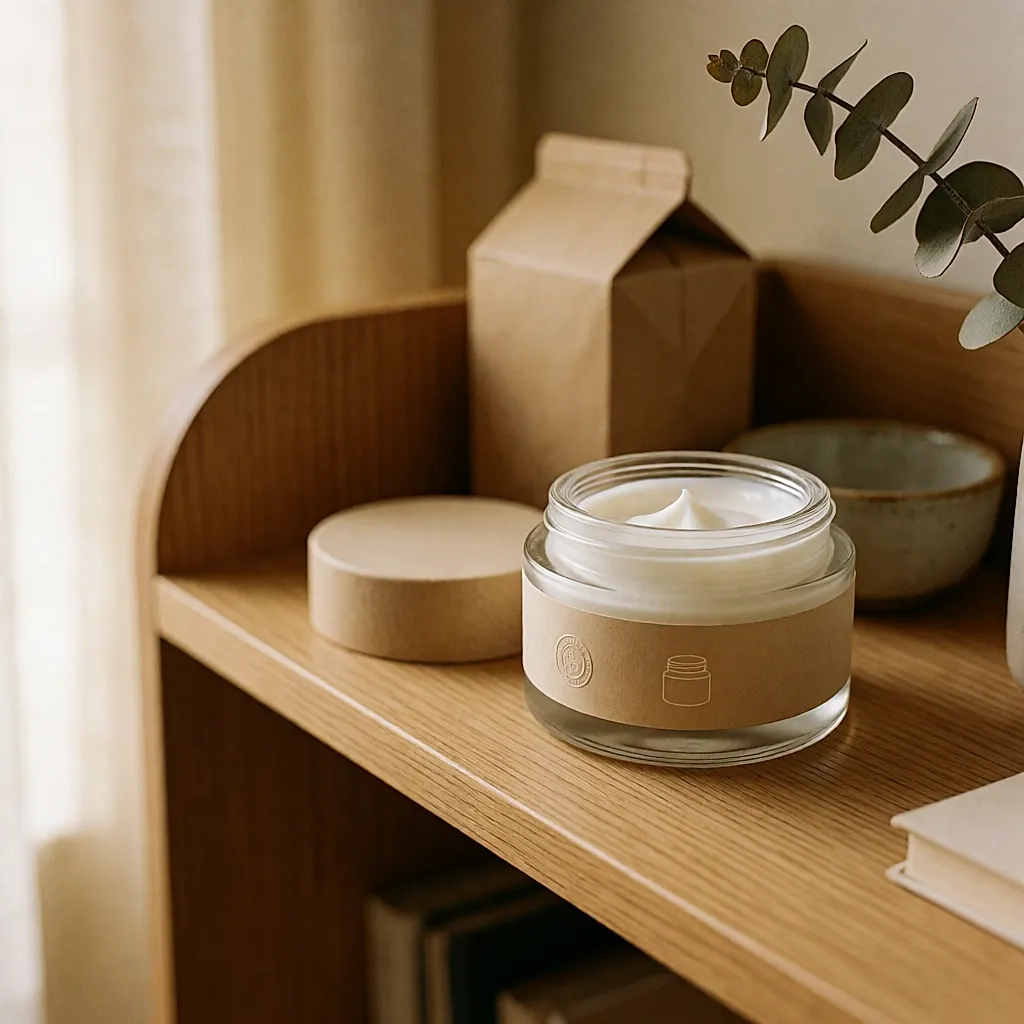
The other clock is the minimum durability date — the "best before end 03/2027" type of line. That's the limit while the product stays sealed; once you've opened it, the PAO takes over. What that means if you're buying surplus stock: a jar at 50 per cent off with six months left on it isn't a scam, it's a deadline you're agreeing to. Whether you'll finish it in time is your call.
What buying surplus stock really changes
A knocked-down price tells you nothing about the carton's history. A cream that spent the summer on a pallet in a 40 °C warehouse can turn up with a split texture or a smell that's turned — it doesn't happen every time, but it's the first thing to sniff when you open it. Second check: the foil seal. A product sold as "new" with no protective film and fingerprints on the thread may have been doing duty as a tester. Not the end of the world, but not the same product either.

There's also the question of how much you'll actually use. A serum bought two years too early, with a six-month PAO, will end up half-full at the back of the cupboard. The real sum isn't "how much am I saving" but "how much of this will I get through". 50 per cent off a 200 ml bottle you abandon in March costs more than a 50 ml at full price.
Where retailers actually show the batch code
Some surplus and outlet sites list the batch, the best-before date and sometimes the manufacture date — that's a good sign that the retailer is serious, and it costs nothing to check before you order. Others stay vague, and a customer service team that can't answer a question about a batch code has already told you plenty. On the legal side, reselling surplus cosmetics is allowed: what matters is that the labelling is complete and compliant, with the INCI ingredients list and the address of the responsible person (for products sold in Great Britain, that means a UK-based responsible person).
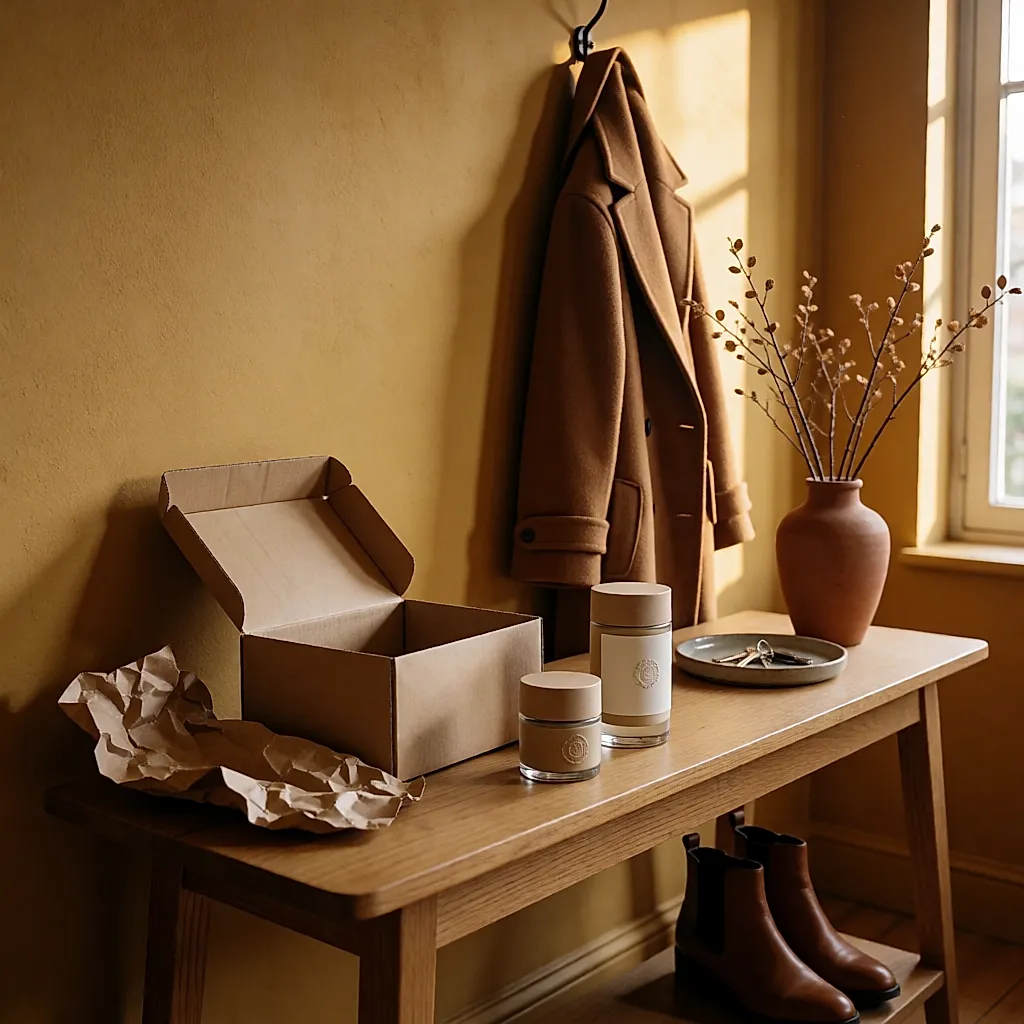
Do be wary of products imported from outside the UK and EU supply chains, with labelling in a foreign language and sometimes a different formula. And if you want to know the exact age of a jar, email the brand's consumer service with the batch code: some reply, plenty don't. We can't promise you an answer, but it's worth the email.
What you'll pay
Expect roughly £5 to £15 for a surplus face cream that would sit around £20 to £40 at full price, depending on the range; £10 to £25 for a serum; £8 to £20 for a body product. The spread comes mostly from the channel — outlet stores, online flash sales, end-of-line ranges at a beauty retailer, a high-street chemist or a supermarket — and from where you shop. With sunscreen, though, caution wins: the SPF on the label is normally measured on a fresh formula, so don't stockpile it.
Three checks before you pay, and one when you open it: the batch code is legible; the best-before date or PAO makes sense for how you plan to use it; the foil seal is intact; the smell and texture seem normal when you open it. And the habit worth adopting — write the opening date on the bottle with a marker. Then you'll actually know when the clock started.
The rule of thumb fits in one line: a discount doesn't buy you time. Read the batch, find the little open-jar symbol, keep an eye on the seal, and leave a marker by the mirror. The cheapest jar in the cupboard is always the one you finish.
Comments
Your opinion matters: rate the article, react and reply to comments.
Comments are moderated; AI-assisted comments are flagged. Text emoticons (8-), :-), <3…) are automatically shown as images.