
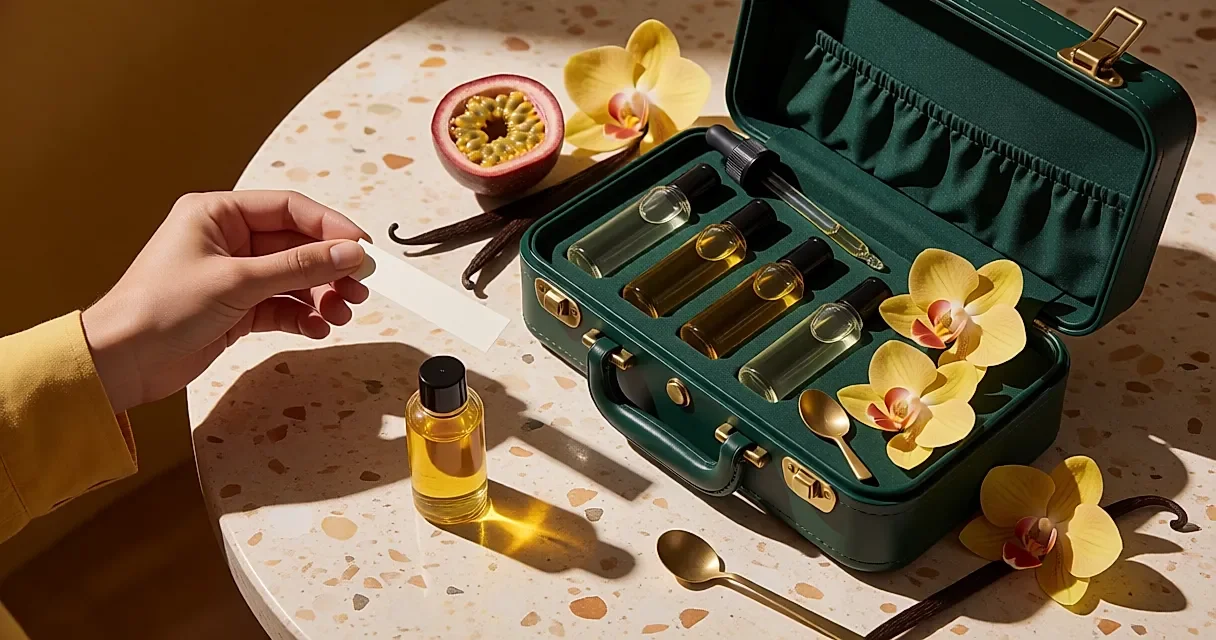
A tonka bean fits in the palm of your hand: wrinkled, brown-black, with no shine. Rub it between your fingers and it gives off almond, blond tobacco and cut hay, with a base that recalls vanilla. This little botanical pebble grows in the Amazon, and it is one of the reasons perfume houses have added Brazil to their map. A perfume always starts somewhere: in a field, a root or a forest.
From Grasse to the Amazon
Grasse has not lost its touch, far from it. May rose, jasmine, tuberose: the town remains the world capital of perfume, and its fields are still open to visitors. But acreage has shrunk over the decades, squeezed by property pressure, entirely hand-picked harvests and tiny yields. The Grasse flower has become a rare and therefore expensive material, reserved for high-end fragrances and limited editions.
Brazil, by contrast, is not an olfactory wasteland. It is a major perfume market, with two local houses, Natura and O Boticário, which have built part of their reputation on the country’s plants. Natura built its Ekos line around Amazonian plants. The major ingredient suppliers also have offices and sourcing programmes there. This is not a seasonal trend; it is an industrial geography on the move.
What these molecules actually smell like
Let’s talk about smell, because that is where things get interesting. Priprioca is a root: it is dug up, washed and dried, and it gives a woody, earthy, slightly damp note that evokes the forest after rain. Breu branco is a resin: green incense, almost camphor-like, a note that pleasantly scratches the nose. Copaiba brings a peppery, balsamic wood; cumaru (the tonka bean we know) brings almond and tobacco.
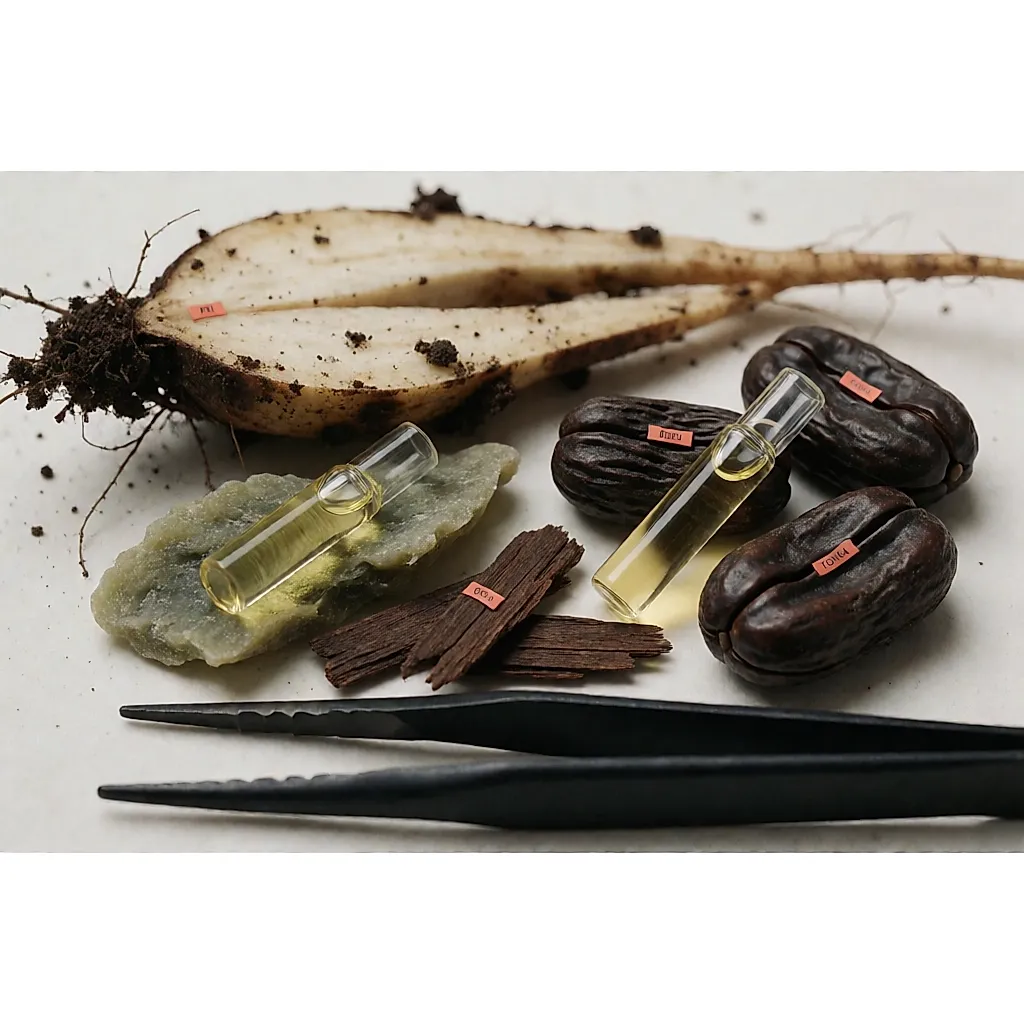
The second thing to know: these materials often account for only a few per cent of a formula. A perfume is first and foremost an architecture of molecules, many of them synthetic, and naturals come in to add a signature. They are also temperamental — one harvest won’t smell exactly like the last — and that is precisely what some perfumers love.
What is harvested, and what comes back
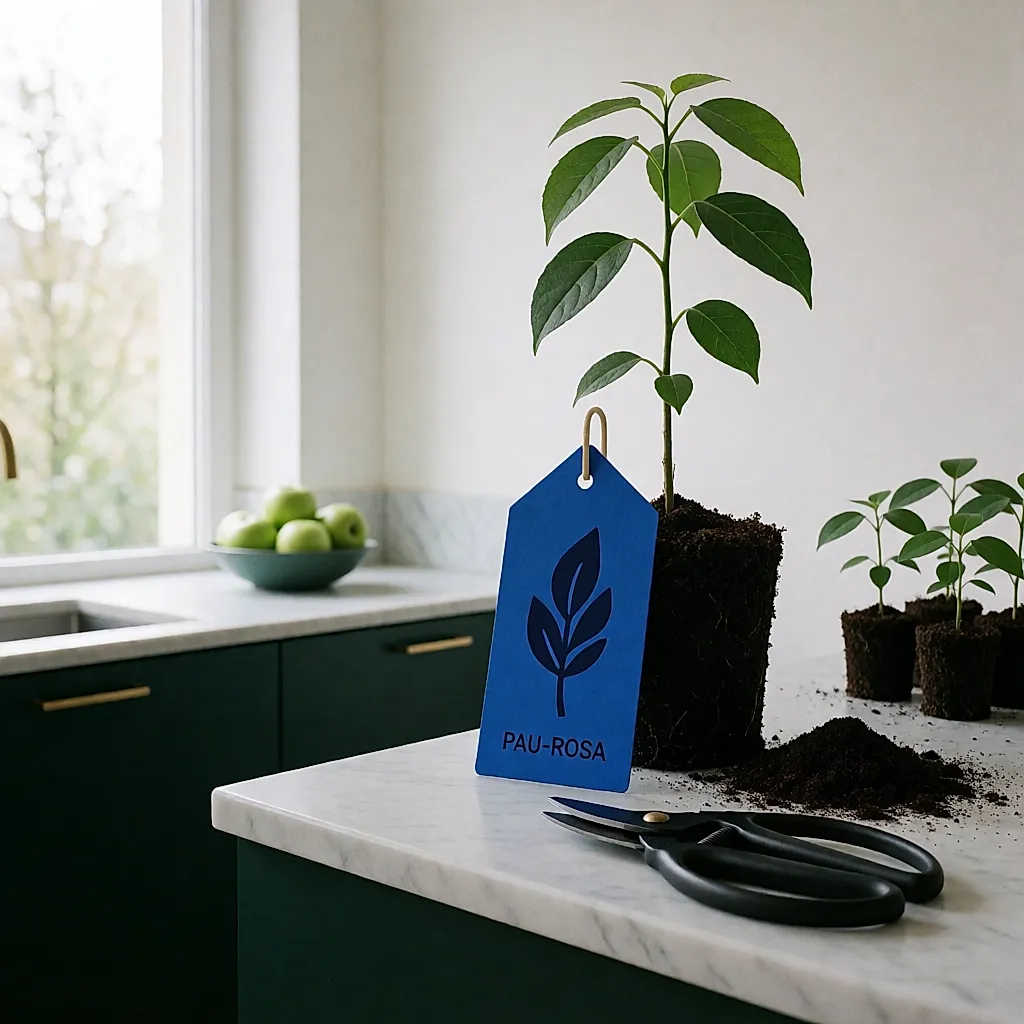
This is the part worth slowing down for, bottle in hand. Brazil holds a considerable share of the world’s biodiversity, and it is tempting to treat it as a help-yourself counter. The story of pau-rosa is a reminder of the risk: this wood, exploited for its linalool, is often cited as an example of a material whose wild resource has become scarce, to the point where plantations and conservation programmes had to take over. A material that smells good is not an inexhaustible material.
The country has also put a framework in place. On paper it is solid; in practice, everything depends on how the contracts trickle down to the producer.
The other end of the chain
In the state of Pará, near Belém, families grow and harvest priprioca for the industry. Brands now talk about 'traceable supply chains' — which can mean anything from a genuine audit to a pretty brochure.
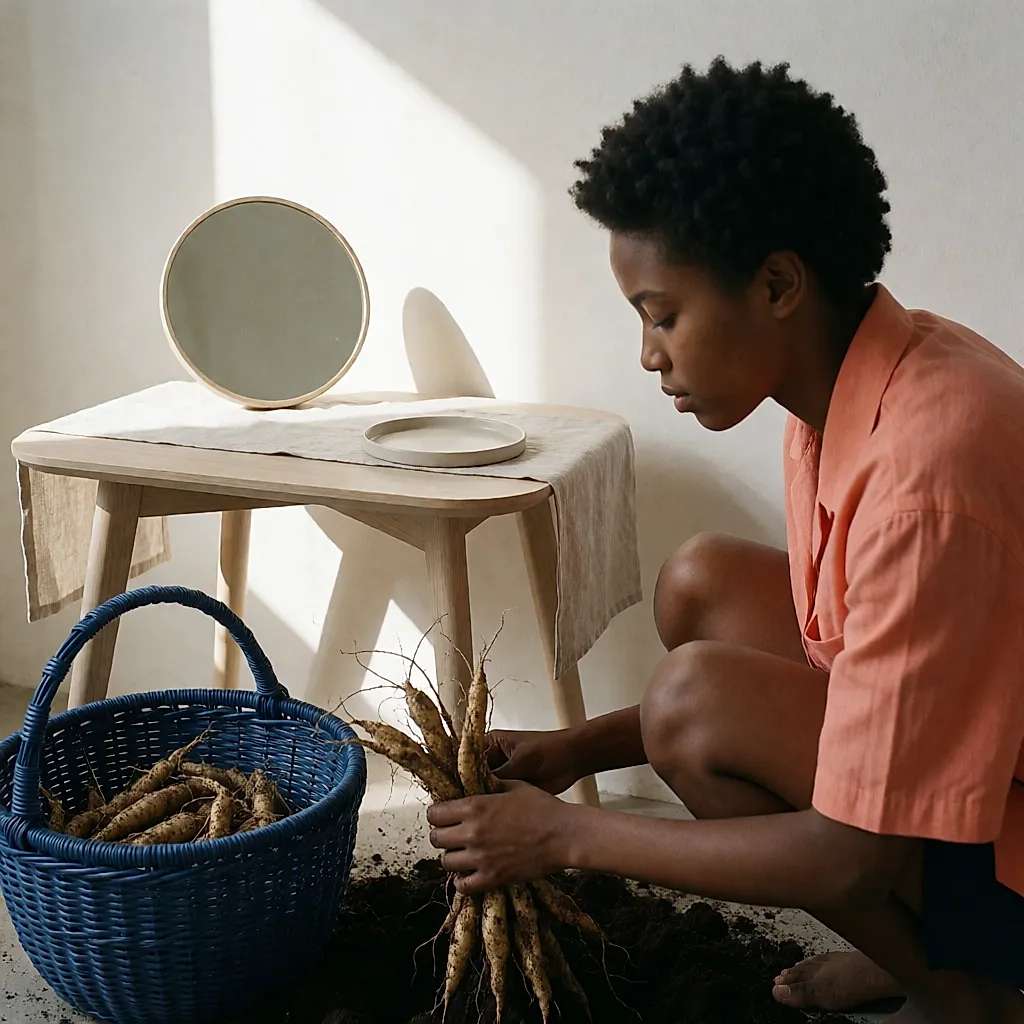
Honesty calls for an admission: there is not much you can verify from your sofa. The volumes remain modest: a few kilos of absolute are enough to scent a production run, and the sums that actually find their way back to villages are rarely public. Serious programmes exist. So do virtuous displays, sometimes on a scale that bears no relation to what they promise.
What to ask when you have the bottle in hand
So what do you do? First, be wary of the word 'Amazon' printed in large letters: on its own, it tells you nothing. Next, look at houses that publish a sourcing report with the names of cooperatives and the volumes bought — a few do, most don’t. Also ask whether the material is named clearly (cumaru, priprioca, breu) rather than buried in a vague list.
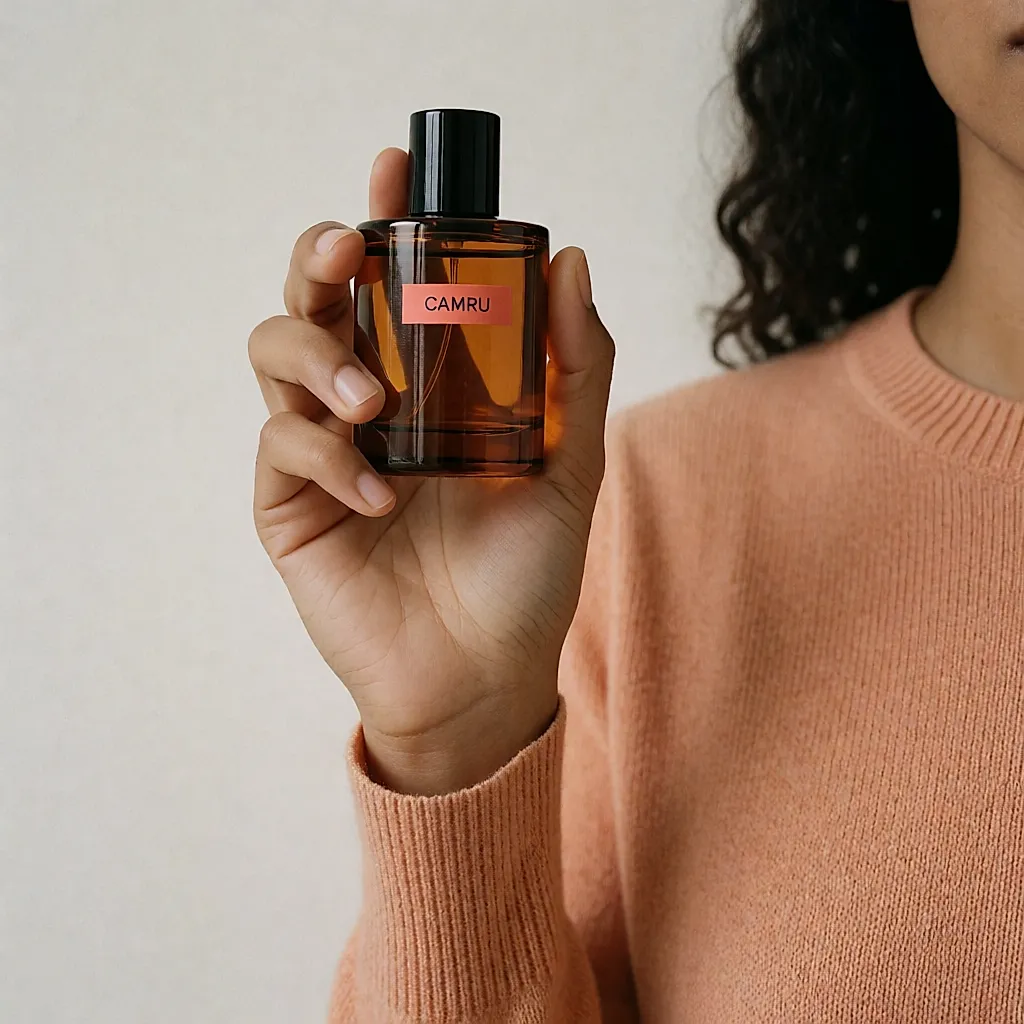
Finally, you can look at Brazilian houses, which document their local supply chains more fully. And bear in mind that a £35 scent does not carry the same value chain as a £160 perfume: a high price is not proof of virtue, but it is hard to see how the picking can be paid properly with so little material per bottle.
Budget
Expect to pay roughly £30–£60 for 100 ml of eau de toilette from a Brazilian house ordered online, before postage, depending on promotions and line; exchange rates and shipping will move that figure. For niche perfume built on Amazonian materials, expect roughly £80–£180 for 50 ml, from a perfume shop or the brand’s official site. Beyond that, you are mainly paying for the bottle, scarcity and marketing.
Where to buy? Some Brazilian houses ship to the UK, sometimes with fees that sting; some independent perfume shops stock these brands. For niche perfume, the brand’s own site remains the safest way to avoid counterfeits, and physical stockists let you smell before you spend.
Three questions to ask before you reach for your card. Does the house publish a sourcing report naming producers and the volumes bought? Is the plant named clearly in the brand’s communications, or only buried in the ingredients list? And does the price tell the story of a documented supply chain, or just an exotic word on the box? A vague answer is not a crime — but it tells you what you are dealing with.
Brazil is not a reserve of smells for outsiders to help themselves to: it is a country with its own houses, laws and producers. The next time a sales assistant talks to you about an Amazonian plant without knowing who picks it, you will at least know that the question can be summed up in one sentence. That is already the start of a nose.
Comments
Your opinion matters: rate the article, react and reply to comments.
Comments are moderated; AI-assisted comments are flagged. Text emoticons (8-), :-), <3…) are automatically shown as images.