
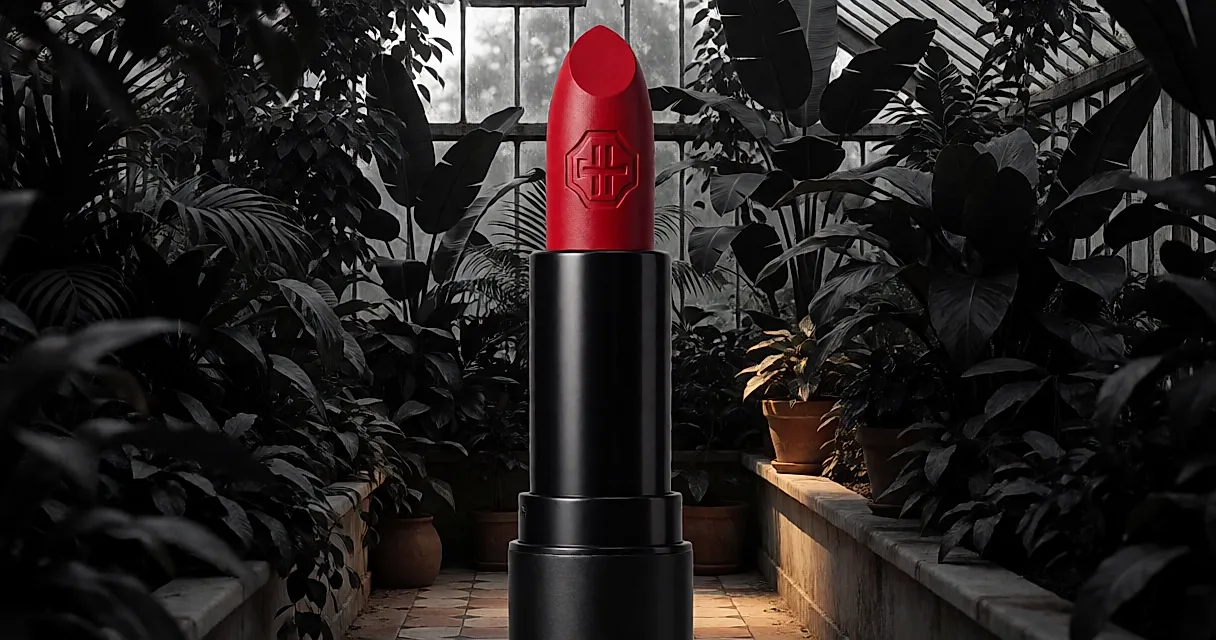
For years, getting into beauty meant opening up a whole shade range. Now fashion houses are going the other way: one product, one step, and a handful of shades. The rest of the ritual, they leave to those who already know — and that’s exactly where it gets interesting.
It looks like cost-cutting. In fact, it’s a stance, and it shakes up the way you choose.
The shade range is no longer the way in
A fashion house entering make-up no longer launches with a forty-product range. It launches with a lipstick — often a refillable one, built around a case you keep and refill season after season. Names such as Hermès and Celine are part of the conversation, but the exact launch stories are not the point here.
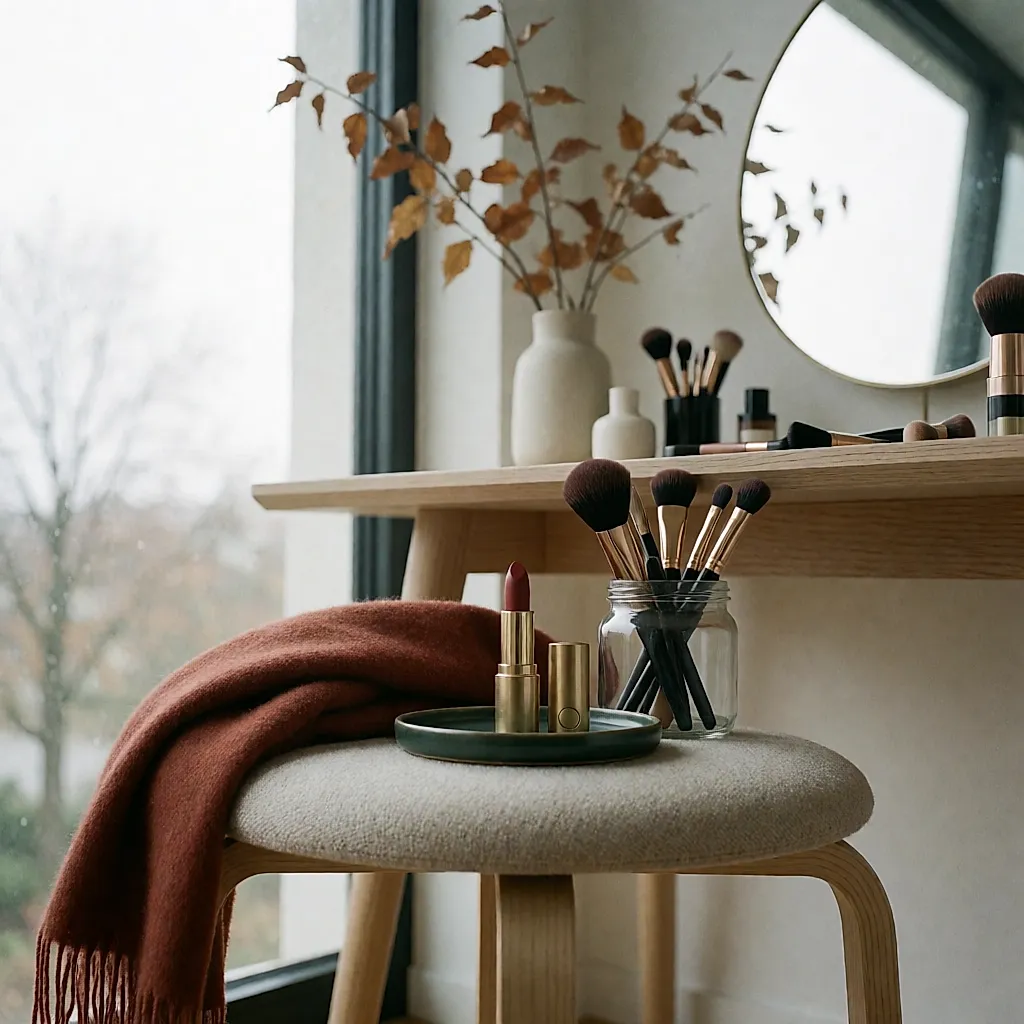
It isn’t shyness; it’s calculation. A fashion boutique doesn’t have the floor space of a department-store beauty hall: three metres of counter with sixty shades would soon look like a pharmacy. One well-designed product fits the room, sits beside a handbag, and is judged on one thing instead of sixty.
One product, one step, and the rest follows
Two product families tend to dominate this entry into beauty. On one side, complexion: a foundation, or a ‘bare-skin’ product that aims to disappear. On the other, lips: a lipstick, often refillable, in a case you no longer want to hide at the bottom of your bag.
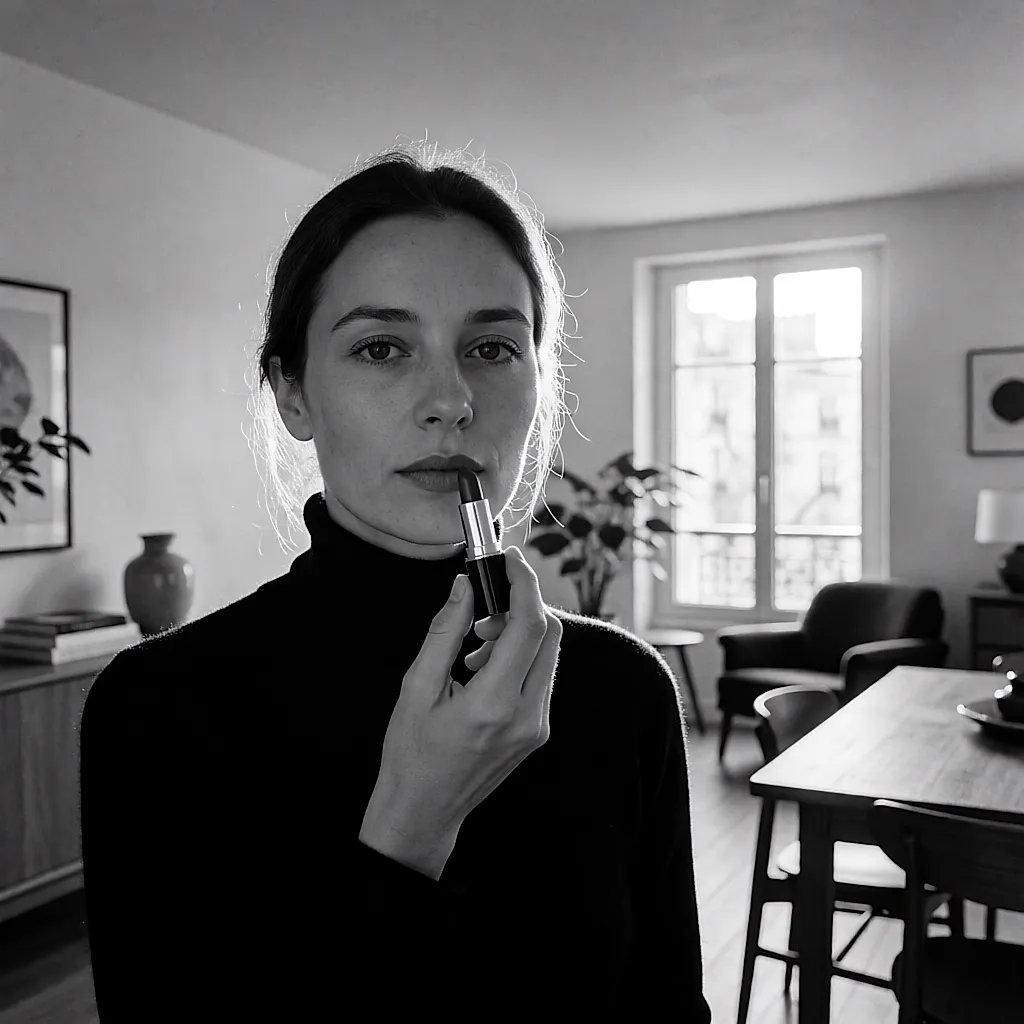
The message is clear: one step, not a wardrobe. It’s up to you whether that step fits your routine — a lipstick that lasts until lunch, a complexion product you can apply in thirty seconds — or remains a pretty impulse buy. That’s the difference between a considered purchase and a tube that ends up in a drawer beside the palette someone gave you two years ago.
How to choose a shade when the range is smaller
With forty shades, you find yours by elimination. With eight, you need to know what you’re looking for, and that’s where mistakes happen. First rule: test it on the lips, not on the back of your hand. The back of your hand has neither the texture nor the colour of your face; the same bullet can look raspberry on your lips and plum on your hand. Ask to try it, even for ten seconds, even if the sales assistant is busy with someone else.
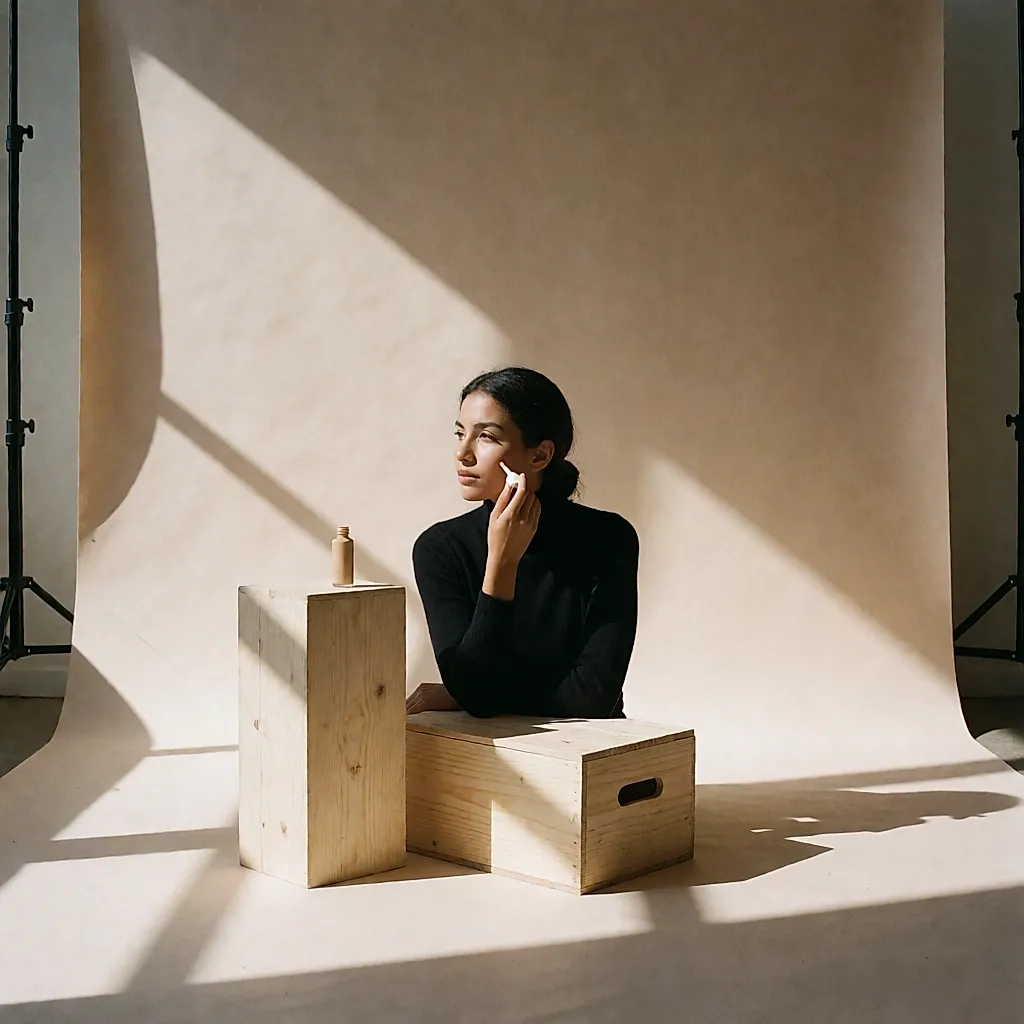
For the complexion, the question isn’t only depth but undertone. A short range often covers fewer skin tones than a large one, but it can still offer several families — pink, golden, neutral. Test on the jaw, in daylight, and give it about fifteen minutes before deciding: that’s a practical guide, not an absolute rule.
Three questions before you buy. Does the shade suit you without the shop’s flattering lighting? Is there a refill, and how much does it cost? And if the house offers only six shades and yours isn’t among them, are you prepared to adapt your routine rather than switch brands? An honest answer is better than one more tube.
Budget
Expect to pay around £35–£60 for a lipstick from a fashion house, and around £20–£40 for a refill where one exists: the difference sits in the case, which you keep. For a complexion product, allow more like £40–£75. Prices vary, so check before you buy. You’ll find them in the brand’s own boutique (a good place to test the colour in real life), in department stores and beauty halls, and sometimes online.
The real calculation isn’t the price of the first purchase but the second. With a refillable line, you pay for the object once and for the colour afterwards. Does that justify changing your whole routine? Probably not. But for a lipstick you wear every day, the difference eventually shows. I haven’t personally tried every formula mentioned here, so I can’t promise twelve-hour wear or an invisible finish: only your skin can tell you that.
And if you’re still hesitating, keep this marker: the step that remains when you have only five minutes left. Complexion applied with your fingertips, lipstick on, and you’re ready. That may be the real reason for this tighter edit — fewer choices, but a choice that counts.
Comments
Your opinion matters: rate the article, react and reply to comments.
Comments are moderated; AI-assisted comments are flagged. Text emoticons (8-), :-), <3…) are automatically shown as images.