
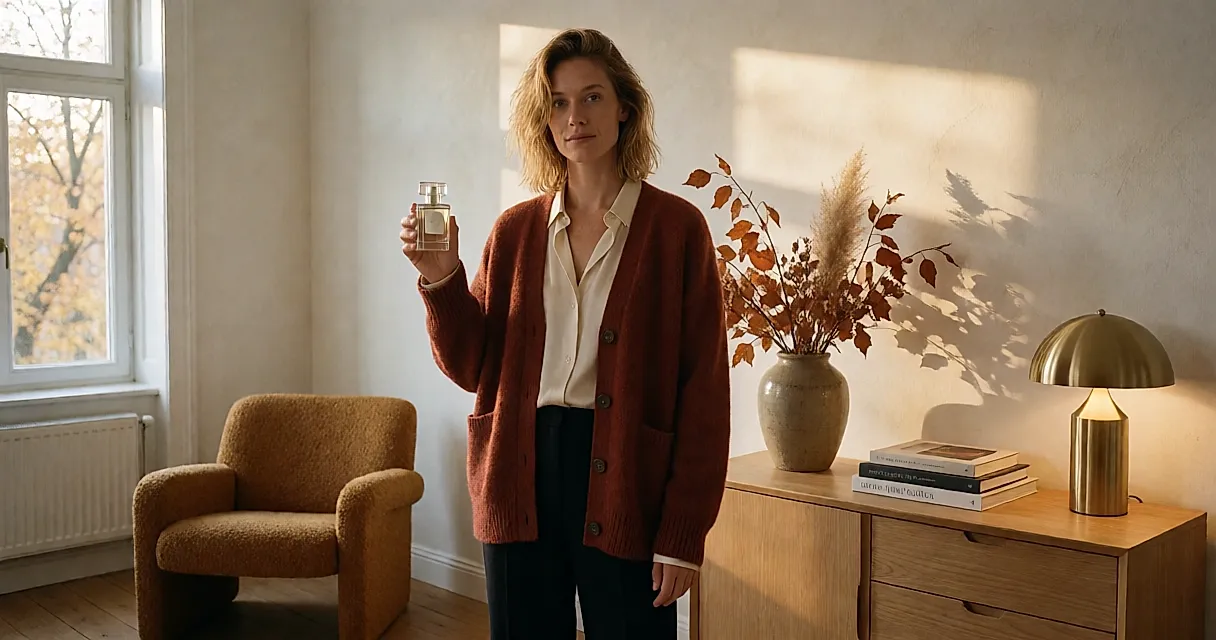
The parcel smells of rose before it is even opened. Inside: a 50 ml bottle, a handwritten note, and the line you see in almost every launch box, 'two years in the making'. Two years is a long time for an eau de parfum and very little for a brand. Yet within days of each other, you can watch the two versions of the same dream play out: a skincare brand arriving in a beauty hall with its first fragrance, and another, just as carefully made, selling off its last testers.
Perfume looks like the easy category
Why do so many founders from the skincare world add a bottle? Because a perfume promises nothing more than to smell good. No one asks it to prove it fades a dark spot, the way they might ask a serum that claims results: it has to be safe, compliant and pleasing. Here is a category you can enter with a good rose idea and a carefully watched budget!
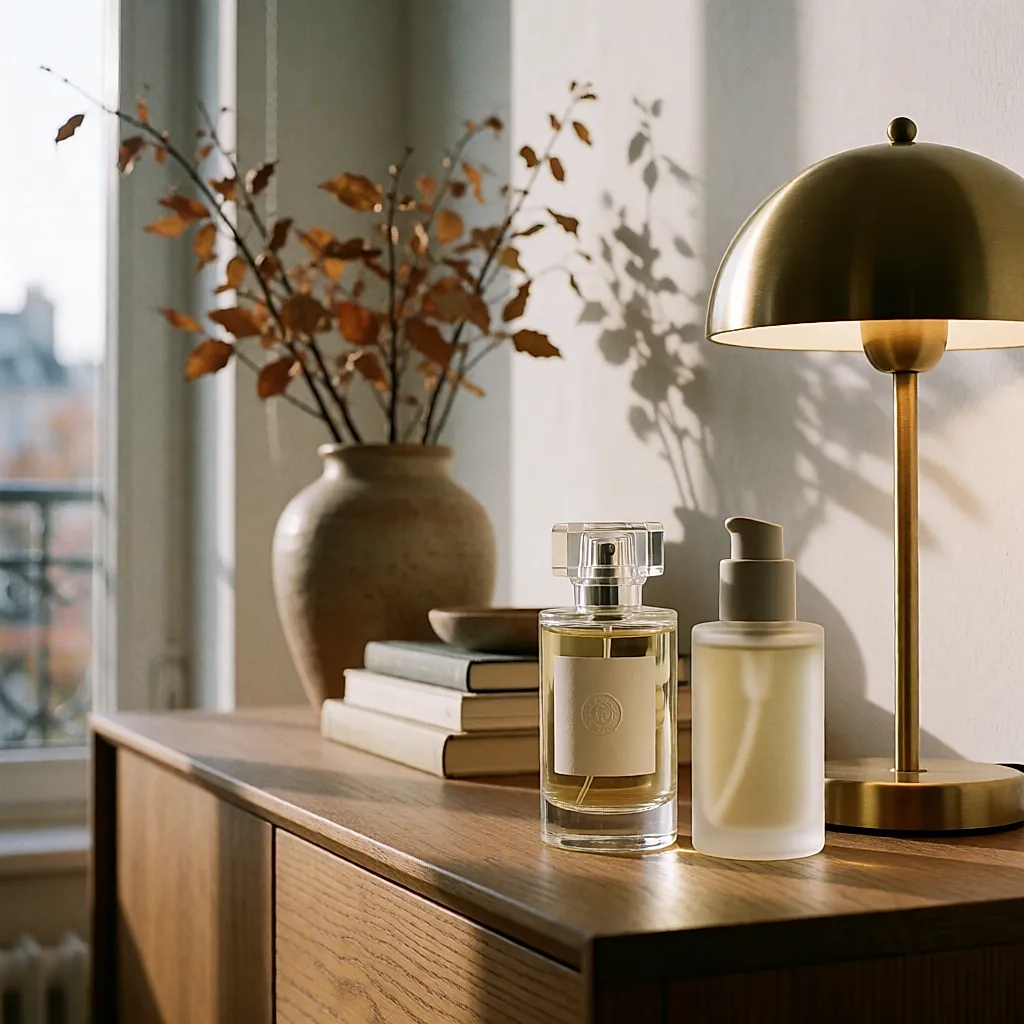
The audience does the rest. A content creator launching a perfume is already speaking to thousands of people who know her taste, and the first release can sell very fast. It is the follow-up that gets harder: an audience buys once, rarely twice, and five years of revenue cannot be built on one wave of followers.
What launching actually involves
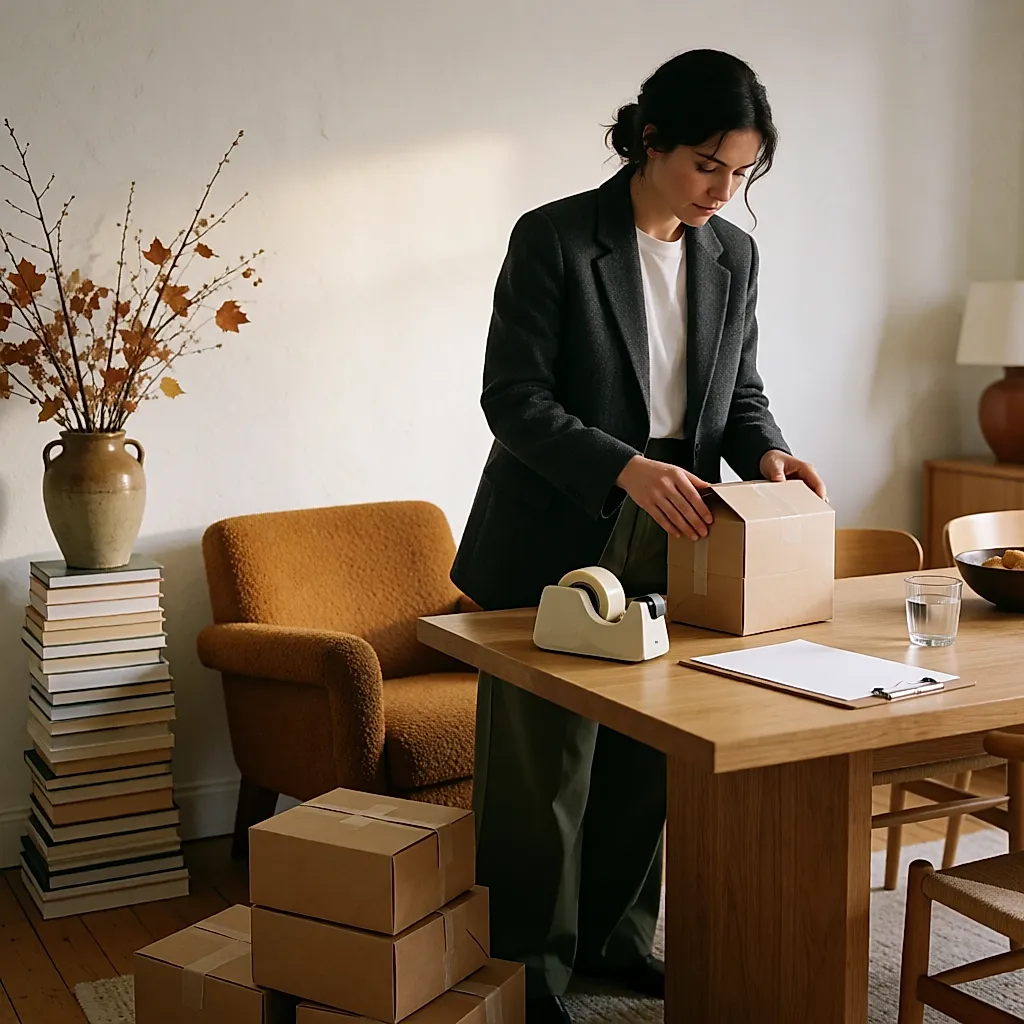
When it comes to the invoice, the misunderstanding is persistent: people imagine the price comes from the juice. Glass, pump, cap, box: these all count in the bill too. For a first run, many contract manufacturers will set minimum runs, and ask for more if the glass is bespoke and the mould has to be paid for.
Then there is the regulatory file, the one nobody posts a photo of on social media: a safety assessment by a qualified assessor, notification via the UK's Submit Cosmetic Product Notification (SCPN) service — and the EU's Cosmetic Products Notification Portal (CPNP) if you also sell there — plus allergens on the label. Alongside that, many brands also follow IFRA standards, the industry reference for fragrance materials. Nothing insurmountable for a small team with good advice, but nothing about it is free. And then there is stock: a launch means money asleep in boxes until the season arrives.
Five years is a marathon of reformulations
A perfume isn't a piece of furniture: it doesn't stay still. Raw material prices don't stay put, restriction rules change, and such changes can force a reformulation — new trials to buy, new approvals to get, packaging to reprint. How many customers know that an eau de parfum changes formula over the years? The ones who swear it 'doesn't smell the same any more' aren't always wrong.
Then there is the tyranny of the shelf. A counter demands novelty at a pace that has nothing to do with creation: you make flankers, bring out a travel size, a winter edition, and end up producing for the calendar rather than for the nose. A bottle doesn't keep indefinitely: stock that sits ages, and so does the money.
Days apart, two very different trajectories
What separates the brand opening a pop-up from the one selling off its boxes often has nothing glamorous about it: a second perfume already ready, a loyal stockist, several months' worth of cash runway in practice, and a founder who didn't spend it all on the launch party. Creativity gets you in; logistics keep you there.
So should you buy number one from a brand that doesn't yet have a number two? Yes, if the perfume pleases you on your skin — that is the whole test. Who still remembers the first bottle from a brand that has vanished? I don't have a reliable figure for how many young perfume brands survive, and I'm wary of the ones people wave around without a source.
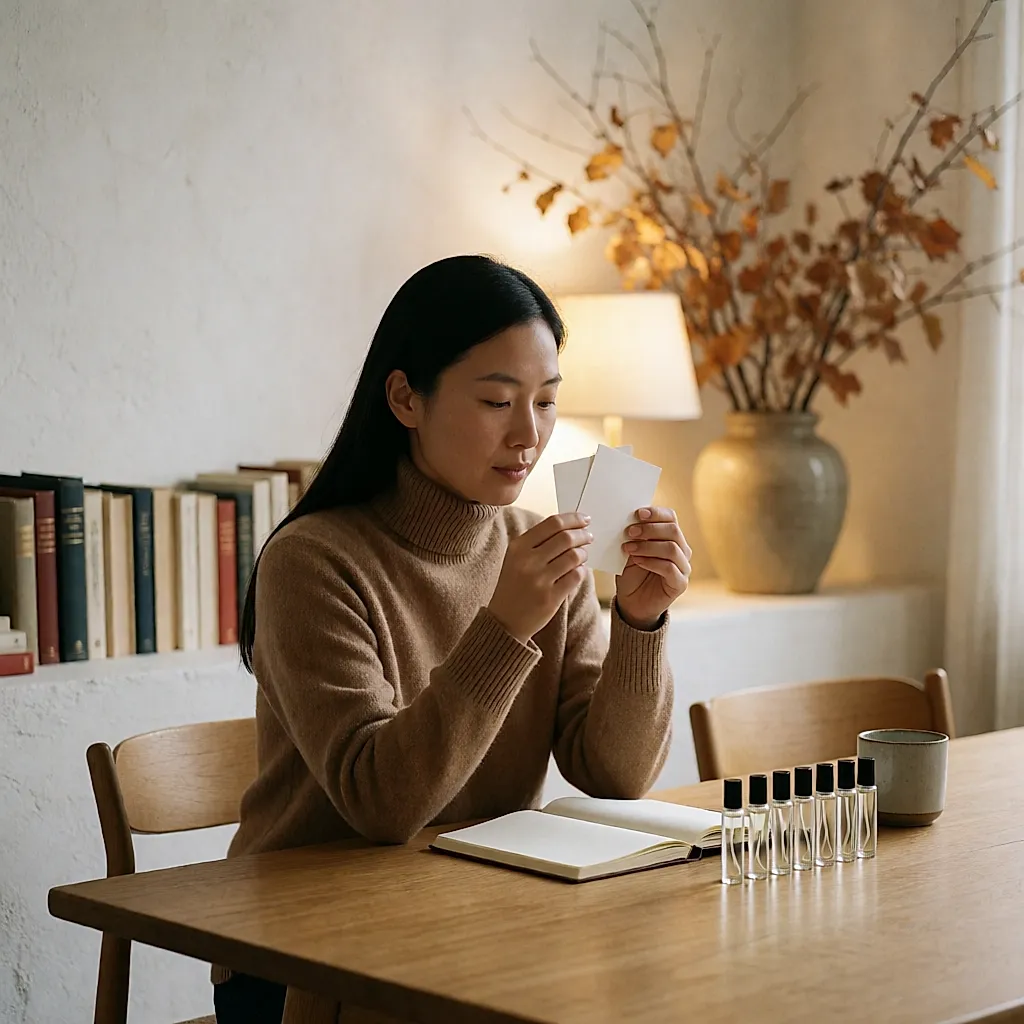
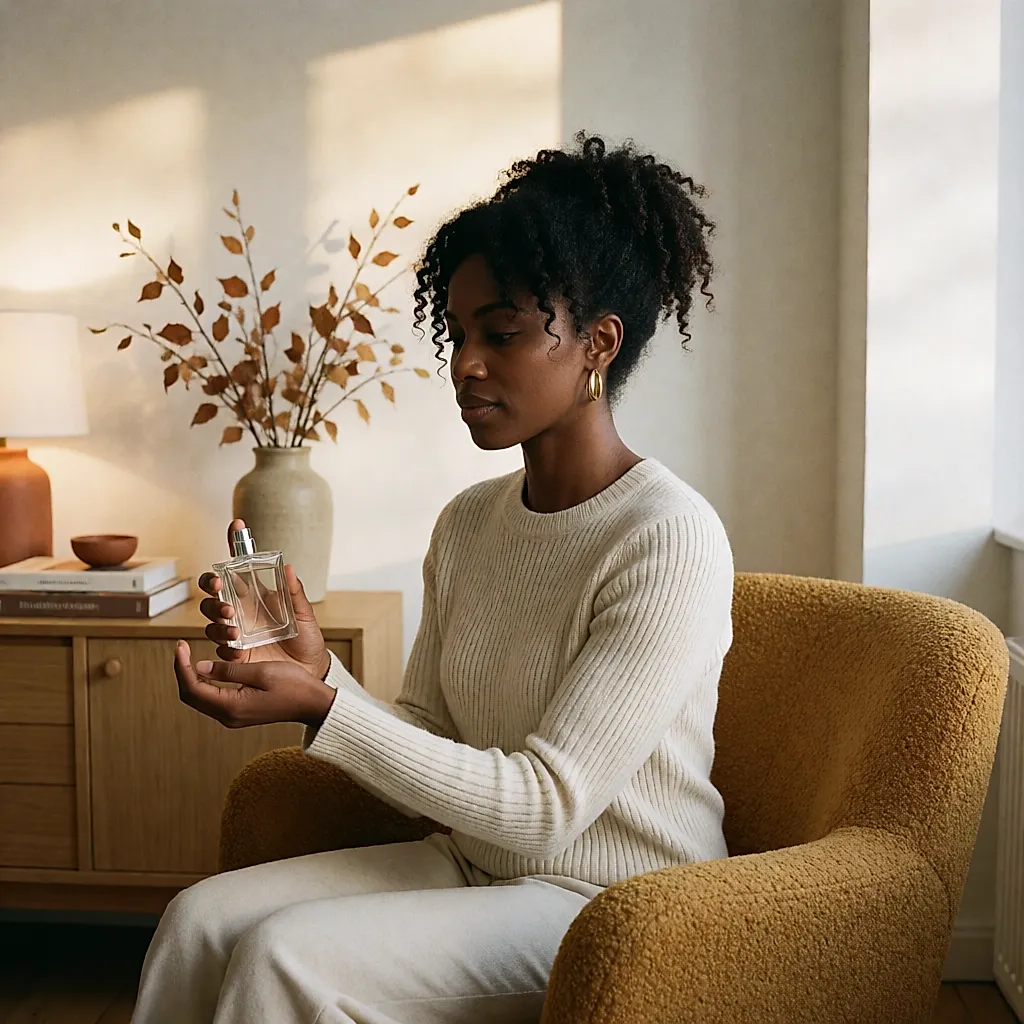
Before you spend on a full bottle — Ask for a sample, spray once on your wrist, and live with it until evening: the first few minutes often lie. Also check whether the brand already has a second scent, a refill, or a stockist near you. Three very simple clues — and plenty of bottles avoided.
Budget
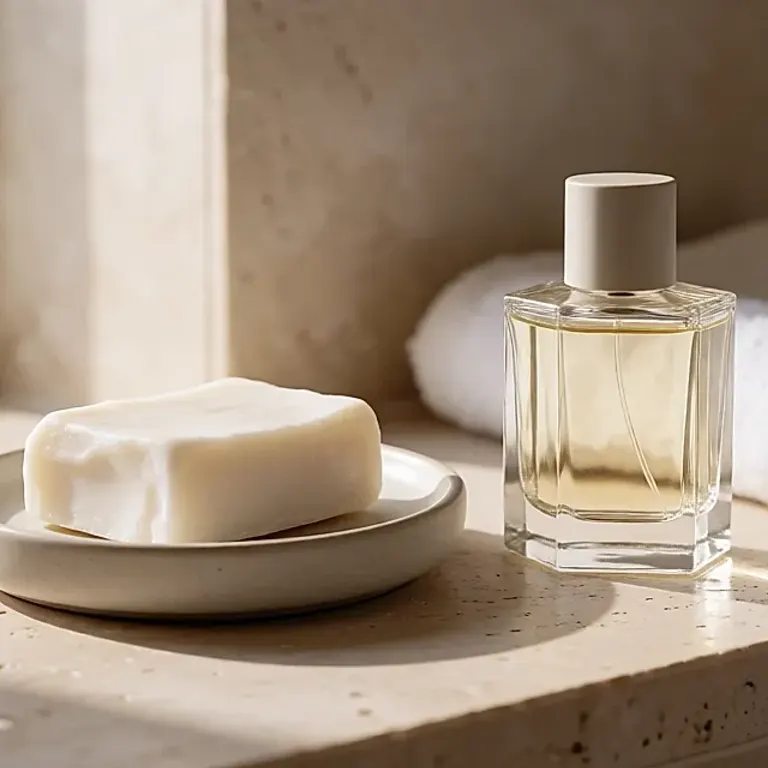
As a rough guide in the UK, for an eau de parfum spray: expect £20 to £45 for 30 ml at a supermarket or chemist, £60 to £120 for 50 ml from a big designer house at a beauty retailer, and more like £90 to £200 for 50 ml from an independent or niche brand. City, size and retailer can shift the figure a lot.
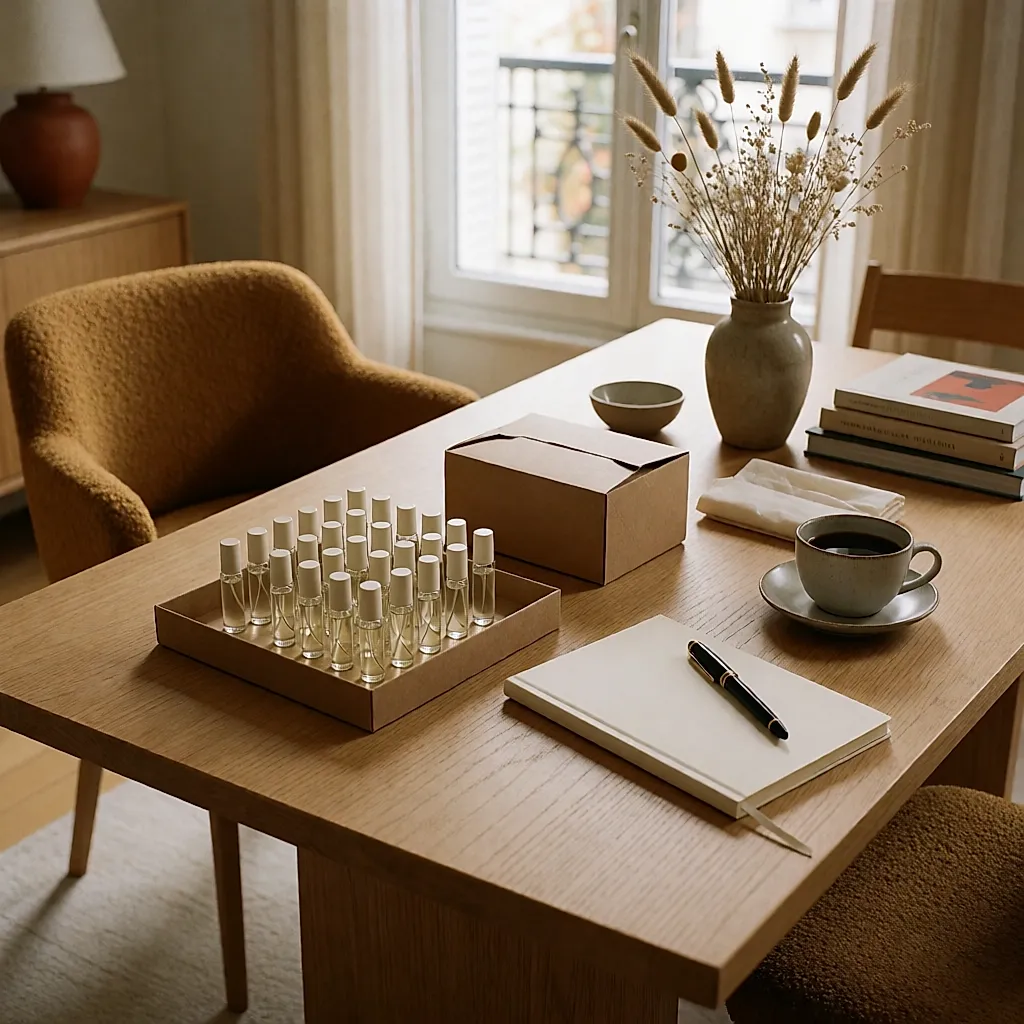
The best way in is still a discovery set or a sample: around £15 to £40 for a set, a few pounds each. Also look at refills, which several brands offer in large formats, often better value per millilitre and lighter on glass. Where to find it all: beauty retailers, the brand's own shop, its official site or the supermarket.
Five years, or one bottle
A bottle is a promise you carry with you. A brand is a promise kept for five years. You don't have to bet on the second to love the first.
If you have only five minutes, there is one move worth making: one spray on your wrist, not five on a paper blotter. And if your nose says yes, take your time before committing to a full bottle: a sample now, a full bottle only once the brand has shown it can keep going. It's the nicest way to support a young brand, and the most honest for your shelf.
Comments
Your opinion matters: rate the article, react and reply to comments.
Comments are moderated; AI-assisted comments are flagged. Text emoticons (8-), :-), <3…) are automatically shown as images.