
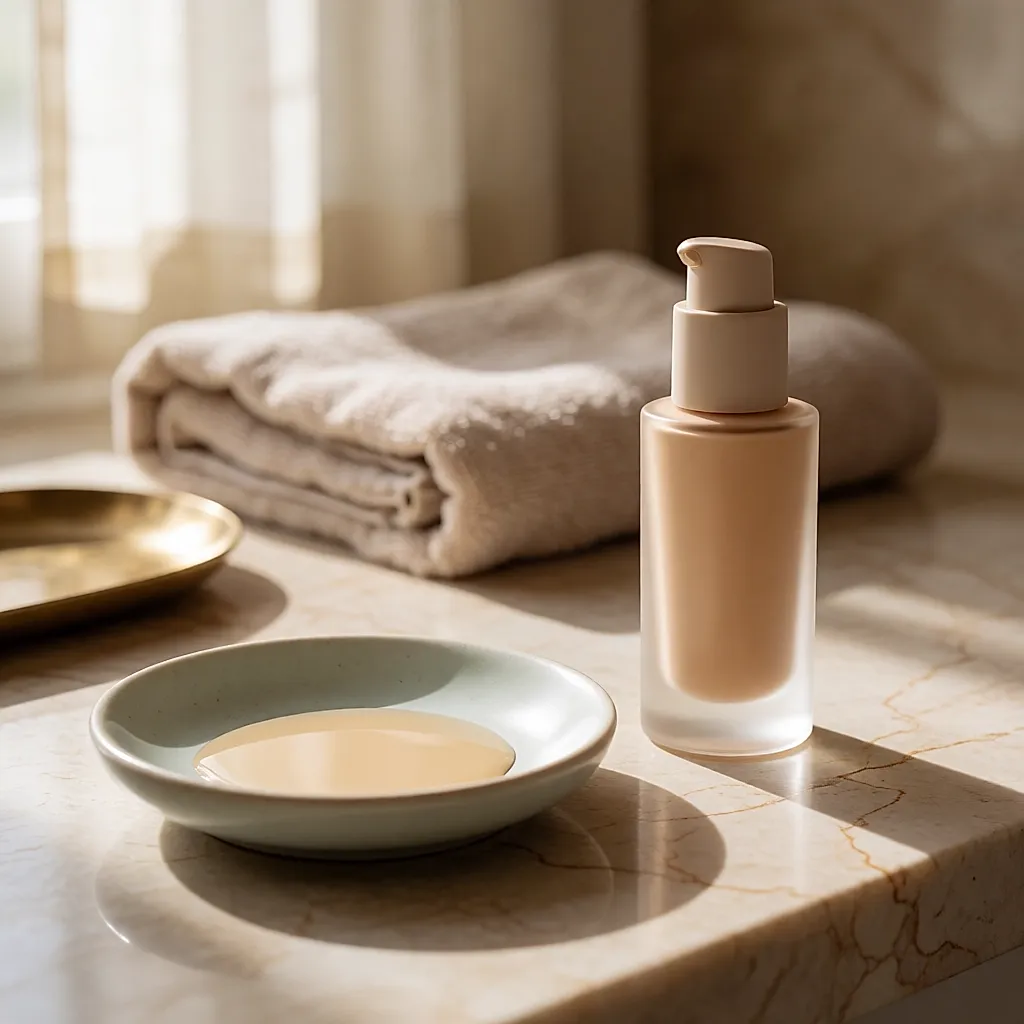
Tuesday, 7.52am. One hand blending foundation, the other doing up a school bag. By 6.30pm, queuing at the till, I catch sight of myself in my phone screen: my complexion still looks even, no patches around the nostrils. Ten years ago, the same day would have ended with my cheekbones feeling tight. What changed? Not magic: the formulation.
Why the textures hold up better
Two things are doing the heavy lifting, and neither sounds dramatic on paper. First, the pigment: it's coated — surface-treated — so it glides over skin instead of clinging to it. Then there's the film, which contains elastomers — flexible molecules that move with your face, the sides of your nose, laughter lines, rather than cracking over dry patches. The result: the texture stretches with your complexion, it doesn't set it in stone.
Second change: skinification — glycerin, hyaluronic acid, niacinamide. Plenty of formulas genuinely hydrate, and you can feel it when you apply them. One important caveat, though: they ease that tight feeling; they don't replace your serum, or medical advice if your skin reacts.
The application step that changes everything
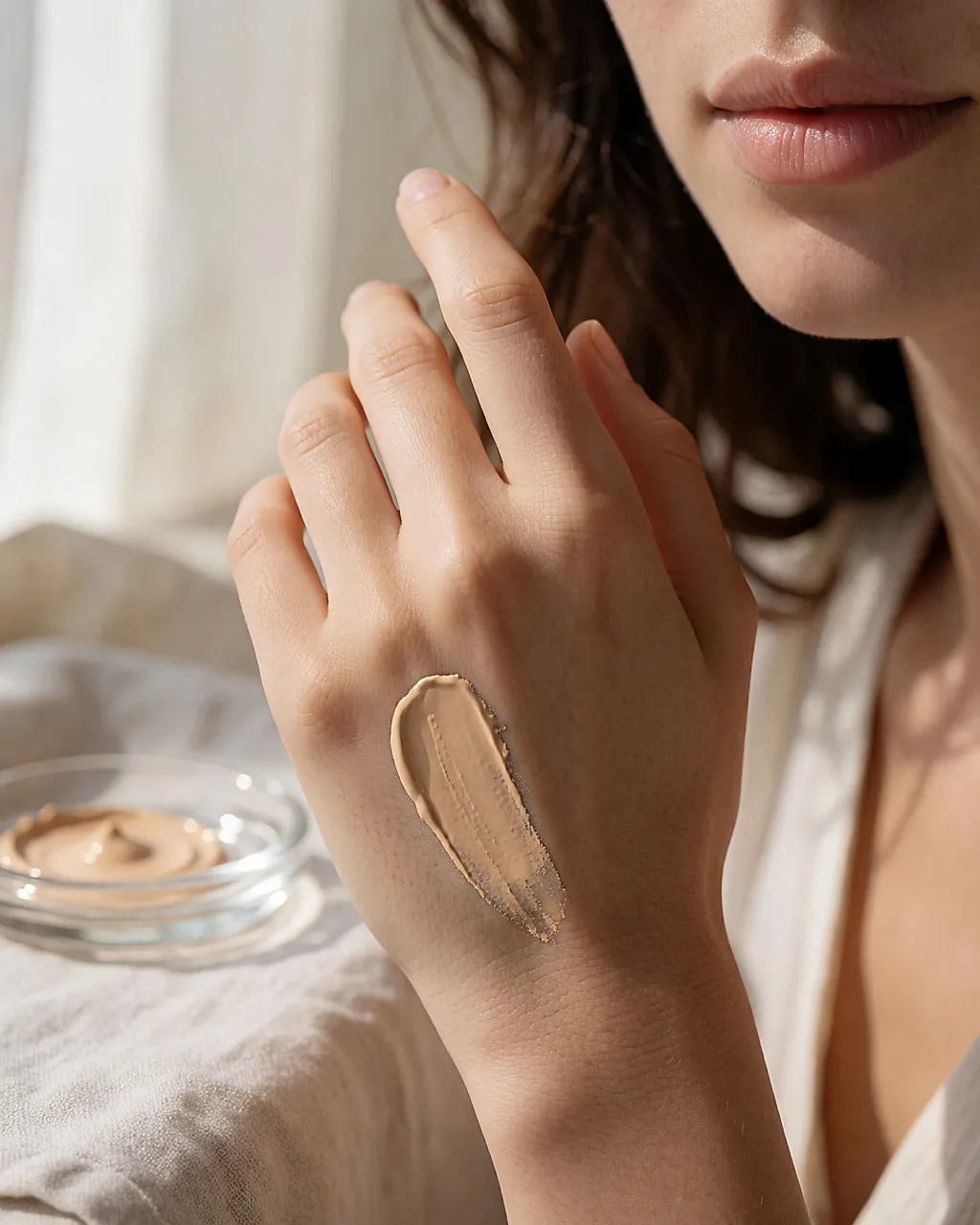
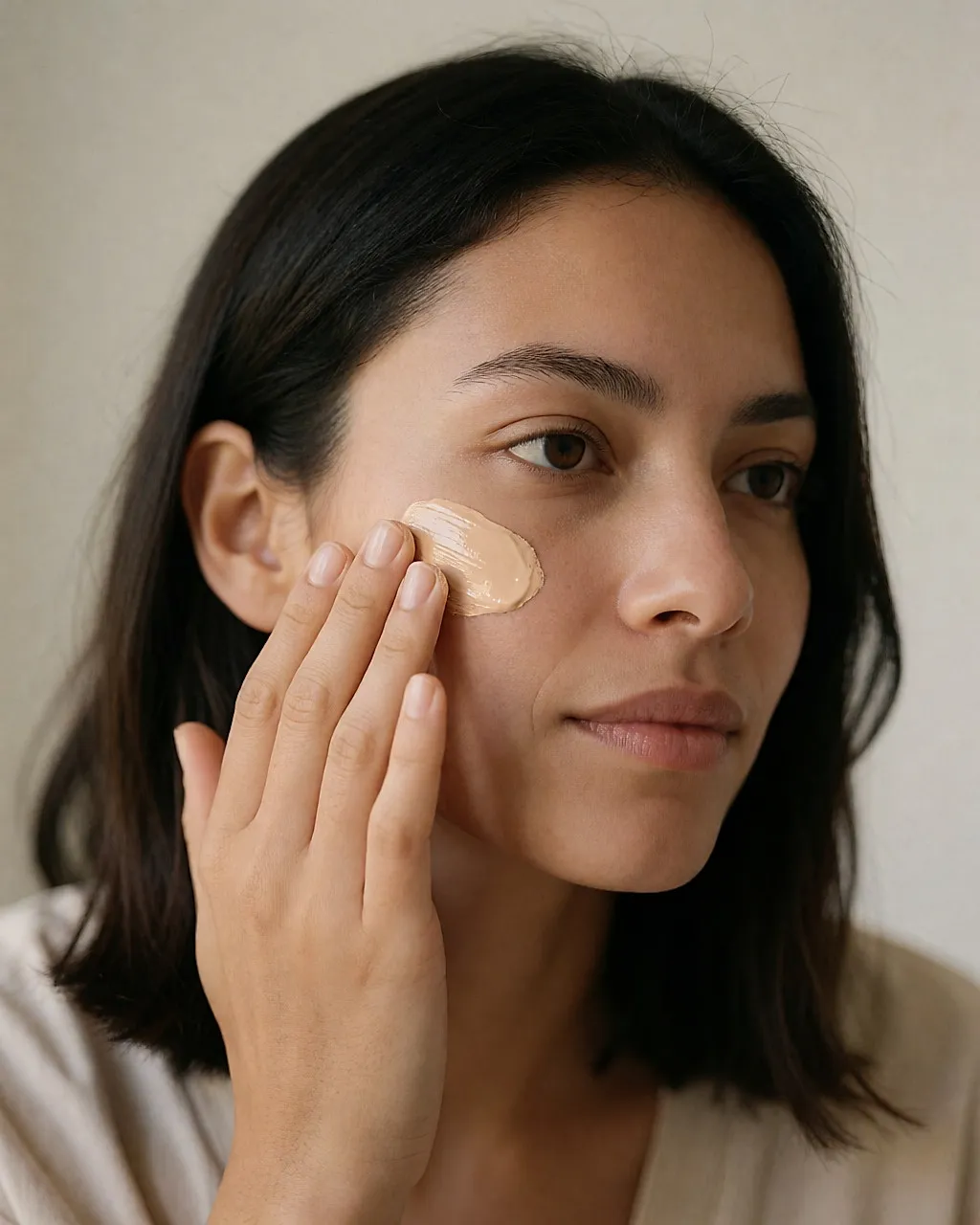
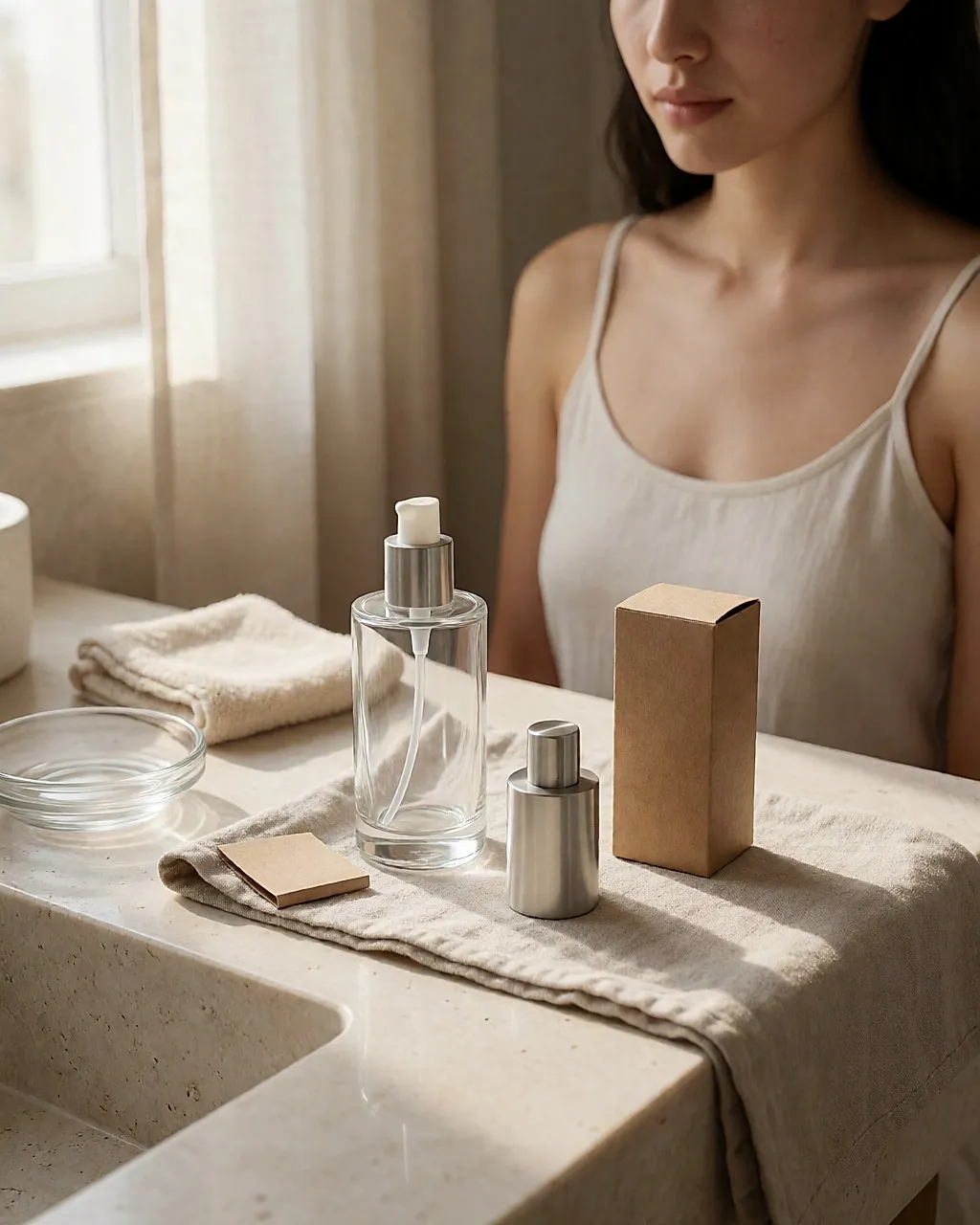
The biggest improvement isn't in the bottle, it's in how you apply it. Two pumps are enough for the whole face: one on each cheek, blended outwards with fingers or a damp sponge. Warm it between your fingertips first and it melts in, so you can use less. On redness, tap rather than rub.
Worth knowing, because it changes how you read what follows: I haven't tested the entire category. This section mixes my experience of three liquid formulas with reading ingredient lists — I'm saying it so it's clear.
If you want a more pared-back formula
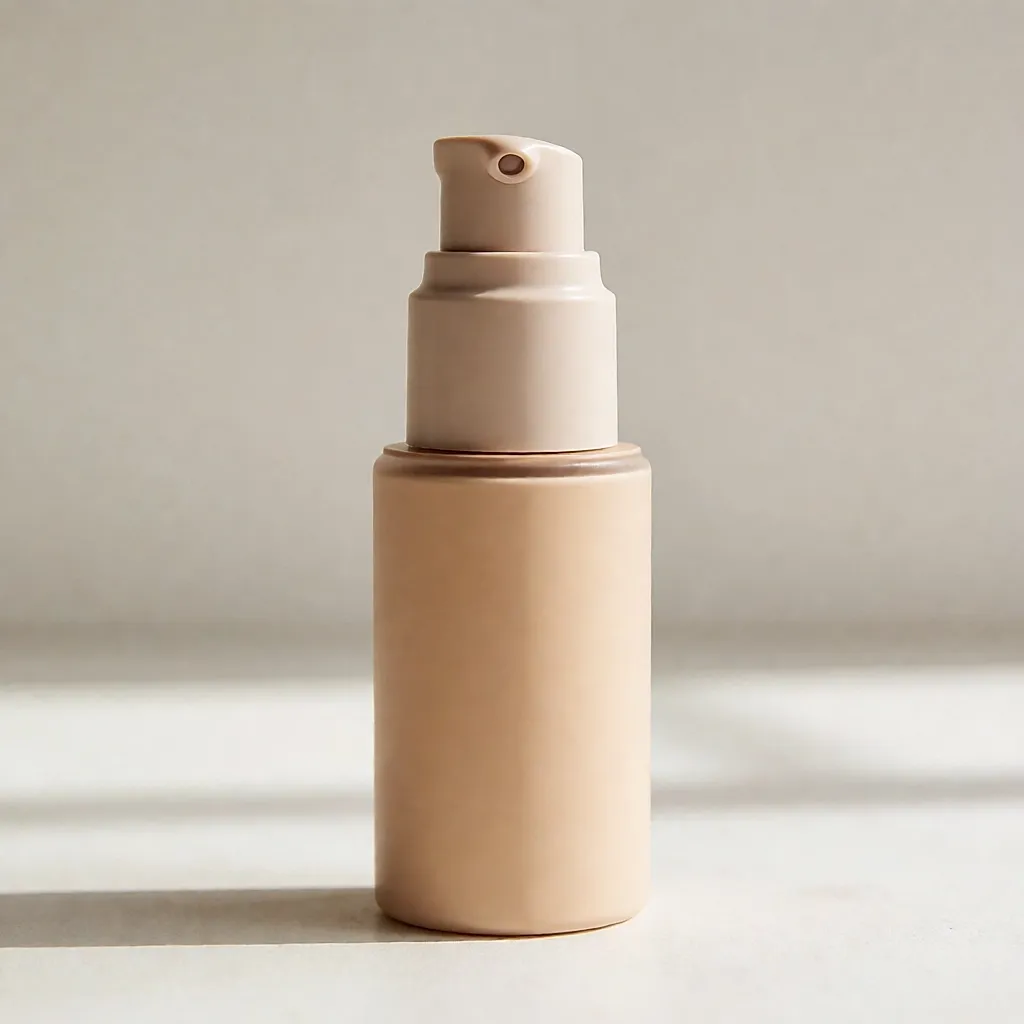
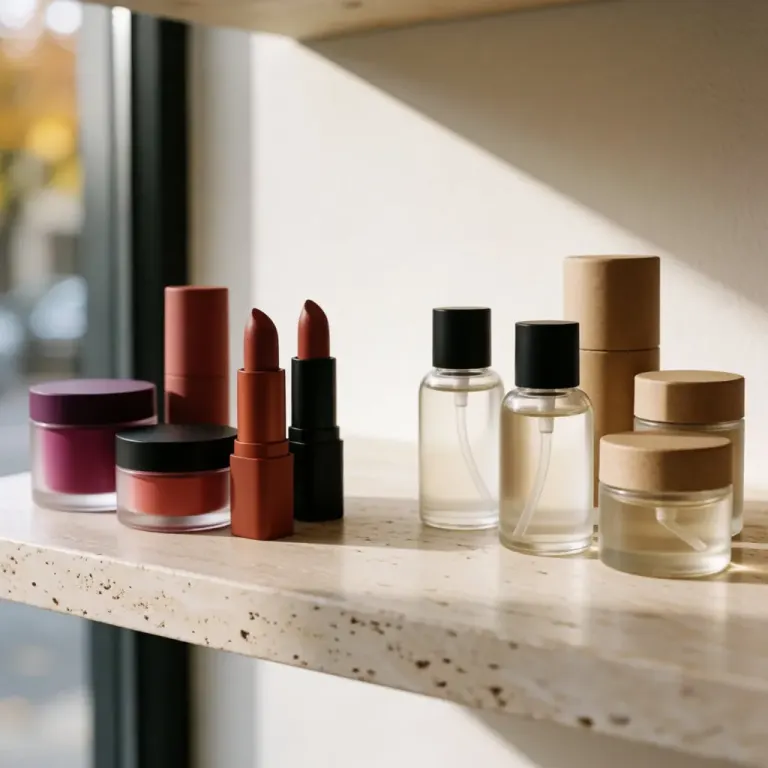
Three criteria, in this order. First, the COSMOS ORGANIC label: this standard sets the minimum percentage of organic ingredients and the processing rules, and it's awarded by independent certifying bodies. Its scope is real but limited — it's about composition, not efficacy or wear time. Next, refillability: at Zao Makeup, the foundation slots into a bamboo case you keep, and you only buy the refill again. Finally, end of life: glass, card or a refill rather than a pump bottle you can't take apart.
The trade-off, in reality? An organic formula often doesn't last as long as a classic long-wear foundation, and the shade range tends to be shorter. It's your call, depending on the kind of days you have.
Test the shade in daylight, on your jawline, never on your wrist. Leave it for ten minutes before committing: some formulas darken slightly as they oxidise.
Budget
Expect to pay roughly £9–£22 in a supermarket or from an own-brand range, and £35–£50 at a beauty counter for a long-wear liquid. For certified organic with a refillable case, allow £22–£40 for the case, then £10–£22 for the refill.
What changes the price: the size, whether it contains SPF, whether it's refillable and where you buy it. To find your shade, test at a beauty counter or salon; for the refill alone, the brand's website is often the simplest route.
Sources
- EU Cosmetics Regulation (EC) No 1223/2009 — EUR-Lex.
- COSMOS ORGANIC standard — cosmos-standard.org.

Comments
Your opinion matters: rate the article, react and reply to comments.
Comments are moderated; AI-assisted comments are flagged. Text emoticons (8-), :-), <3…) are automatically shown as images.