

A Brazil nut is a shell hard as a pebble, a dozen kernels packed tight inside, and a tree that takes more than ten years to produce its first fruit. The kind of detail that reframes your reading of a label when it says 'castanha oil'. Behind that word there's a forest, hands doing the gathering, a journey, a press, a bottle — and a chain in which every link can claim more or less anything. Traceability is the art of working out which one is telling the truth.
'Sustainable' can mean several different things
For a plant-based raw material, 'sustainable' doesn't describe one single thing. It can mean a harvest that doesn't cut the tree down: fallen fruit is gathered, nothing gets chainsawed. It can mean 'no synthetic pesticides', which an organic certification can back up. It can also mean a genuine share of the profits going back to the community doing the harvesting. Three separate promises, three levels of proof — and one word on the jar.

Hence the question that should come before all the others: sustainable according to whom? A brand that writes 'responsible sourcing' without naming the region, the co-operative or the certification isn't claiming anything you can check. It's not necessarily a lie — it's a sentence that costs nothing to write. By contrast, 'andiroba, X co-operative, Pará state, 2025 harvest' is desperately unglamorous, but it can be verified. In sourcing, the boring detail is usually the only one that holds up.
The price is decided at harvest, not on the shelf
This is the part that tends to surprise people: the price of an Amazonian oil is settled long before the bottle exists. It's fixed at harvest, in the negotiation between the co-operative and the buyer, depending on the volume available, the season, river transport and, where it exists, the cost of certification. Bad year: the resource is scarce and the price climbs. Good year: everyone harvests and the price collapses. None of this appears on the label.

And inside the jar? In practice a plant active often makes up a few per cent of a formula, sometimes far less. So the price of that little bottle of pracaxi oil is only a fraction of the price of the finished product. When a brand adds £40 to the ticket 'because the ingredient is rare', what it's really selling is a story. Nothing illegitimate about that — a good story costs money — but it's worth knowing before you reach for your card.
Three questions that sort the real thing from the noise
First question: where exactly does the material come from? 'The Amazon' is too vague. A country, a region, a co-operative, a harvest date. Second: at what percentage does it enter the formula? An INCI list reads in descending order of concentration — only ingredients present at under 1% may be listed in any order. An active stuck at the end of the list is a talking point, not a backbone. Third: which certification, and what exactly does it guarantee?
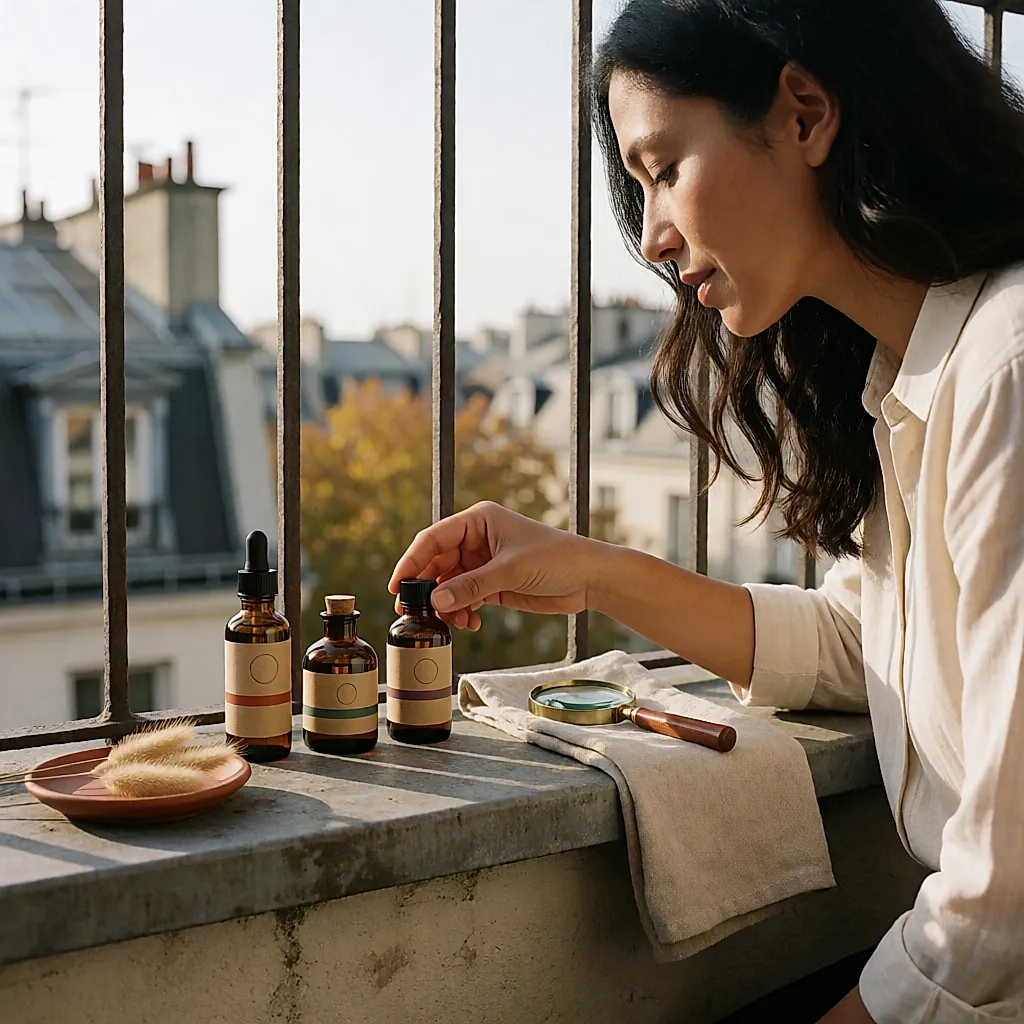
Which is where it gets complicated, because certification schemes don't all cover the same ground: some are about biodiversity and benefit-sharing, others about fairness within supply chains, others again about how natural or organic the finished product is. None of them does everything. Realistically, no brand is 100% transparent, and nobody traces a whole supply chain from their sofa. But the difference between 'we don't know' and 'we'd rather not say' is information in itself.
If a brand takes a long time to answer these three questions, that's not automatically suspicious — but it does mean you've got nothing to check its claims against yet. Ask, wait, compare. In sourcing, silence is already an answer.
What it costs
On price, expect to pay somewhere in the region of £15 to £30 for a 30 ml bottle of pure Amazonian oil from a specialist shop or online, depending on the species, the certification and the packaging. An organic oil with a genuinely traceable supply chain tends to sit at the top of that range: that's the cost of the work upstream, not magic. In beauty halls, products containing these actives start at around £25 to £40 for a 50 ml bottle and climb quickly once the brand is selling a whole world alongside them.
The best value is usually still the bottle of pure oil — amber glass by preference, stored away from light — with a few drops stirred into your evening moisturiser. A slightly richer texture, one extra step, and an active that isn't diluted inside a formula. Some organic wholesalers sell it loose as well, provided you can check the origin while you're there.
Ultimately, what you're asking of a brand isn't a novel: three clear sentences on origin, percentage and certification. If they hold up, the product may well be worth its price. If they don't, keep your money for a pure oil and do the thing yourself. It's the one step that's still there when you've only got five minutes — and it's already a good one.


Comments
Your opinion matters: rate the article, react and reply to comments.
Comments are moderated; AI-assisted comments are flagged. Text emoticons (8-), :-), <3…) are automatically shown as images.