
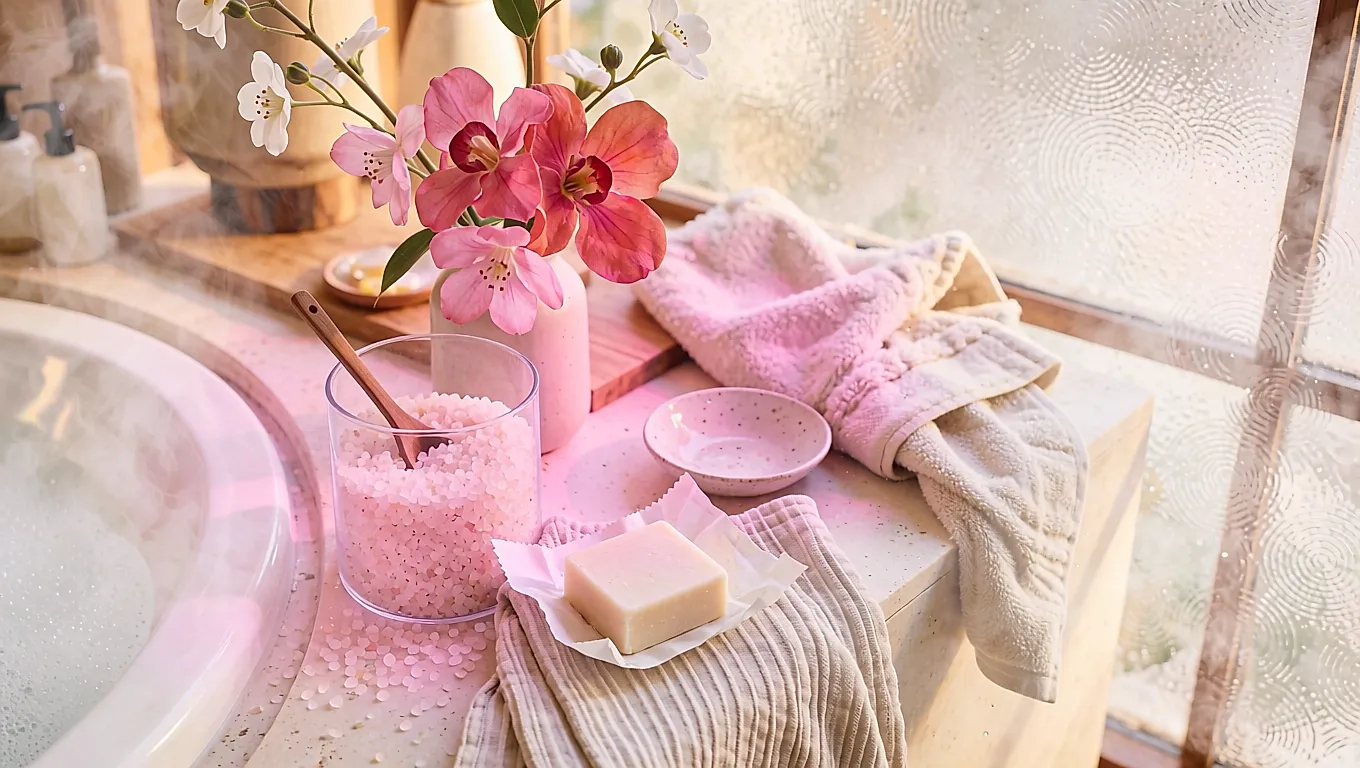
Three Sundays in a row, a bath at 37°C and the phone shut away in the kitchen. The tester's verdict: the thing that works isn't the bottle, it's the half hour you give yourself. Honestly, a bath doesn't need to foam like a swimming pool to do its job.

The bath aisle, though, is still a minefield. Promises everywhere, labels contradicting each other, skin that feels tight the moment you get out — and a strong urge to buy the lot every time you reach the till. So what's actually going on once the door is shut?
Why your skin feels tight after a bath
Hot water relaxes you, but it doesn't do your skin barrier any favours. Too hot and too long, and it weakens the hydrolipidic film that protects your epidermis. Add a heavily foaming gel and the stripping cocktail is complete: surfactants don't distinguish between sweat and the lipids that keep your skin comfortable.
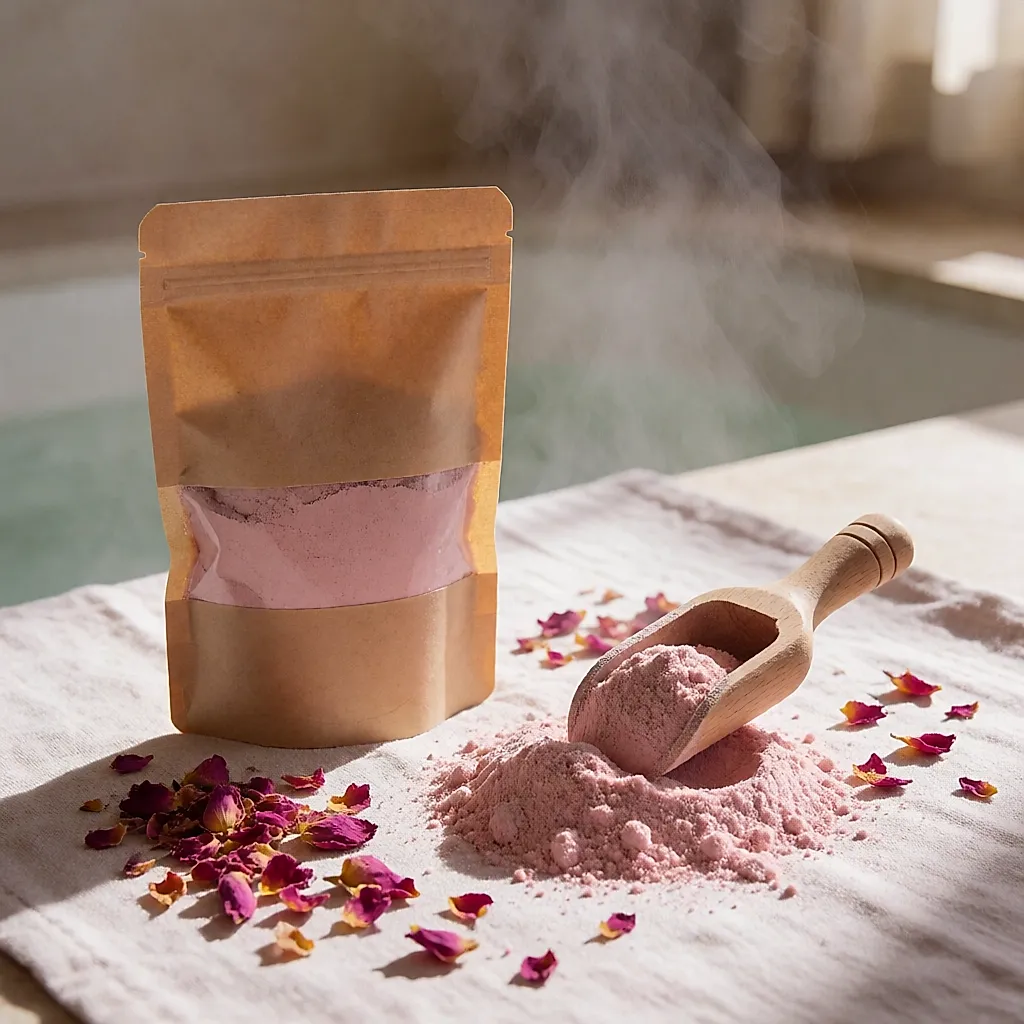
Two figures that change things: 36 to 38°C, and fifteen minutes rather than forty-five. pH matters too — your skin is slightly acidic, while a traditional soap is alkaline, around 9 or 10. Dry or reactive skin? A soap-free bar — what the industry calls a syndet — will often be better tolerated than Marseille soap.
Solid bars and refills: the packaging you don't throw away
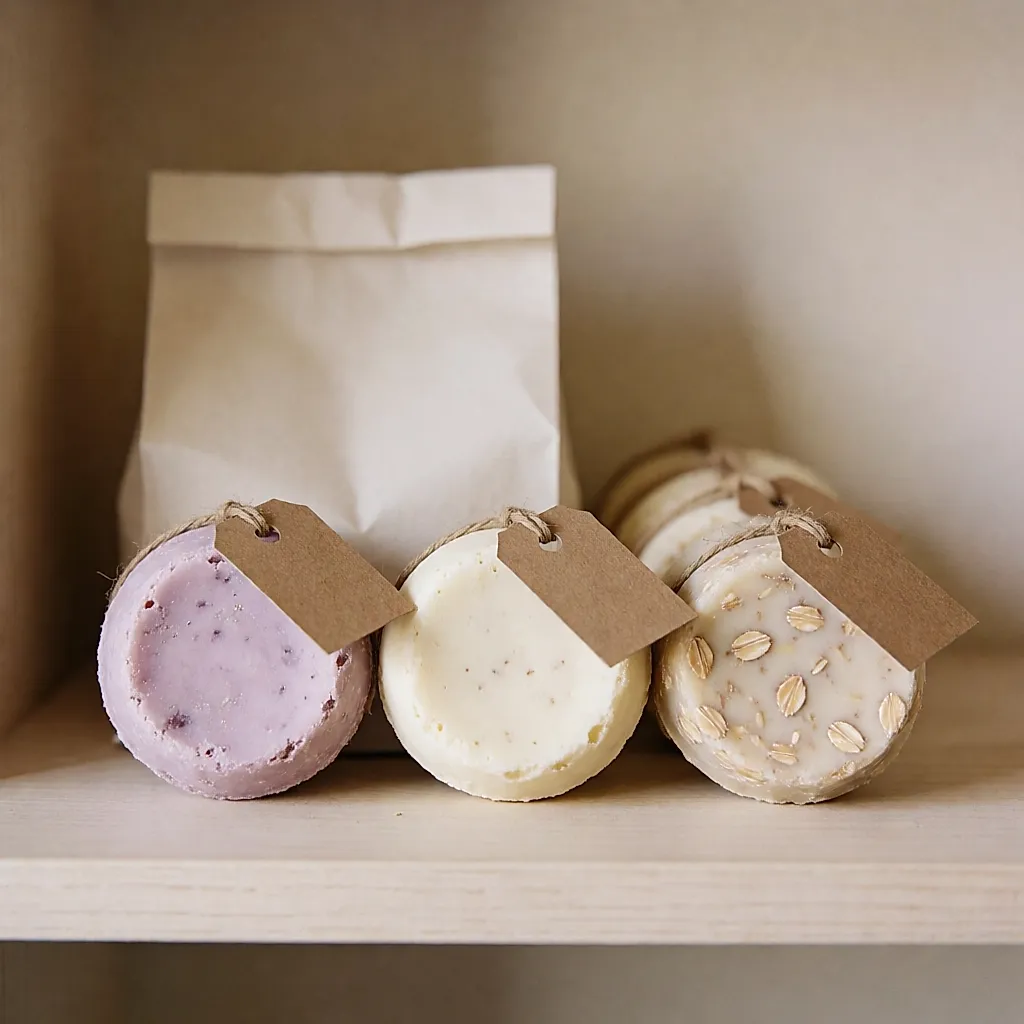
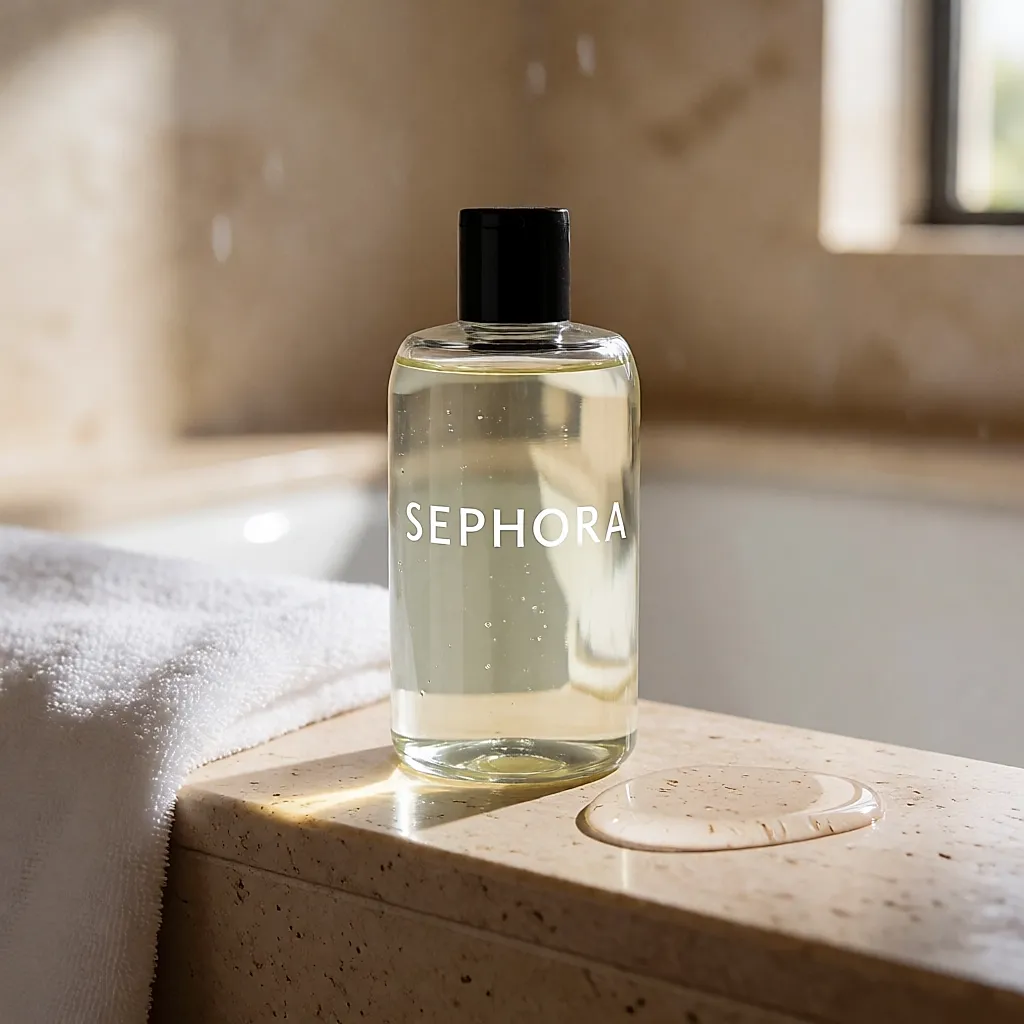
The first eco-minded move isn't an ingredient, it's a format. A solid bar or a bath fizzer does without a bottle: less water in the product, less plastic around it. A concentrated shower oil, on the other hand, is still a liquid and needs a bottle — even if it cuts the packaging per wash. On these formats, check three things: the ingredients, the certification, and what's left to throw away.
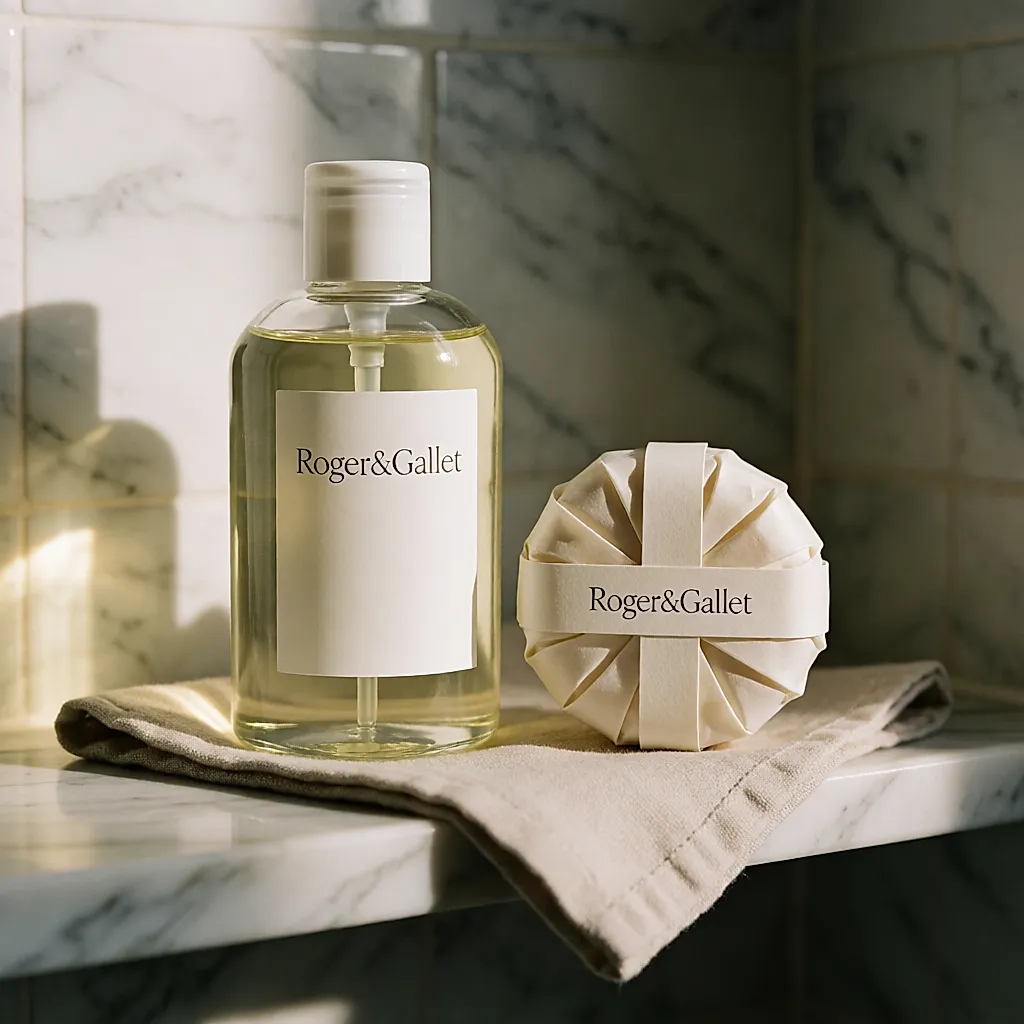
On certifications, two families are worth knowing. Cosmébio and the COSMOS standard, co-founded by Ecocert, govern organic beauty: they set minimum percentages of natural-origin and organically farmed ingredients, beyond what European cosmetics regulations require. B Corp, by contrast, certifies the company, not the formula — a useful distinction when a brand prints it large across the front of the pack.
On disposal, solid wins: nothing to sort, or just a bit of card. Bottles and pots are another story. In the UK, whether empty beauty packaging goes in your kerbside collection depends entirely on your council, and plenty don't take it. Check your local rules before you bank on the recycling bin.
Bath salts, fizzers and bubble bars
This is the fun part. Salts and bath fizzers don't cleanse: they're wellbeing products, poured into water that's already hot. At Kneipp — the German house that has built its business on them for more than a century — the fizzers come in lavender for the evening, arnica for after sport, pine for waking up. None of them replaces a wash: shower first, and let the bath be purely about winding down.
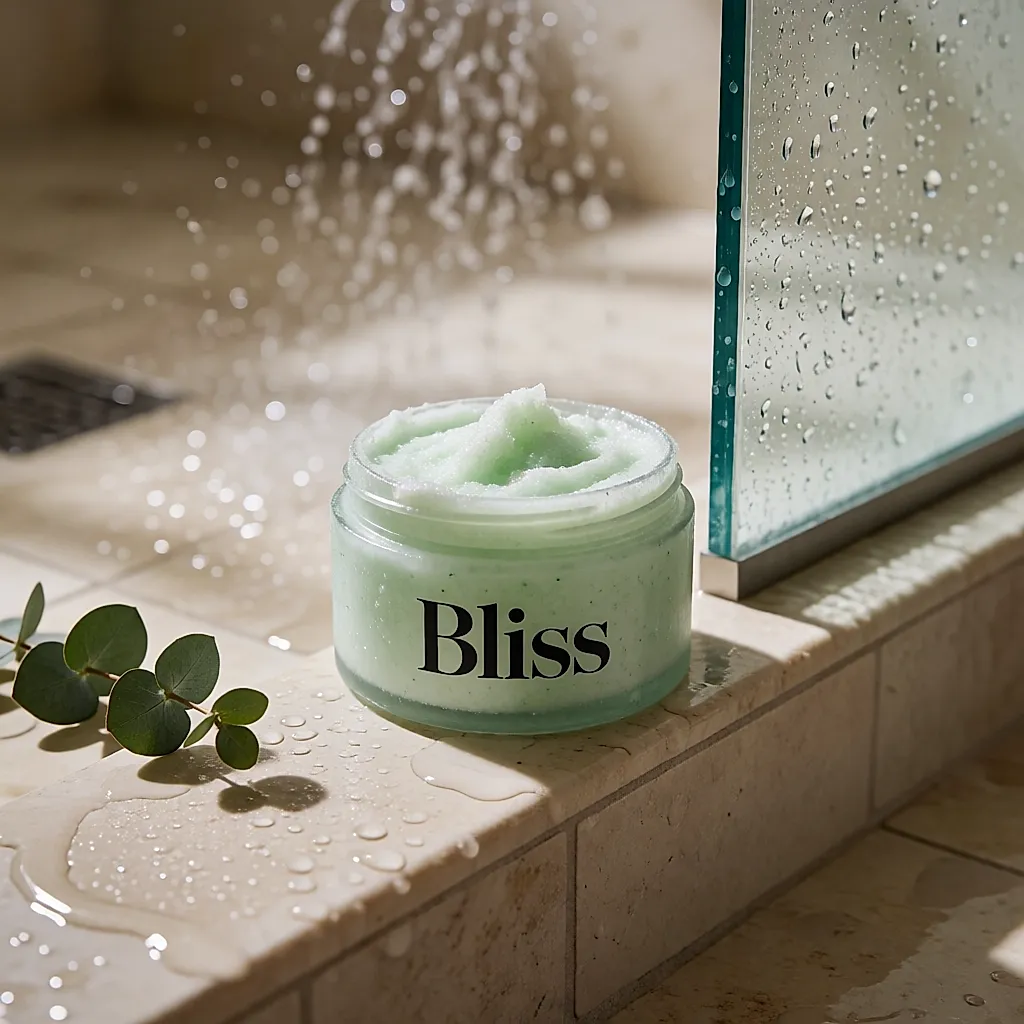
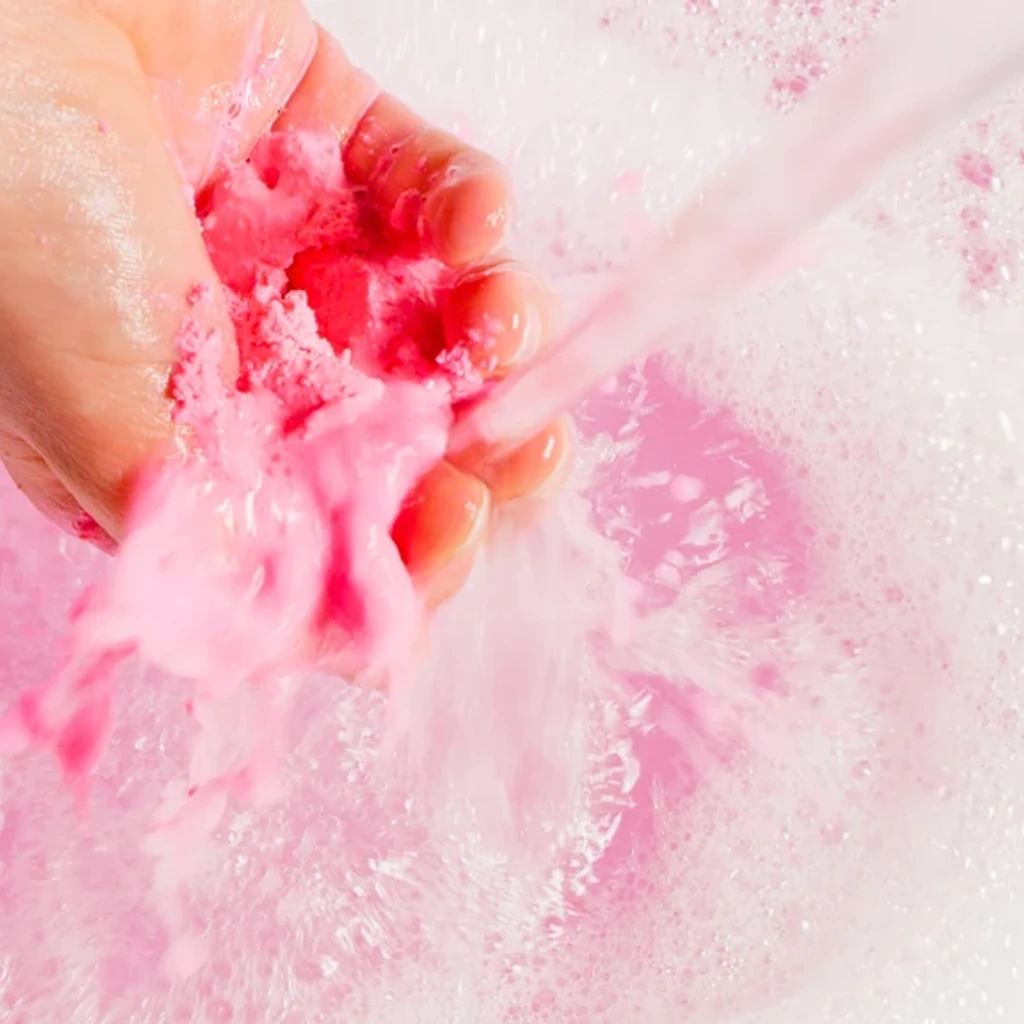
Fizzy bath bombs rely on a simple reaction: bicarbonate of soda and citric acid, fizzing on contact with water. The glitter added to them is now regulated — since 2023, EU rules have restricted intentionally added microplastics in cosmetics, with phase-in deadlines for manufacturers, and there is no matching UK restriction in force. Want to be sure? Choose a glitter-free formula, or ask what the glitter is actually made of.
The three minutes after you get out
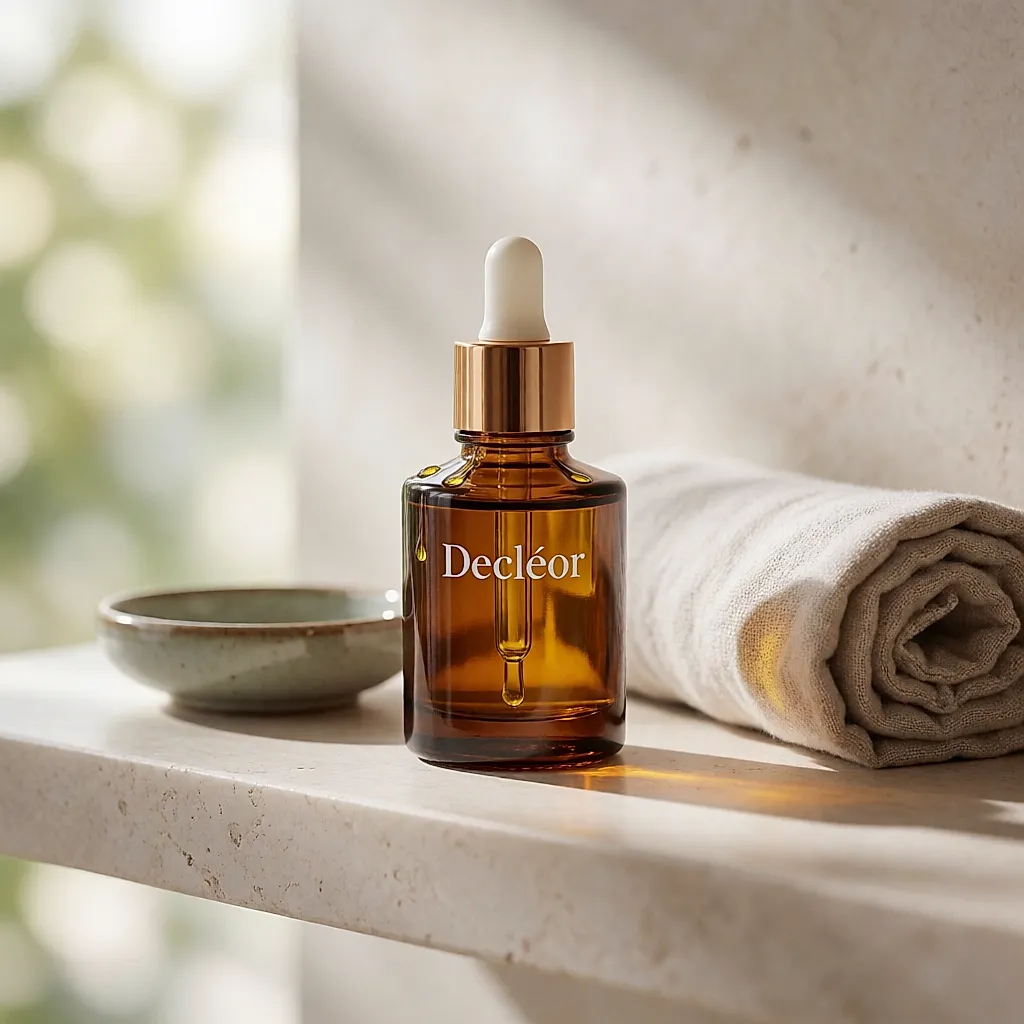
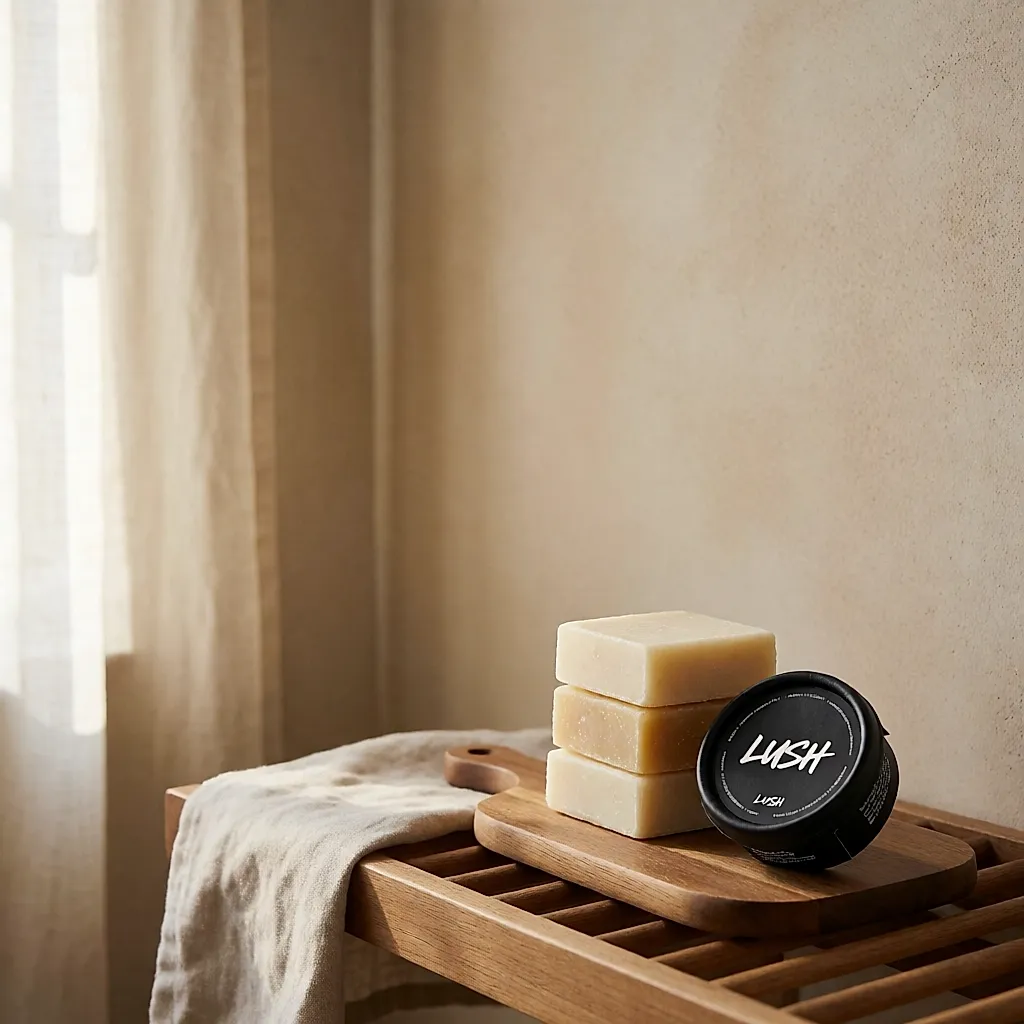
The ritual starts when you get out, not when you get in. Three minutes, watch in hand: pat yourself dry without rubbing, smooth on your oil or lotion while your skin is still damp, and let it sink in before you dress. That's when skin absorbs best — and it's the step everyone skips.
A word on textures: a lotion or a cream wash nourishes, a perfumed shower gel cleanses. If your skin feels tight, you don't need to spend more — change the texture and shorten the bath.
The format to try when you're starting out
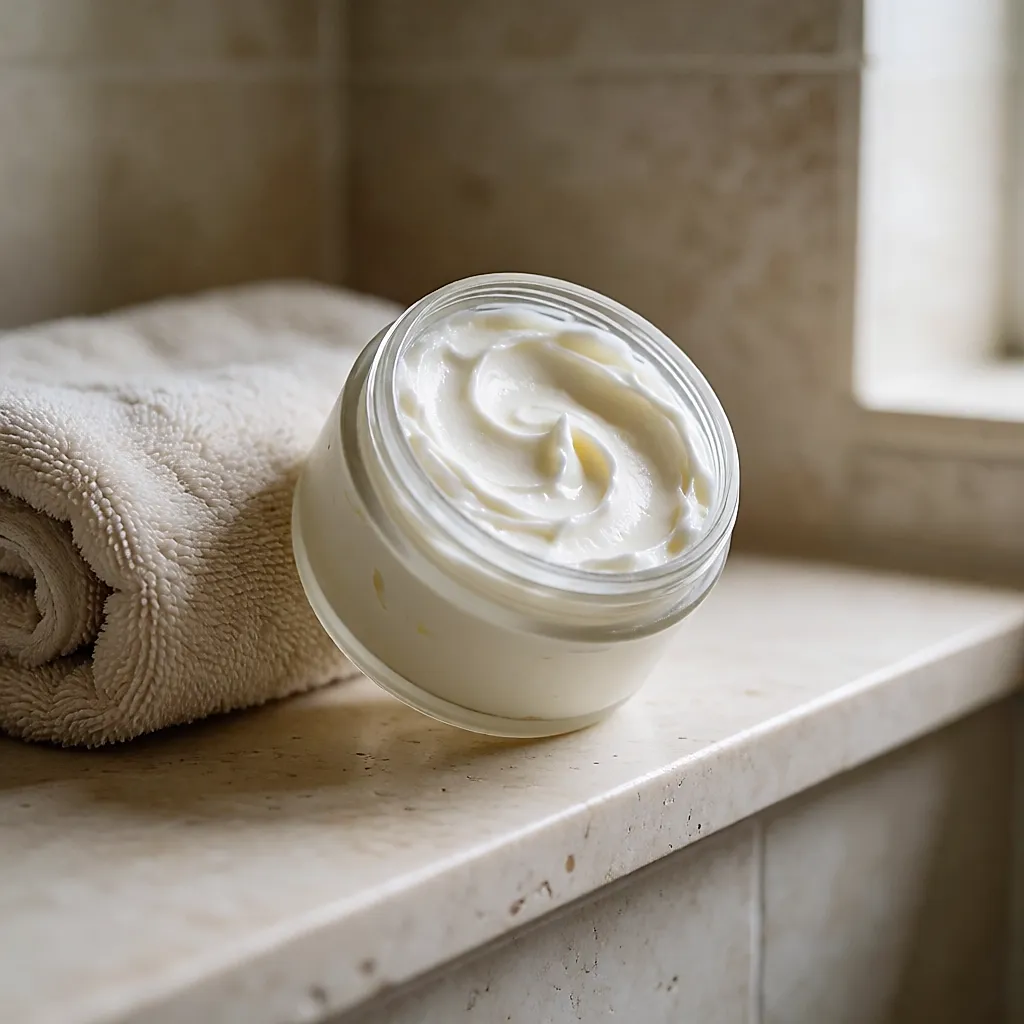
Bubble bars and soaps cut to order, sold without packaging, tick three boxes: solid, no over-packaging, bought by the unit. I haven't tested them myself — this is documented from the brands' own product information, not lived experience. Check in store: the exact ingredients, whether there are sulfates, and the actual weight of the bar, which decides how long it lasts.
What it costs
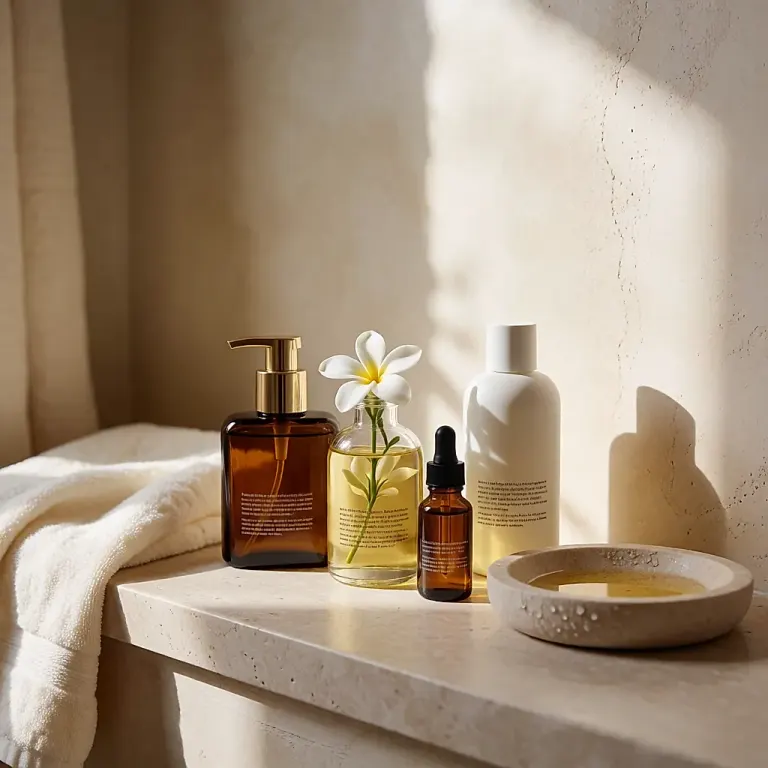
Expect to pay roughly £4 to £12 for a solid bar or a bubble bar, and around £10 for 500g of bath salts from a pharmacy, Boots or the supermarket. A 500ml organic shower gel sits at about £4 to £10 (Holland & Barrett, Waitrose, the organic ranges in the big supermarkets), while a shower gel from a fragrance house runs to around £20 to £30 for 300ml at a department store beauty hall or Space NK. Prices shift, so treat these as a guide rather than a promise.
What moves the price: concentration — a solid bar goes a long way — organic certification, the container (glass or card rather than plastic) and where you buy it. Gift sets climb past £40 quickly: handy to give, rarely good value for daily use. Online, stick to the brand's own site or a named retailer, especially for solid formats.
Sources
- UK Cosmetics Regulation — Regulation (EC) No 1223/2009 as retained in UK law, Office for Product Safety and Standards (gov.uk)
- Regulation (EU) 2023/2055 on intentionally added microplastics — EUR-Lex
- Cosmébio — official label charters (cosmebio.org)
- Ecocert — COSMOS standard (ecocert.com)
- Recycle Now — local kerbside recycling guidance (recyclenow.com)
- Kneipp UK — bath and salt ranges (kneipp.co.uk)

Comments
Your opinion matters: rate the article, react and reply to comments.
Comments are moderated; AI-assisted comments are flagged. Text emoticons (8-), :-), <3…) are automatically shown as images.