
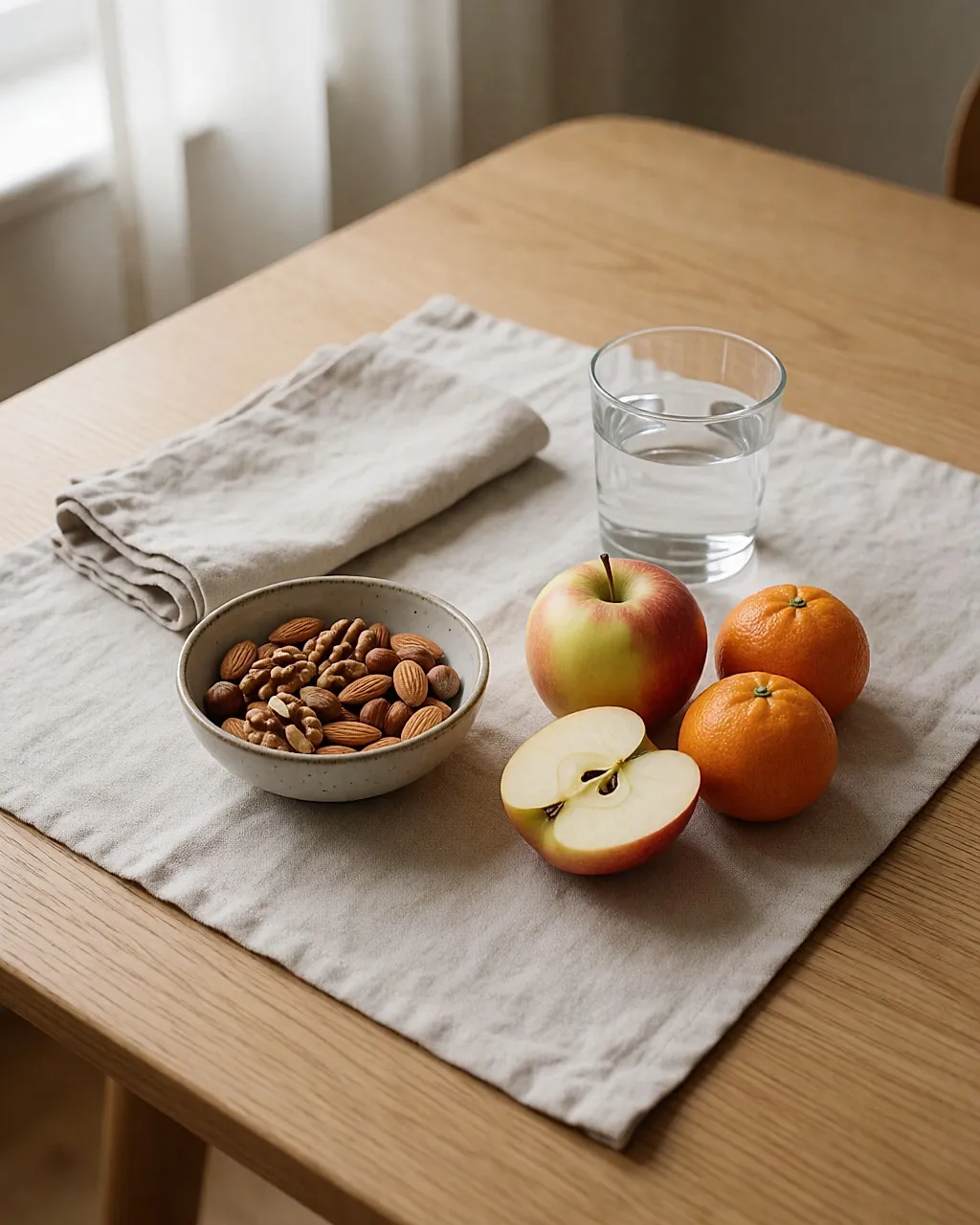
It's 4pm. Lunch is a distant memory and dinner is still hours away. Your stomach is reminding you, and that little dip is not a failure. In practice, it isn't so much the time you eat that matters as what you eat.
What the evidence says about snacking
Snacking has long been presented as a slip-up. The picture is more nuanced. What current evidence suggests is that repeatedly snacking on fatty, sugary foods when you're not truly hungry matters more than a snack chosen when your energy dips. The difference comes down to quality and quantity, not just how many times you eat.
A useful snack brings together three things: protein, fibre and a little healthy fat. This trio slows digestion and keeps hunger steady until your next meal. A very sugary product, by contrast, may give a brief energy lift, but the body's response and how full you feel vary from person to person, depending on the food's composition and the context.
Three structured meals remain the foundation: they satisfy hunger and limit the urge to pick. And if you get up early or finish late, skipping a snack isn't necessarily a good deal — hunger builds up and catches up with you at dinner, often in larger quantities.

Five simple options to keep on hand
- A handful of nuts. Almonds, walnuts, hazelnuts, unsalted and not oil-roasted: fibre, minerals and unsaturated fats. Keep to a small handful; they're energy-dense.
- Plain yoghurt or skyr, with no added sugar. Add a spoonful of honey or a few berries yourself. Calcium and protein, without the sweet flavourings of ready-made versions.
- One or two whole fruits rather than a juice. Apple, pear, banana, clementines in season: water, fibre, vitamins, and easy to carry anywhere.
- Two squares of 70% dark chocolate when it's something sweet you're after. Eat it slowly; one square is often enough. Choose it over sweets, which bring neither fibre nor fullness.
- A bowl of soup, even at the office. Cartons or jars are easy to heat up; check the ingredient list and salt content.

Ready-made products: read the label closely
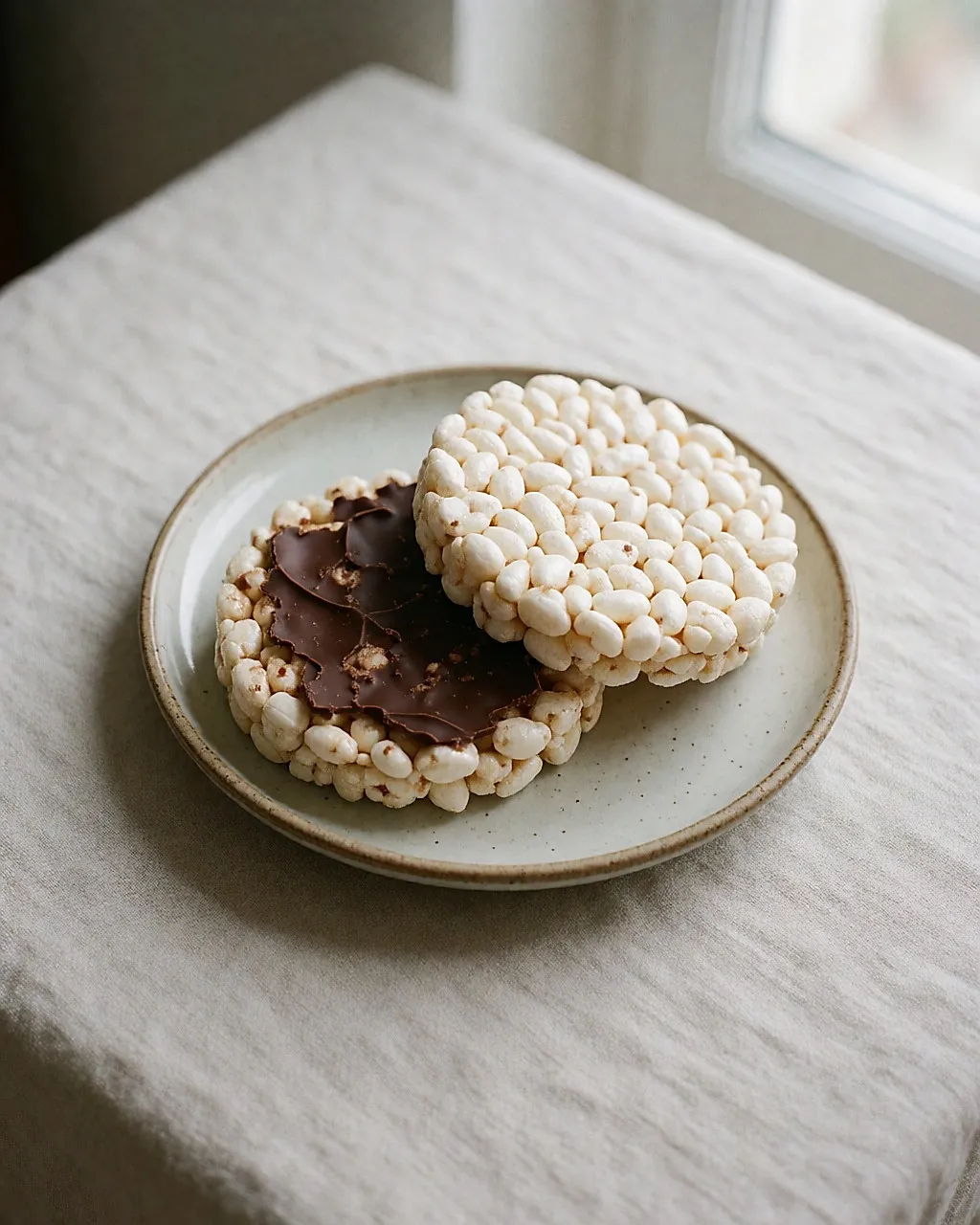
Cereal bars are not all equal. A bar made with dried fruit and oats is a world away from one coated in milk chocolate and glucose syrup. A useful rule: a short ingredient list, and sugar that doesn't appear near the top. The same logic applies to rice cakes: plain, they're very light but not very filling; topped with dark chocolate, they make a decent snack, no more.
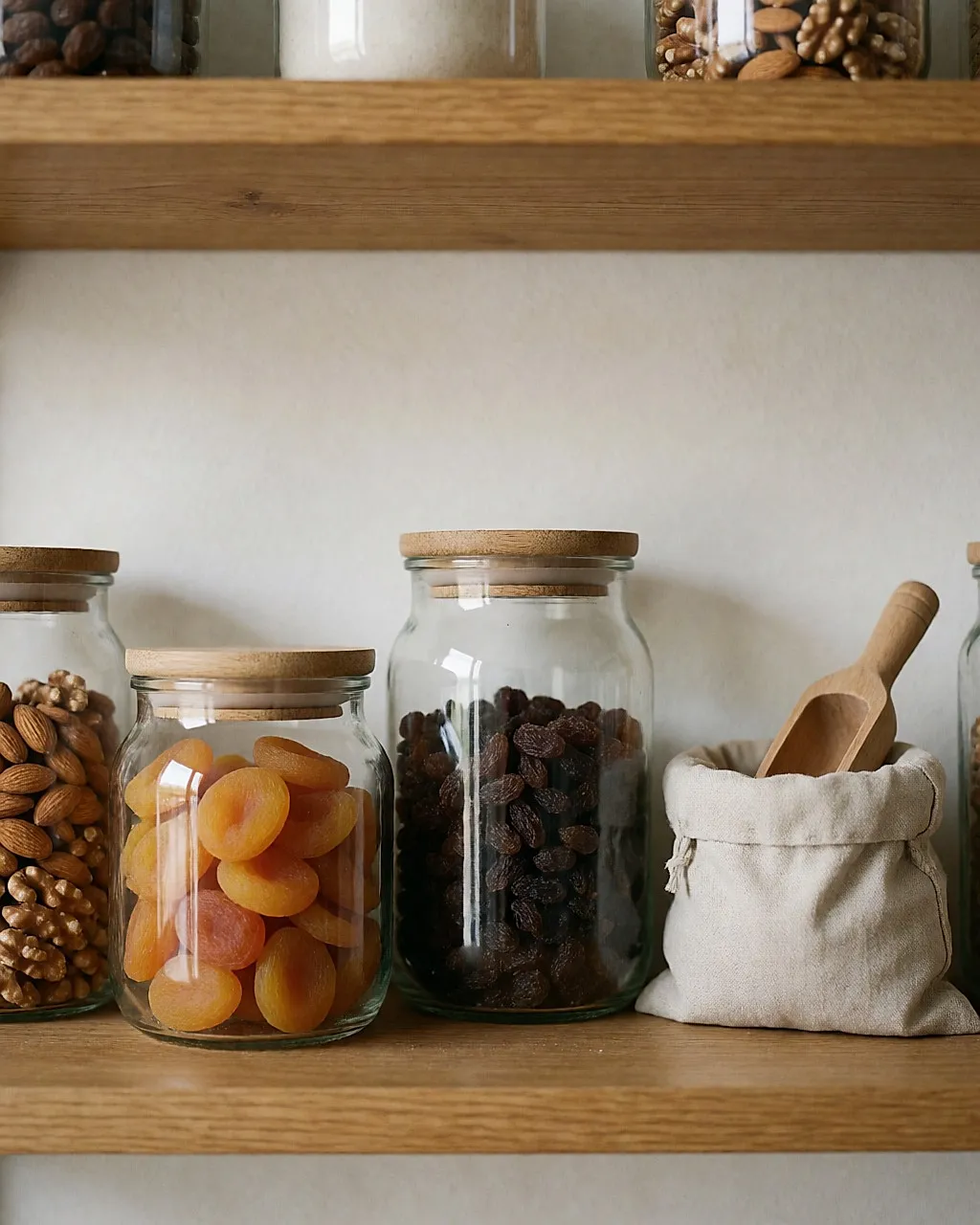
Buying in bulk lets you control portions and cut packaging. It's often the same product, cheaper per kilo — and you choose exactly what you need, with no individual wrappers to throw away.
A snack that comes back every evening, brings guilt with it, or replaces a meal isn't just a matter of organisation. If it worries you, if your weight changes without explanation, or if you're taking medication, speak to your GP or a registered dietitian. They can look at your situation as a whole.

Budget
- Plain nuts: budget around £10–£22 per kilo in bulk, depending on variety, certification and origin. 200g packs often cost more per kilo.
- Fresh fruit: around £2–£4 per kilo for seasonal UK-grown fruit; out-of-season berries often exceed £15 per kilo.
- Plain yoghurt or skyr: around 30p–90p per pot, depending on size, brand and organic certification.
- 70% dark chocolate: £1.50–£4 per 100g bar, with organic and Fairtrade at the top of the range.
- Soup in a carton or jar: £1.50–£4 per litre; homemade often comes in under £1 per litre.
What moves the price: certification, buying in bulk, season, brand and where you shop — market, health food shop or supermarket. Bulk nuts and seasonal fruit remain the two most effective levers.
Sources
- NHS, The Eatwell Guide.
- NICE, guidance on weight management and lifestyle weight management services.
- World Health Organization, 'Guideline: sugars intake for adults and children', 2015.
- Public Health France, French National Nutrition and Health Programme (PNNS 4) and mangerbouger.fr (French national guidance).
- Anses, 'Updating the PNNS dietary guidelines: revised benchmarks for food consumption', 2016 (French national guidance).
- McCance and Widdowson's The Composition of Foods (UK food composition data); the original French article also referenced the Anses CIQUAL table.



Comments
Your opinion matters: rate the article, react and reply to comments.
Comments are moderated; AI-assisted comments are flagged. Text emoticons (8-), :-), <3…) are automatically shown as images.