

A flatter, firmer stomach
You can do set after set of sit-ups and nothing shifts. Or rather: your stomach stays there, round, stubborn, as if it hasn't got the message. Rest assured, you're not alone in this, and it's probably not a lack of willpower. The shape of this area depends on a whole cluster of factors working together: fat distribution — partly genetic and hormonal — digestion, the tone of your deep muscles, and even the posture you hold without thinking from morning to night. What we do know is that these levers work as a team. What we don't yet know is how long your body will take to respond. In practice, remember this: consistency matters more than one weekend of intensity. And if pain, discomfort or a change in appearance worries you, that's something to sort out with a healthcare professional — not with a programme you found online.
On the plate: lighter, not punishing
The World Health Organization recommends keeping free sugars below 10% of your daily energy intake. No spreadsheet needed to get there — good news! Sugary drinks, everyday pastries and processed sauces quickly add up. Current evidence suggests that an excess of added sugars mainly causes problems through the energy imbalance it creates, rather than through a targeted effect on the stomach. In other words, sugar isn't aiming for your belly button — but it is one lever among others.

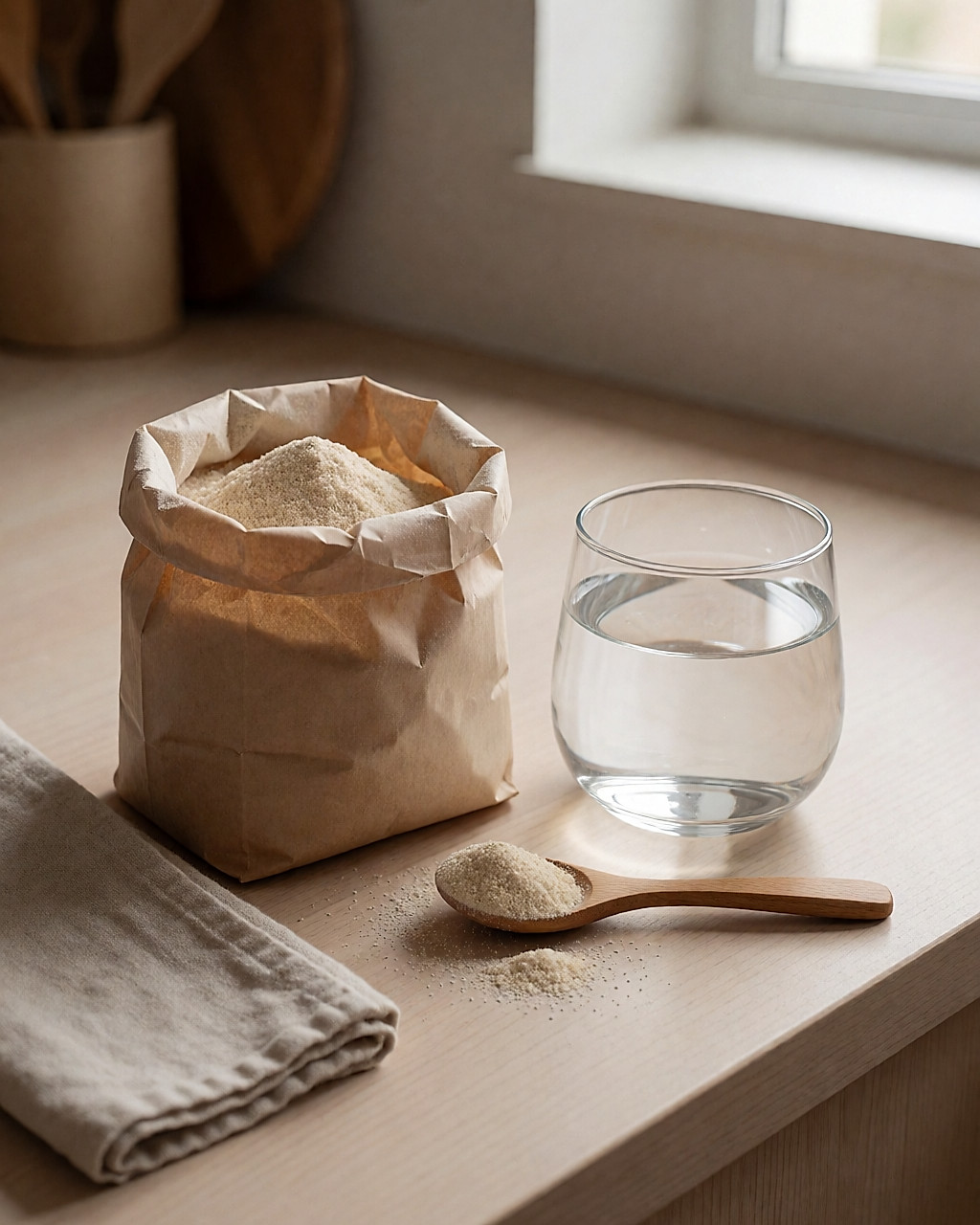
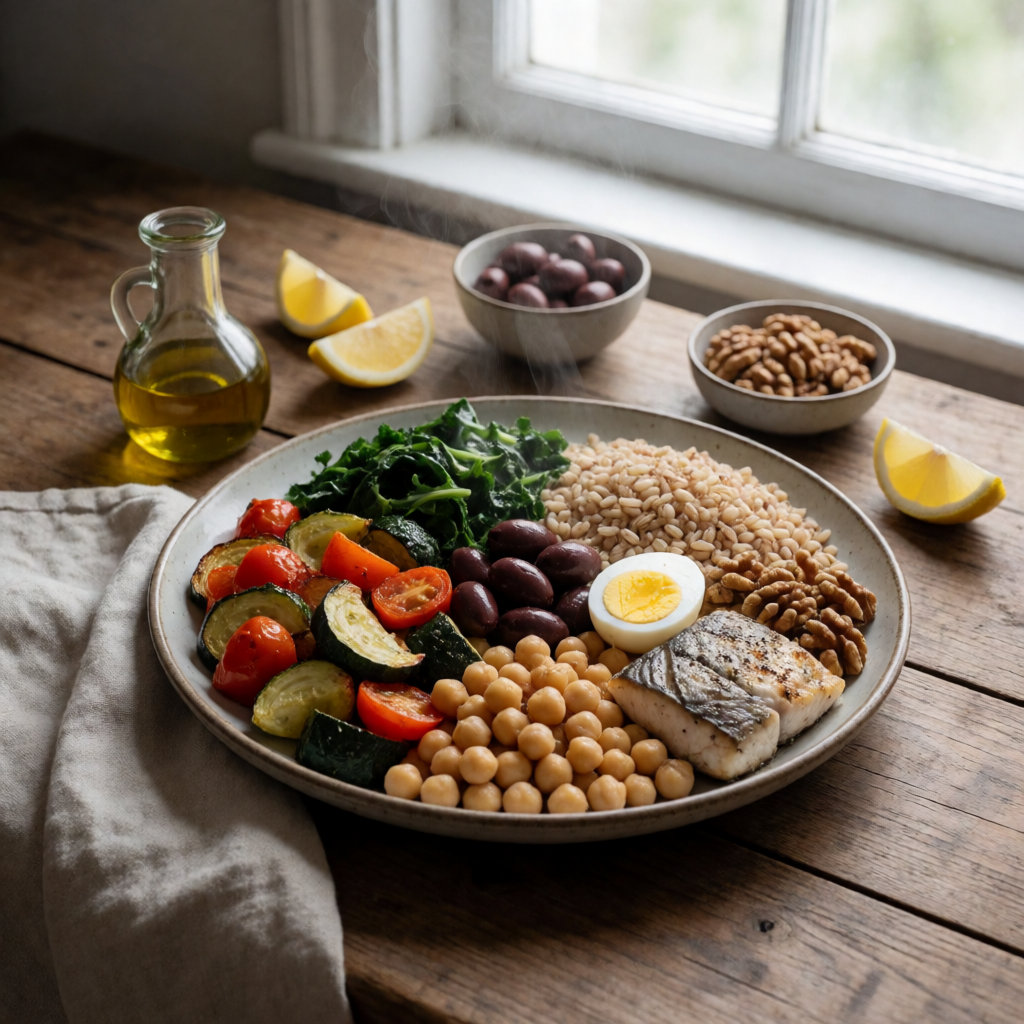
Fibre, meanwhile, is your quietest ally. Fruit, vegetables, pulses and wholegrains: France's food safety agency ANSES puts the benchmark at 25 to 30 grams a day, while most of us stay below it. The catch? Increasing it all at once often causes uncomfortable bloating. Spread it over several weeks, and drink plenty of water at the same time — your digestion will thank you.
On fats, favour plant oils: olive, rapeseed, walnut. Also keep an eye on products that still contain industrial trans fats; regulations limit their content, but pastries and ready meals are worth a glance at the label. Alcohol deserves a separate mention: it provides energy without useful nutrients. Santé publique France reminds us of the guidelines — no more than two standard drinks a day, and not every day. Nothing is forbidden, just a framework that helps when you want a clearer picture.
Drinking right, without falling for promises
ANSES suggests around 1 to 1.5 litres of fluid a day for an adult, adjusted for heat and activity. The rest is common sense: fizzy drinks combine sugar and gas, and in sensitive people, carbonated drinks can keep a feeling of bloating going. Nothing dramatic — but if your goal is a comfortable stomach, still water remains the simplest base. Green tea and herbal teas count towards hydration and bring a little pleasure, which is a bonus.

On sweeteners, the agencies' position is nuanced, and it's important not to caricature it. The European Food Safety Authority (EFSA) has set an acceptable daily intake for aspartame; in 2023, the International Agency for Research on Cancer classified it as “possibly carcinogenic”, without changing that intake. In practice: a diet fizzy drink now and then isn't a problem; making it your main drink isn't worth it.
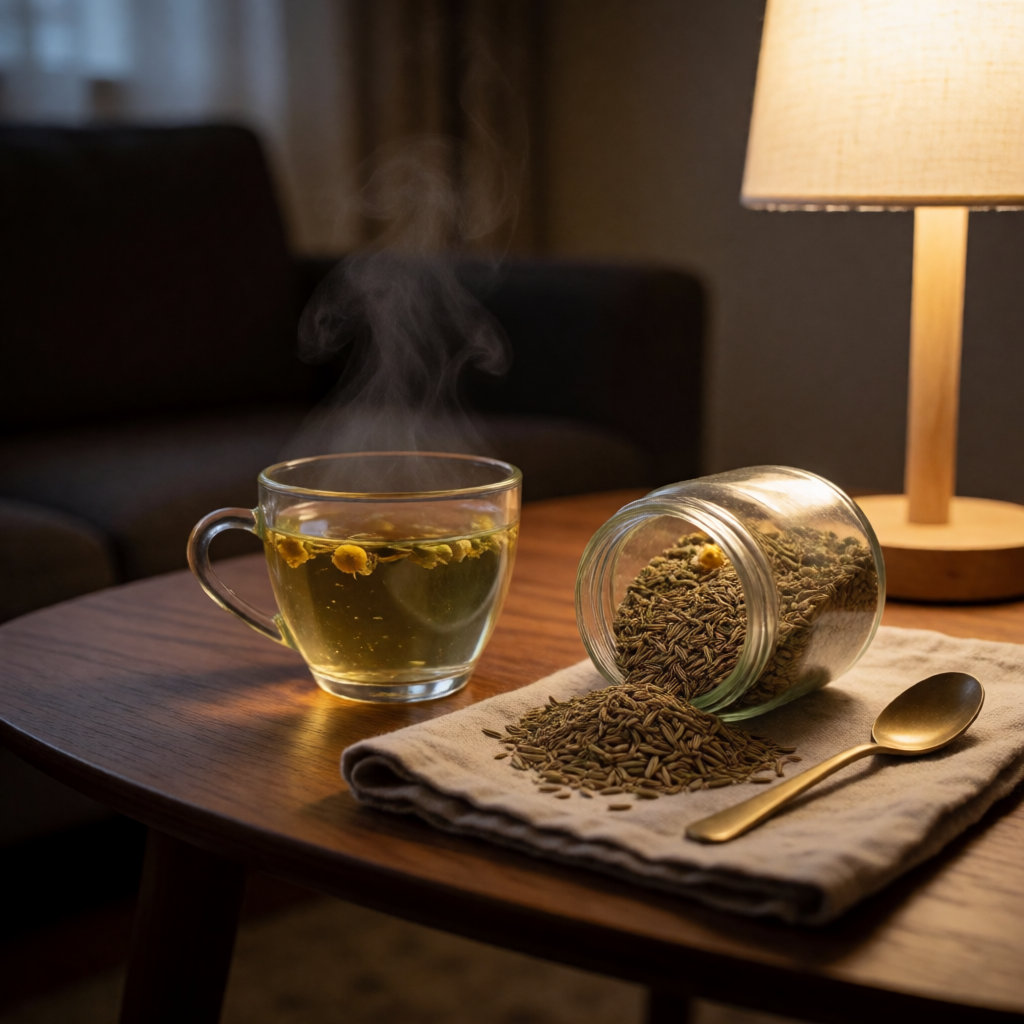
Be wary, though, of “draining” or “detox” herbal teas sold as solutions. Herbs don't melt fat, and some interact with medicines. If you're taking medication, a quick word with your pharmacist will settle the question in two minutes.
Moving: the whole body, not just the stomach
The WHO recommends, for adults, 150 to 300 minutes of moderate-intensity activity a week, plus muscle-strengthening exercise twice a week. Cycling, swimming, brisk walking, dancing, dynamic yoga: almost anything counts, and the key is finding something you like enough to come back to the following week. That's often where it's decided — not in choosing the “best” activity, but the one you'll want to repeat.

One often misunderstood point deserves a closer look: doing endless sit-ups doesn't make the fat in front of them disappear. Spot reduction doesn't exist — it's overall physical activity and a balanced diet that change body fat. Strength work, meanwhile, improves tone and support; that's already a lot, and it shows in your shape as soon as you hold yourself well.
A small note for particular situations: if you've recently given birth or your back is fragile, hypopressive exercises and pelvic floor work should be done with a physiotherapist or women's health physiotherapist. Deep breathing, however, can be practised on your own: lying on your back, breathe in letting your stomach expand, breathe out letting it return. A few minutes a day are enough to feel your deep abdominal muscles working.
A stomach that starts swelling quickly, pain, bloating that lasts, or unexplained weight loss shouldn't be self-managed. These signs warrant medical advice and follow-up. Talk to a professional — your GP, pharmacist or midwife depending on the situation.
Posture, massage: the moves that change perception
A hunched position doesn't destroy your abs, but it pushes your stomach forward and keeps lower-back tension going. Thinking about straightening your upper back, lifting your chest and relaxing your shoulders changes how your shape is perceived — and plays a part in preventing pain linked to desk-bound days. Here, the point isn't only aesthetic: your back will thank you before your mirror does.
Massage, finally, doesn't melt fat — let's not dream. It remains a good extra: relaxation, a temporary feeling of less bloating, circulation. In a salon or at home with a plant oil, a few minutes are enough — no need to turn it into a two-hour ritual.
Budget
Ranges vary by city, brand and stockist.
- Yoga mat: expect around £12 to £35 in supermarkets or online; more for a thick natural rubber model.
- Green tea or herbal teas: a few pounds per 100g loose leaf, often cheaper than teabags — and without individual wrapping.
- Plant oil for massage: £7 to £18 for a 100ml bottle in a health food shop. Choose a virgin, cold-pressed oil sold in glass.
- Group yoga or Pilates classes: £10 to £22 per class; expect £35 to £75 for a monthly studio pass.
- Massage in a salon: £50 to £90 an hour, more in a hotel spa.
- Physiotherapy or women's health physiotherapy for abdominal work: free on the NHS if referred by your GP; private sessions typically £45 to £85.
Sources
- World Health Organization — Physical activity, fact sheet, 2024.
- Santé publique France — Alcohol consumption guidelines, 2024.
- EFSA — Re-evaluation of aspartame, 2013.
- IARC / WHO — Aspartame classification, 2023.
- French National Nutrition and Health Programme — Manger Bouger, 2025.

Comments
Your opinion matters: rate the article, react and reply to comments.
Comments are moderated; AI-assisted comments are flagged. Text emoticons (8-), :-), <3…) are automatically shown as images.