
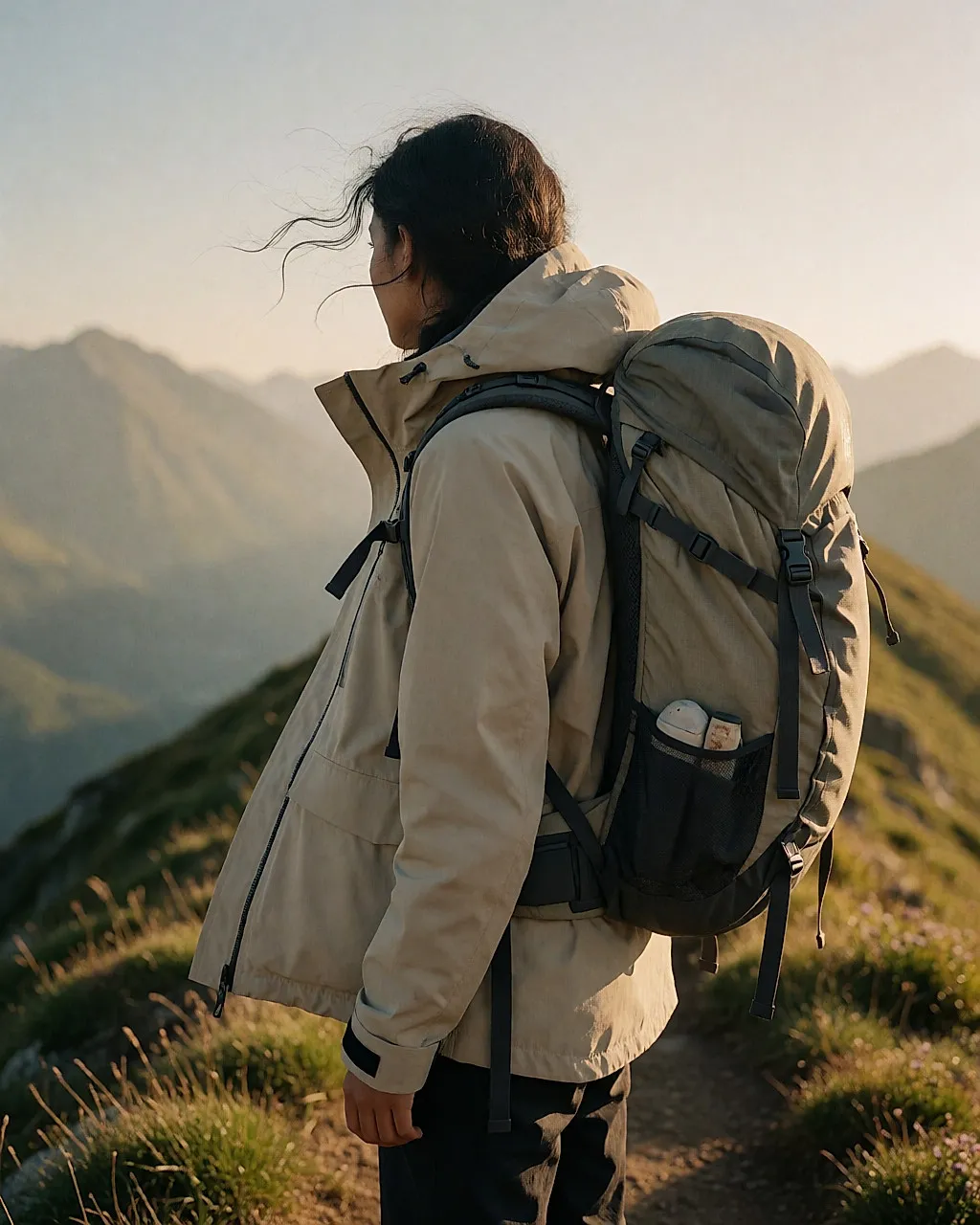
You set off in the morning, rucksack sitting comfortably on your shoulders, and the thought that something could happen doesn't even cross your mind — and that's exactly as it should be. You go to the mountains for the light, the sharp air, the feeling of being a little above everyday life. Except that accidents, when they happen, often occur late in the day, when tiredness, cold and fading alertness add up. And the first moments spent with an injured person then matter more than anything you had planned. That can be prepared for.
Before you set off: prevention is already rescue
The biggest risk factor isn't so much the slope as the weather you ignored and the time you pushed back. Check the Met Office forecast and, in winter, the avalanche risk forecast from the Scottish Avalanche Information Service (SAIS). If conditions are bad, turning back is not a defeat: it's a sensible choice. Tell someone close to you where you're going and what time you expect to be back down. And if you're heading abroad, check what your insurance covers, because search and repatriation can quickly become your responsibility.
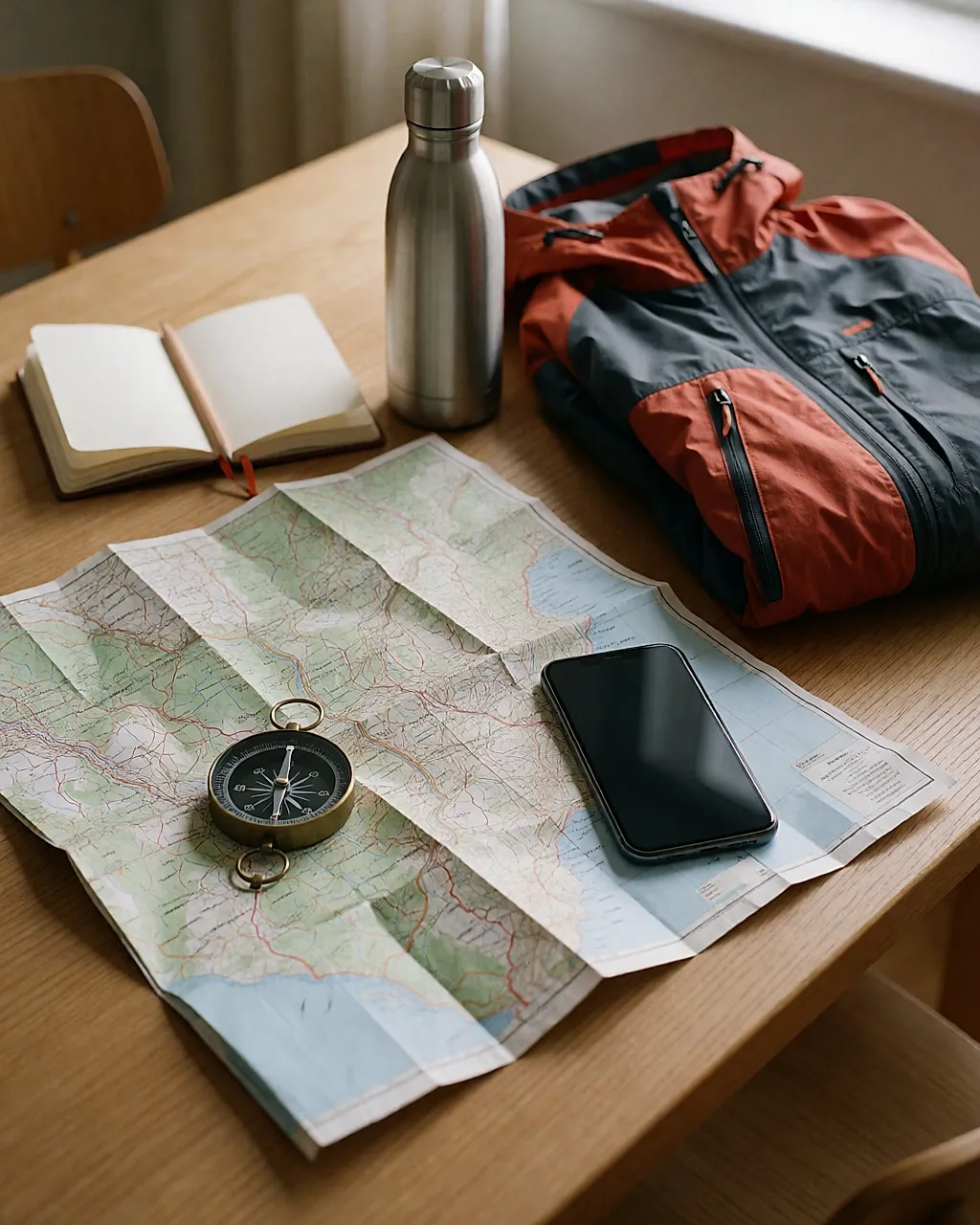
In your rucksack: what really helps
Take:
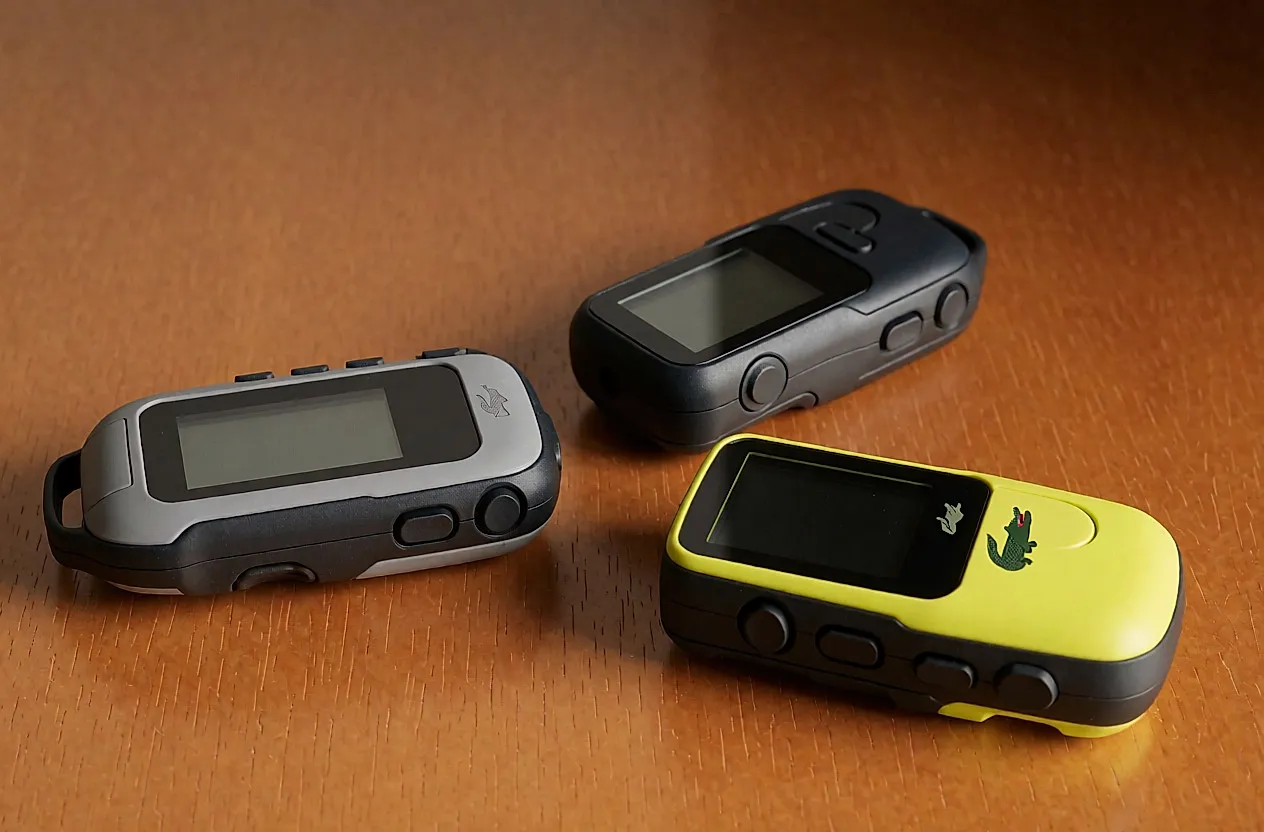
- a charged phone, a power bank, a full water bottle;
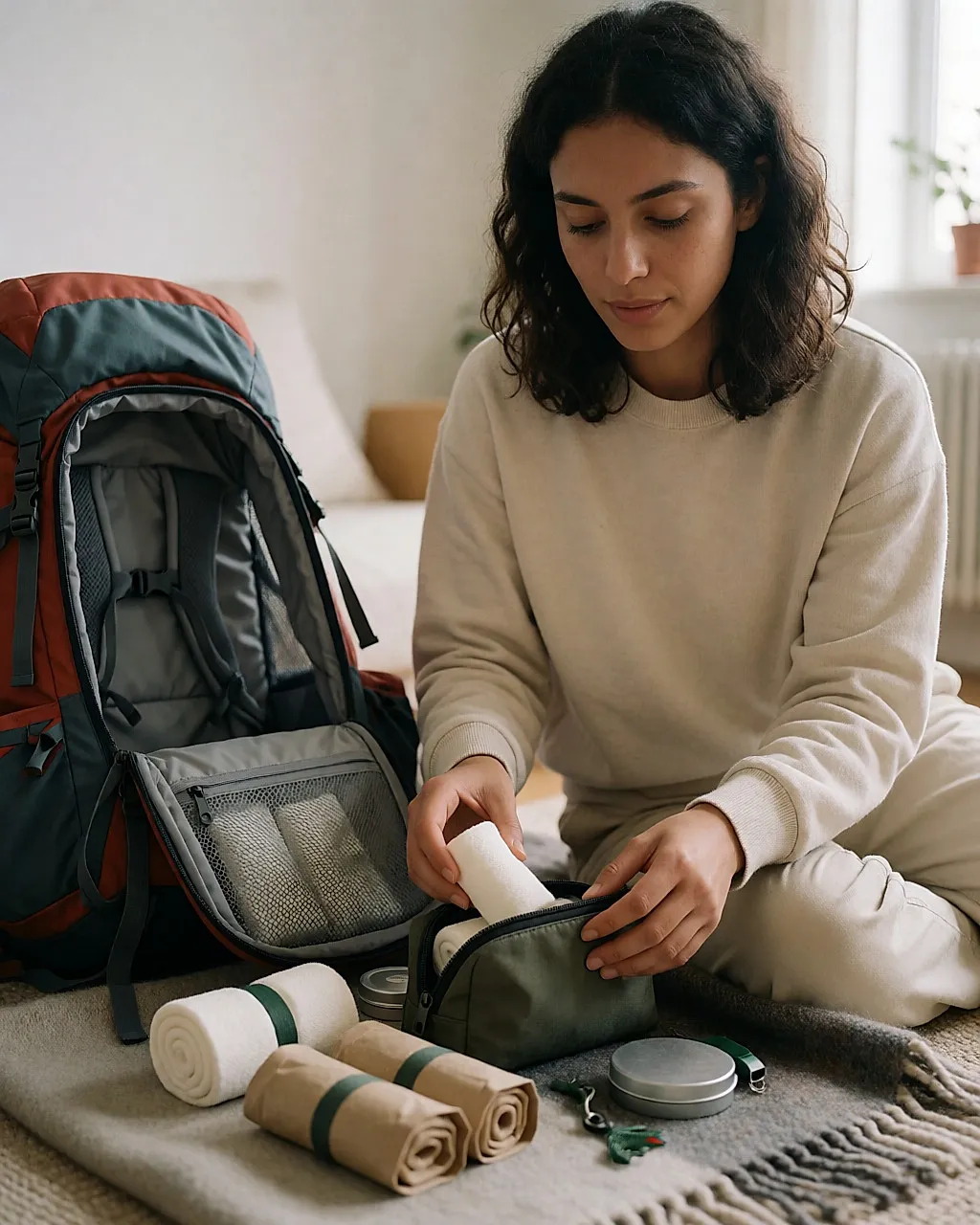
- a first aid kit with sterile dressings, bandages, plasters, gloves, antiseptic, a survival blanket and a whistle;
- a head torch, a warm layer, a windproof jacket, something to eat;
- for longer outings, a PLB distress beacon (406 MHz) or a satellite tracker, and a GPS route.
As for the container, a fabric pouch or metal tin that you refill costs a little more than a disposable kit, but it cuts down on waste. For dressings and plasters, however, single-use sterile items are still justified: hygiene comes before packaging.
The five-point emergency call. 1) Where: town or village, locality, altitude, path, GPS coordinates if you have them. 2) What: fall, avalanche, sudden illness, number of casualties. 3) Condition: conscious or not, breathing, what are they complaining of. 4) What has already been done. 5) Who you are: a contact number, and the colour of clothing and rucksacks, which is valuable for locating you.
Alerting rescue services without wasting time
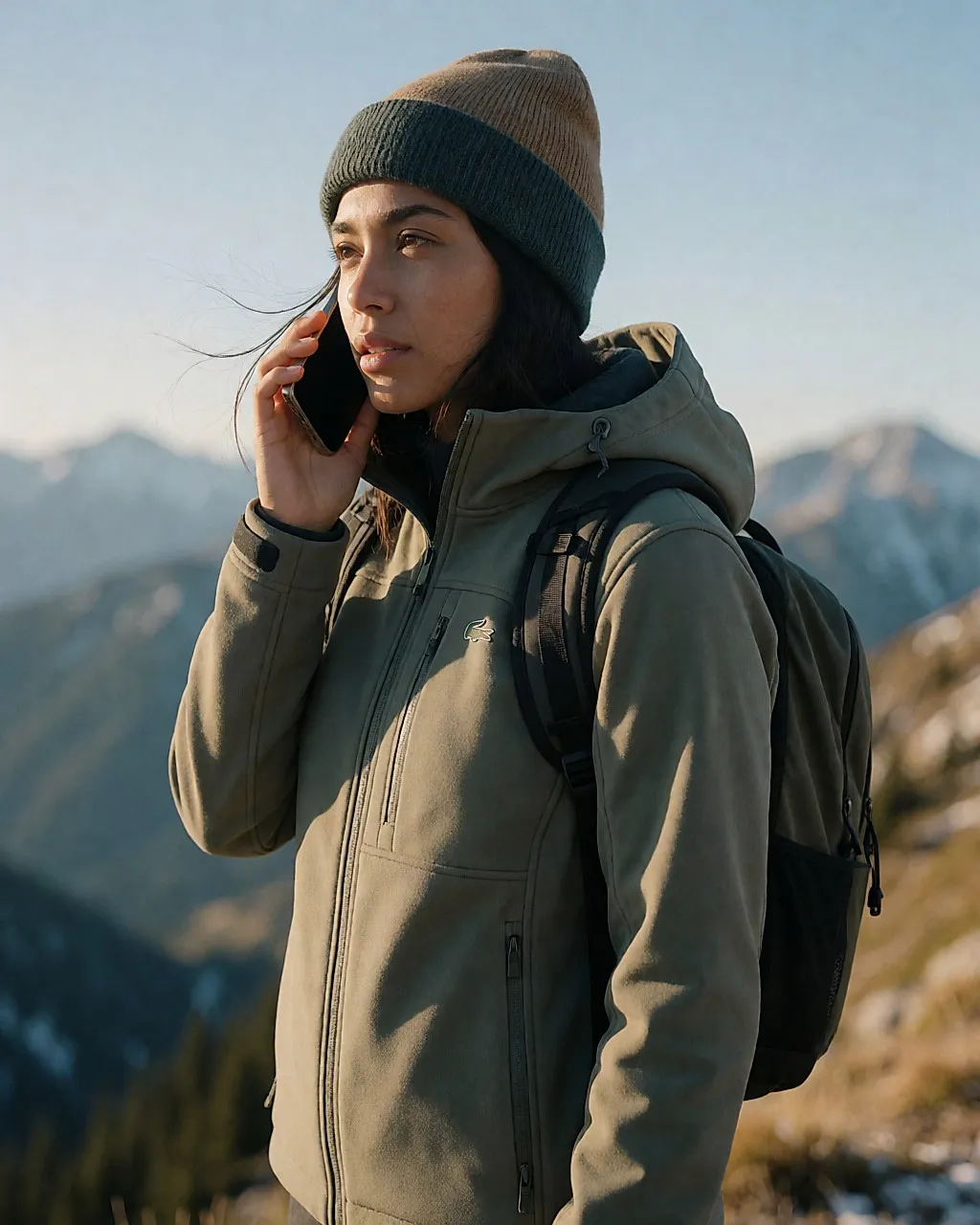
In the UK, dial 999 for the emergency services. You can also dial 112, which connects to the same service. For people who are deaf, hard of hearing or have difficulty speaking, use the emergency SMS service: register in advance, then text 999. Relay UK is another option. During the call, stay calm, speak slowly, answer questions without adding unnecessary detail. Only hang up when the operator tells you to, and keep your phone switched on afterwards: lower the brightness to save battery, but above all don't switch off the network. If several people call, the operator cross-checks the information — that's not a problem.
On the spot: make safe, cover, reassure
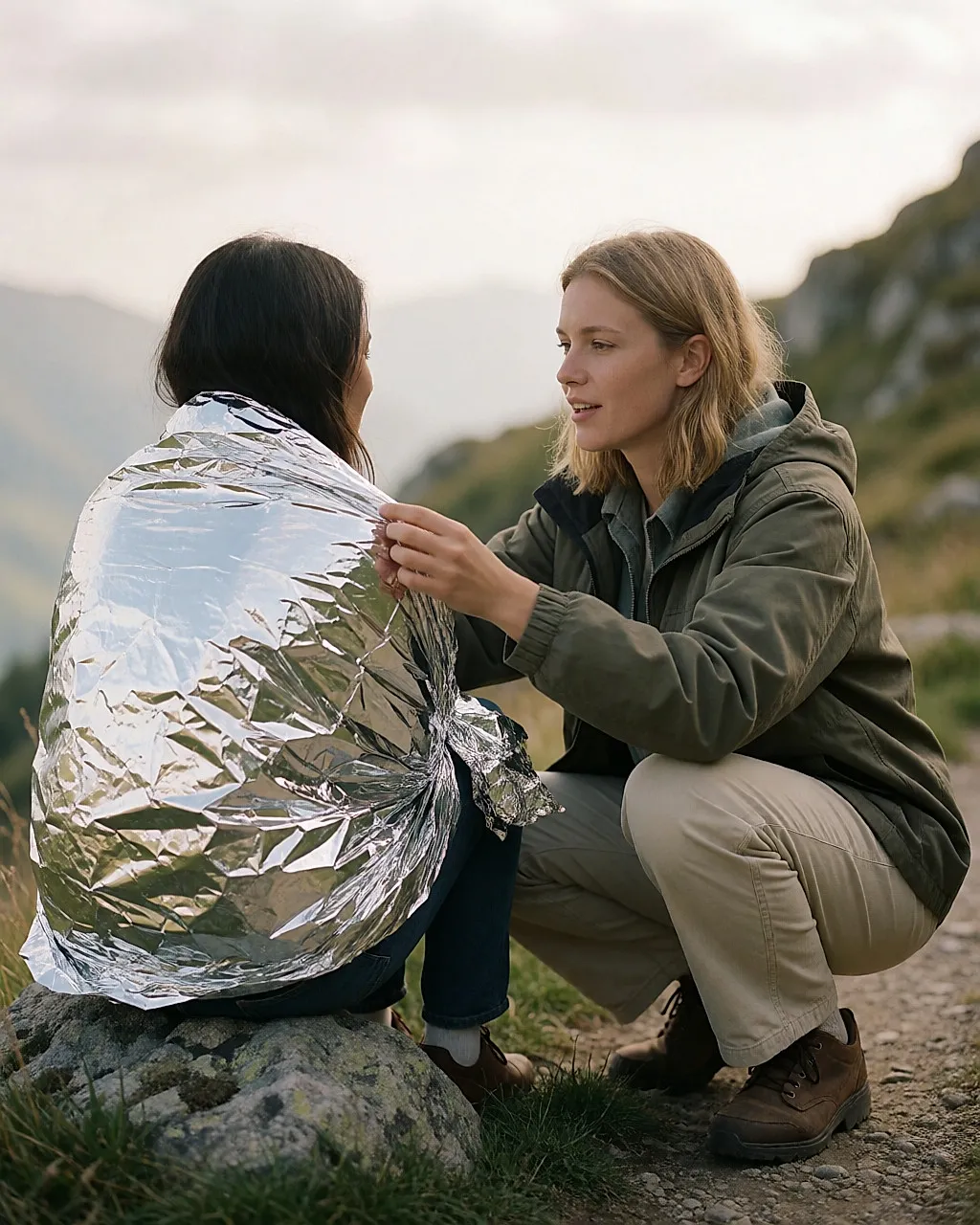
First make the area safe: falling rocks, risk of a second avalanche, traffic. Do not move an injured person if you have any doubt, especially after a fall or a head or back injury, unless there is immediate danger. Insulate them from the ground, cover them, talk to them, monitor their consciousness and breathing. And take turns: panic can set in faster than you think. In practice, your role ends there: you protect, alert and pass on facts. You do not make a diagnosis — medical advice remains a professional's job.
No signal: plan B
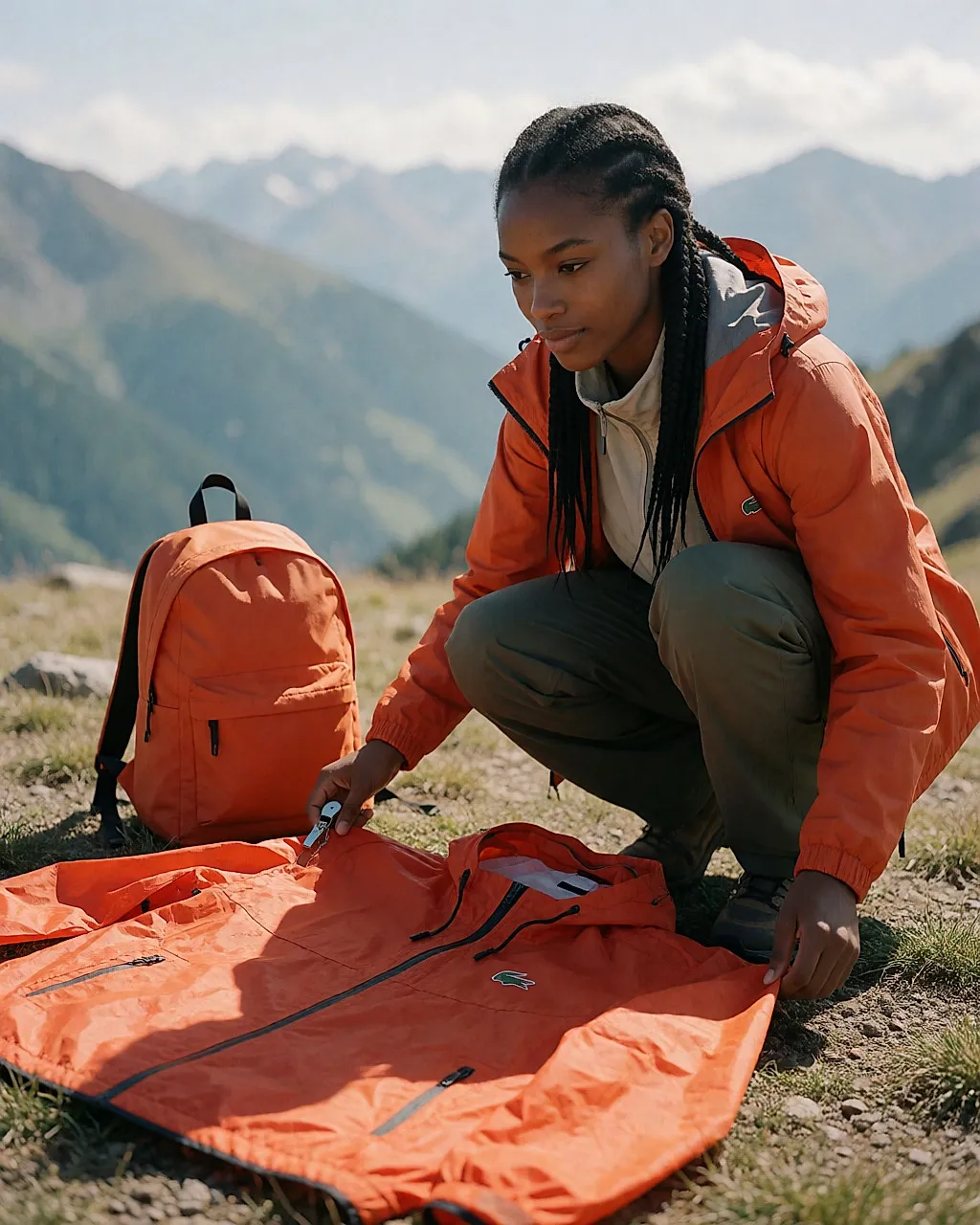
Two people go for help, never one, and the injured person is not left alone. Mark the location: bright clothing laid out, rucksacks clearly visible, tracks marked in the snow. The classic mountain distress signal is six whistle or torch blasts per minute, then a one-minute pause.
Budget
Typical UK costs:
- First aid kit: expect around £15 to £50 depending on contents, from pharmacies, outdoor shops or online; refills alone cost £5 to £15.
- Survival blanket: £5 to £15.
- Rechargeable head torch: £20 to £70.
- PLB beacon: £250 to £450 to buy; a few tens of pounds per week to hire in a resort.
- Assistance and repatriation insurance: often included with some bank accounts or credit cards, check the activities covered; otherwise £30 to £90 per year.
What changes the bill: the certification level of the kit, the activity (hiking, ski touring, mountaineering) and the length of the trip. Where to find it all: pharmacies and health retailers, outdoor shops, resort hire shops, and comparison sites for insurance.
Sources
- Met Office — mountain forecasts and weather warnings
- Scottish Avalanche Information Service (SAIS) — winter avalanche forecasts
- Mountain Rescue England and Wales / Scottish Mountain Rescue — mountain rescue
- GOV.UK — emergency numbers 999 and 112
- British Mountaineering Council (thebmc.co.uk) — trip preparation and safety


Comments
Your opinion matters: rate the article, react and reply to comments.
Comments are moderated; AI-assisted comments are flagged. Text emoticons (8-), :-), <3…) are automatically shown as images.