
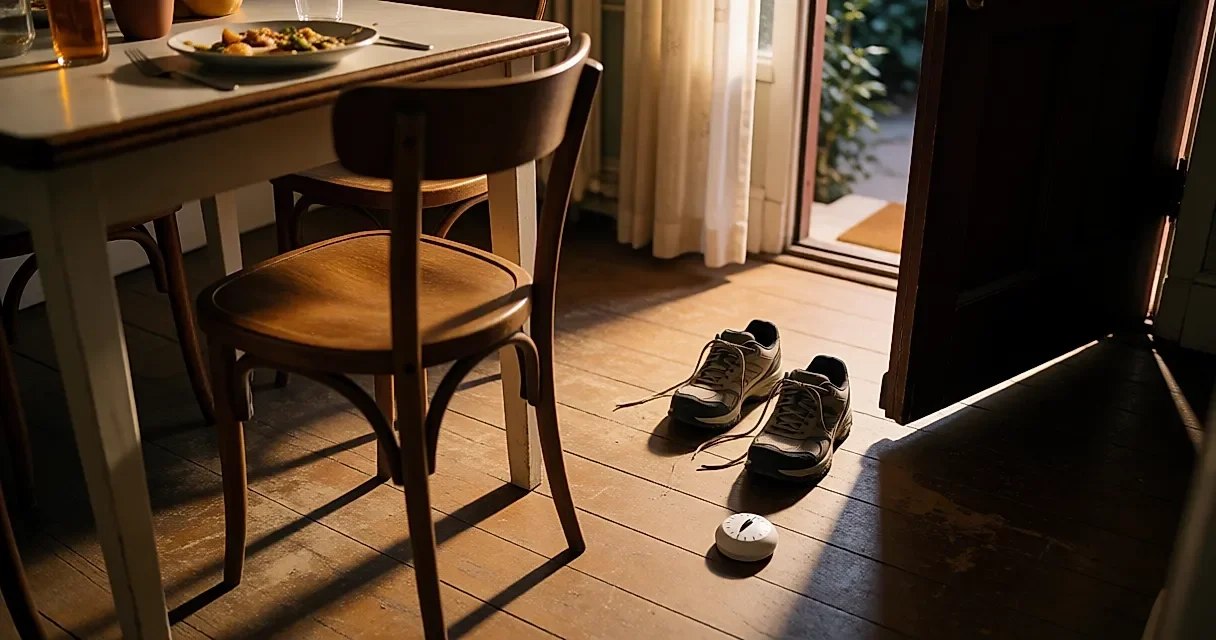
Physical activity is measured in minutes per week, and the point is to spread that volume across the week rather than save it all for one session. Broken down into daily life, that volume stays modest, and yet it is stubborn once the evenings start drawing in. What gets in the way in real life is neither the length nor the intensity of the session, but the timing — and the friction that comes with it. In winter nobody negotiates an hour of exercise; they negotiate ten minutes straight after dinner, before the evening closes in for good.
The argument is almost never about time
Ask around about what stops people being active and almost nobody says "time". They say "the faff of getting changed", "the shower afterwards", "the gym is across town", "having to pack a bag the night before". In other words, it isn't the exercise that's the obstacle, it's everything it drags behind it — the leggings, the wet hair, the washing machine still going at 11pm.
Hence a different trade-off: put the movement straight after the meal, when you are already up, already dressed, already at home. No bag, no journey, no shower — a coat, shoes, the door. The entry cost is so low that there is barely a decision left to make. The idea is simple: don't ask someone to find motivation; take away a source of friction.
A useful anchor, not a promise
Walking right after eating is above all a way to get out of a seated position with no equipment, no kit and no journey. Nothing dramatic, nothing miraculous: a simple gesture within reach on most evenings, at an easy pace if that's what you fancy.
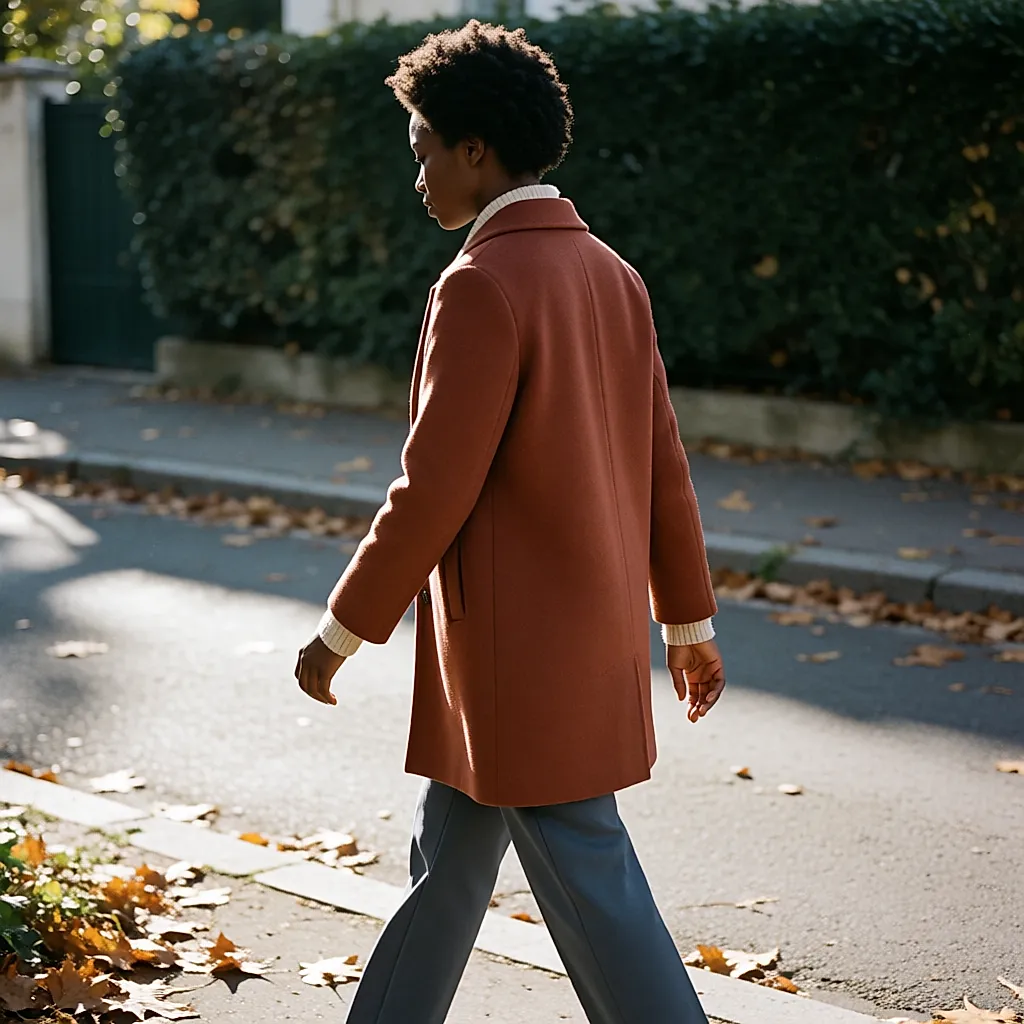
The caveat matters, and it counts. A link between ten minutes of post-meal walking and lasting weight loss has not been established — no one can promise you that. Those ten minutes do not replace the activity you do across the week: they add to it.
Ten minutes, no kit and no shower
In practice it comes down to three steps. Plates stacked, shoes on — keep a pair already laced by the door and that is the only planning involved. Then the shortest loop in the neighbourhood: ten minutes, watch or phone in your pocket, with no target pace. And back before the table is cleared, while the evening hasn't yet taken over again.
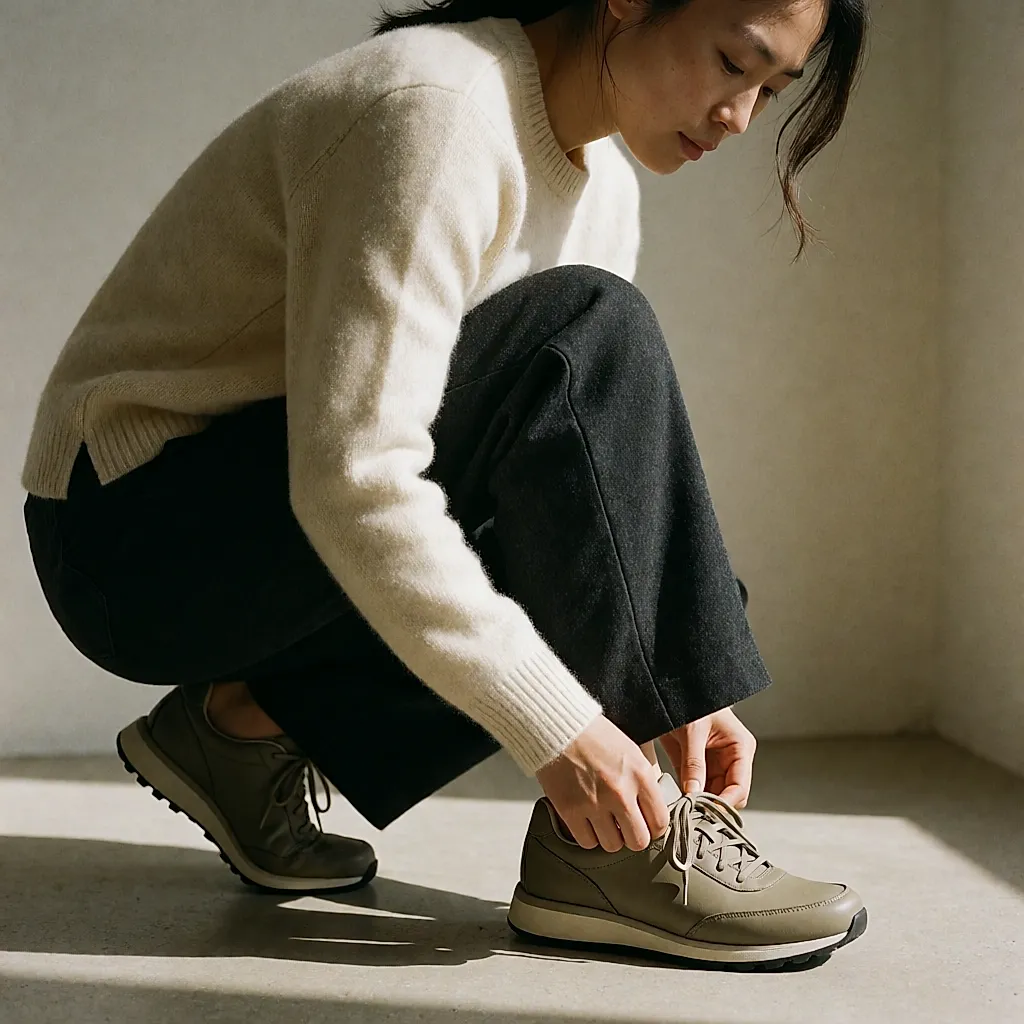
What matters is consistency, not performance. A slow walk, barely out of breath, is enough to break up a long stretch of sitting; there is no need to aim for a jogging pace or to end up sweating. If it's raining, the stairwell, two flights up and down, or ten minutes walking on the spot in front of a box set will do — in practice what matters is walking straight after the meal, rather than ticking off a perfect session.
Three anchors to keep it going for a month: the shoes in plain sight by the front door; one ten-minute route timed once and for all, so you never have to choose again; and a slot tied to the meal rather than the clock ("after dinner", not "at 8.30pm"). If the weather intervenes, the indoor version counts too.
The postponed session and how it quietly slips away
The workout planned for 9pm has a design flaw: it depends on energy that, at that hour, already belongs to the sofa. You push it back to 9.40pm to finish an episode; at 10.15pm you give up and promise yourself tomorrow. Three weeks later the verdict is in, without any drama: no sessions, and a bit of resentment towards yourself, which has never helped anyone.
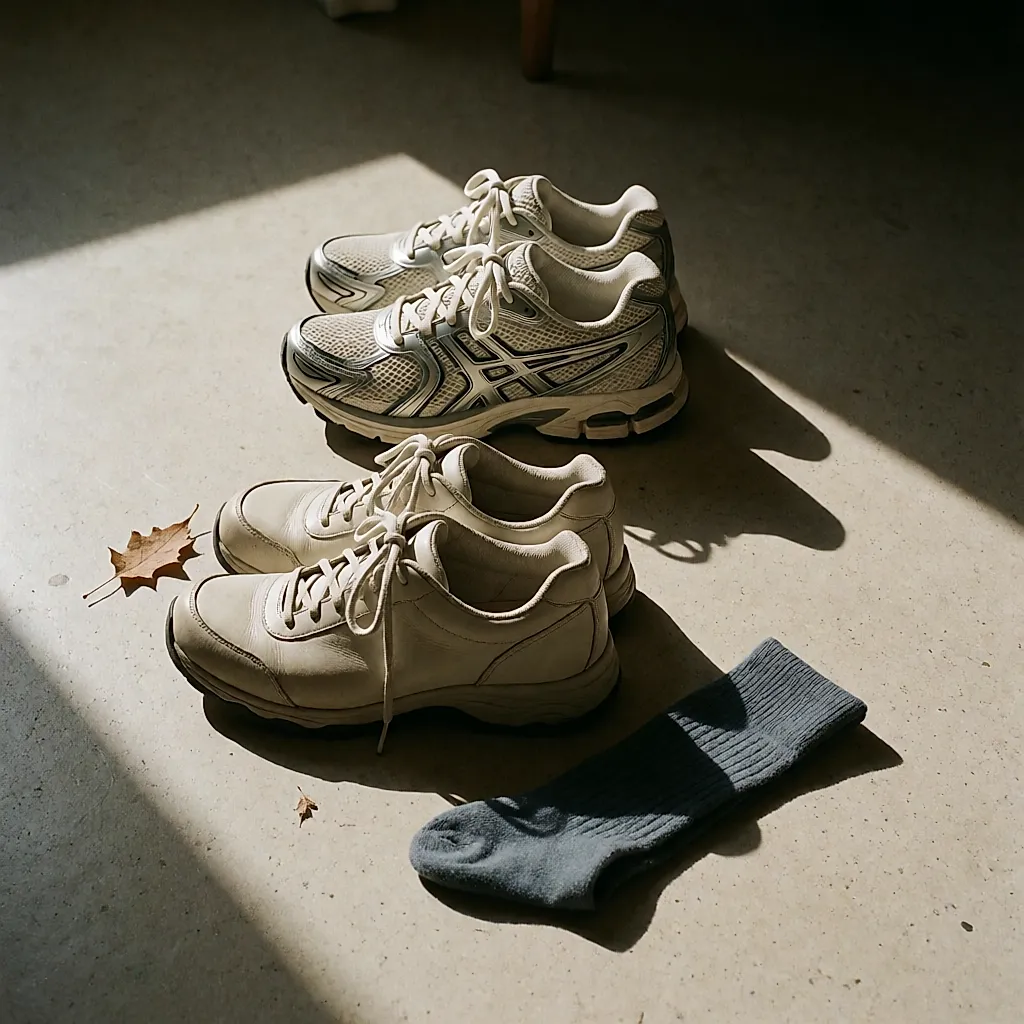
Add the question of sleep, which varies a great deal from one person to another. A short, gentle walk after a meal has at least one thing going for it: it doesn't demand the energy a late, intense session does. That is why this trade-off holds — you swap a hypothetical session for a gesture that actually happens.
So the marker worth keeping is simple: ten minutes of walking after dinner, no kit and no shower, four or five evenings a week. It is not a weight-loss programme, and it does not replace the activity you do across the week or the management of any medical condition: if you have a diagnosis, are having treatment or find walking uncomfortable, speak to a healthcare professional before making it a habit. For everyone else, there is one honest question left to ask yourself tonight, before you leave the table: shall we go out for ten minutes?

Comments
Your opinion matters: rate the article, react and reply to comments.
Comments are moderated; AI-assisted comments are flagged. Text emoticons (8-), :-), <3…) are automatically shown as images.