

It's 11.40pm. You're in the same position as at 11.15pm and 10.50pm, and by now you know that ceiling better than your career plan. Beside you, someone is asleep — or snoring, or has just got up for the third time. So the question arrives on its own: what exactly is keeping you in this bed?
The sleep divorce — literally, divorcing the bed — is neither a legal procedure nor an admission of failure. It's a habit that is losing its taboo: sleeping apart, for one night, a week, or every night, while keeping the relationship perfectly intact. In the US, the habit is becoming more visible; in the UK, the picture is less clear — but spare rooms aren't only for guests.
What exactly are we talking about?
The term covers very different realities, and that matters: they don't all require the same negotiation. The gentlest version first: one shared bed and two duvets, for the one who is cold and the one who is hot. Two duvets, and bedtime peace is restored. Then the weekend version: you share Saturday lie-ins and sleep apart on Tuesdays when one of you is up at 5.30am. And the two-bedroom version: two bedside lamps, two alarms, the arrangement that still raises an eyebrow at Christmas.

None of these arrangements is a verdict on the quality of a relationship. What matters isn't how many mattresses you have, but what you keep before you close the door. Ten minutes on the bed catching up on the day, laughing at nothing, a hand on a shoulder. Shared sleep has never been the only place for intimacy — but it often takes up all the room, through sheer scheduling inertia.
What your sleep may gain — and what we still don't know
What we do know: a partner who moves, snores, gets up or checks their phone fragments the other person's sleep, and that fragmentation is paid for on waking, in tiredness and patience. Current evidence suggests that mismatched schedules and night-time noise are among the factors that can worsen couples' rest. The mattress itself is not always to blame.
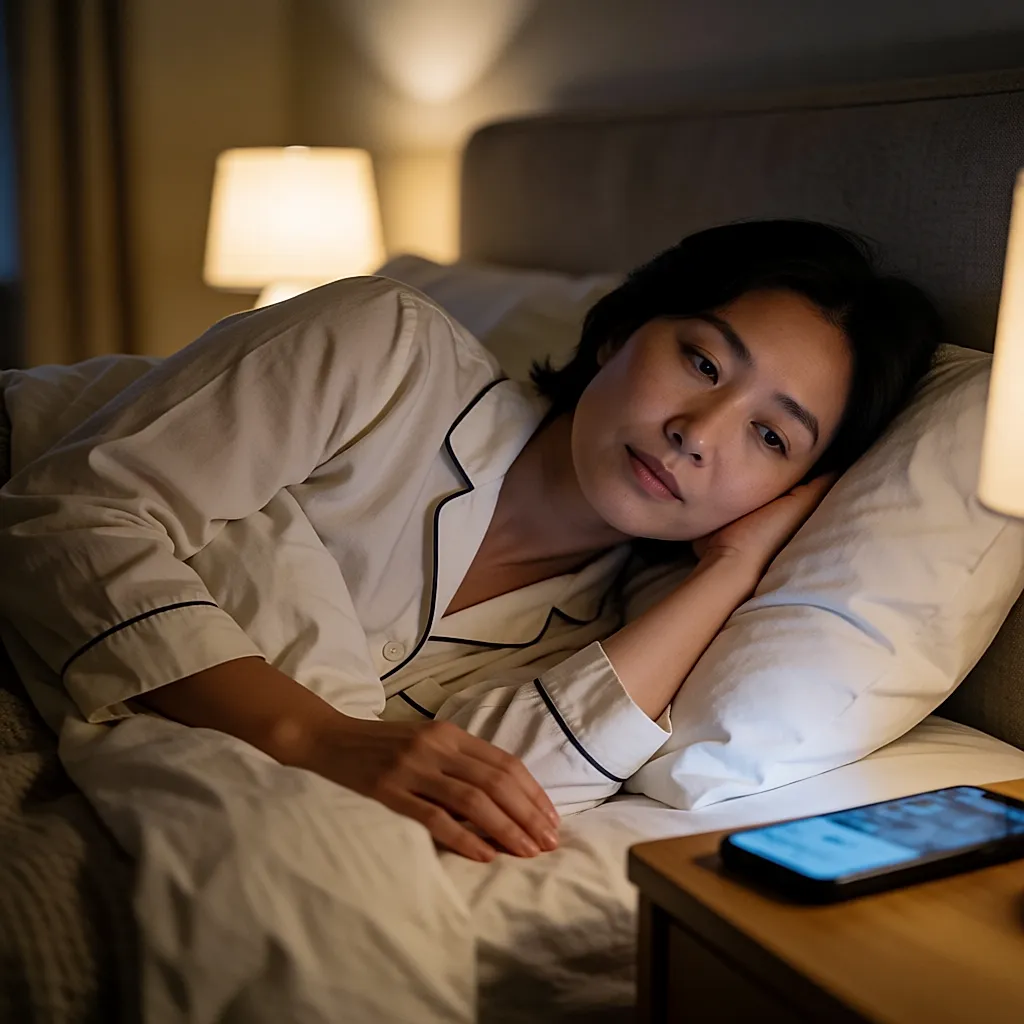
What we still don't know is whether it should become a general rule. Studies on the subject mostly measure nights and sleepiness scores, rarely tenderness a year on. No one can guarantee that separate rooms will help you sleep better, or that sharing a bed will make you happier. In practice, remember this: your morning tiredness is observable data, and so are your 2am sighs.
The real risk isn't the bed, it's the corridor
Sleeping alone is not the same as isolating yourself, and the distinction deserves more than a footnote. Chosen solitude — decided, announced, and over by morning — is nothing like imposed isolation, the withdrawal that sets in and can weigh on health. Three words make the difference: chosen, announced, reversible.
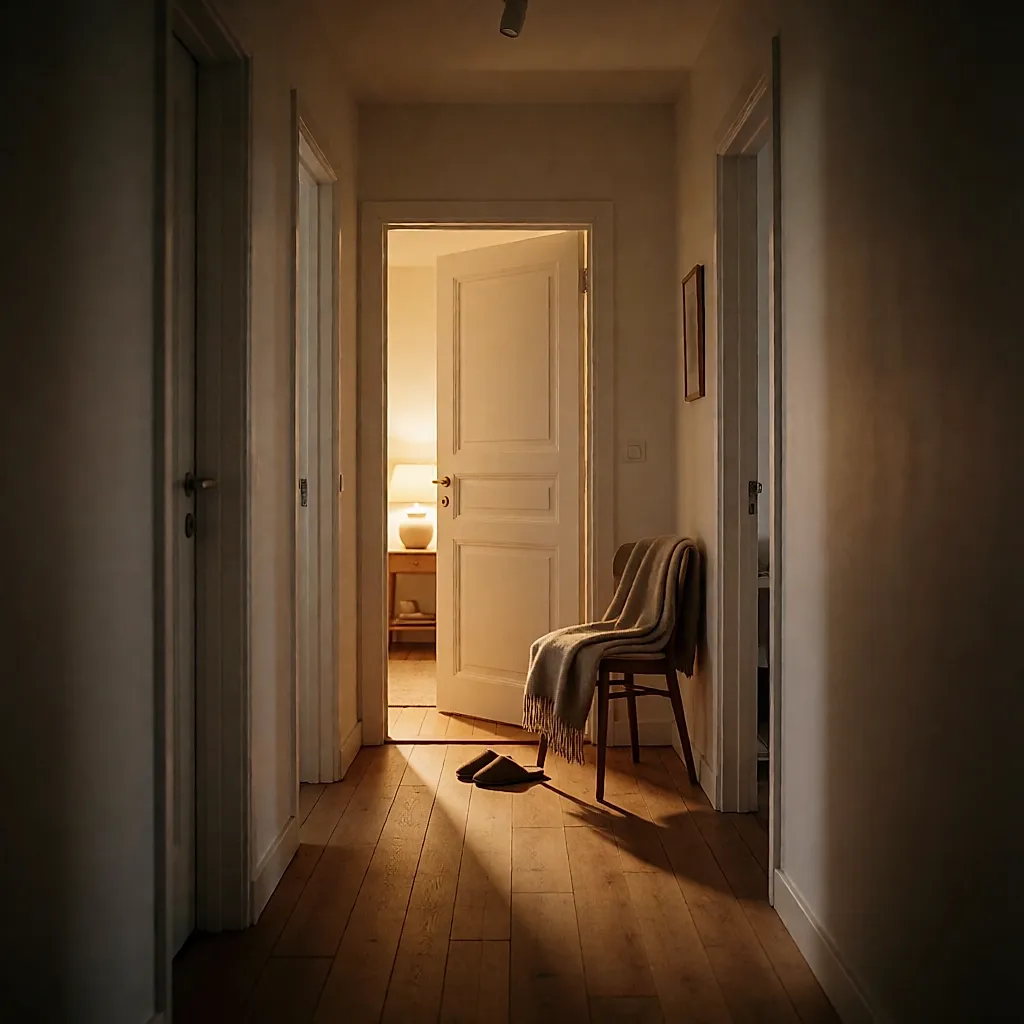
The problem is separation that happens without a word. The door closed one evening out of weariness, then every evening, without ever deciding when you'll come back together. Yet the bed is often the last place in daily life where a couple talks without a screen. Remove it without moving that moment elsewhere and you take a shortcut to silence — and silence can't be made up for with good earplugs.
The ritual at the door
Three markers, if you want to try it A ritual before you part for the night: a cup of tea, ten minutes of proper conversation, a kiss that isn't just a duty 'see you tomorrow'. A ritual on waking: the first coffee together, even standing in the kitchen, even for five minutes. A check-in date: two to three weeks, then ask each other honestly whether you're sleeping better and whether you miss each other.

Be careful how you phrase it, too. 'I am leaving you to sleep' leaves a mark; 'I need to sleep, I'll see you at 7 for coffee' tells a different story. The person suggesting the spare room often thinks they're stating the obvious — the other sometimes hears rejection. Ask them how it feels for them, and listen to the answer without correcting it.
Before you move the pillow, a few sensible steps are worth trying: two duvets, earplugs, a low bedside light, and snoring you try to understand rather than simply endure. Loud snoring with pauses in breathing, sudden awakenings or daytime sleepiness deserves medical advice: it may indicate sleep apnoea, which is diagnosed by a healthcare professional. Sleeping apart does not treat the cause; it simply puts distance between the cause and your nights.
So yes, you can love each other from separate rooms and wake up in a better mood. You can also fall back asleep curled up together after a bad dream, and that's perfectly fine too. What matters isn't the number of metres between your pillows, but the moment you choose to keep. Start small: a trial night, a real ritual, a conversation without blame. And if one of you ends up on the sofa, angry, that's no longer sleep divorce — it's a message. You might as well read it.



Comments
Your opinion matters: rate the article, react and reply to comments.
Comments are moderated; AI-assisted comments are flagged. Text emoticons (8-), :-), <3…) are automatically shown as images.