
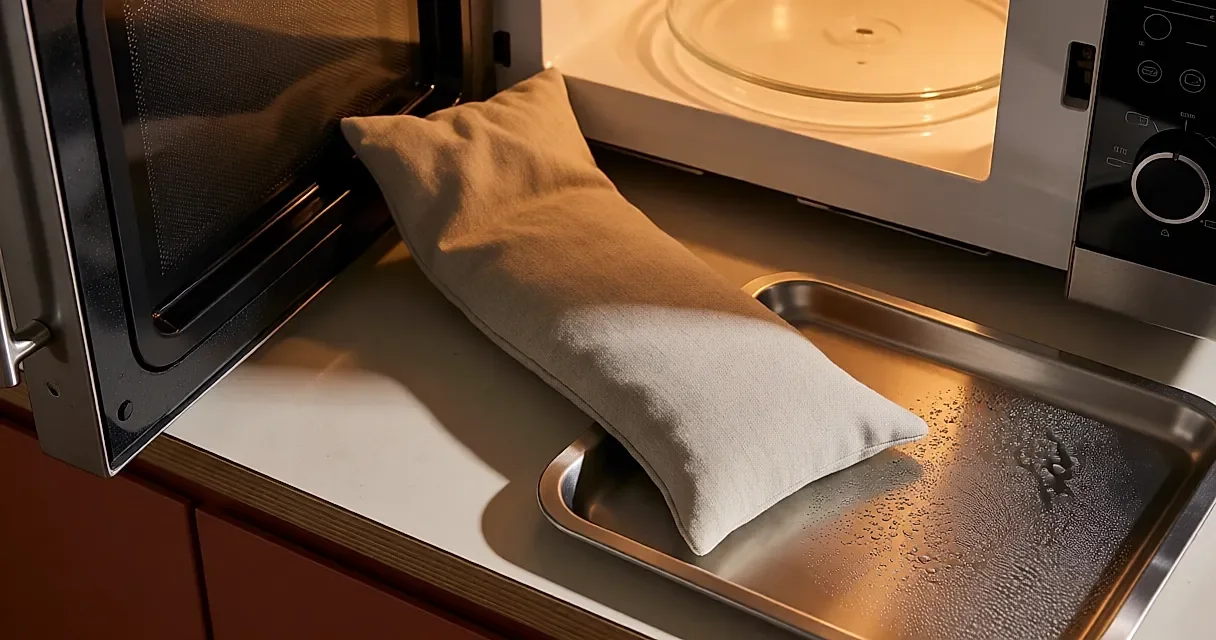
It is 10pm, the radiator has packed up and you are weighing up the old rubber hot-water bottle against the seed heat pack you bought on a whim. One is heavy and rigid, the other soft and light. And what if the real criterion is not the temperature on the thermometer but the way the heat settles against you?
What heat can do, and what it cannot
Heat is an ally for comfort, not a treatment. The current evidence suggests it can relax a tense area of muscle and make a moment more bearable without acting on the cause. For period pain, heat can be one of the comfort measures worth trying.
What we do not really know is whether the heat from a hot-water bottle is better than that from a seed heat pack. Studies comparing the two are scarce and often small, and how it feels depends on the part of the body, the cover and your position. So let's talk about comfort, not performance. What we do know is that sensation matters as much as the thermometer. A hot-water bottle gives off a dense, sometimes heavy heat; a seed heat pack gives a lighter heat that seems to settle differently. That is not proof of greater effectiveness, just a difference in contact, and that is often where real-world use is decided.
Weight and contact area are the criteria we forget
One litre of water already weighs a kilogram before you add the rubber and the cover. On a sore stomach or a tired shoulder, that weight quickly makes itself felt. Contact area matters just as much: a rigid hot-water bottle warms in patches, while a seed heat pack moulds to the curve of the body. The smaller or more curved the area, the more obvious this difference becomes.
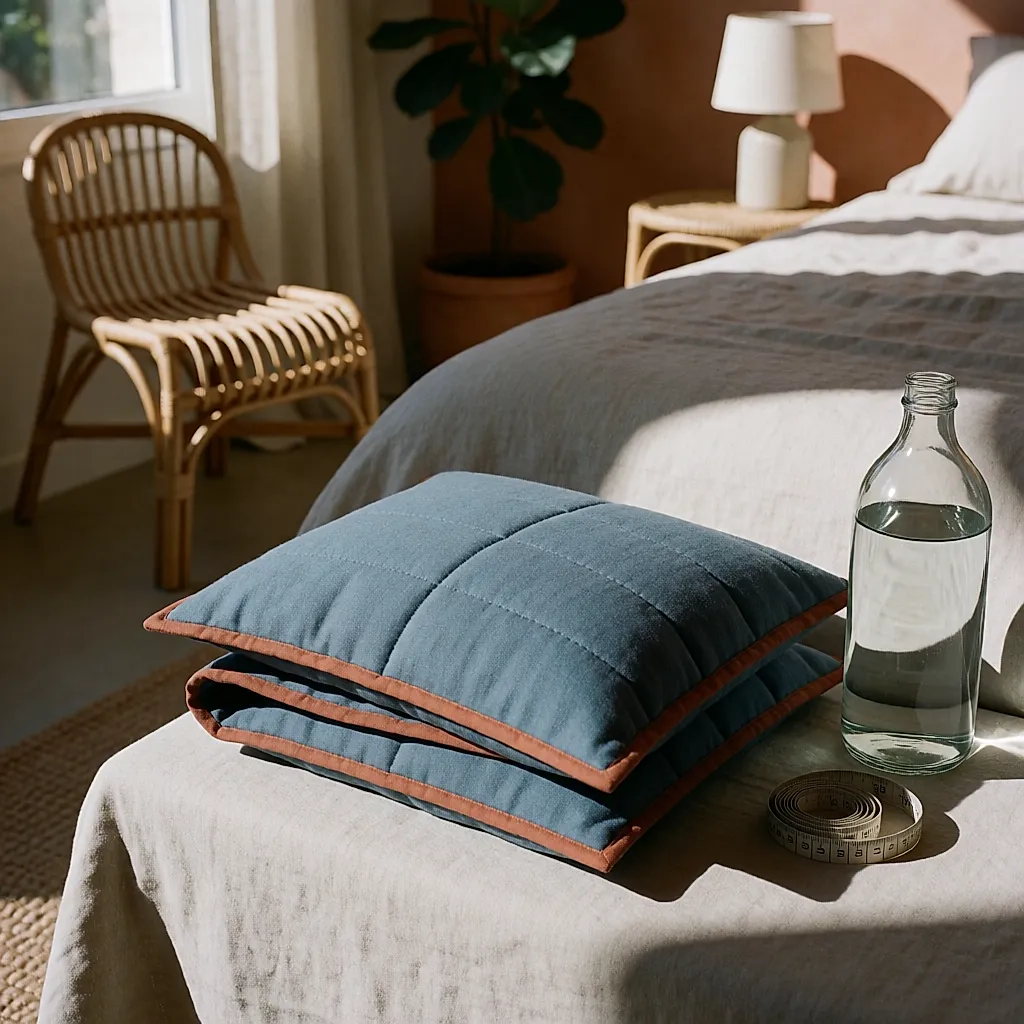
A seed heat pack has another advantage: it slips behind the neck, between two pillows or into the hollow of the back without pulling on the skin. A hot-water bottle needs a little more room and does not lend itself to awkward positions. In practice, then, you are not so much choosing the "best" heat as an object that stays where you need it.
A sore stomach, a tired neck and a cold bed
For an aching, knotted stomach, a seed heat pack is often the easiest option: light and flexible, it follows the shape without pressing. A hot-water bottle can work if you stay lying still, but its weight and rigid contact can become uncomfortable. The aim is not to apply it "as hot as possible", but to wrap it and keep checking the skin.

At the neck, a seed heat pack comes into its own: it follows the curve and warms a larger area than a hot-water bottle placed across it. Be careful, though, about heat trapped under hair; a clean cover and regular breaks are better than prolonged contact. A hot-water bottle is harder to wedge in place and tends to slip.
In bed, water wins again: its mass holds heat for longer, which is pleasant for warming your feet or taking the chill off the sheets. A seed heat pack warms quickly and cools just as quickly; it is perfect for a targeted moment, less so if you want it to last all night. And because you should not fall asleep on a heat source, that difference is mostly a matter of timing.
Safety is not about the thermostat
Heat that feels bearable at the time can become too much over time, especially if you fall asleep or stay still. As a precaution, a heat source should be kept away from bare skin and monitored, especially with children and people with reduced sensation. One general rule remains useful: persistent or worsening pain warrants professional advice, not just a hot-water bottle.
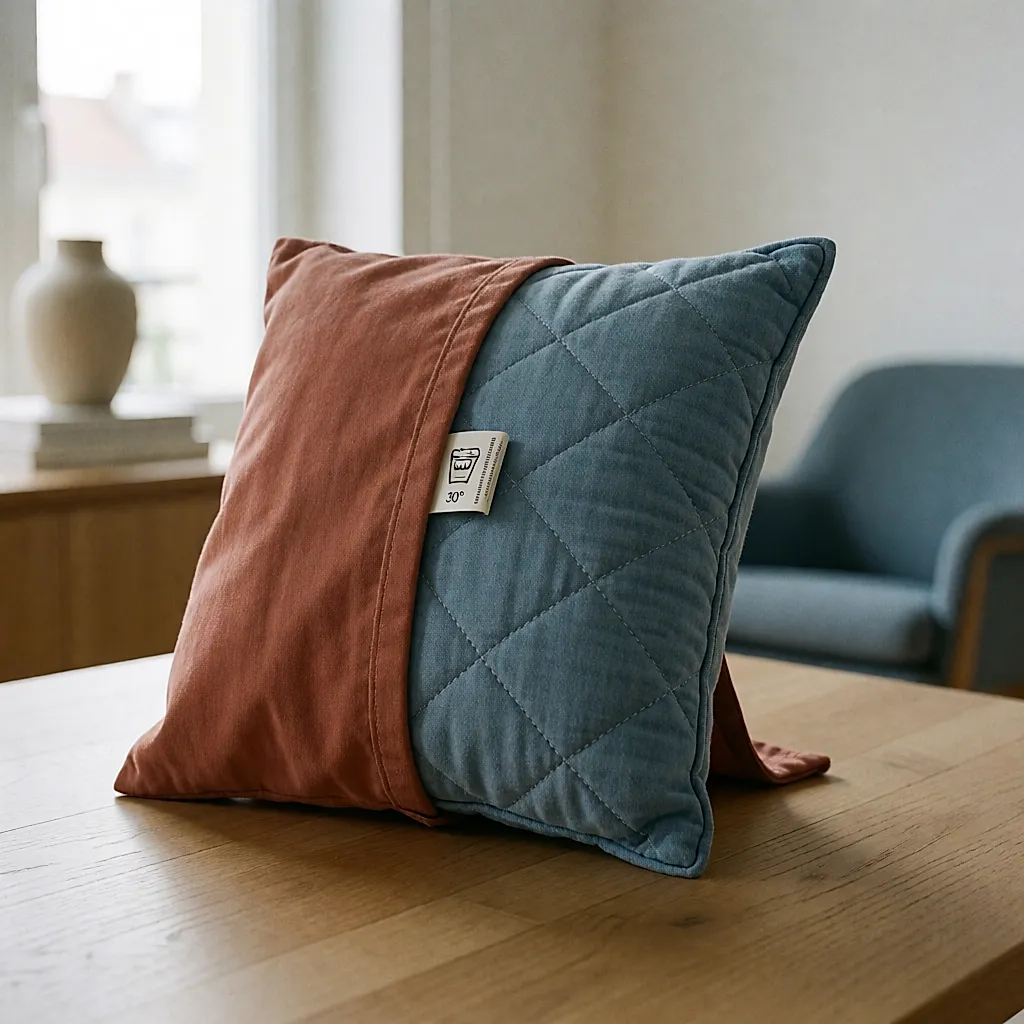
So avoid direct contact, use a cover, move the heat source to another area and take it off after short use. If the skin becomes clearly red, burns or blisters, stop and seek advice from a pharmacist or GP. People with diabetes or sensory impairment should be especially careful. If you are pregnant, you should also be cautious with heat.
The step that matters: a cover between your skin and the heat source, short use and regular checks of the skin. Heat sometimes soothes; it does not replace diagnosis or treatment.
What to budget
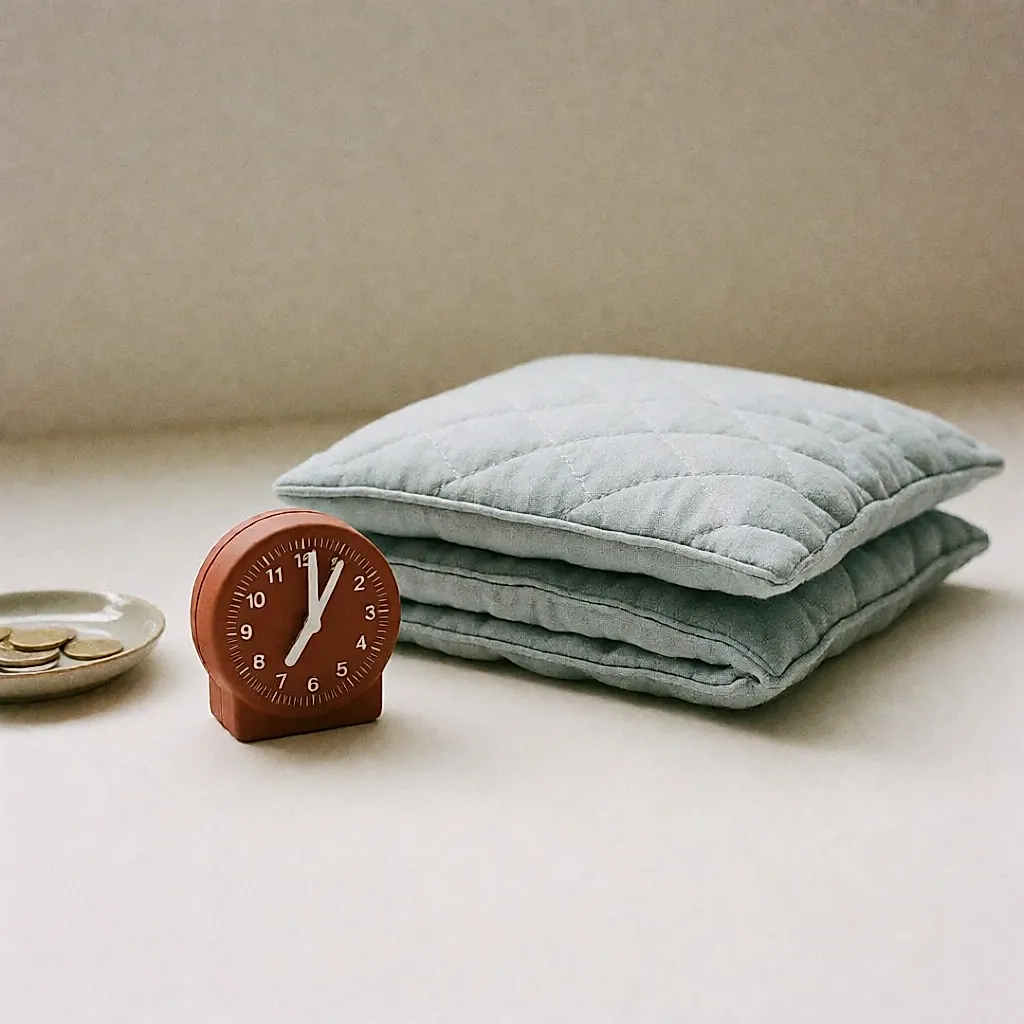
Prices vary, so treat these as a rough guide rather than a fixed benchmark. A standard rubber hot-water bottle tends to cost around £8 to £20 and is widely available from supermarkets, pharmacies, homeware shops and online; a washable cover often adds £8 to £15. A seed heat pack usually sits between £12 and £35, with handmade versions costing more depending on size, stitching and cover fabric.
Price does not tell you everything: check the stitching, the fastening, whether the cover can be washed and whether there are clear instructions. One hot-water bottle or one heat pack may be enough; there is no need to buy both if you will only use it occasionally.
The rule to remember
For targeted use, whether on your stomach, neck or back, a light, well-covered seed heat pack is easier to put on and take off. To warm a bed, a hot-water bottle keeps its heat longer, provided you do not fall asleep on it.
The single marker to remember: the heat that does you good is the one you can stop easily. If pain persists, worsens or comes with other symptoms, speak to a healthcare professional. A hot-water bottle does not replace a diagnosis.



Comments
Your opinion matters: rate the article, react and reply to comments.
Comments are moderated; AI-assisted comments are flagged. Text emoticons (8-), :-), <3…) are automatically shown as images.