

Period pain: what can you do?
Let's be honest: some Monday mornings you wake up already exhausted, your stomach in knots, and you know full well the day will drag. Not because of the alarm, no, but because of those wretched cramps that come back every month. You grit your teeth, slip a hot water bottle found at the back of a cupboard into the front pocket of your hoodie, and hope the three afternoon meetings will roll by without you having to double over. Good news: there are a few approaches, often modest, sometimes surprisingly effective, that can make the week more bearable.

We are not all equal when it comes to our periods; that's a fact. Some sail through it; others dread it days in advance because they know. Cramps in the lower abdomen, dragging pains down into the thighs, nausea, migraines, sometimes vomiting and diarrhoea: dysmenorrhoea, or period pain, is no picnic. And after trying everything or almost everything, you end up thinking there is surely no solution.

Before anything else: if you have found what eases your pain, your tips are welcome. Feel free to share them in the comments; it could help other readers.
Understanding what's happening
Period pain usually starts soon after your first period. It is not uncommon for a young woman to have a pain-free stretch, then, in the year after periods begin, to notice the first symptoms: lower abdominal pain, cramps, nausea or migraines. Why the shift? One of the best-documented hypotheses involves prostaglandins, substances whose concentration rises during a period; poor oxygenation of the uterus may also play a part. We also know the uterus contracts to expel blood, which can cause abdominal pain of varying intensity from one woman to another.
Unfortunately, this pain is not always taken seriously. Because it can seem minor in itself, it is easy to forget that it can be unbearable. Having to stay lying down, take painkillers and feel groggy, or feeling weak to the point of nearly fainting… all of that quickly gets in the way of an ordinary day. It is not 'all in your head', and it is not something you just have to accept either.

Start with heat
To begin with, heat has sometimes been found to have a soothing effect on pain. It doesn't work for everyone, but when it does, it's a real relief. So don't hesitate to soak in a long hot bath, which will relax both your lower back and your abdomen, or bring out the trusty hot water bottle — a classic for good reason. Place it on the painful area, under a blanket, and give yourself ten guilt-free minutes.
On the food side, a few simple tweaks can fit into the week. Choose oily fish, rich in omega-3, over cured meats and red meat. Keep vitamin B6 in mind, found in wholegrains, and zinc, found in eggs, parsley, pulses, sprouted seeds or oysters. Limit refined sugars and animal fats if your stomach feels heavy. But be careful not to turn your plate into a battlefield: none of this is a treatment, just sensible balance.
In the morning, go easy on coffee. Not because a direct effect on cramps is clearly established, but because it doesn't always help when you are already tense. It's also worth avoiding pressure on your stomach: skip tight high-waisted jeans and belts that dig in. In practice, loose, comfortable clothing can make a real difference to how the day feels.
Move, breathe, rest
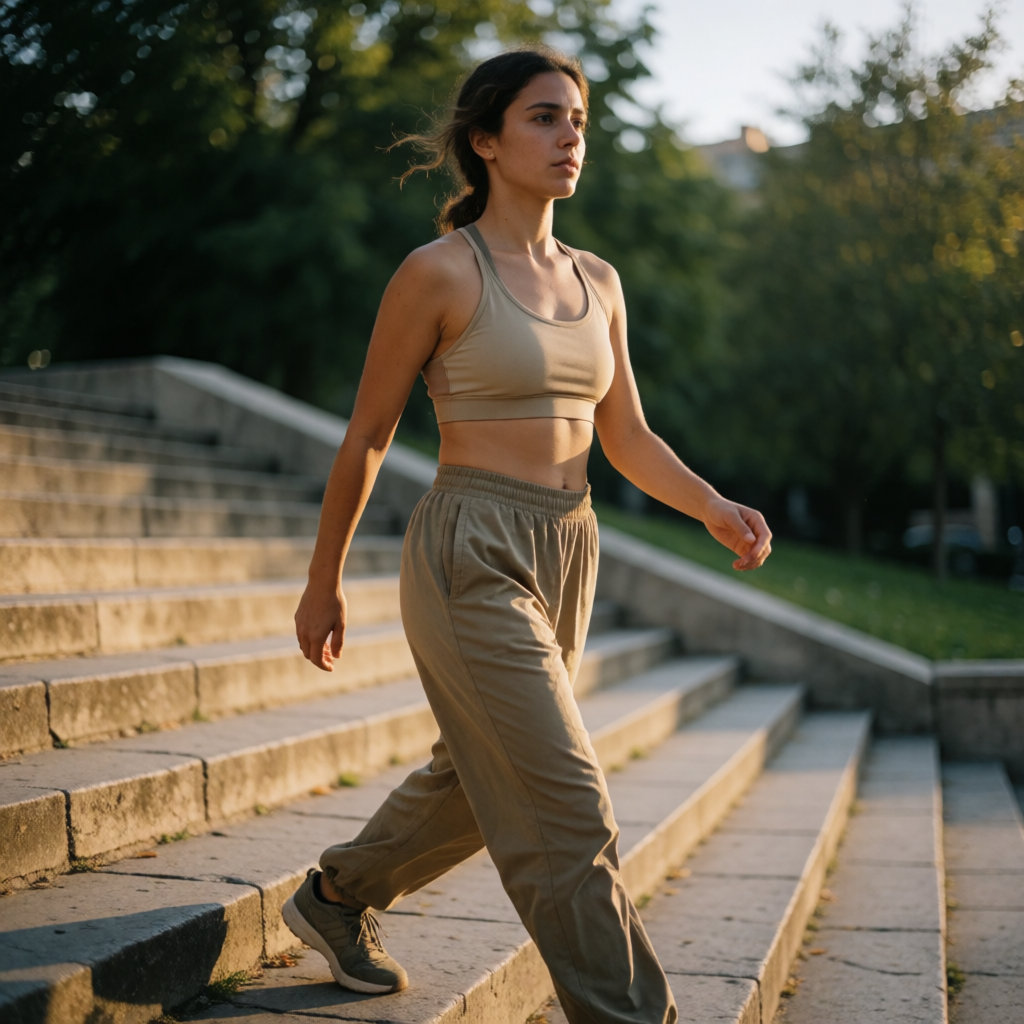
It may sound counterintuitive, but women who experience dysmenorrhoea are often advised to do regular physical activity. Exercise helps oxygenate the body and support circulation, which may ease pain and some premenstrual and menstrual symptoms. No need to push yourself: a daily 20-minute walk or a few lengths in the pool are often enough to make a difference. On evenings when the pain is bad, allow yourself a gentler session or a simple stroll.
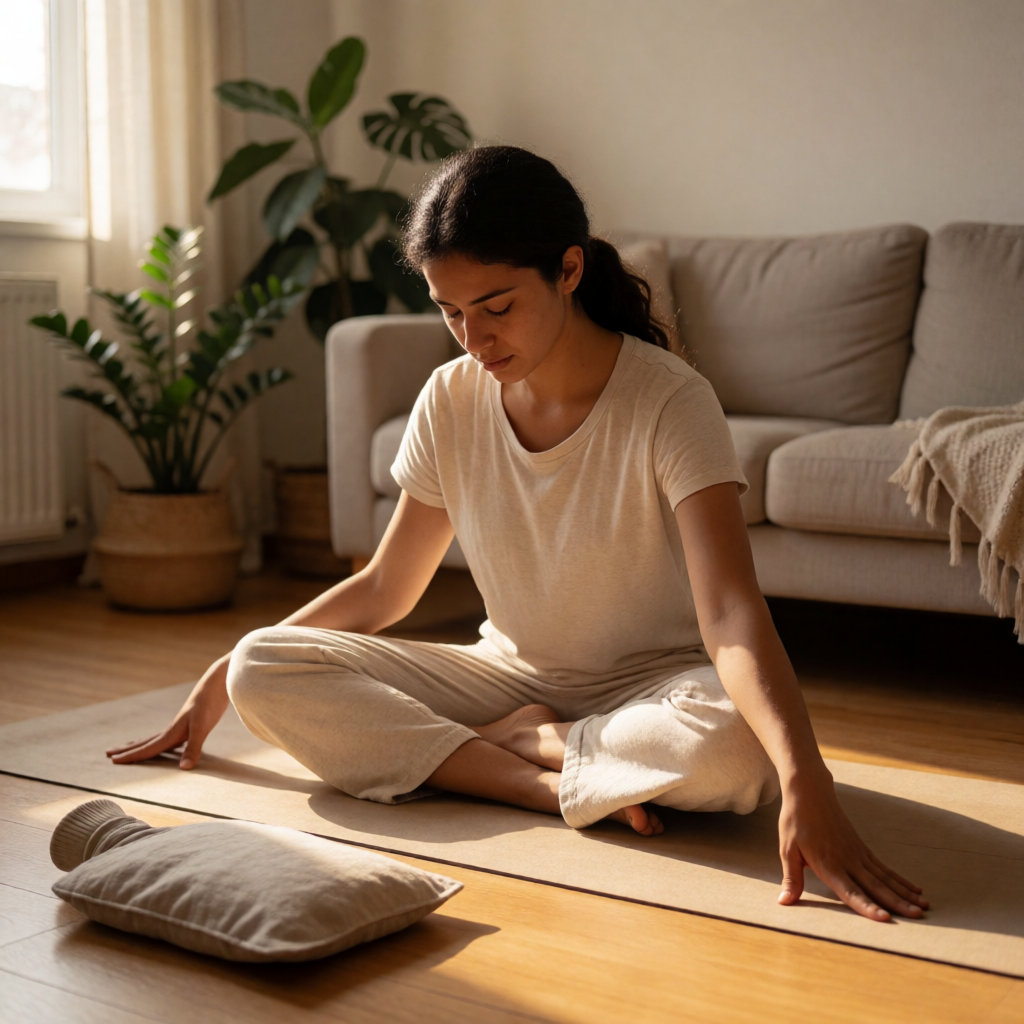
Yoga and relaxation also have a part to play. Some poses are known for relaxing the lower back and abdomen, and a video session on a mat at home can feel like a real breath of fresh air. The idea is not to become a yogi, but to find ten minutes of deep breathing, perhaps with your legs raised. For anyone interested, a studio class often costs about the price of lunch — a reasonable investment if it helps you.

The case for oils and plants
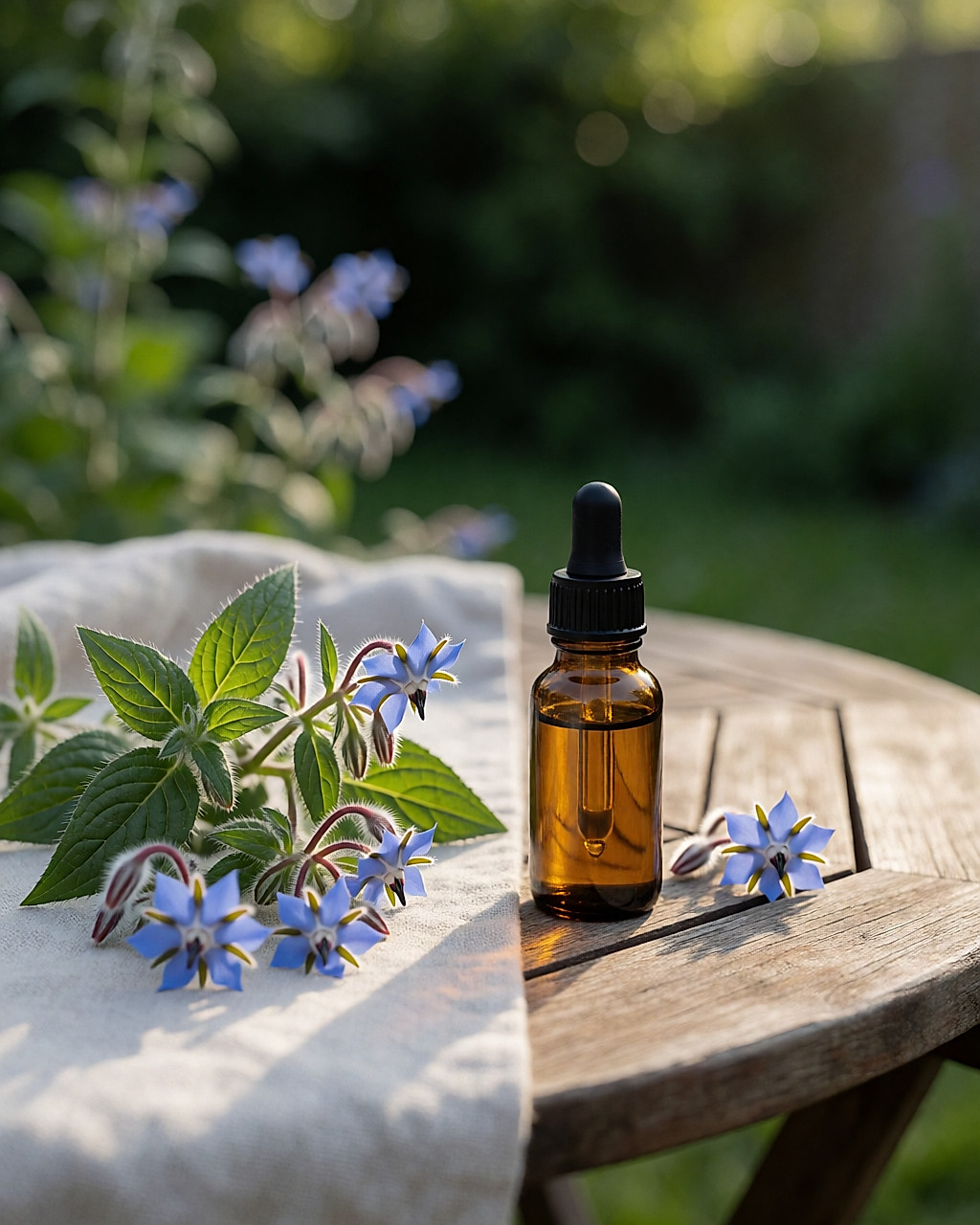
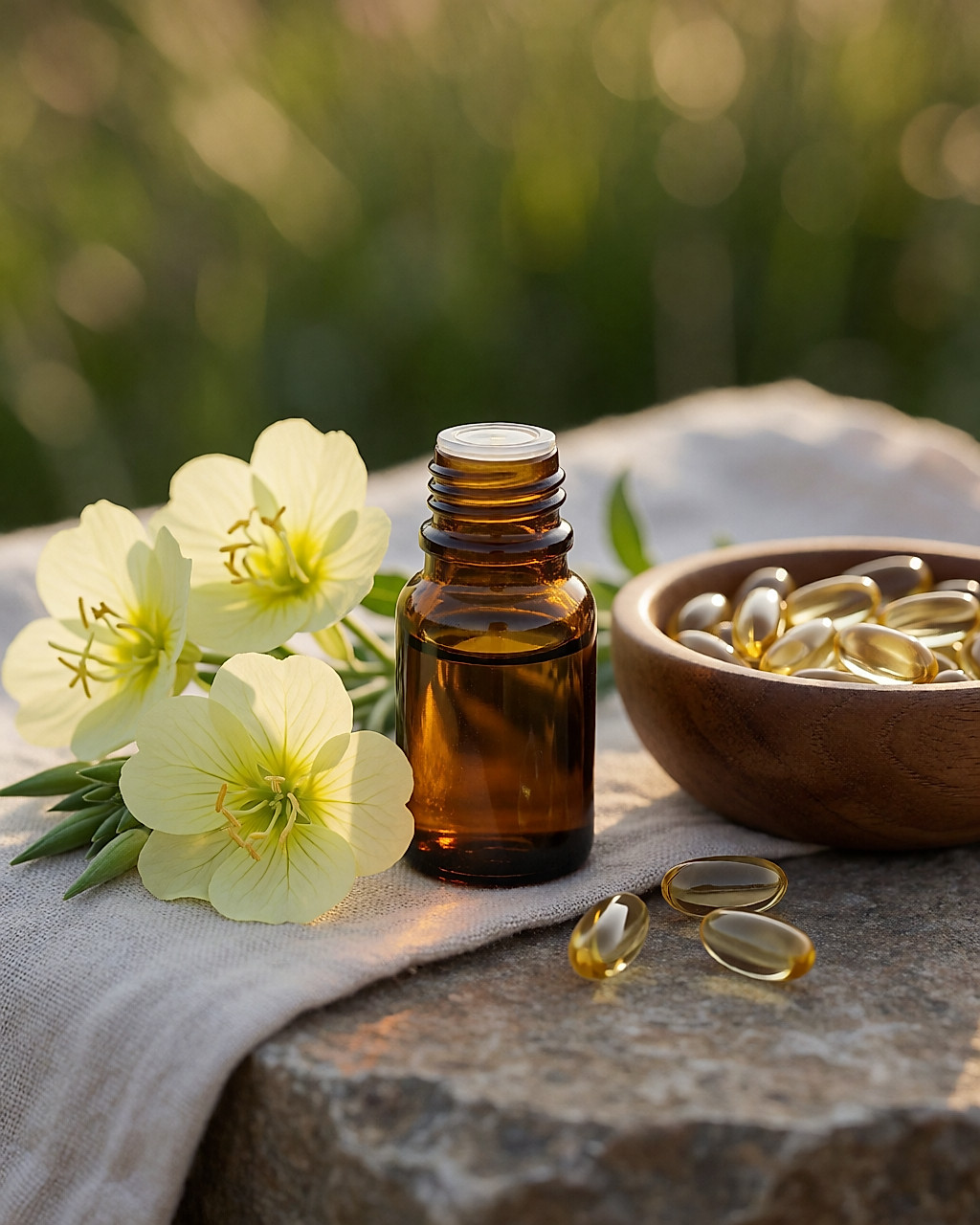
Two plant oils — borage oil and evening primrose oil — are often mentioned in relation to menstrual problems. Current evidence, however, remains limited. If you're curious, speak to a healthcare professional before using them, if only to check whether there is a contraindication relevant to you.
As for essential oils, some are sometimes used in abdominal massage for their scent and relaxing effect. This is not a treatment for dysmenorrhoea, but a well-being ritual — something that can feel good when you take five minutes for yourself. Be careful, though: an essential oil should never be applied neat to the skin. It must be diluted in a carrier oil, such as sweet almond or avocado.
Never use neat essential oil on the skin, and never without advice. Misuse can cause irritation or even a burn. Not all oils suit everyone (pregnancy, breastfeeding, certain medical conditions), and some should be avoided by teenage girls. Always ask your pharmacist or a qualified aromatherapist for advice.
If pain starts several years after your first period, doesn't respond to what usually helps, or comes with a high temperature, unusual bleeding, or pain outside your period, don't struggle alone: make an appointment with your GP or gynaecologist. These signs don't necessarily mean there is a problem, but they deserve advice.
Two important points, because not all period pain is the same. Here we're talking about primary dysmenorrhoea, which starts with your menstrual cycle and is not a sign of an underlying condition. There is a second form, secondary dysmenorrhoea: it occurs several years after periods begin and is a sign of a gynaecological condition (endometriosis, fibroids, a complication related to an intrauterine device, etc.). In that case, don't try to manage it alone: make an appointment quickly for further tests.
Doctors and gynaecologists sometimes suggest hormonal contraception to ease pain — effective for some, no effect for others, and with its own side effects. It is never a decision to make alone.
Budget
On a budget, a hot water bottle or heat belt costs around £8 to £35 depending on the model, from a pharmacy, health and beauty shop or sports shop; a simple rubber hot water bottle often costs under £10. Borage or evening primrose oil supplements, in capsule form, cost about £10 to £25 per bottle depending on brand and size, from a pharmacy. Expect around £7 to £18 for a bottle of essential oil, plus a carrier oil (£5 to £13), and £12 to £20 for a studio yoga class, with free or near-free options too (apps, videos). Prices vary by city, brand and retailer; these ranges are indicative.
Sources
- Assurance Maladie — Painful periods (dysmenorrhoea), ameli.fr.
Food supplements do not replace a varied, balanced diet and a healthy lifestyle.


Comments
Your opinion matters: rate the article, react and reply to comments.
Comments are moderated; AI-assisted comments are flagged. Text emoticons (8-), :-), <3…) are automatically shown as images.