
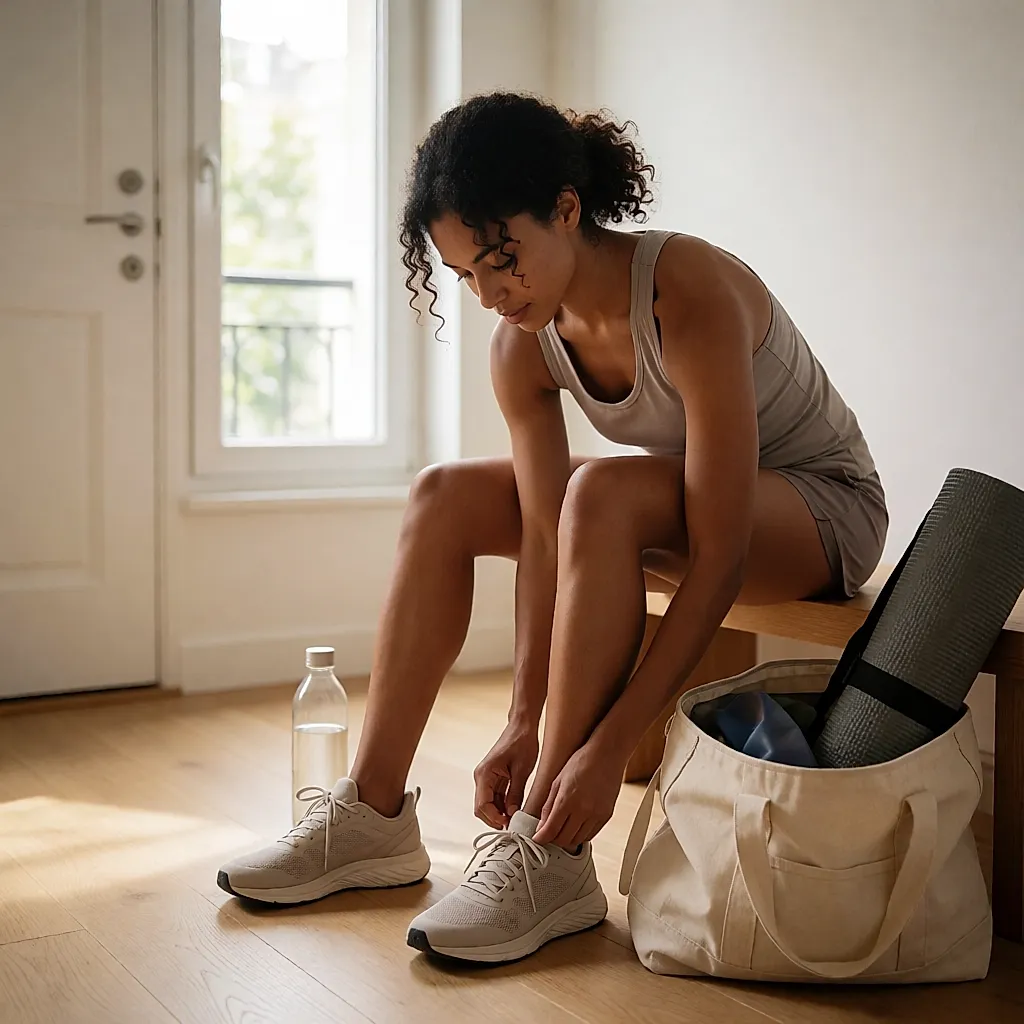
You have made the most of summer: lie-ins, long meals, naps in the sun. And now autumn is here, along with the usual good intentions. The good news is that this is the perfect time to choose an activity you genuinely enjoy. Because the hardest part is not starting — it is still doing it in November. Better to aim for something that suits you than a challenge you cannot sustain.
To put the target in context, the WHO recommends that adults get 150 to 300 minutes of moderate-intensity aerobic activity a week, plus two muscle-strengthening sessions a week. That sounds like a lot, but it breaks down: 30 minutes five times a week and you are there.
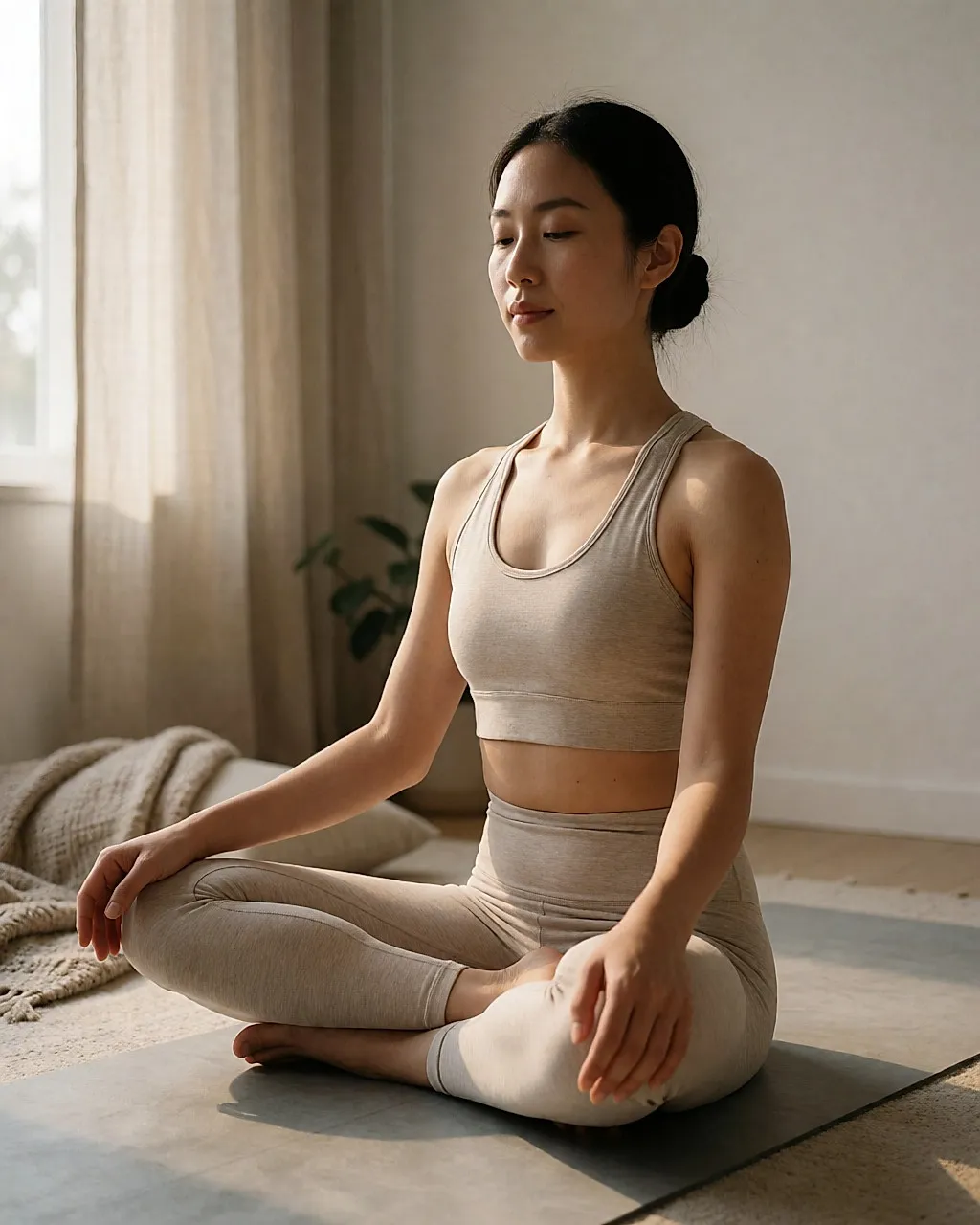
Yoga: start with the breath
Stiff back, tight neck, tiredness that will not shift? Yoga is a good way in. The postures work on flexibility and mobility, gently but deeply. Above all, you learn to breathe slowly and to notice tension before it sets in.
Current evidence suggests a moderate effect on perceived stress and on some cases of chronic low back pain. In practice, one 45–60 minute session a week is enough to get started. For kit, a mat and comfortable clothing are all you need: there is no point investing in a whole studio setup before you have tried two or three classes.
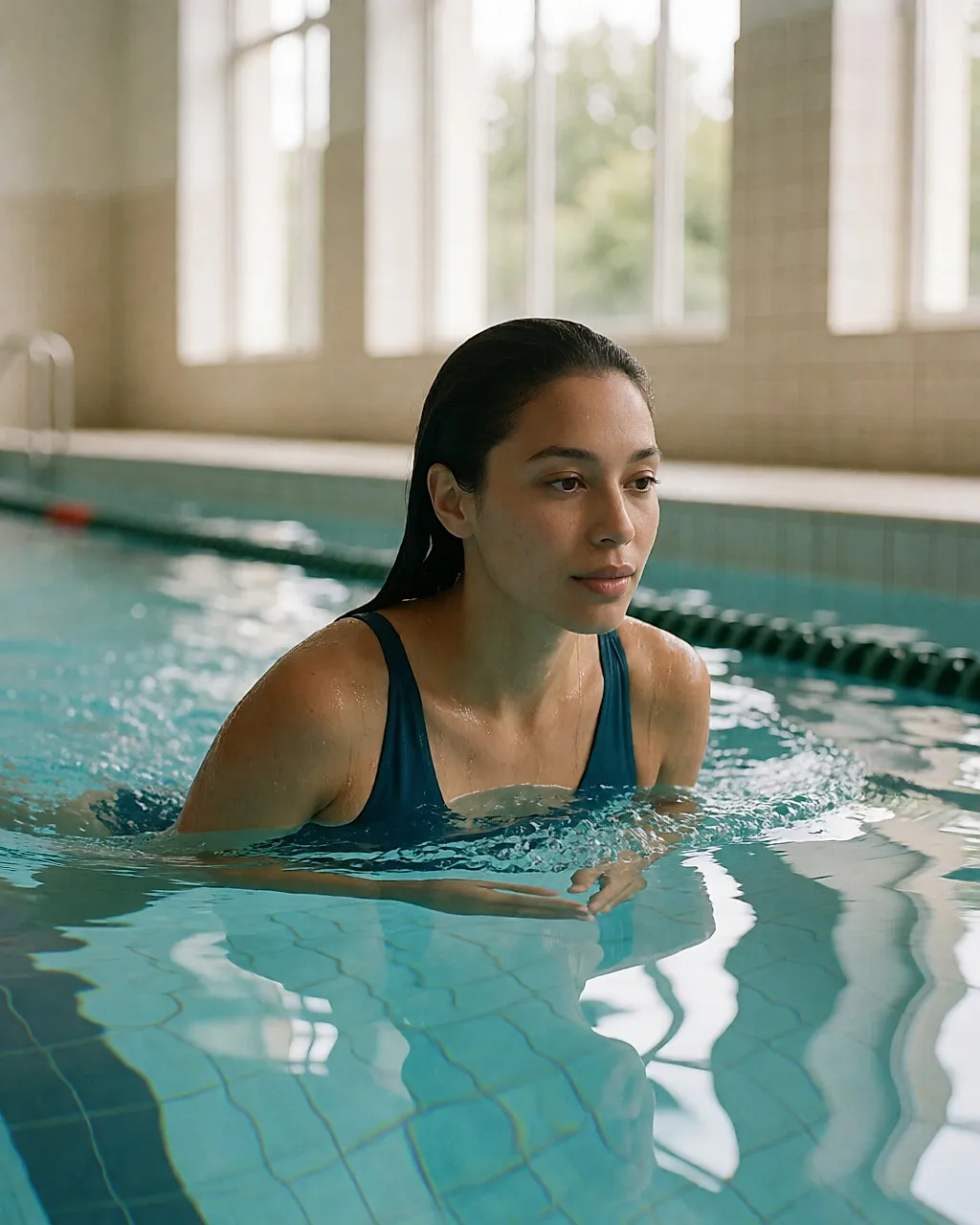
Swimming: when your joints need a break
In the water, the load on your joints is much reduced: this is the activity to prioritise if your knees, tendons or back are protesting. Gentle as it is, swimming is still aerobic exercise and is useful for cardiovascular and respiratory health. Many swimmers also describe feeling calmer after a session.
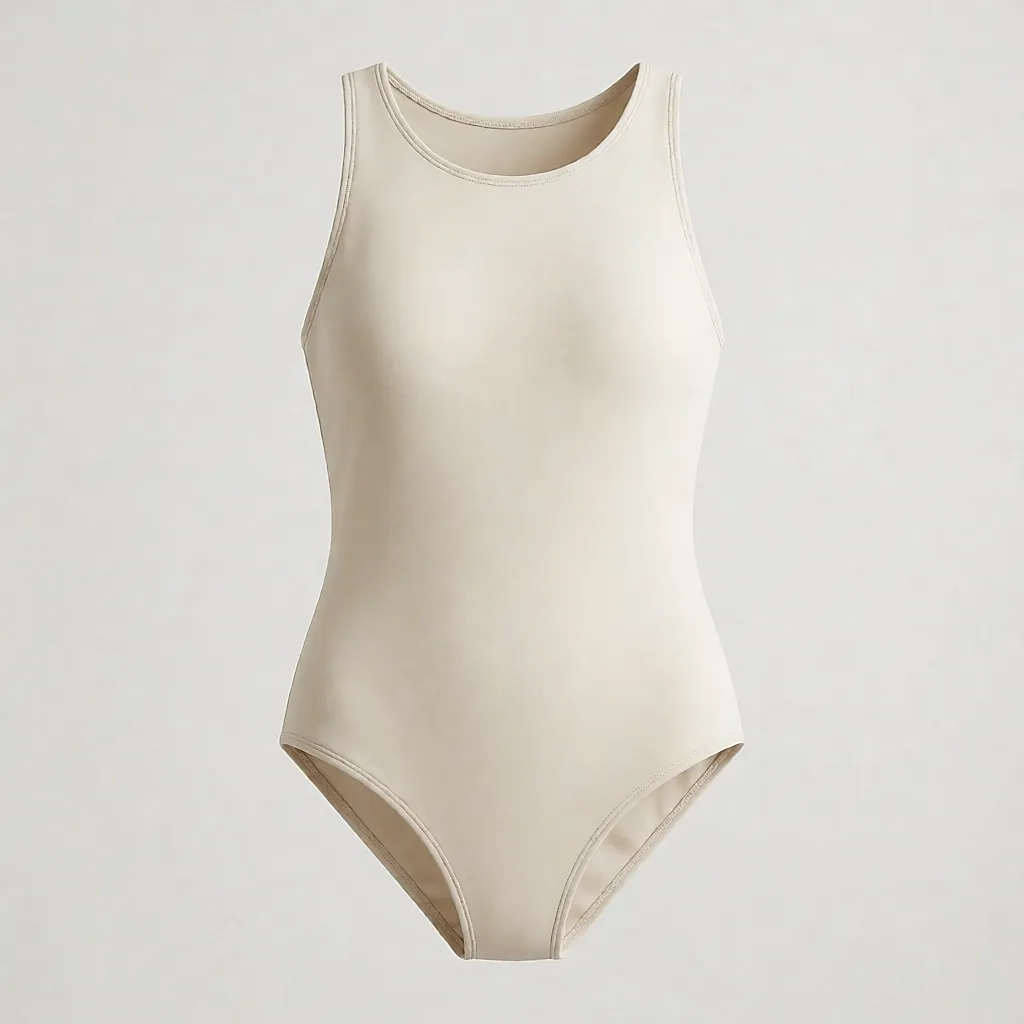
One caveat: technique matters. Two or three sessions with a swimming teacher can stop you repeating a stroke that irritates your shoulder, and breaststroke often puts a lot of strain on the neck. If you have not swum for a while, that small upfront investment is well worth it.
Running: a good release, but build up gradually
If you need to burn off energy, running is effective: it improves cardiorespiratory fitness, helps regulate blood pressure and works almost every muscle group. Mentally, it lets off steam and calms you once you are past the 'this is hard' phase.
Be aware: it is the most high-impact of the three. Start with walk-run intervals and increase the volume gradually, without adding distance and speed in the same week. If you have significant joint pain, circulatory problems or cardiovascular risk factors, get medical advice before you start. That is prevention, not red tape.

What it costs
Typical UK prices, to adjust for your city, provider and level:
- Yoga classes: expect around £12–£20 for a drop-in studio class, or more like £50–£100 a month for a membership. Online classes range from free to about £15 a month — a good way to try before you commit.
- Council pool: £4–£8 for an adult swim depending on the council, with annual memberships often £150–£400. Council pools usually remain the cheapest option.
- Athletics or running club membership: £30–£90 a year, sometimes including coached sessions.
- Running shoes: £70–£150 from a specialist retailer or online; replace them when the cushioning goes flat.
- Mat: from entry-level PVC to cork or natural rubber models, PVC-free and more durable, £20–£80. Add a reusable water bottle rather than a disposable one.
Starting again is never trivial. Chest pain, unusual breathlessness, feeling faint, or pain that lasts for several days: stop and seek medical advice. If you take medication or have a history of heart or joint problems, speak to a healthcare professional — they are the person who can diagnose whether something is wrong and advise what to do next. There is no substitute for their advice.
Sources
- World Health Organization, WHO Guidelines on physical activity and sedentary behaviour, 2020.
- UK Chief Medical Officers, UK Chief Medical Officers' Physical Activity Guidelines, 2019.
- NHS, Exercise, and Physical activity guidelines for adults.
- NICE, Low back pain and sciatica in over 16s: assessment and management, NG59, 2016 (updated 2020).



Comments
Your opinion matters: rate the article, react and reply to comments.
Comments are moderated; AI-assisted comments are flagged. Text emoticons (8-), :-), <3…) are automatically shown as images.