
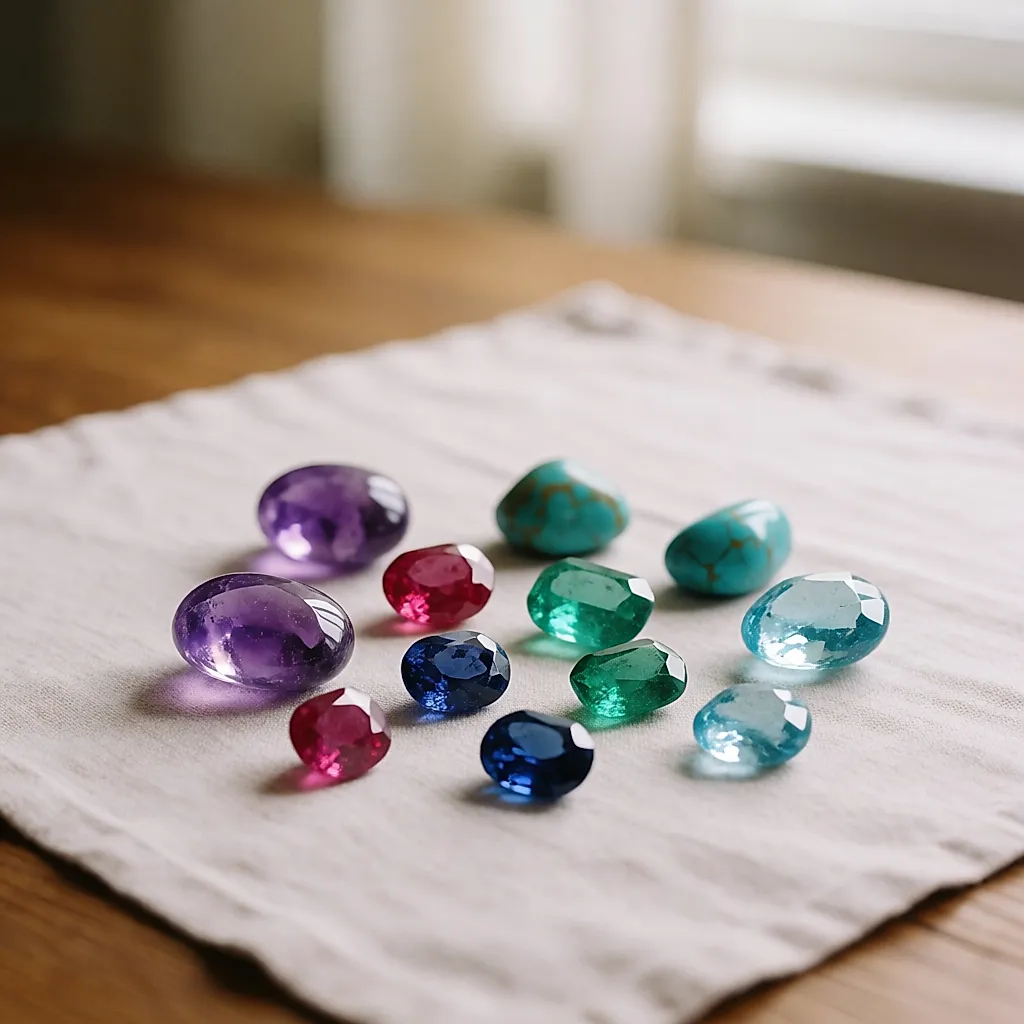
You have probably slipped a stone into your pocket before an exam, or worn a pendant 'for a bit of courage'. Small wonder: the gleam of gemstones has always fascinated us. Their rarity, their colours, their hardness have fed a thousand stories. They were said to have dropped from the sky, to ward off epidemics, to warn of danger or to revive a flagging romance.
Not all of these beliefs have faded. In China and India, some stones are still tied to traditional medicine, and cosmetics made with mother-of-pearl or micronised pearl retain their following. The question is where symbolism and tradition end, and what the current evidence actually supports.
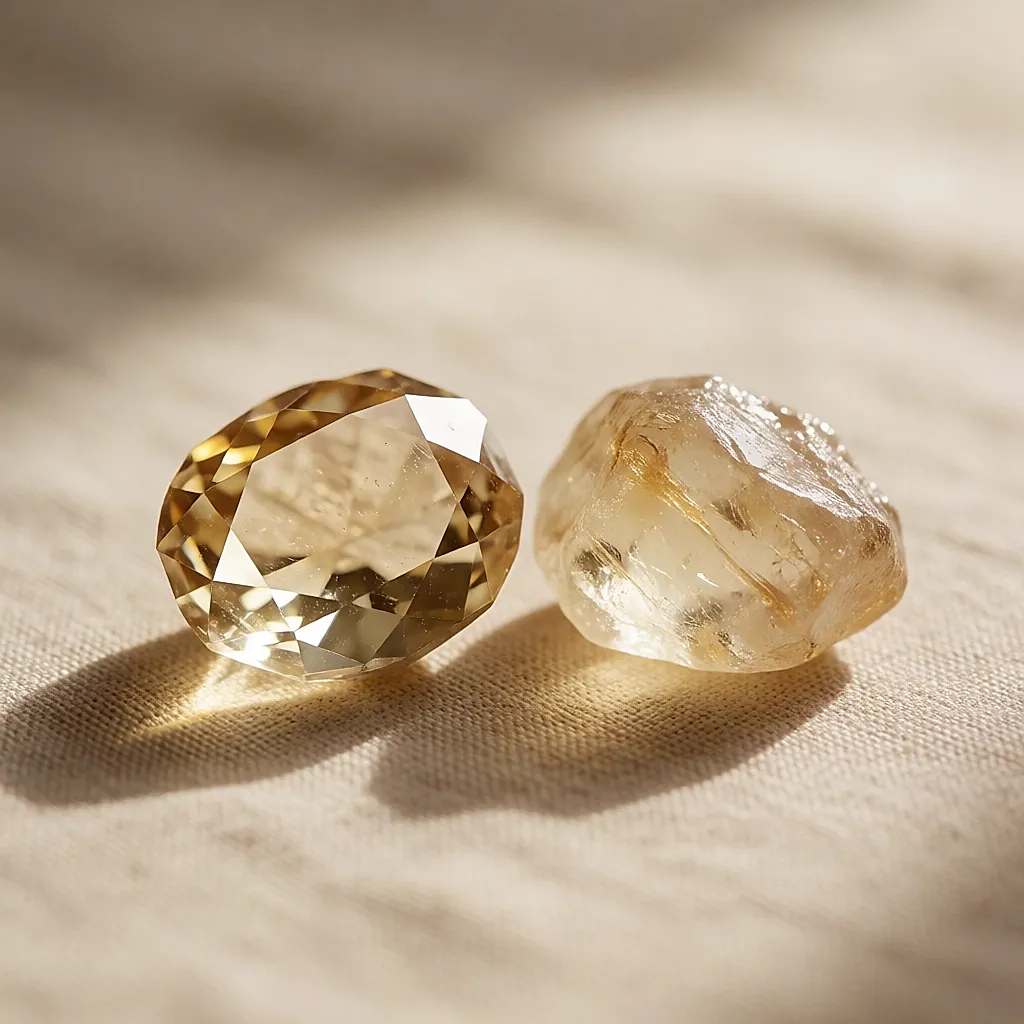
Birthstones: a shifting tradition
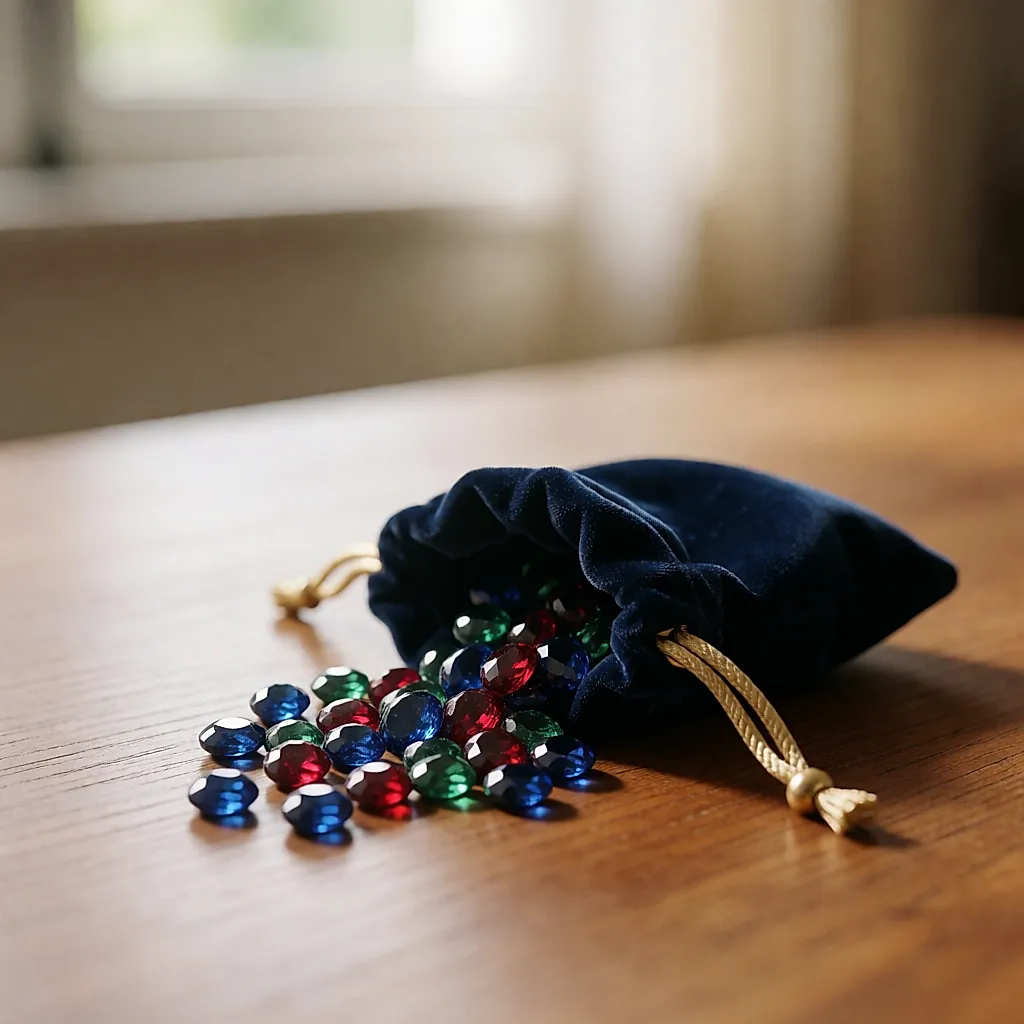
Over the centuries, links were drawn between the twelve months and twelve minerals: wearing the gem of your birth month was meant to bring good luck. The list has shifted considerably from one era and one country to the next; the associations below reflect a current tradition rather than a fixed standard.
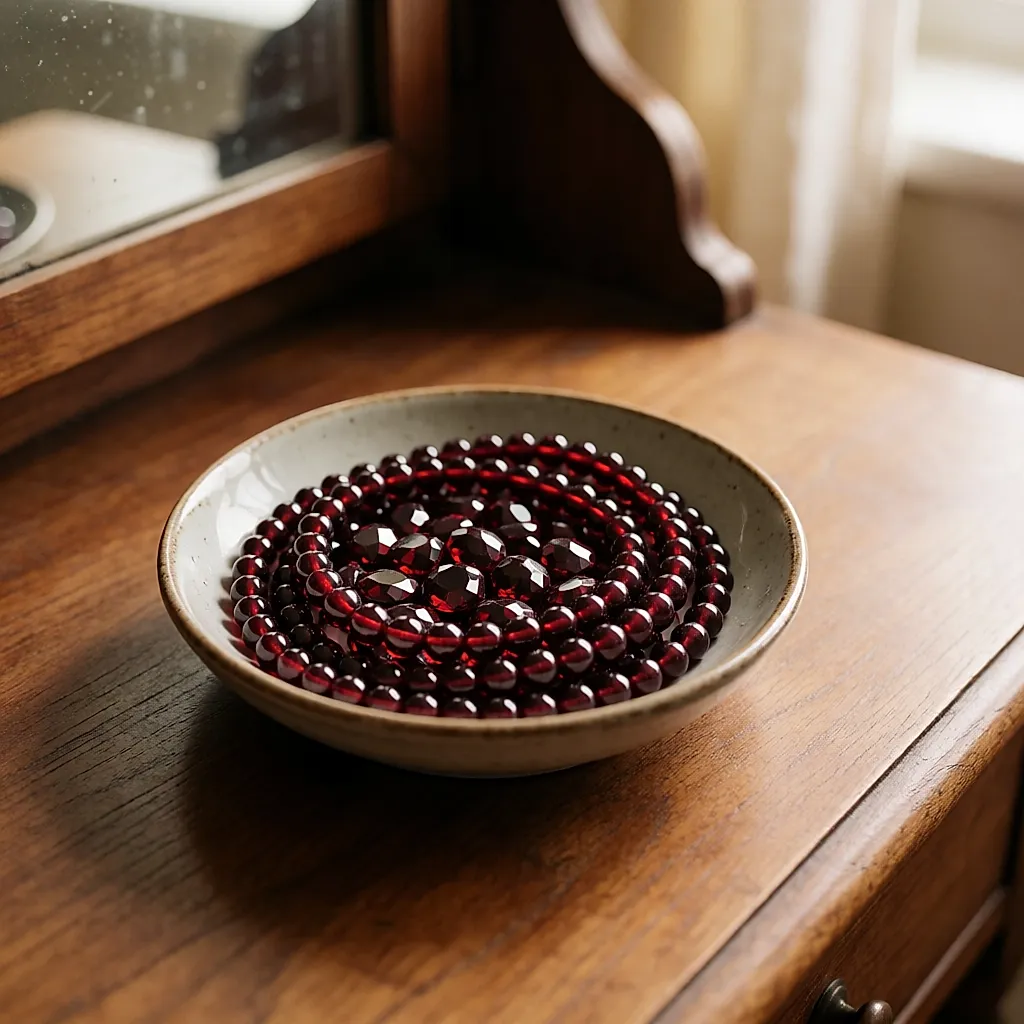
- January: garnet; February: amethyst; March: aquamarine; April: diamond
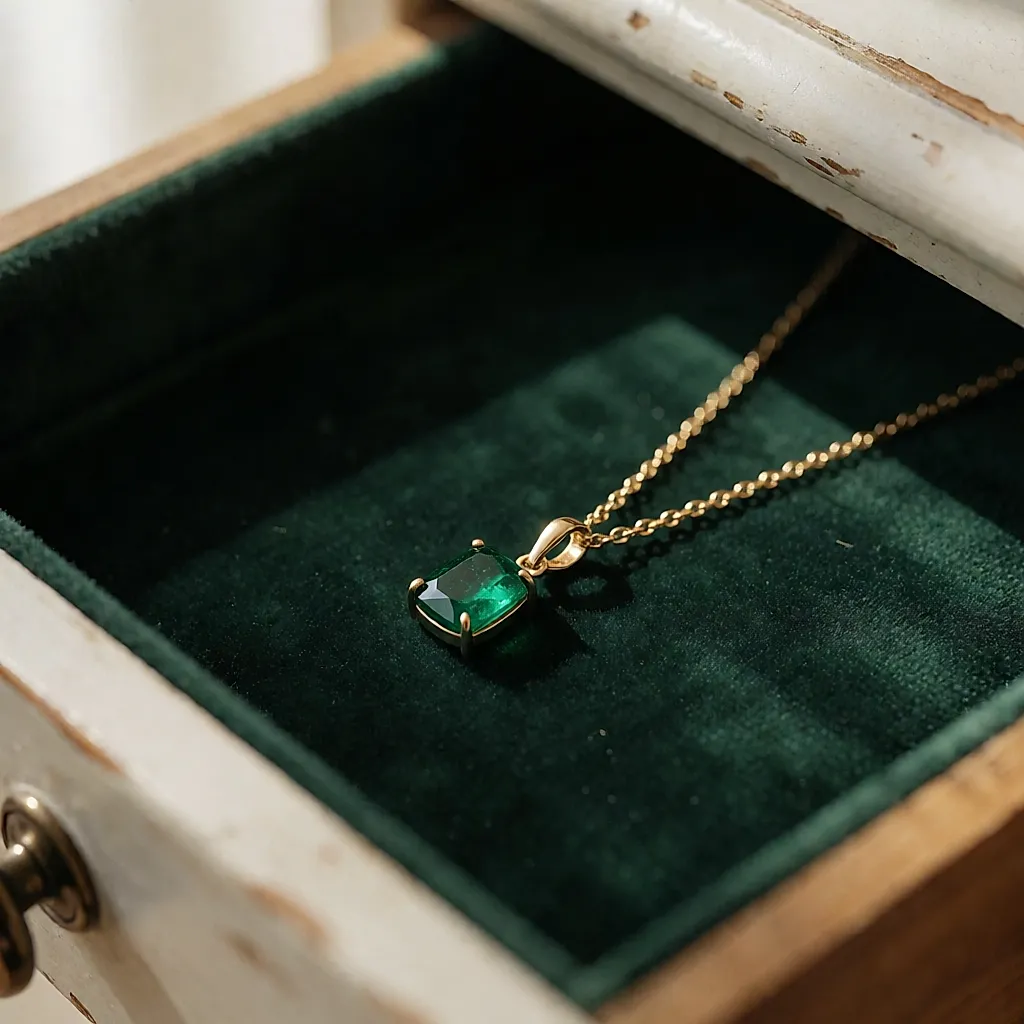
- May: emerald; June: pearl; July: ruby; August: peridot
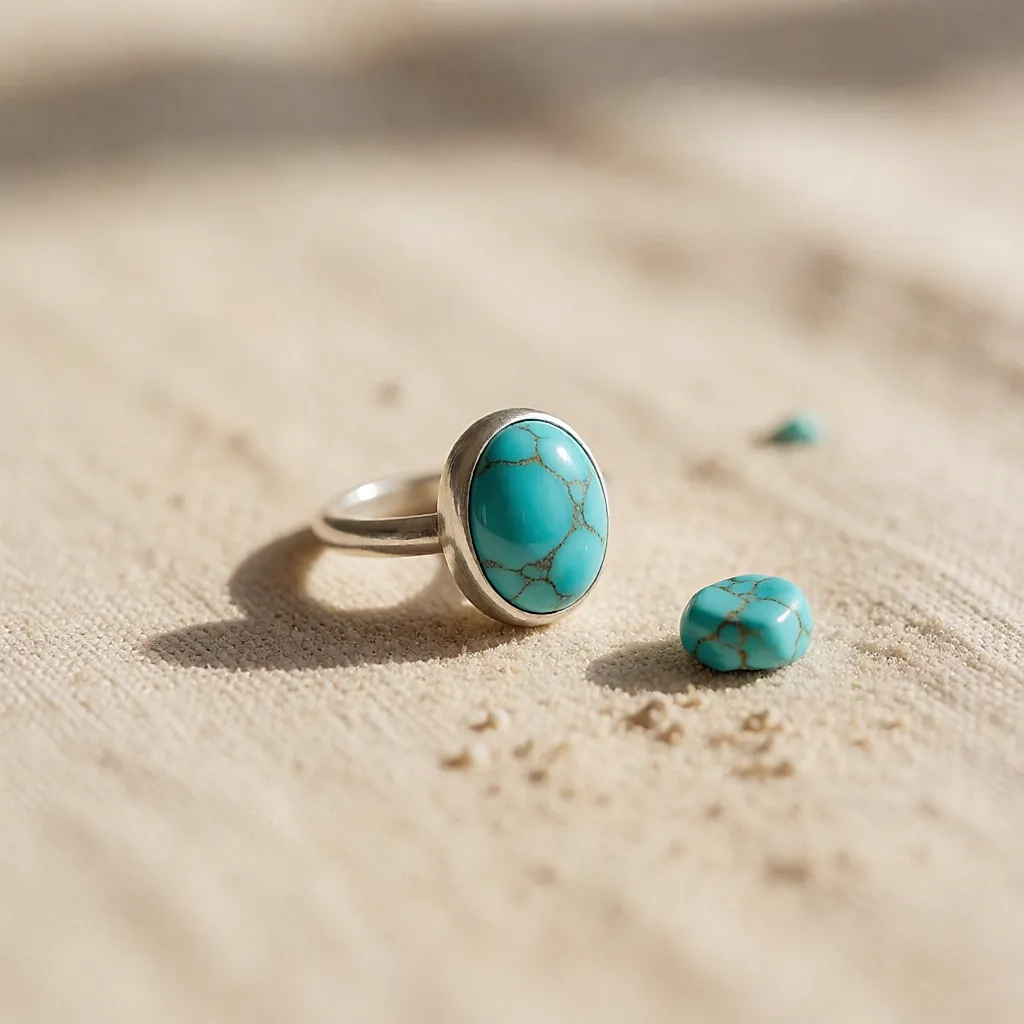
- September: sapphire; October: opal; November: topaz; December: turquoise
What the ancients believed gemstones could do
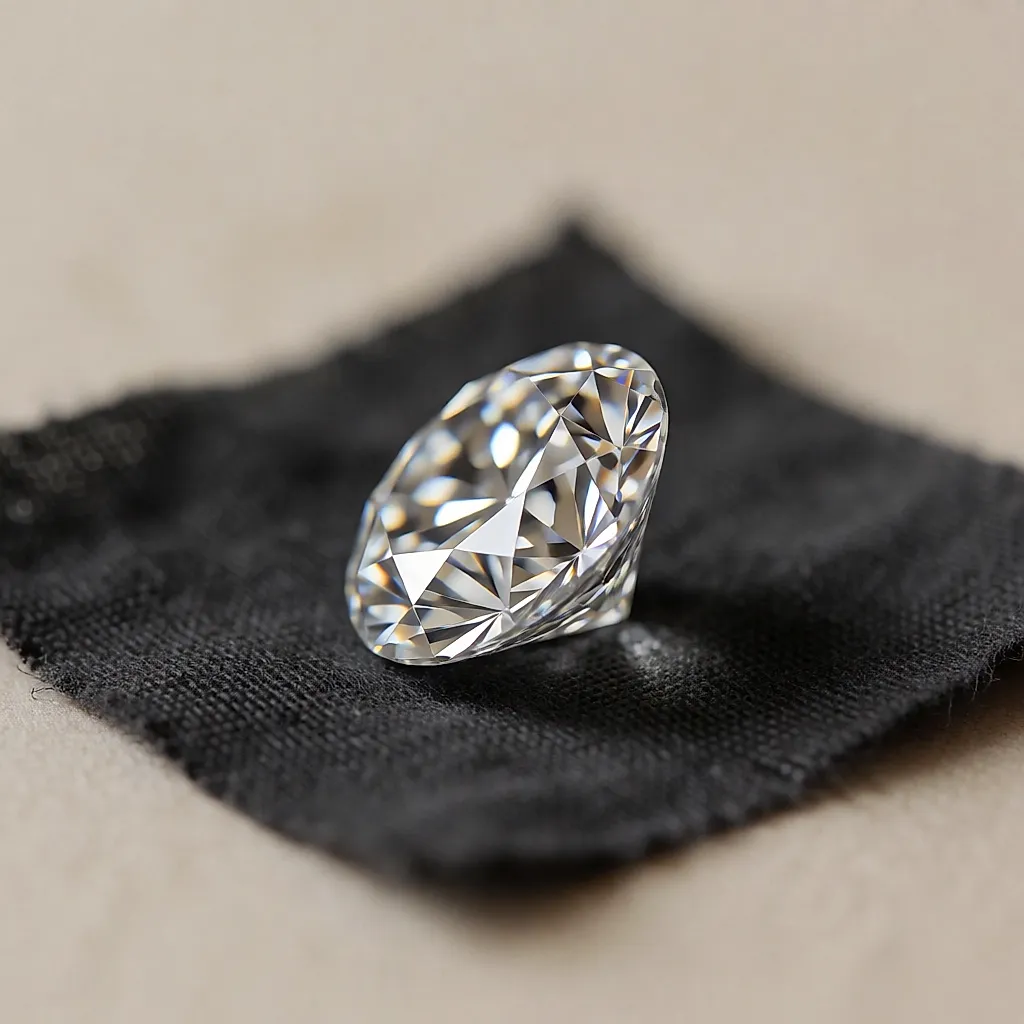
Diamond. Perfection and clear sight. In India, a stone with flaws was thought to invite misfortune; in Greece, it was believed to neutralise poisons. In the Middle Ages, those who could afford it wore one against the plague.
Ruby. Happiness and shared love. It was rubbed on the skin in the hope of slowing ageing, and its colour was said to darken when its wearer was in danger.
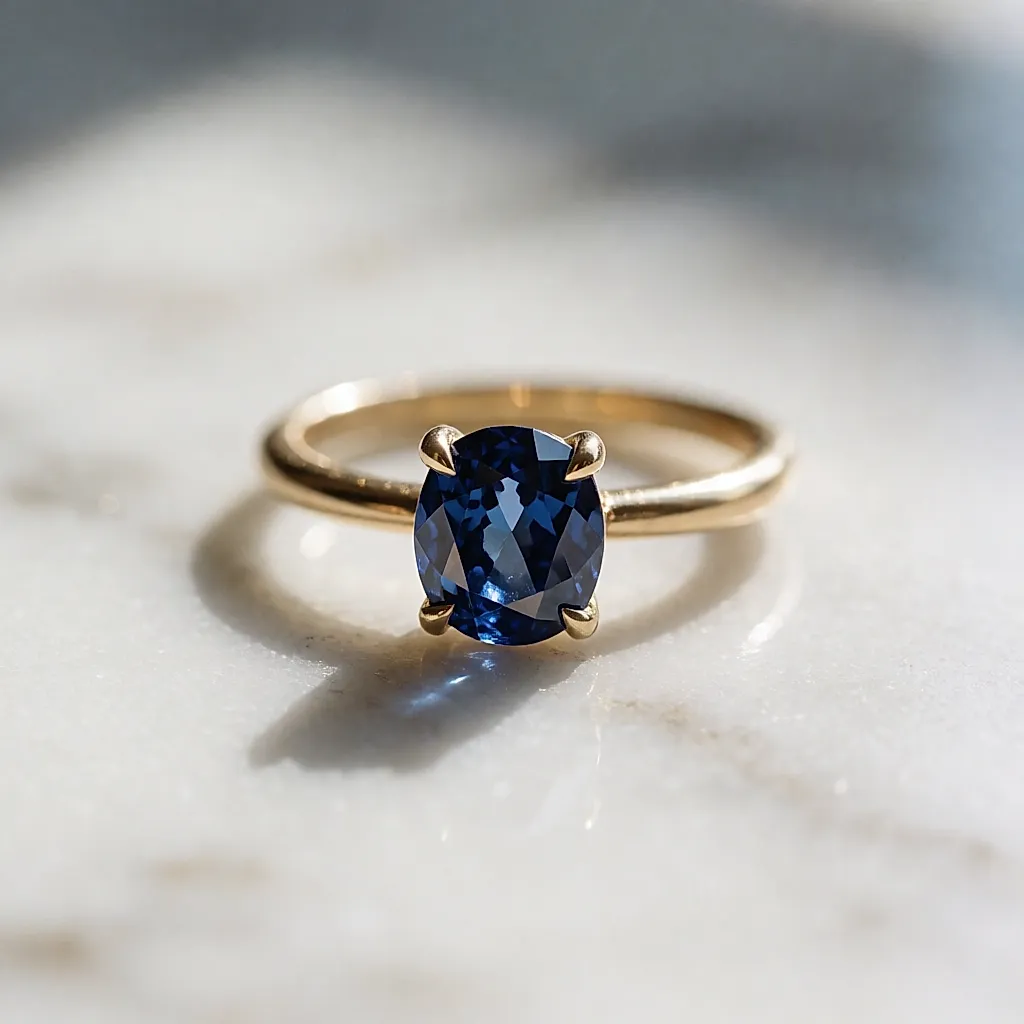
Sapphire. Wisdom, loyalty and justice. The Persians pictured the Earth resting on a giant sapphire whose colour tinted the sky. The word is thought to come from Hebrew and to mean 'object of beauty'.
Topaz. Loyalty and inspiration. In the Middle Ages, tradition had it steeped in wine for a few days before it was rubbed on a patient's eyes, a practice with no basis in medicine today.
Emerald. Trust. In the Renaissance it was given as a token of friendship: if it stayed intact over the years, it signalled a lasting bond.
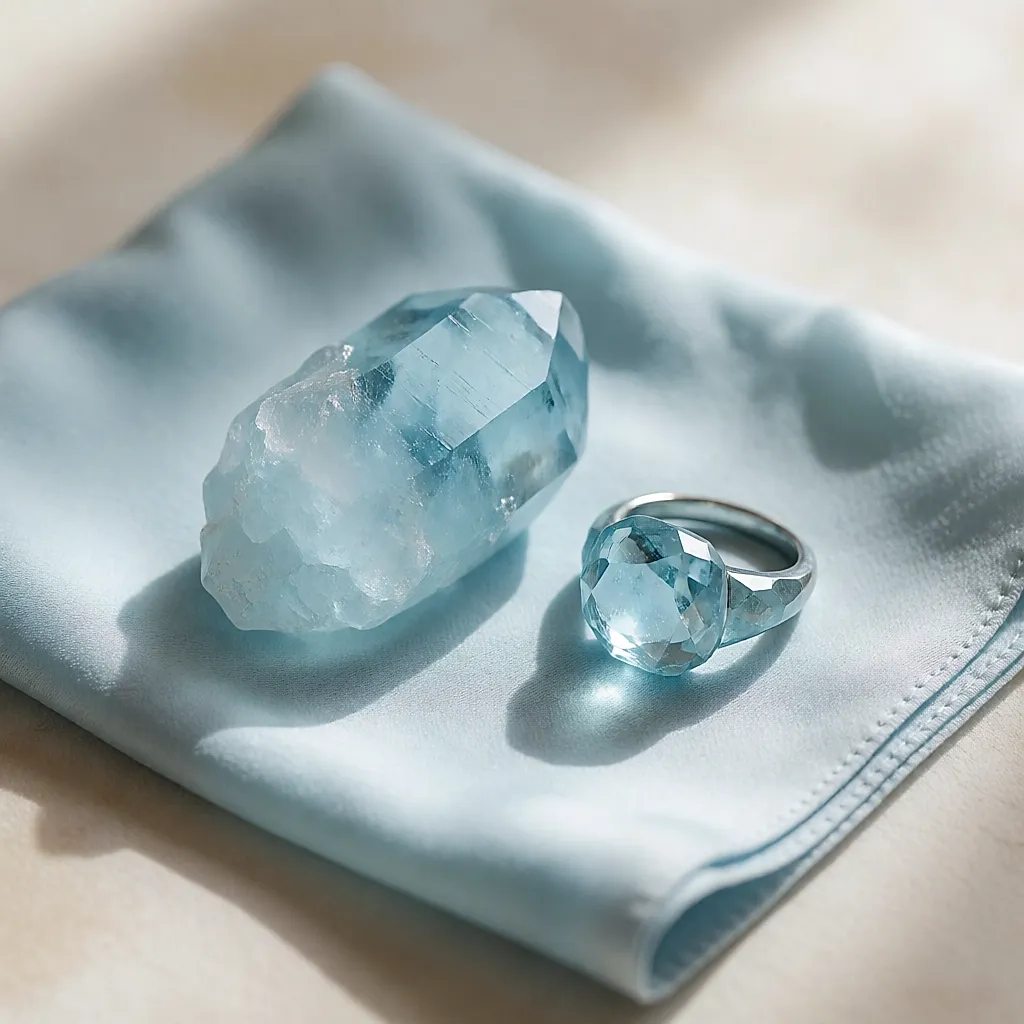
Aquamarine. Calm and patience. Nicknamed the sailor's stone, it was meant to protect against storms and, in the Middle Ages, to rekindle affection between spouses.
Garnet. Constancy and creativity. It was linked to relief from low moods, nightmares, liver complaints and bleeding.
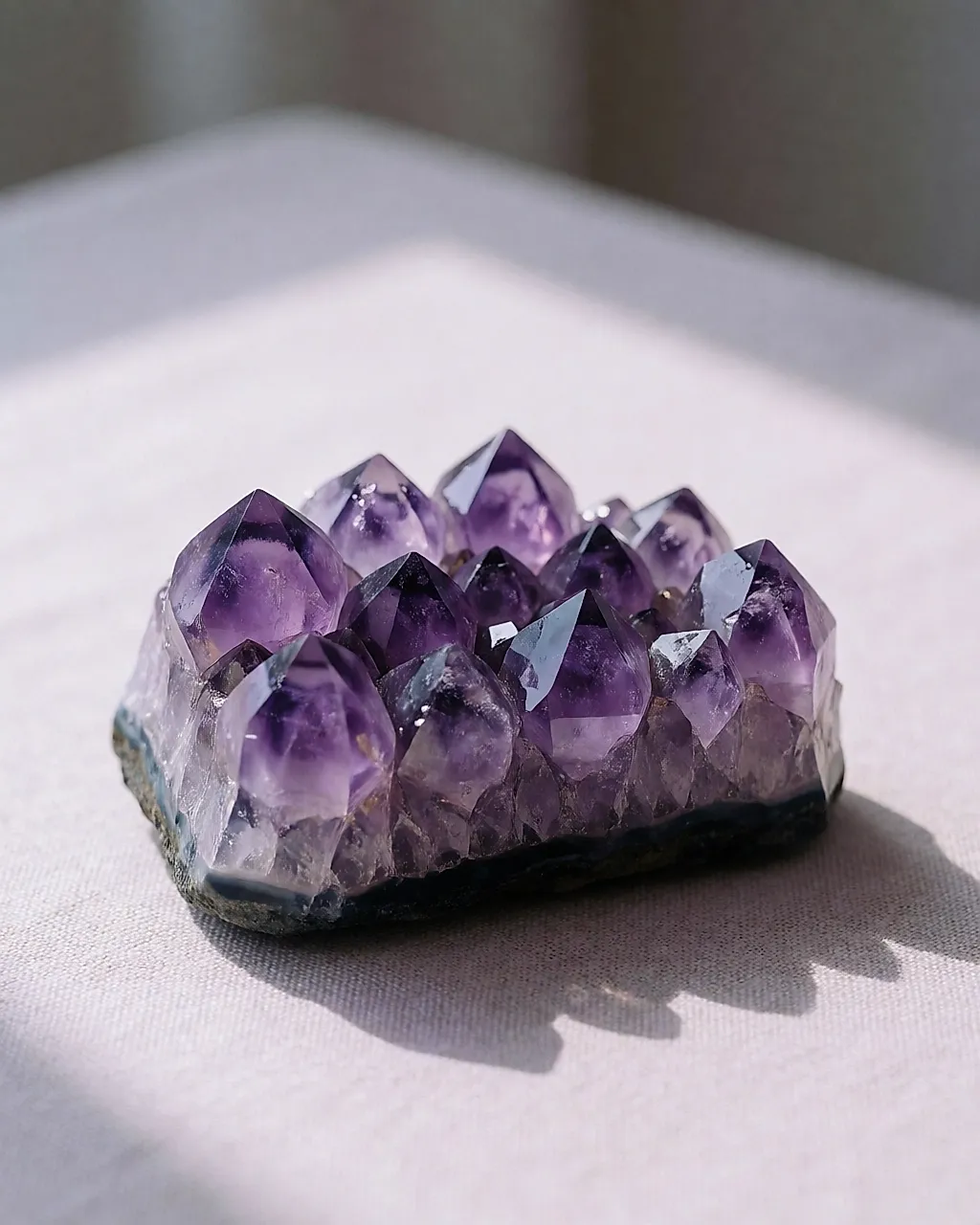
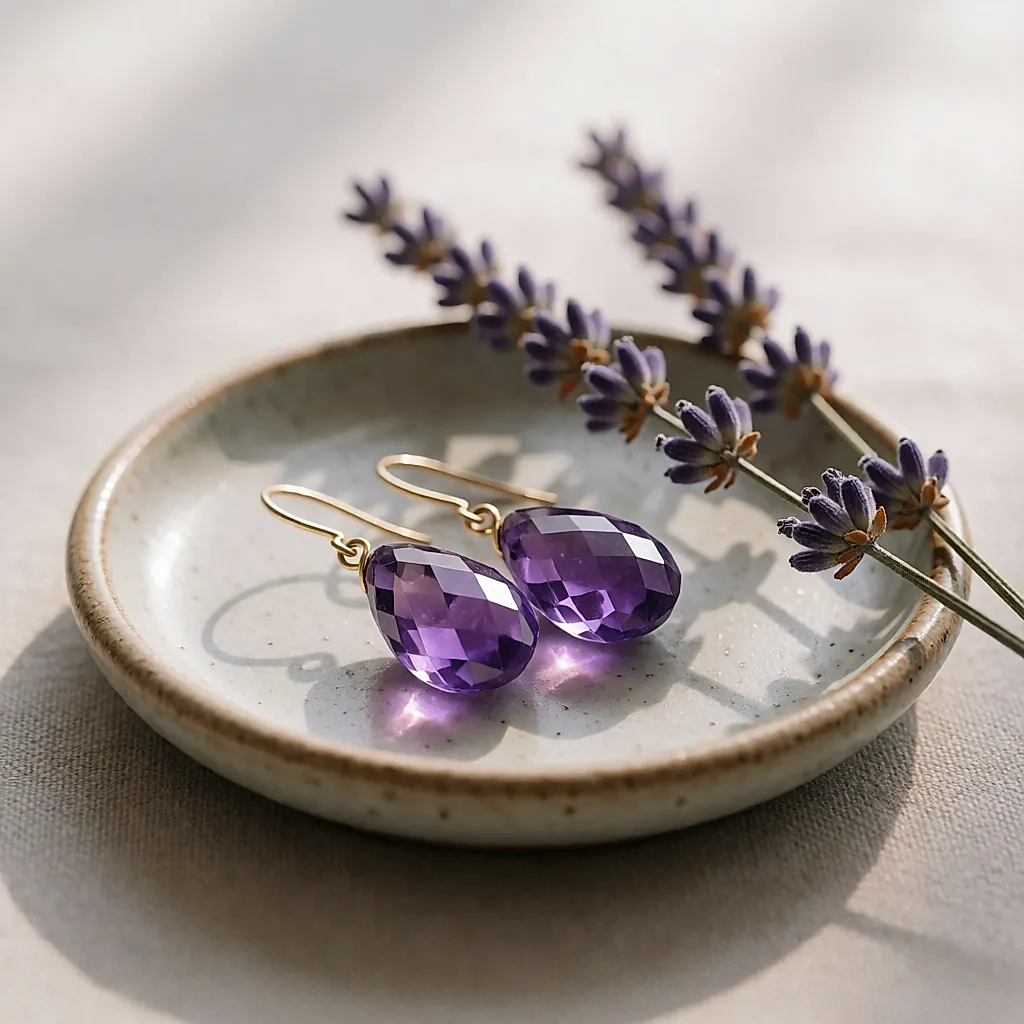
Amethyst. Sincerity and balance. Reputed to keep the wearer sober, it was also used in Chinese medicine for stomach upsets and restless nights.
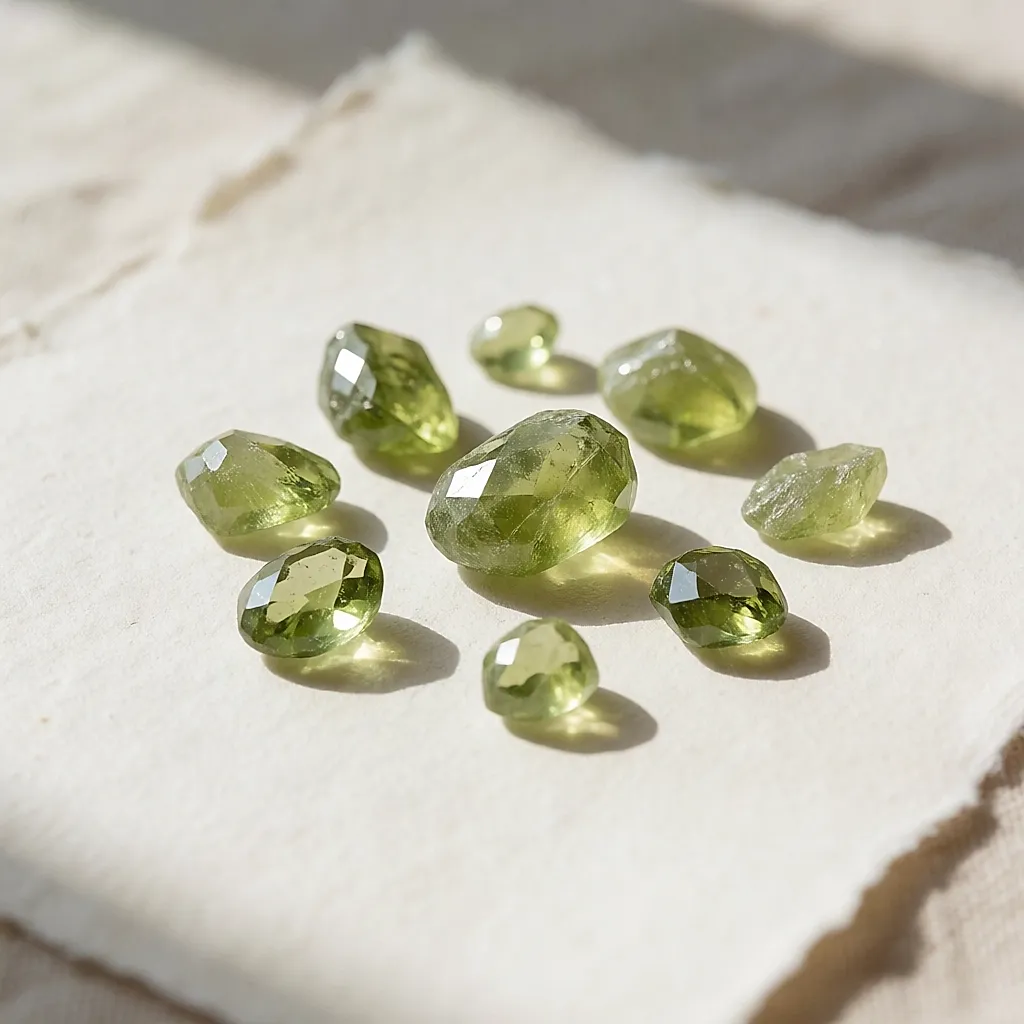
Peridot. Joy and contentment. It was thought to banish darkness and night terrors; King Edward VII is said to have made it his lucky charm.
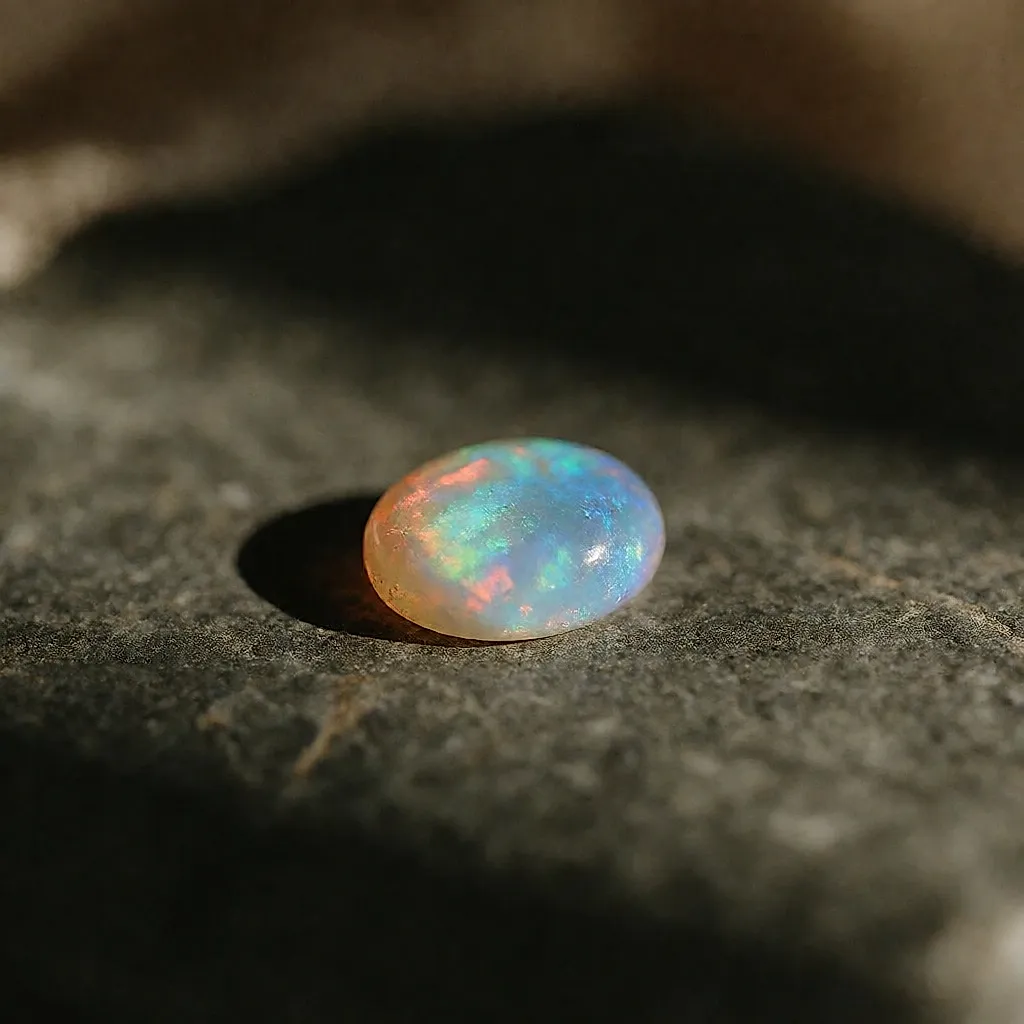
Opal. Hope in Asia; misfortune in Europe, where it was long considered unlucky.
Turquoise. Success and confidence. In the 15th century it was believed to lose its lustre if its owner fell ill and regain it when they recovered.
Lithotherapy, which credits stones with an effect on health, is not supported by solid scientific evidence. How it makes you feel comes down largely to ritual and the placebo effect: it may lift your mood, but it never replaces a diagnosis, treatment or medical follow-up. Be cautious with stone 'elixirs' too: some minerals contain toxic metals (copper, lead, mercury) and should never be swallowed or left in drinking water. If in doubt, speak to a healthcare professional.
What about today?
Crystals are back in interiors, meditation and self-care rituals, but this is a wellbeing gesture rather than a pharmacy. Spending a few minutes breathing while you hold a smooth stone, or wearing a piece that means something to you, can help you unwind, with no guarantees beyond that.
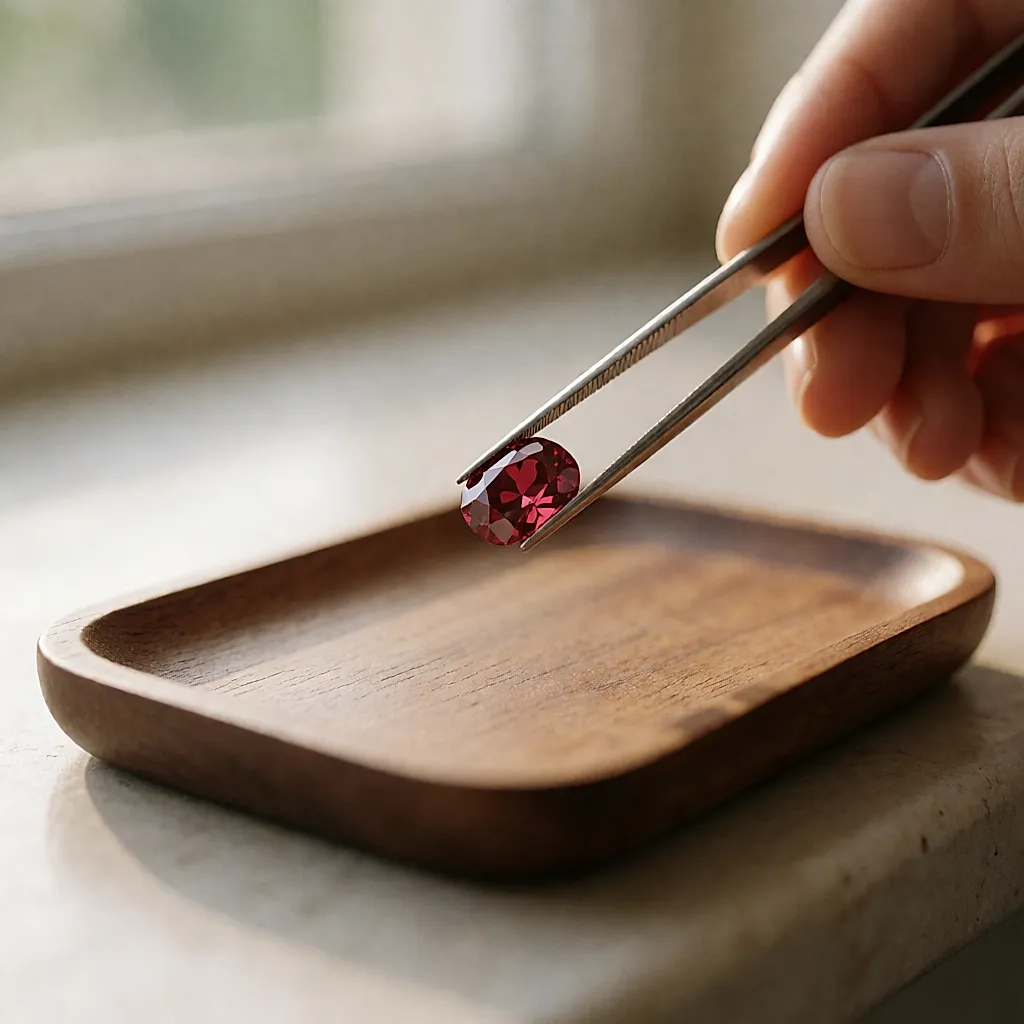
In cosmetics, ground mother-of-pearl and pearl are still used for their pearlescent qualities. Their 'energetic' claims, by contrast, are best treated with caution: a cosmetic product is not a medicine, and such wording should not be taken as proof that it can treat a condition. If you are unsure, check the label or ask a pharmacist.
The most valuable legacy of these legends may lie elsewhere: a way of describing the world, of passing things on and of connecting with nature. You are free to see a lovely symbol in that, as long as you keep your feet on the ground.
Budget
If you fancy treating yourself to a stone, be aware that prices swing wildly, and not only because of how a gem looks. Treat the figures below as a rough guide rather than a quote.
- A tumbled stone (quartz, amethyst, jasper) is often somewhere between £3 and £25, from a specialist shop, a mineral fair or online.
- Silver-set jewellery with a semi-precious stone: reckon on around £30 to £130, depending on the size of the stone, the work on the setting and where you buy (a maker, a local jeweller, an online retailer).
- For gold and fine jewellery set with precious stones (diamond, sapphire, ruby), the ranges run into hundreds, sometimes thousands of pounds: the city, the jewellery house, gemmological certification and traceability can easily triple the bill.
- On the cosmetics side, a mother-of-pearl or micronised pearl product generally sits between £15 and £50, whether you buy from a beauty retailer, a chemist or online.
The sensible move: favour a seller who can tell you where the stone came from, and look into the origin of precious gems, whose extraction is sometimes questionable. Second-hand pieces and synthetic stones, close in composition to natural ones, cost considerably less.


Comments
Your opinion matters: rate the article, react and reply to comments.
Comments are moderated; AI-assisted comments are flagged. Text emoticons (8-), :-), <3…) are automatically shown as images.