

Heavy legs at the end of the day, ankles that puff up, veins that become more visible the moment the temperature climbs: none of it is dramatic, but none of it is pleasant either. What we know, and what we still don't — we have a fairly clear picture of what puts pressure on the veins, and we know what eases things day to day, but clearing up established venous insufficiency remains hard. In practice, these ten habits are no substitute for medical care. They do, though, change a great deal over time.
1. Watch out for the heat
Saunas, steam rooms, hot baths, sunbeds: heat dilates the veins, which lose their tone. As for the sun, the 12pm–4pm window is the harshest, for skin and legs alike. A bit of sunbathing now and then is fine — with sunscreen, and not during a heatwave.

2. Loosen anything that pinches
Tight belts, jeans that cut in, underwear that presses on the groin, sock elastic: anything pressing on the belly or that area slows the return of blood to the heart. In summer, tall boots soon feel uncomfortable. As for cuts, go for loose shapes and breathable fabrics — linen and light cotton do the job beautifully.

3. Move a little every day
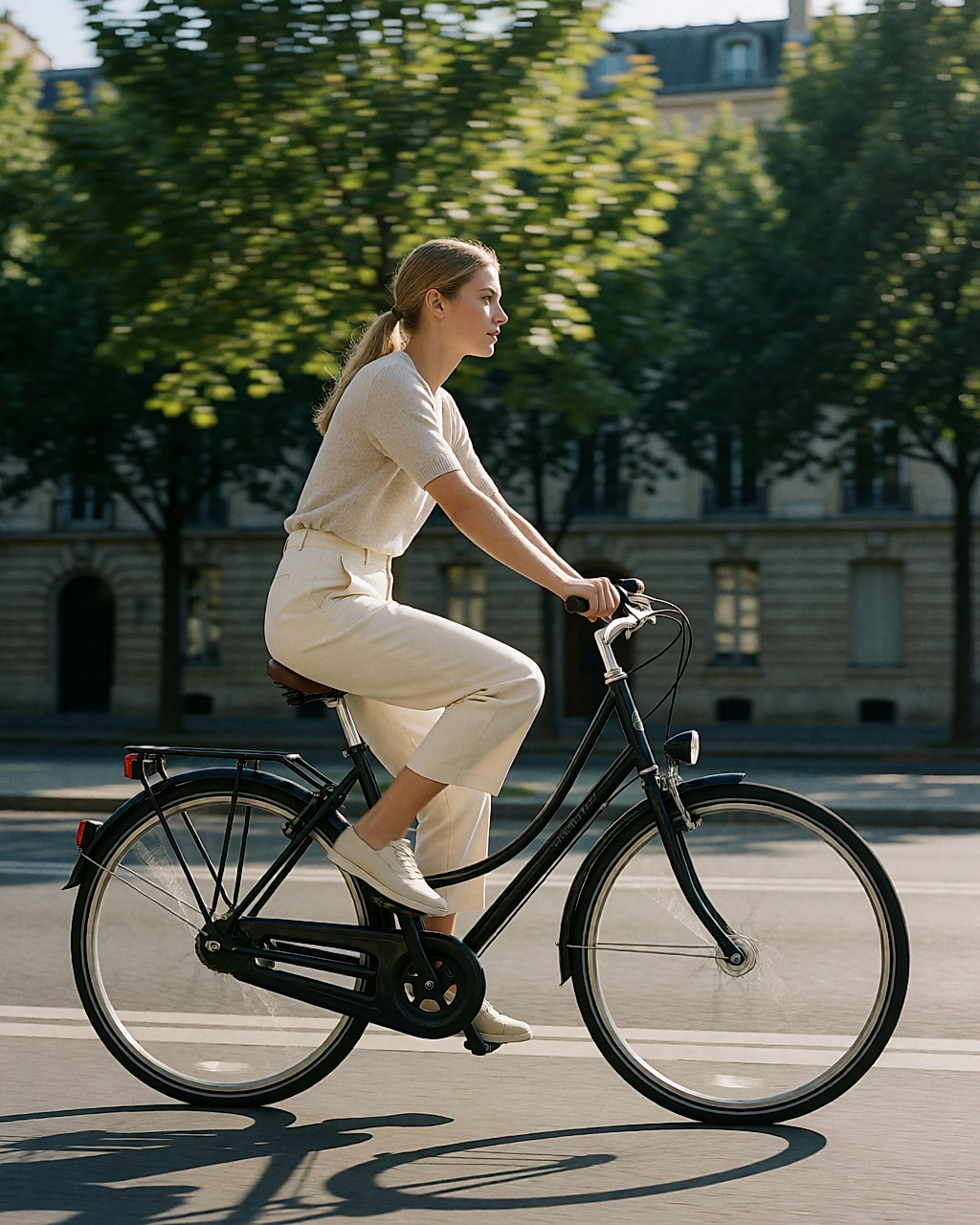
This is the most effective lever: walk, cycle, swim. UK physical activity guidelines recommend at least 150 minutes of moderate activity a week — half an hour on most days. No performance required: a brisk walk is enough to work the calf, the muscle that does the pumping.
4. Break up long spells in one position
When you sit or stand for hours on end, circulation slows. Get up roughly every hour, even if only for two minutes. In the office or on a video call, a few ankle flexes and foot rotations can be done discreetly — enough to get the blood moving in your legs again.

5. Find the right heel height
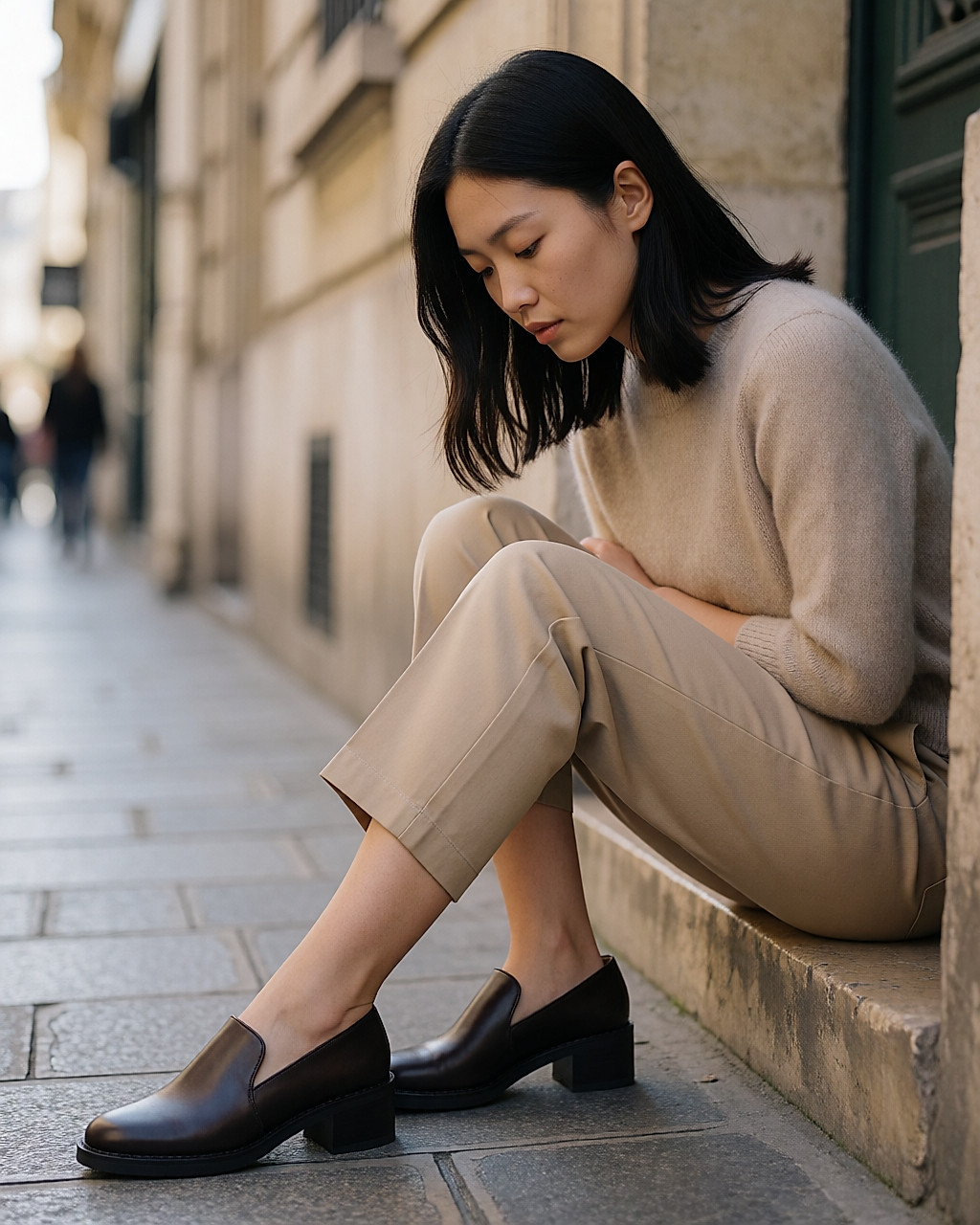
Completely flat shoes, like a ten-centimetre heel, alter posture and tire the venous system. The compromise that comes up again and again: two to three centimetres of heel, a sole that cushions, and shoes you can wear for hours without a thought.
6. Put your legs up
A cushion slipped under the mattress, at foot level, helps venous return overnight. During the day, take every pause to raise your legs above hip height, on a footstool or an armrest. Ten minutes is enough to ease that heavy feeling.

7. Get more fibre
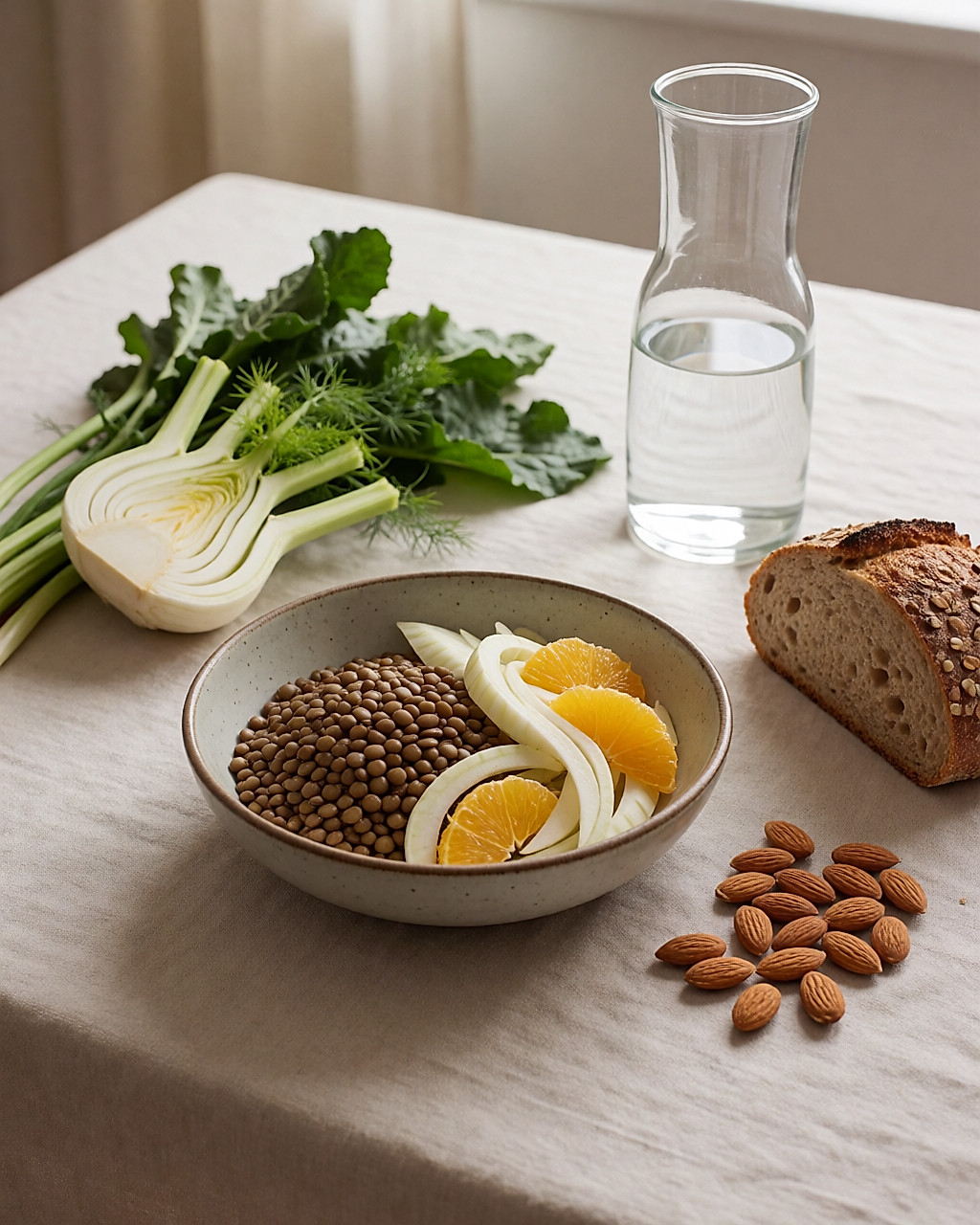
Fruit, vegetables, pulses and wholegrains keep the gut moving. Constipation and bloating put pressure on the veins in the abdomen and hinder circulation. Remember to drink regularly too, especially in hot weather — it's a simple habit, just an easily forgotten one.
8. Compression, on prescription
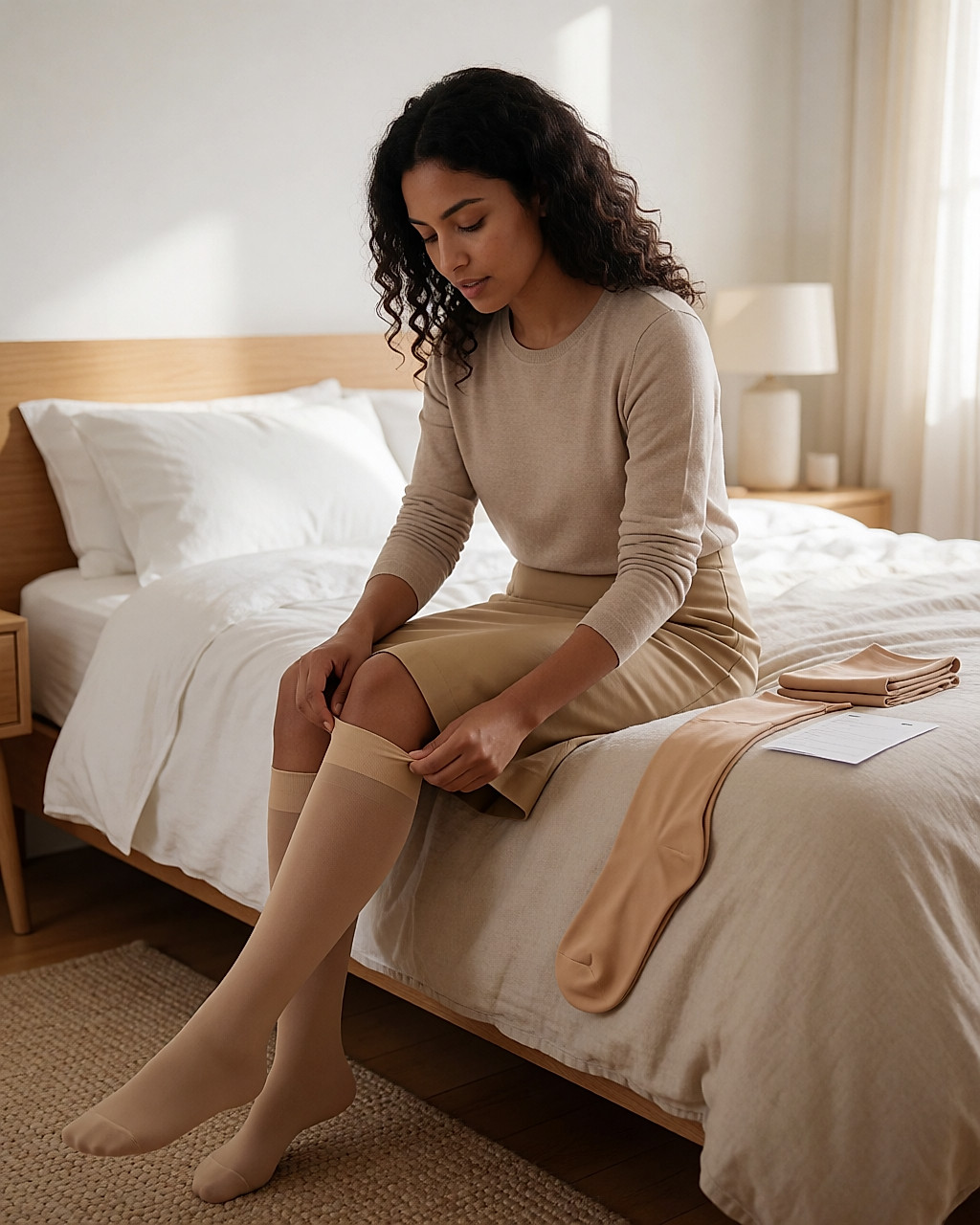
If your legs really feel heavy, swell, or varicose veins appear, a GP can prescribe compression stockings or tights. They ease discomfort and support the upward flow of blood, and can be available on the NHS in certain circumstances, on prescription. The healthcare professional decides the class and size that suit you.
9. Smoking is a risk factor
Smoking damages the walls of veins and arteries and encourages clots to form. It's one of the few levers you can act on directly. If you want to stop, support is available — talk to your GP, your pharmacist or your local stop smoking service.
10. Herbs and massage
Red vine leaf, witch hazel, sweet clover and ginkgo biloba have long been used for their venotonic effect. Current evidence suggests a modest benefit, and some herbs interact with medicines: ask for advice before taking them, whether as a tea or in capsules.
Massage, meanwhile, is always done from foot towards hip, never the other way. A neutral cream, ten minutes, and it's already a genuine moment of relief.
Some signs fall outside the comfort-tips category: sudden pain in one leg, a swollen, hot calf, redness that spreads, unusual breathlessness. If any of these appear, seek medical help straight away — call 111. A painful, asymmetrical leg is not a case of heavy legs.
Budget
The ranges below are rough UK figures; they shift with the brand, the class of device and where you buy.
- GP appointment: free at the point of use on the NHS. This is the starting point if you're thinking about compression.
- Compression stockings or tights: roughly £10–£40 a pair depending on class and brand, from a pharmacy or medical supplies shop. NHS prescription charges vary depending on where in the UK you live, and whether you're exempt.
- Red vine leaf or witch hazel tea: £5–£15 for 100 g loose, from a herbalist or health food shop. Loose leaf and paper bags cut down on packaging, and organic certification at least guarantees the growing method — not the effectiveness.
- Capsule supplements: around £8–£20 a box. Check the origin of the herbs and the ingredients list before you buy.
- Low-heel shoes: £40–£120 depending on the material. Leather that can be repaired by a cobbler often lasts longer than a cheap pair replaced every season.
Sources
- NHS (nhs.uk): varicose veins and venous insufficiency, and compression stockings.
- NICE (nice.org.uk): guidance on medical compression for the lower limbs.
- UK Chief Medical Officers (gov.uk): physical activity guidelines and sun safety advice.
- World Health Organization (who.int): global recommendations on physical activity for health.
Food supplements do not replace a varied, balanced diet and a healthy lifestyle.



Comments
Your opinion matters: rate the article, react and reply to comments.
Comments are moderated; AI-assisted comments are flagged. Text emoticons (8-), :-), <3…) are automatically shown as images.