
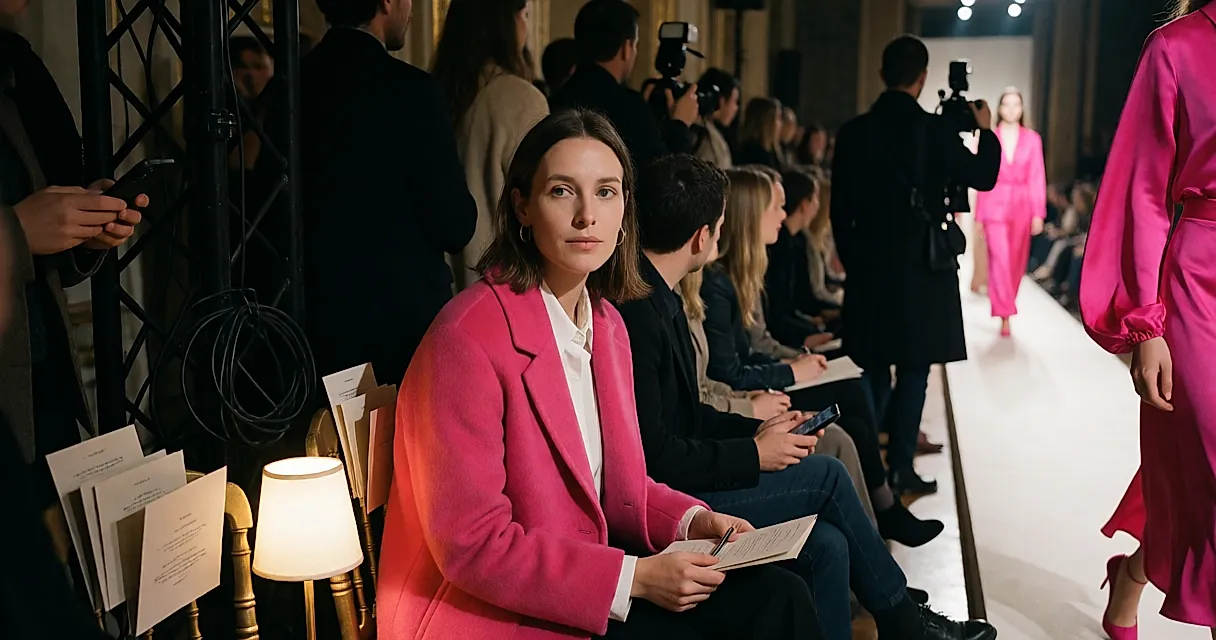
A debut show is a job interview in front of three hundred people — except that this time, you’re the interviewer. And what often grabs a season’s attention isn’t prestige any more: it’s the changing of the guard.
Still, you need to know how to look. A show is a machine for generating emotion — lighting, music, front row — while fashion itself is judged on a hanger, in daylight, on a Tuesday morning, when nobody is filming.
The cut before the statement
Start with the shoulders. A well-set shoulder determines the whole silhouette; if the armhole sits too low, even the slimmest arm in the world ends up in a boxy rectangle. At a debut show, that detail tells you more than a press release: it shows whether the newcomer is working on construction or simply dressing bodies with ideas. Then look at the cuffs — a sleeve that’s too long swallows the hand, one that’s too short looks as if it’s waiting its turn — and then the coat length, which should land decisively between the knee and the calf, with no dithering.
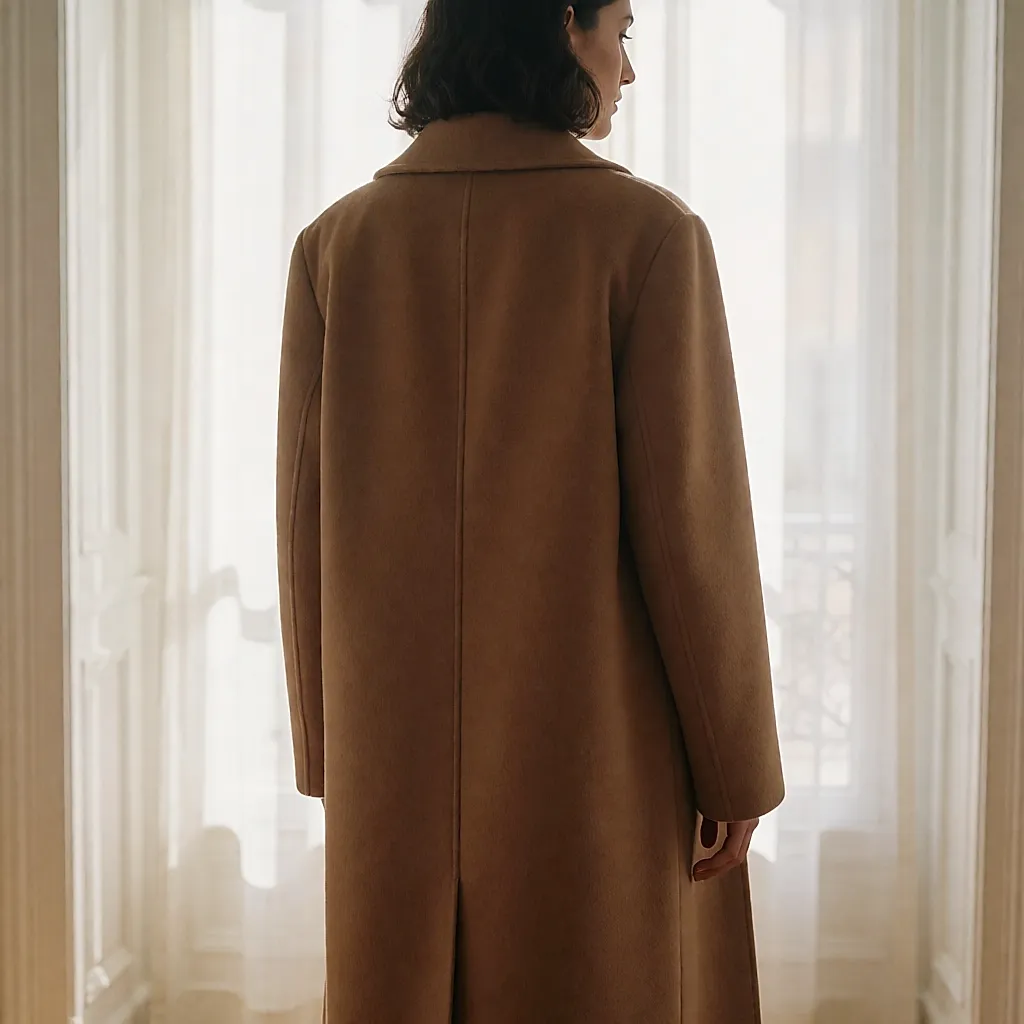
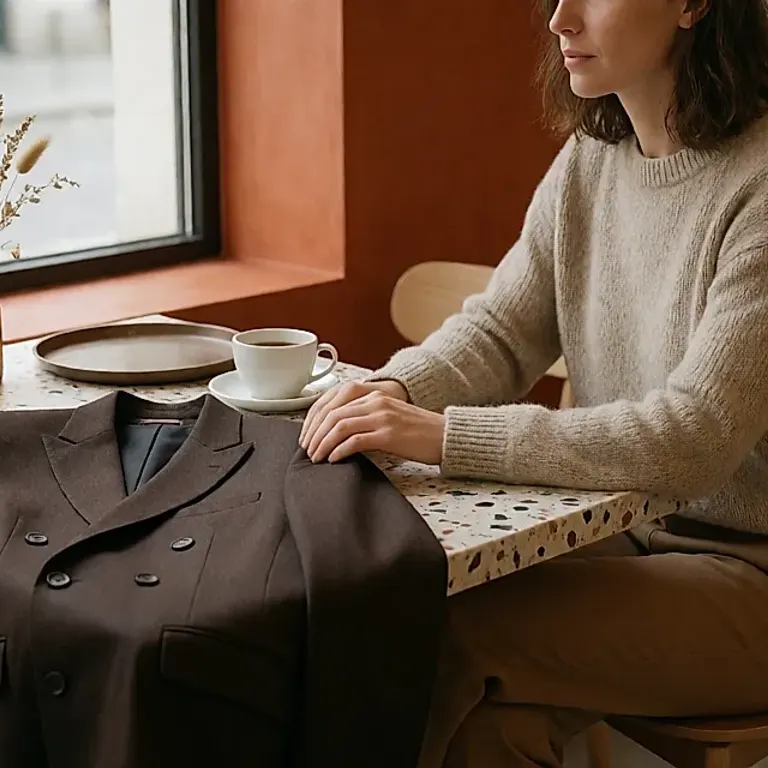
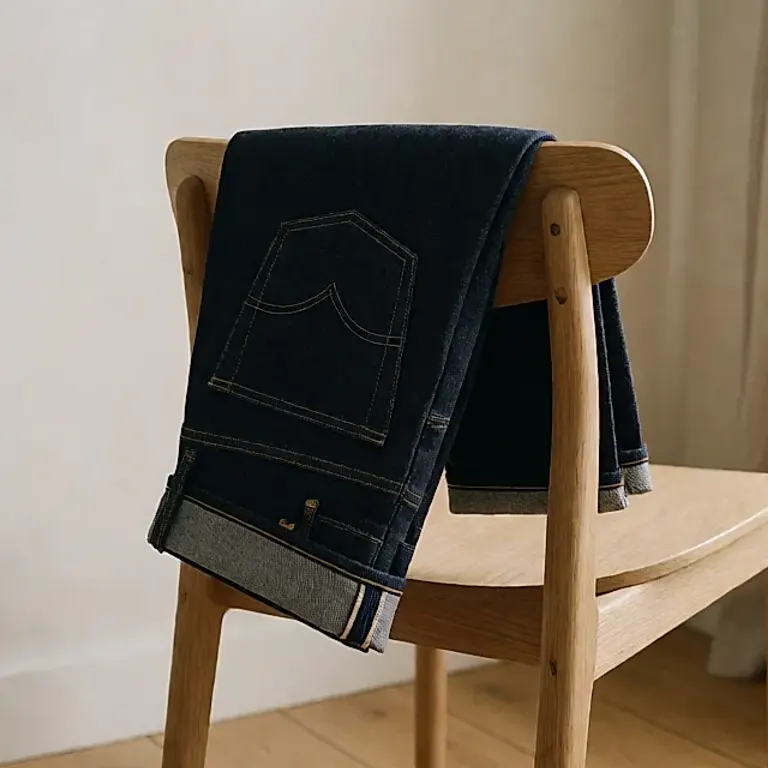
Second pass: the pieces people will actually wear. A coat, a pair of trousers, a knit. If those three stand up, the collection will live beyond the show; if they’re slapdash and only the showpieces save the day, bet on a flash in the pan. And dare to ask the awkward question: is there one idea, or ten variations on the same idea?
References: owned, digested or copied
A designer joining a house rarely arrives empty-handed: they step into an existing vocabulary. At Courrèges, the house founded by André Courrèges, there are clean lines, white, a way of moving fast and straight, a graphic spirit that most people recognise even if they couldn’t name it. So the question isn’t whether they referenced the house — that’s part of the job — but: has the reference been digested, or simply copied? The test is simple: without the label, would you recognise the house? And without the label, would you still want to wear the piece?
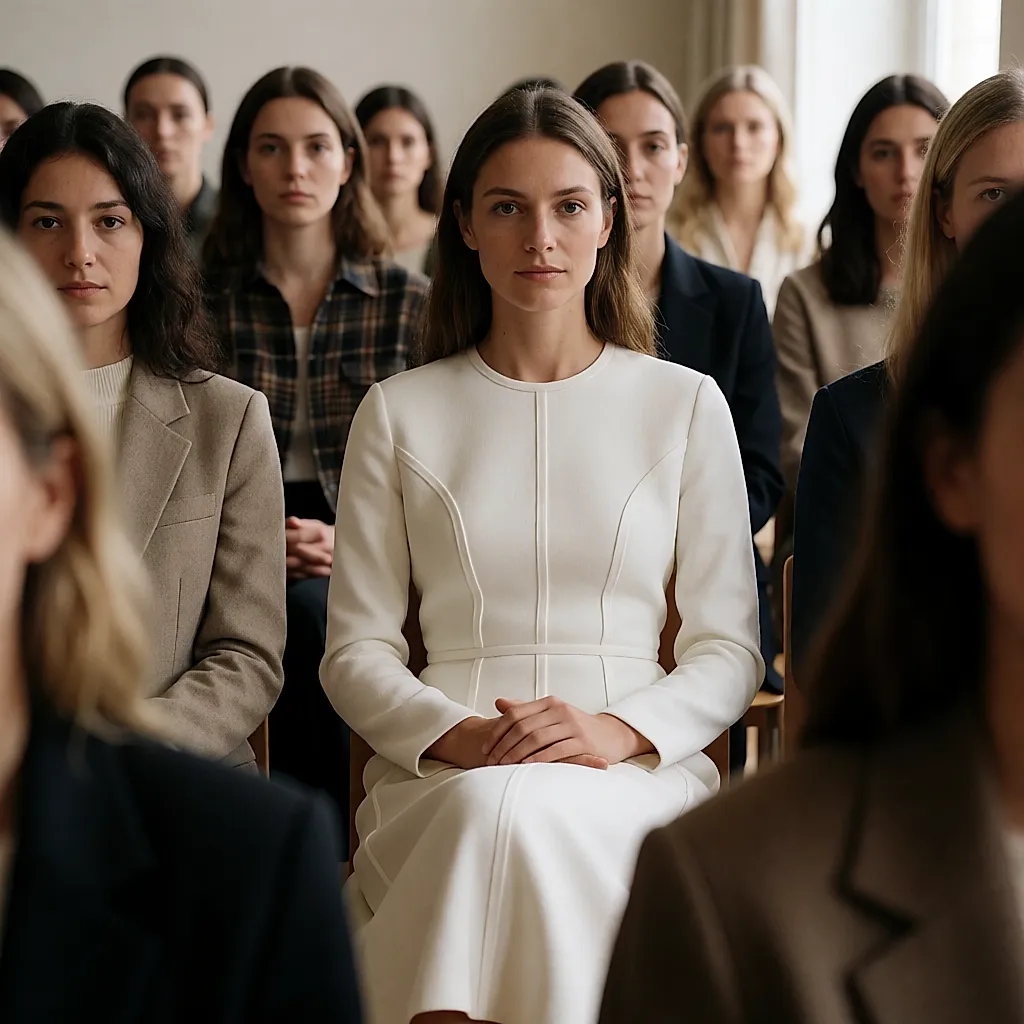
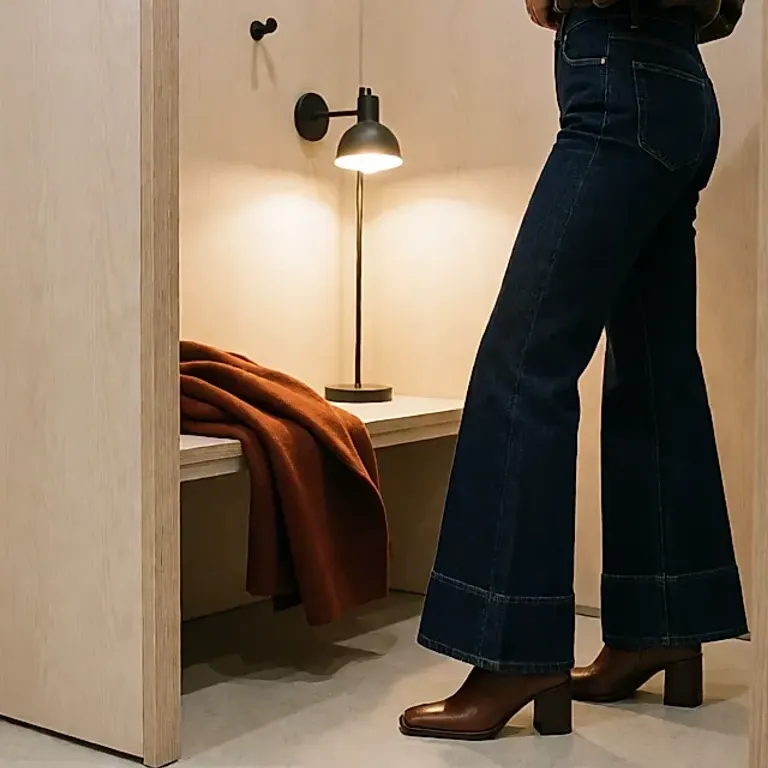
Because a successful debut collection doesn’t look like a museum visit. It looks like a wardrobe you could make your own: a jacket you’d throw on over jeans, a dress that would work with boots. When everything, from first look to last, feels untouchable, sublime and impossible to wear outside the show, it’s often beautiful and rarely convincing.
Take away the set, keep the clothes
The sandy floor, the swelling music, the blacked-out room: all of it is working for the clothes. So clear the clutter. Imagine the piece in a lift, on a café terrace, in November rain. Does the drape hold? Does the fabric do anything beyond life under spotlights? A well-cut wool piece is, in practice, often around £300 to £700 at a designer label and £100 to £200 on the high street — and that’s exactly where a debut show acts as a test, because the proportions imagined that evening will arrive in shops a few months later, sometimes softened, sometimes watered down.
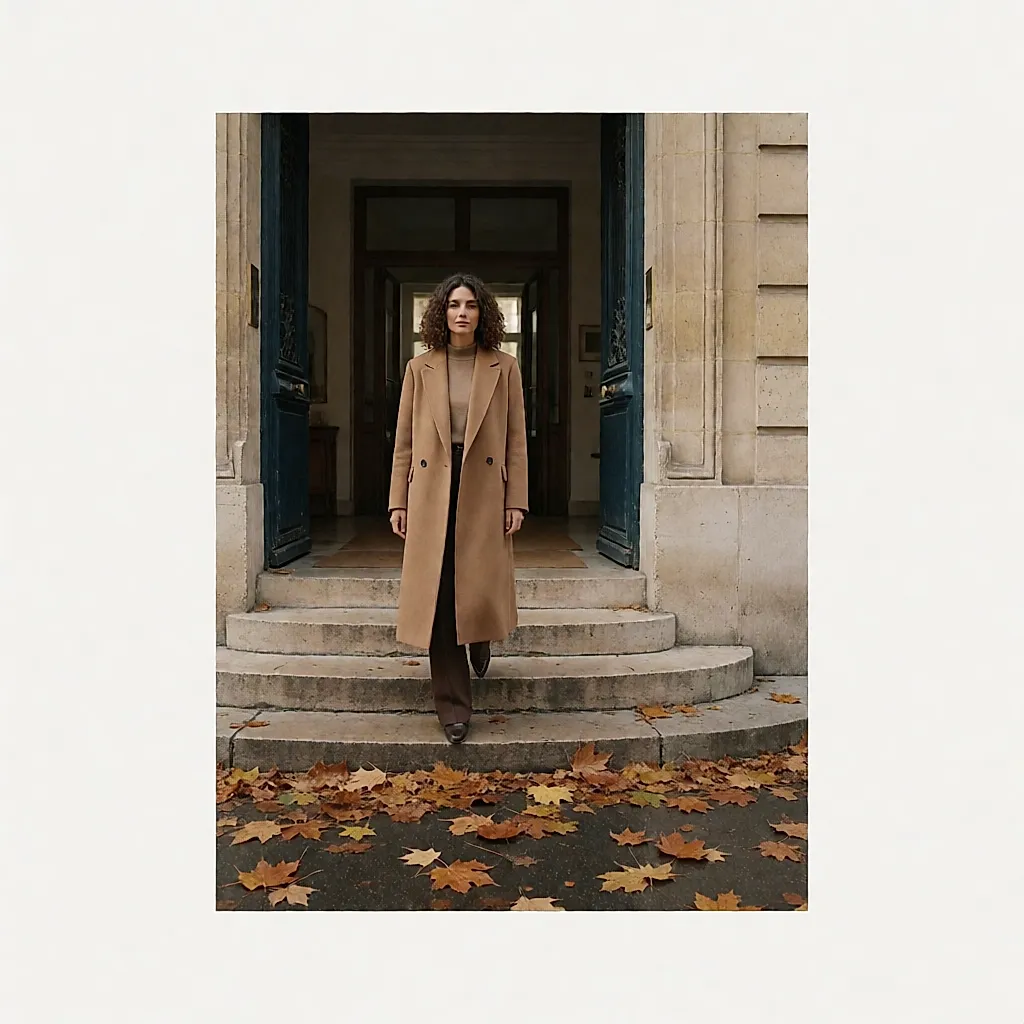
Second check, and the most revealing: repetitions. A new designer needs to prove they have a signature move, so they repeat it. Count the variations on the same jacket, the same collar. Three is a signature. Eight is a doubt.
The ranking trap
A ranking of the most-watched shows, when it’s published, tells you about curiosity, not quality. It says something quite cheering: the public doesn’t only click on established names; it also clicks on what’s changing. But a ranking measures views, and a view has never judged a hem.
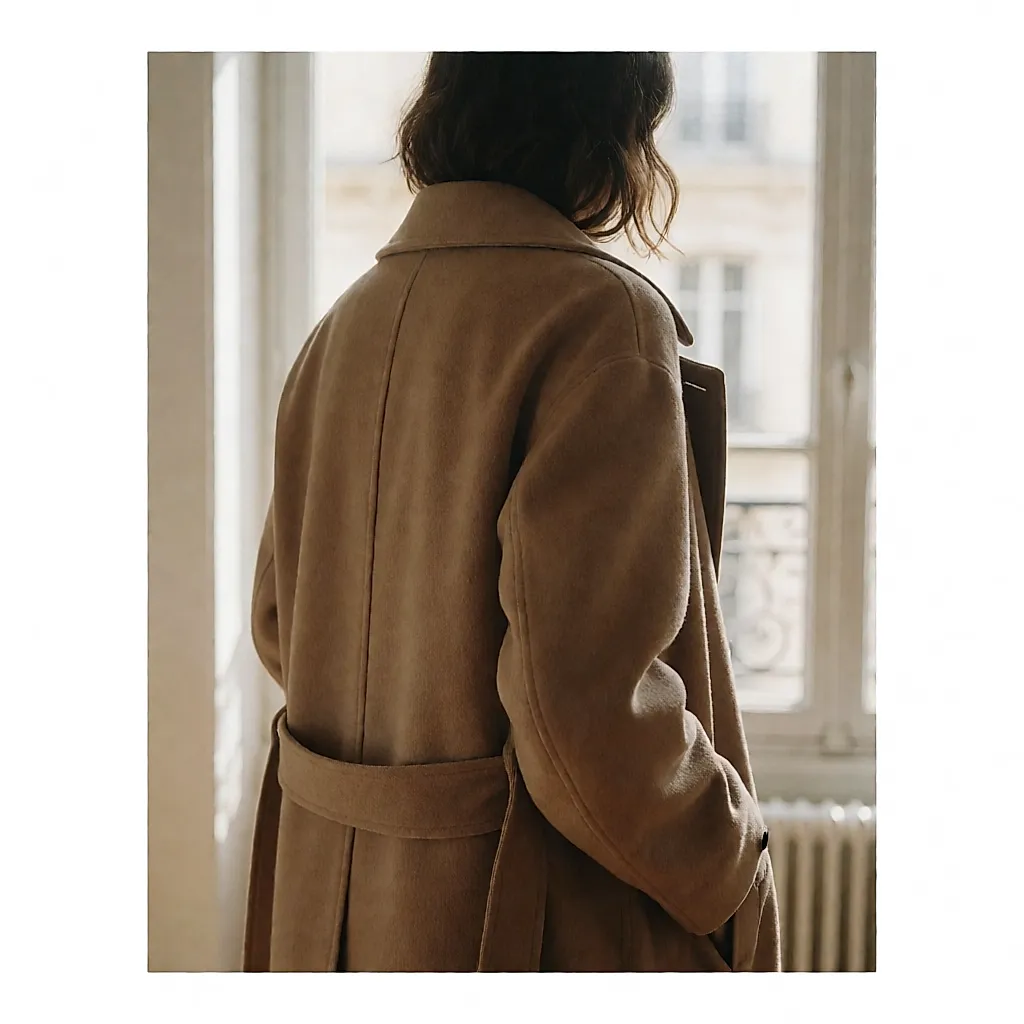
So give yourself time. The day after a debut show, social media has already decided — genius or disaster, with the same certainty either way. Wait for close-up images, details, backs, fabrics. And remember that a debut is not a final exam: it’s a first meeting. Take note of what you’d actually want to wear, and keep the rest for the second season, which will show whether the idea stood up or only lasted for one night.
Five questions to ask yourself at a debut show
- Do the shoulders and armholes hold the silhouette?
- Are the coat, trousers and knit up to the standard of the showpieces?
- Without the label, would you recognise the house?
- Once the set is stripped away, is the piece still desirable?
- Do you come away with one clear idea, or a fog of references?
Next time a debut-show clip lands on your screen, turn the sound off for two minutes. Look at the sleeves, the belts, the way the fabric falls when the model stops. You’ll see something other than a spectacle: a wardrobe in the making — and you’ll already know what you, personally, would go looking for in the shops.
Comments
Your opinion matters: rate the article, react and reply to comments.
Comments are moderated; AI-assisted comments are flagged. Text emoticons (8-), :-), <3…) are automatically shown as images.